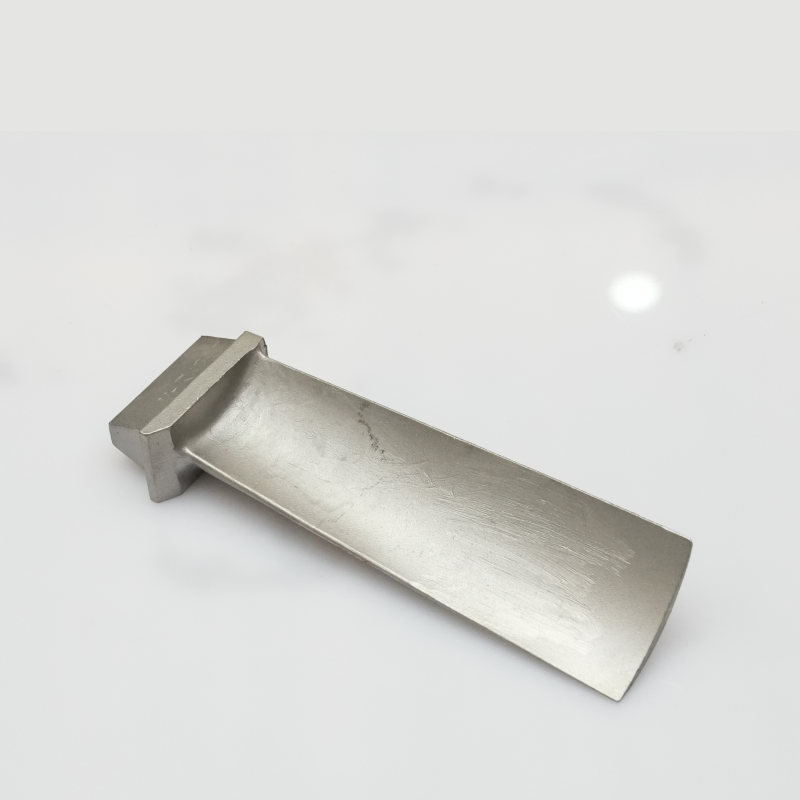
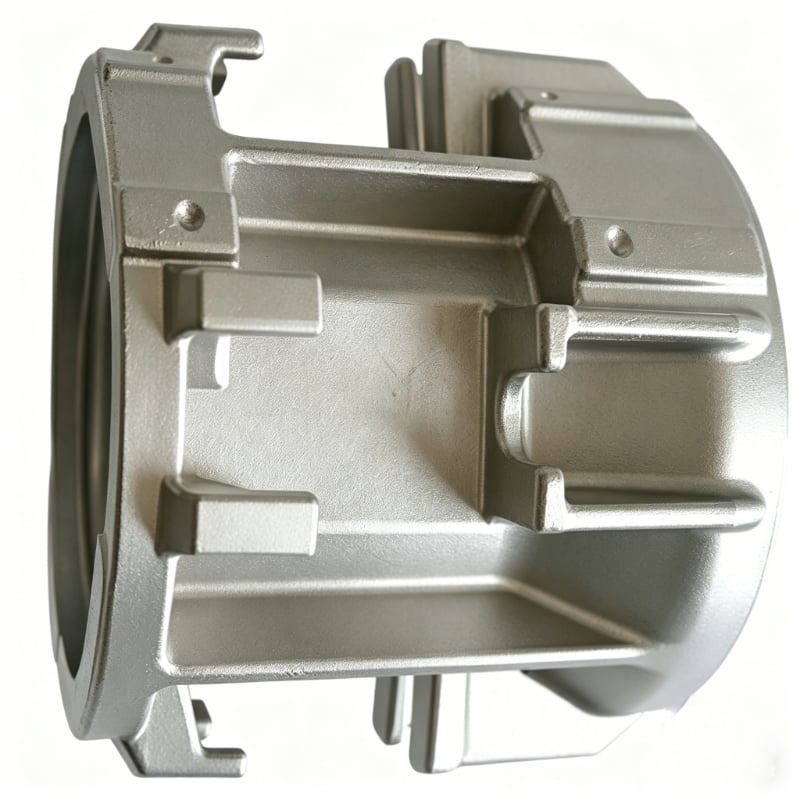
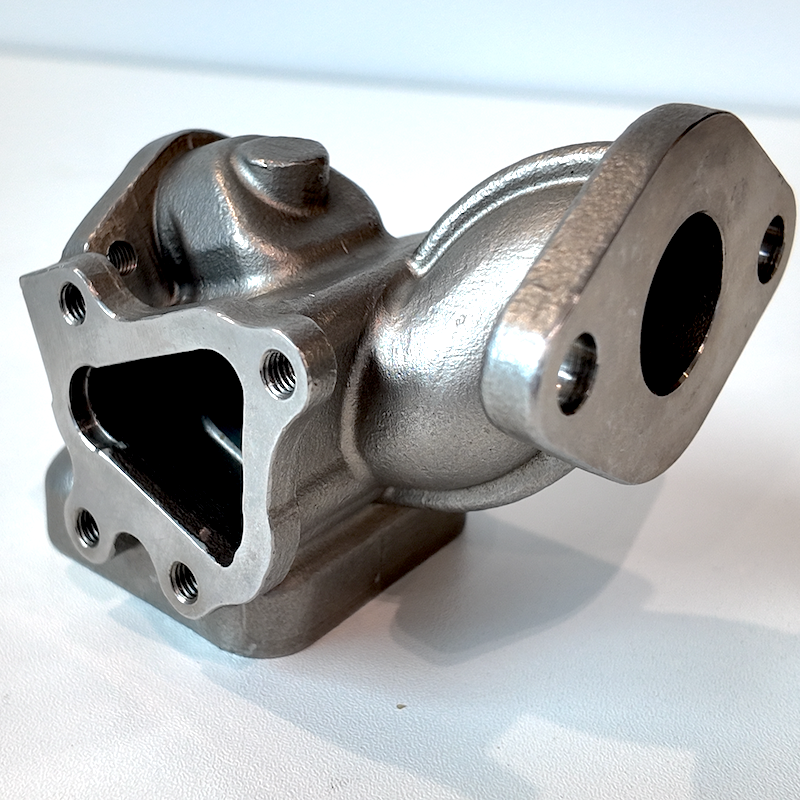
Premium Medical Equipment Structural Castings - Precision Components for Healthcare Technology

Get a Free Quote

Our representative will contact you soon.
Email
Name
Company Name
Message
0/1000

medical equipment structural castings

Medical equipment structural castings represent essential components that form the backbone of modern healthcare machinery and devices. These precision-engineered parts serve as foundational elements in diagnostic imaging systems, surgical instruments, patient monitoring devices, and therapeutic equipment used across hospitals, clinics, and medical facilities worldwide. Medical equipment structural castings are manufactured through sophisticated metal casting processes that transform molten alloys into intricate shapes designed to meet exacting specifications required by the healthcare industry. The primary functions of medical equipment structural castings include providing robust frameworks that support delicate electronic components, ensuring dimensional stability under continuous operational stress, and maintaining structural integrity throughout extended service lifecycles. These castings deliver critical load-bearing capabilities while accommodating complex geometries necessary for housing sensitive medical technology. Technological features distinguishing medical equipment structural castings encompass advanced metallurgical properties, superior surface finishes, and exceptional dimensional accuracy achieved through computer-aided design and manufacturing processes. Materials commonly utilized include aluminum alloys, stainless steel, titanium, and specialized medical-grade metals selected for their biocompatibility, corrosion resistance, and mechanical strength. The casting process itself involves precise temperature control, carefully managed cooling rates, and rigorous quality assurance protocols to eliminate porosity, inclusions, and other defects that could compromise performance. Applications for medical equipment structural castings span numerous healthcare domains, from housing components in MRI machines and CT scanners to structural elements in surgical tables, X-ray equipment, and radiation therapy devices. These castings enable manufacturers to produce lightweight yet durable frameworks that facilitate equipment mobility while maintaining the stability required for accurate diagnostic readings and safe patient treatment. The versatility of medical equipment structural castings allows designers to integrate mounting points, cable routing channels, and ventilation features directly into single-piece components, reducing assembly complexity and enhancing overall equipment reliability throughout demanding clinical environments.

New Product Recommendations

Medical equipment structural castings deliver substantial practical benefits that directly impact healthcare providers, equipment manufacturers, and ultimately patient care quality. First and foremost, these components provide exceptional cost efficiency by consolidating multiple fabricated parts into single-piece solutions, dramatically reducing assembly time, labor costs, and potential points of failure. Manufacturing facilities achieve significant economies of scale when producing medical equipment structural castings, as the casting process allows for high-volume production while maintaining consistent quality across every unit. This reliability translates to predictable performance in clinical settings where equipment downtime can have serious consequences for patient outcomes and operational efficiency. The design flexibility inherent in medical equipment structural castings enables engineers to create complex internal geometries, integrated reinforcement ribs, and precisely positioned mounting features that would be impossible or prohibitively expensive using traditional machining or welding techniques. This capability accelerates product development cycles, allowing medical device companies to bring innovative equipment to market faster while responding to evolving healthcare needs. Durability stands as another paramount advantage, as medical equipment structural castings withstand repeated sterilization cycles, exposure to cleaning chemicals, and continuous mechanical stress without degradation. The superior material properties achieved through controlled casting processes ensure long service lives, reducing replacement frequency and total cost of ownership for healthcare facilities operating under tight budget constraints. Weight optimization represents a practical benefit particularly valuable for mobile medical equipment and devices requiring frequent repositioning. Medical equipment structural castings achieve optimal strength-to-weight ratios through strategic material distribution and hollow-core designs, facilitating easier transport and manipulation by clinical staff while maintaining necessary structural performance. Environmental considerations also favor medical equipment structural castings, as the process generates less material waste compared to subtractive manufacturing methods, and many casting alloys offer excellent recyclability at end-of-life. Safety benefits emerge from the absence of welded joints that could potentially fail under stress, providing healthcare providers with confidence in equipment reliability during critical procedures. The smooth surfaces and rounded edges achievable with medical equipment structural castings minimize injury risks to both patients and medical personnel. Additionally, the electromagnetic compatibility of properly designed castings ensures they do not interfere with sensitive diagnostic equipment or create shielding issues in imaging environments. Maintenance advantages include simplified inspection procedures and straightforward replacement processes when components eventually require service, minimizing equipment downtime that disrupts clinical workflows and patient scheduling.

Practical Tips

Basic Principles Of Design Of Precision Casting Gating System

11

May

Basic Principles Of Design Of Precision Casting Gating System

View More
Selection And Application Scope Of Hardness Tester

11

May

Selection And Application Scope Of Hardness Tester

View More
Stainless Steel Castings for Architectural Posts

11

May

Stainless Steel Castings for Architectural Posts

View More
Precision Stainless Steel Exhaust Manifold Casting Solution For Luxury Sedan - With Japanese First-Tier Car Brand

11

May

Precision Stainless Steel Exhaust Manifold Casting Solution For Luxury Sedan - With Japanese First-Tier Car Brand

View More

Get a Free Quote

Our representative will contact you soon.
Email
Name
Company Name
Message
0/1000

medical equipment structural castings

Precision Engineering Meets Healthcare Standards

Precision Engineering Meets Healthcare Standards

Medical equipment structural castings exemplify the intersection of advanced manufacturing technology and stringent healthcare industry requirements, delivering components that meet or exceed the most demanding specifications for medical device applications. The precision engineering inherent in modern casting processes enables manufacturers to achieve tolerances measured in thousandths of an inch, ensuring perfect fitment with electronic components, optical systems, and mechanical assemblies housed within medical equipment. This dimensional accuracy proves critical when medical equipment structural castings must interface with sensors, imaging components, or patient-contact surfaces where even minor deviations could compromise diagnostic accuracy or treatment efficacy. The controlled metallurgical processes used to create medical equipment structural castings produce grain structures optimized for mechanical properties, fatigue resistance, and long-term stability under the thermal cycling and mechanical loads experienced in clinical environments. Quality assurance protocols governing medical equipment structural castings include non-destructive testing methods such as radiographic inspection, ultrasonic examination, and dye penetrant testing to verify internal soundness and surface integrity. These rigorous validation procedures ensure every casting delivered to medical device manufacturers meets documented specifications and regulatory requirements established by agencies governing medical equipment safety and performance. The traceability systems accompanying medical equipment structural castings provide complete documentation of material certifications, process parameters, and inspection results, creating an audit trail essential for regulatory compliance and quality management systems required in healthcare manufacturing. Surface finish capabilities distinguish medical equipment structural castings from standard industrial components, as medical applications often require smooth, cleanable surfaces that resist bacterial colonization and withstand repeated disinfection. Advanced finishing techniques applied to medical equipment structural castings include precision machining of critical surfaces, chemical passivation for corrosion resistance, and specialized coatings that enhance biocompatibility or provide aesthetic appeal matching equipment design requirements. The engineering support provided by experienced casting manufacturers helps medical equipment designers optimize component geometry for both functional performance and manufacturing efficiency, reducing development costs while accelerating time-to-market for new healthcare technologies.
Material Selection for Medical Environment Durability

Material Selection for Medical Environment Durability

The exceptional performance of medical equipment structural castings stems largely from careful material selection processes that match alloy properties to specific application requirements within demanding healthcare environments. Aluminum alloys frequently chosen for medical equipment structural castings offer outstanding strength-to-weight ratios, excellent corrosion resistance, and superior thermal conductivity that facilitates heat dissipation from electronic components housed within medical devices. These aluminum-based medical equipment structural castings provide electromagnetic shielding properties valuable in diagnostic imaging equipment while remaining lightweight enough for mobile carts, portable monitors, and equipment requiring frequent repositioning by clinical staff. Stainless steel variants of medical equipment structural castings deliver superior corrosion resistance essential for components exposed to bodily fluids, cleaning chemicals, and sterilization processes, while offering magnetic properties compatible with certain imaging modalities or deliberately selected for their non-magnetic characteristics when used near MRI equipment. The biocompatibility of materials used in medical equipment structural castings undergoes rigorous evaluation to ensure patient safety when components may come into direct or indirect contact with individuals during diagnostic or therapeutic procedures. Titanium alloys represent premium material choices for medical equipment structural castings requiring maximum strength combined with minimum weight, offering exceptional corrosion resistance and biocompatibility that justify their higher cost in critical applications. The thermal stability of properly selected materials for medical equipment structural castings ensures dimensional consistency across operating temperature ranges encountered in clinical settings, from refrigerated storage to elevated temperatures generated by power electronics or sterilization equipment. Fatigue resistance built into medical equipment structural castings through appropriate material selection and casting process control prevents crack initiation and propagation during millions of operational cycles, supporting reliability requirements for equipment that may operate continuously for years between maintenance intervals. Chemical resistance properties of medical equipment structural castings protect against degradation from disinfectants, cleaning agents, and environmental contaminants present in healthcare facilities, maintaining structural integrity and appearance throughout extended service periods. The machinability of casting alloys facilitates secondary operations needed to achieve final dimensions and surface finishes on medical equipment structural castings, while maintaining dimensional stability during and after machining processes. Recycling considerations influence material selection for medical equipment structural castings, as sustainability initiatives increasingly factor into healthcare equipment procurement decisions, and properly selected alloys retain value and recyclability at component end-of-life.
Streamlined Manufacturing and Supply Chain Integration

Streamlined Manufacturing and Supply Chain Integration

Medical equipment structural castings optimize manufacturing workflows and supply chain management for healthcare equipment producers, delivering components that integrate seamlessly into production processes while reducing complexity and lead times. The consolidation capability of medical equipment structural castings eliminates multiple fabrication steps, welding operations, and assembly procedures that would otherwise be necessary to create equivalent structures from standard stock materials, directly reducing manufacturing costs and accelerating production schedules. Tooling investments for medical equipment structural castings provide long-term value through thousands of production cycles, amortizing initial development costs across large production volumes while maintaining consistent component quality that meets medical device regulatory requirements. The scalability of casting processes accommodates production volume fluctuations common in medical equipment manufacturing, from prototype quantities during development phases through high-volume production runs serving global markets, all while maintaining quality standards and dimensional consistency. Just-in-time delivery capabilities from established casting suppliers reduce inventory carrying costs for medical equipment manufacturers, freeing working capital and warehouse space while ensuring component availability aligned with production schedules. The global supply base for medical equipment structural castings provides sourcing flexibility and risk mitigation, allowing equipment manufacturers to qualify multiple suppliers across different geographic regions, ensuring business continuity even during supply chain disruptions. Quality management systems at specialized casting foundries align with medical device industry standards, facilitating smooth integration with customer quality systems and simplifying regulatory audits required for medical equipment certification. Engineering collaboration between casting suppliers and medical equipment designers optimizes component designs for manufacturability, identifying opportunities to reduce costs, improve performance, or accelerate development timelines through design modifications that leverage casting process capabilities. Rapid prototyping technologies available through modern foundries enable medical equipment developers to evaluate physical samples of structural castings early in development cycles, validating fit, function, and performance before committing to production tooling investments. The technical expertise concentrated in foundries specializing in medical equipment structural castings provides valuable consulting resources for equipment manufacturers, offering materials guidance, process recommendations, and design optimization suggestions that enhance product competitiveness. Supply chain transparency and ethical sourcing considerations increasingly important in healthcare procurement find support through casting suppliers who document material origins, labor practices, and environmental compliance throughout their operations, meeting corporate responsibility expectations of medical equipment manufacturers and healthcare providers.

Get a Free Quote

Our representative will contact you soon.
Email
Name
Company Name
Message
0/1000