medical equipment structural castings
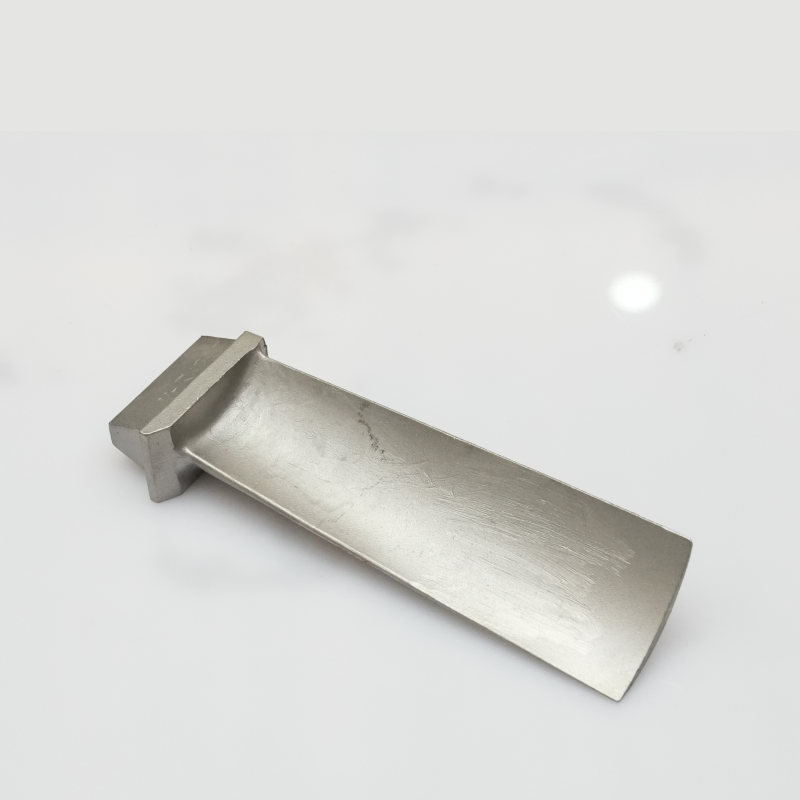
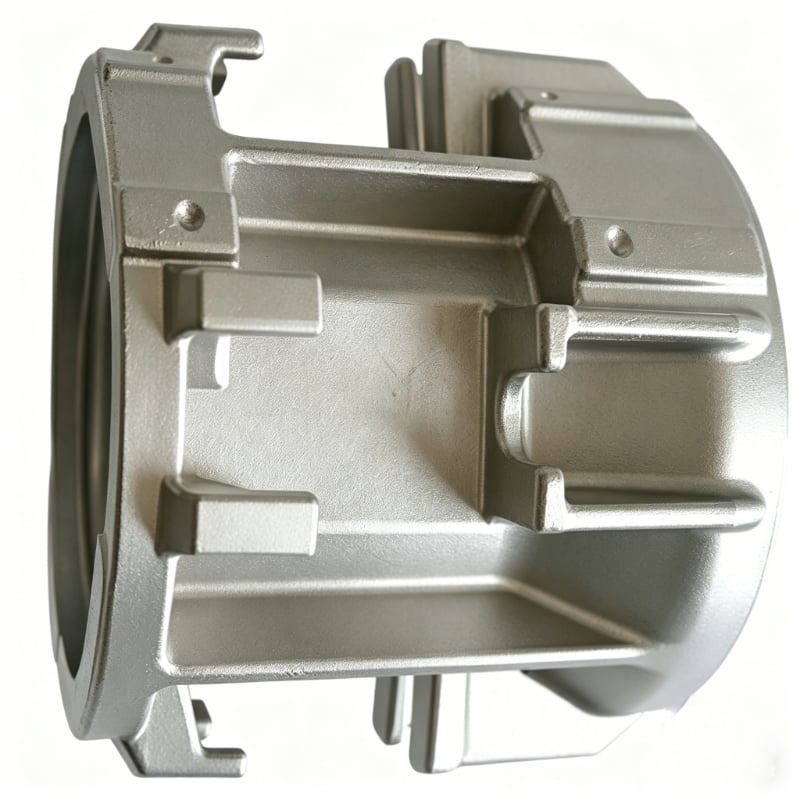
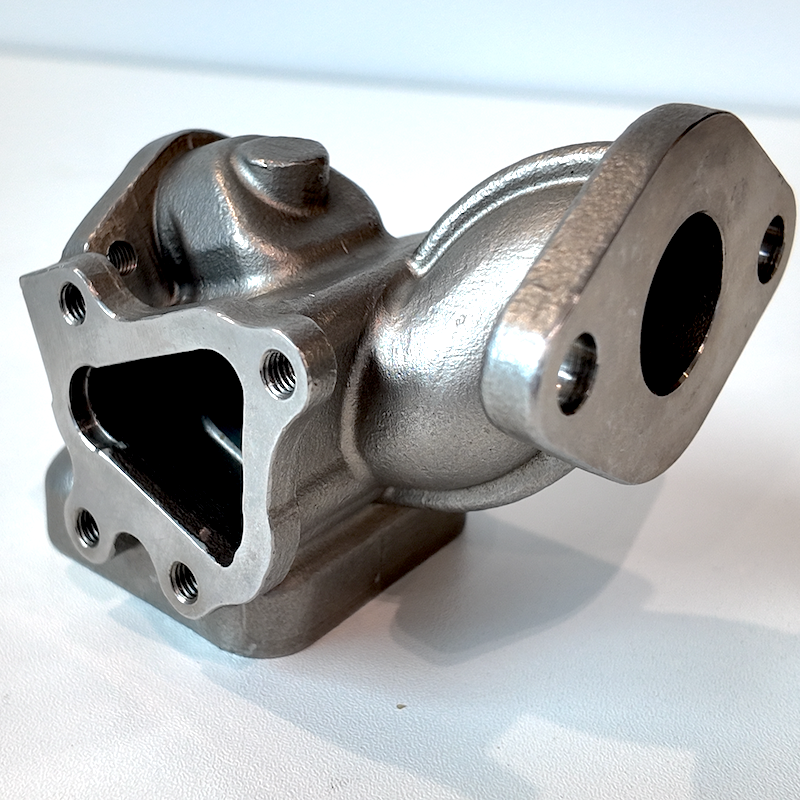
Medical equipment structural castings represent precision-engineered metal components that form the foundational framework for various healthcare devices and diagnostic systems. These specialized castings serve as the backbone infrastructure for equipment ranging from imaging machines to surgical tables, providing essential structural integrity and dimensional accuracy. The primary function of medical equipment structural castings centers on delivering robust support while maintaining exact specifications required for medical-grade apparatus. Manufactured through advanced casting processes including investment casting, sand casting, and die casting methods, these components ensure that medical devices operate reliably under demanding clinical conditions. The technological features of medical equipment structural castings incorporate superior metallurgical properties, exceptional surface finish quality, and precise dimensional tolerances that meet stringent medical industry standards. Engineers design these castings using biocompatible materials such as stainless steel, aluminum alloys, and specialized titanium compounds that resist corrosion and withstand repeated sterilization cycles. Applications for medical equipment structural castings span numerous healthcare sectors, including diagnostic imaging equipment housings, operating table base structures, patient monitoring system frames, radiation therapy machine components, and laboratory analysis device frameworks. The versatility of medical equipment structural castings enables manufacturers to create complex geometries that would be impossible or economically unfeasible through traditional machining processes. These castings undergo rigorous quality control protocols including non-destructive testing, dimensional verification, and material certification to guarantee compliance with FDA regulations and international medical device standards. The production of medical equipment structural castings combines traditional foundry expertise with modern computer-aided design technology, allowing engineers to optimize weight distribution, enhance load-bearing capacity, and reduce overall component costs while maintaining uncompromising quality standards essential for patient safety and equipment longevity in critical healthcare environments.

 EN
EN