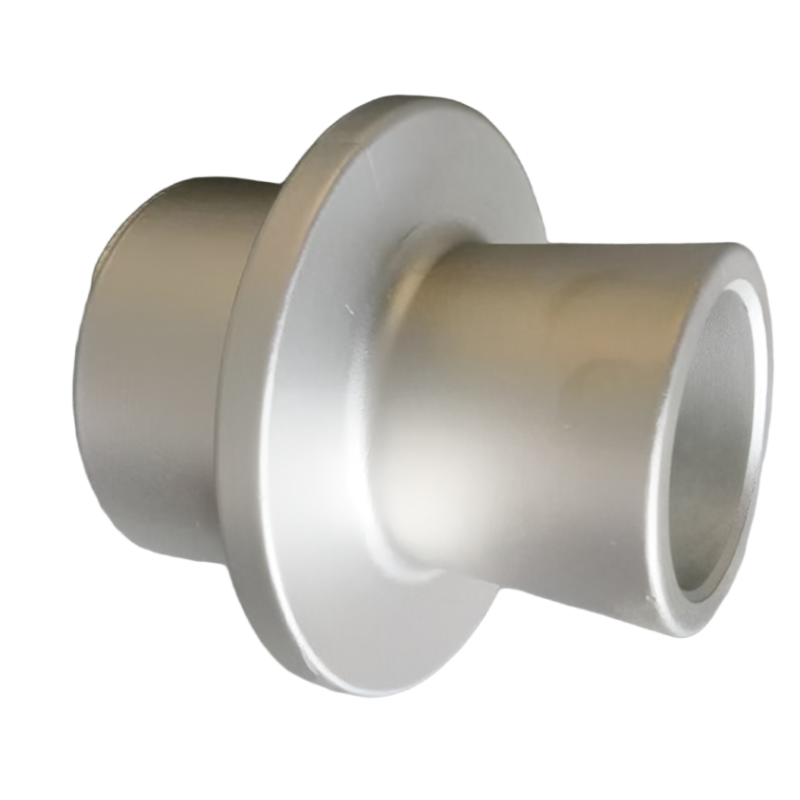
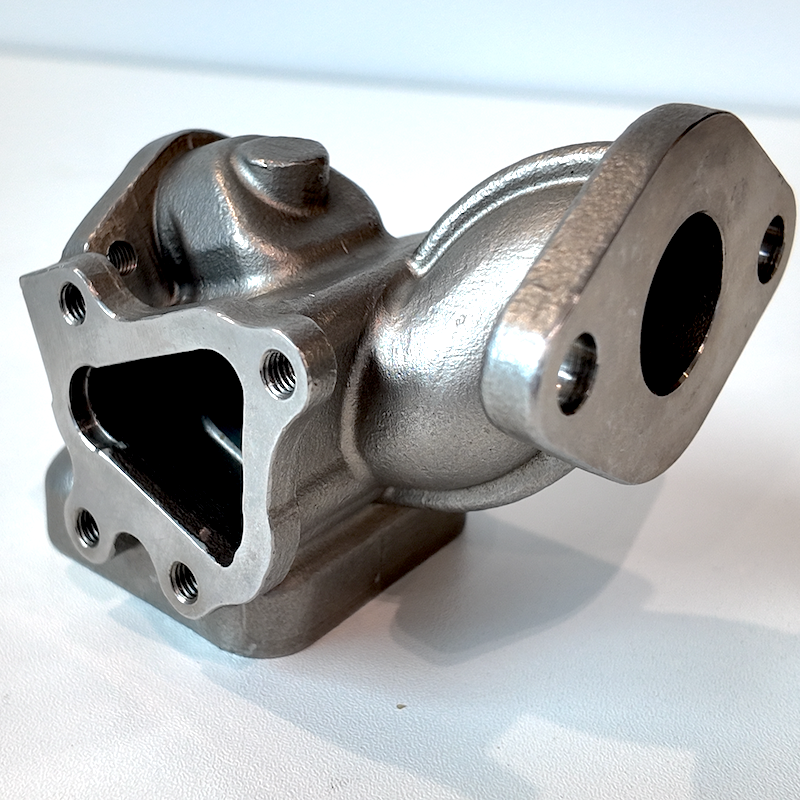
Premium Medical Machinery Part Manufacturing Services - Precision Components for Healthcare Devices

Get a Free Quote

Our representative will contact you soon.
Email
Name
Mobile
Company Name
Message
0/1000

medical machinery part manufacturing

Medical machinery part manufacturing represents a specialized sector within the healthcare equipment industry that focuses on producing precision components essential for diagnostic, therapeutic, and surgical devices. This sophisticated manufacturing process combines advanced engineering principles with strict quality standards to create parts that meet the demanding requirements of medical applications. The main functions of medical machinery part manufacturing include producing components such as surgical instrument handles, imaging equipment housings, patient monitoring device parts, dialysis machine components, and robotic surgery system elements. These manufactured parts must exhibit exceptional reliability, biocompatibility, and precision to ensure patient safety and optimal device performance. Technological features defining modern medical machinery part manufacturing include computer numerical control machining, additive manufacturing techniques, laser cutting technologies, and precision molding processes. Manufacturers employ state-of-the-art quality control systems including coordinate measuring machines, optical inspection equipment, and material testing protocols to verify that every component meets stringent medical industry standards such as ISO 13485 and FDA regulations. The applications of medical machinery part manufacturing span across numerous healthcare domains including operating room equipment, intensive care units, rehabilitation devices, dental equipment, laboratory instruments, and home healthcare products. These manufactured components enable life-saving treatments, accurate diagnoses, and improved patient outcomes across global healthcare systems. The manufacturing process incorporates cleanroom environments, sterilizable materials, and traceability systems to ensure compliance with medical device regulations. Advanced materials used in medical machinery part manufacturing include medical-grade stainless steel, titanium alloys, biocompatible polymers, ceramics, and specialized composites that offer durability, corrosion resistance, and compatibility with human tissue. As medical technology continues to evolve with innovations in minimally invasive procedures, telemedicine, and personalized medicine, the role of precision medical machinery part manufacturing becomes increasingly critical in supporting these advancements and improving healthcare delivery worldwide.

New Product Recommendations

Medical machinery part manufacturing delivers substantial benefits that directly impact healthcare providers, medical device companies, and ultimately patient care quality. First, precision manufacturing ensures components function reliably under critical conditions, reducing device failures during procedures and extending equipment lifespan, which translates to lower replacement costs and better resource allocation for hospitals. The manufacturing processes employ rigorous quality control measures that catch defects before parts reach assembly lines, preventing costly recalls and protecting brand reputation for medical device manufacturers. Companies benefit from faster time-to-market when partnering with experienced medical machinery part manufacturing specialists who understand regulatory requirements and can navigate approval processes efficiently. Cost efficiency represents another significant advantage as specialized manufacturers achieve economies of scale through dedicated production lines, reducing per-unit costs while maintaining quality standards that individual medical device companies would struggle to achieve independently. Customization capabilities allow medical equipment designers to create innovative solutions tailored to specific clinical needs without investing in manufacturing infrastructure, enabling smaller companies to compete with established industry players. Medical machinery part manufacturing supports supply chain reliability through established quality management systems, validated processes, and backup production capabilities that ensure consistent component availability even during disruptions. The manufacturing expertise includes material selection guidance that helps device developers choose optimal materials balancing performance requirements, biocompatibility needs, and cost considerations for each specific application. Advanced manufacturing technologies employed in medical machinery part manufacturing enable production of increasingly complex geometries that support miniaturization trends in medical devices, making procedures less invasive and recovery times shorter for patients. Traceability systems built into manufacturing processes provide complete documentation of material origins, production parameters, and quality test results for every component, simplifying regulatory audits and facilitating problem resolution if issues arise. Environmental benefits emerge from efficient manufacturing processes that minimize material waste, reduce energy consumption, and incorporate recyclable materials where appropriate, aligning with healthcare sustainability goals. Scalability advantages allow medical device companies to start with small production volumes during clinical trials and market testing, then rapidly increase output as demand grows without searching for new manufacturing partners or compromising quality. Partnership with established medical machinery part manufacturing providers gives companies access to engineering expertise that can optimize designs for manufacturability, reducing production costs and improving component performance through collaborative development processes.

Latest News

How Does a Precision Investment Casting Manufacturer Ensure Consistent Quality Across Global Supply Chains?

05

Jun

How Does a Precision Investment Casting Manufacturer Ensure Consistent Quality Across Global Supply Chains?

In today's interconnected industrial landscape, sourcing complex metal components across international borders presents a formidable quality challenge. the manufacturer must navigate an intricate web of raw material sourcing, multi-stage production c...
View More
What Factors Affect Surface Finish Quality in Medium Temperature Wax Casting Processes?

05

Jun

What Factors Affect Surface Finish Quality in Medium Temperature Wax Casting Processes?

Surface finish quality is one of the most critical performance indicators in precision investment casting, and it is directly shaped by the variables embedded in the medium temperature wax casting process. Unlike standard casting methods, medium temp...
View More
What Should Global Buyers Expect from OEM ODM Precision Casting Services Suppliers?

05

Jun

What Should Global Buyers Expect from OEM ODM Precision Casting Services Suppliers?

For global buyers sourcing complex metal components, selecting a reliable partner for oem odm precision casting services is one of the most consequential procurement decisions in a production cycle. The stakes are high: dimensional inaccuracies, inco...
View More
Why Are Stainless Steel Investment Castings Preferred for Corrosion Resistant Applications?

26

Jun

Why Are Stainless Steel Investment Castings Preferred for Corrosion Resistant Applications?

In demanding industrial environments where moisture, chemicals, and extreme temperatures are constant threats, material selection is one of the most critical engineering decisions a manufacturer can make. Among the available manufacturing methods, st...
View More

Get a Free Quote

Our representative will contact you soon.
Email
Name
Mobile
Company Name
Message
0/1000

medical machinery part manufacturing

Uncompromising Precision and Quality Standards

Uncompromising Precision and Quality Standards

Medical machinery part manufacturing distinguishes itself through extraordinary attention to precision and adherence to quality standards that far exceed those in general manufacturing sectors. Every component produced undergoes multiple verification stages using advanced metrology equipment capable of measuring tolerances within microns, ensuring perfect fit and function in critical medical applications. This precision matters tremendously because medical devices often operate in life-or-death situations where component failure simply cannot occur. Manufacturing facilities maintain ISO 13485 certification, demonstrating systematic approaches to quality management specifically designed for medical device production. Beyond certifications, manufacturers implement comprehensive quality control protocols including first-article inspections, in-process monitoring, and final verification testing that examine dimensional accuracy, surface finish, material properties, and functional characteristics. Statistical process control methods track production variations in real-time, allowing immediate corrections before defects occur rather than discovering problems after production runs complete. Material traceability systems record the origin, composition, and certification of every raw material batch used in production, creating complete documentation chains required for regulatory compliance and enabling rapid response if material issues emerge. Clean room environments prevent contamination during manufacturing of components that contact patients or sensitive device internals, meeting cleanliness classifications appropriate for specific applications. Surface treatment processes such as passivation, electropolishing, and specialized coatings enhance corrosion resistance and biocompatibility while creating surfaces that resist bacterial adhesion, contributing to infection prevention in clinical settings. Validation protocols demonstrate that manufacturing processes consistently produce parts meeting all specifications, with documented evidence supporting regulatory submissions and customer audits. Calibration programs ensure all measurement equipment maintains accuracy through regular verification against traceable standards, eliminating measurement uncertainty as a quality variable. Non-destructive testing methods including ultrasonic inspection, radiography, and dye penetrant examination detect internal defects or surface flaws without damaging components, providing quality assurance while preserving valuable parts. The commitment to precision and quality in medical machinery part manufacturing ultimately protects patients, preserves device manufacturer reputations, and supports the advancement of medical technology by providing reliable components that perform exactly as designed throughout their service lives.
Advanced Manufacturing Technologies and Innovation

Advanced Manufacturing Technologies and Innovation

Medical machinery part manufacturing leverages cutting-edge technologies that push the boundaries of what components can achieve in medical applications. Computer numerical control machining centers with five-axis capabilities produce complex geometries impossible with traditional manufacturing methods, enabling innovative device designs that improve clinical outcomes through better ergonomics, reduced invasiveness, and enhanced functionality. Additive manufacturing technologies including selective laser sintering, direct metal laser sintering, and stereolithography allow rapid prototyping and production of customized components with internal features, lattice structures, and organic shapes optimized for specific patient anatomies or unique functional requirements. Swiss-type turning machines create small-diameter components with exceptional precision, supporting the miniaturization trend in medical devices that enables less traumatic procedures and faster patient recovery times. Laser cutting and welding systems provide clean, precise material joining and shaping without heat-affected zones that compromise material properties, particularly important for thin-walled components and heat-sensitive materials used in medical applications. Injection molding technologies with cleanroom capabilities produce complex polymer components in high volumes while maintaining the contamination control essential for medical device parts, combining economy with quality for disposable and reusable device elements. Micro-machining capabilities enable production of features measured in tens of microns, supporting development of minimally invasive surgical instruments, microfluidic devices, and precision drug delivery systems that represent the future of personalized medicine. Automation and robotics integration reduces human handling of components, minimizing contamination risks while improving consistency and throughput, allowing manufacturers to meet growing demand for medical devices as global healthcare access expands. Digital manufacturing systems create complete process documentation automatically, supporting traceability requirements while enabling continuous improvement through data analysis that identifies optimization opportunities. Hybrid manufacturing approaches combining subtractive and additive processes in single setups expand design possibilities while reducing production time and costs for complex components previously requiring multiple operations and setups. Investment in advanced manufacturing technologies by medical machinery part manufacturing specialists allows medical device companies to focus resources on innovation, clinical research, and market development rather than manufacturing infrastructure, accelerating the pace of medical technology advancement that benefits patients worldwide through better diagnostic capabilities, more effective treatments, and improved quality of life.
Regulatory Compliance and Documentation Excellence

Regulatory Compliance and Documentation Excellence

Medical machinery part manufacturing operates within one of the most heavily regulated industries, and specialized manufacturers provide invaluable expertise navigating complex regulatory landscapes across multiple jurisdictions. Understanding requirements from regulatory bodies including the FDA, European Medicines Agency, and other international authorities ensures components meet legal requirements for medical device applications in target markets. Manufacturers maintain design history files, device master records, and design control documentation that demonstrate systematic approaches to component development, providing evidence required during regulatory submissions and inspections. Material certifications and biocompatibility testing documentation verify that components will not cause adverse reactions when contacting patients, including cytotoxicity testing, sensitization studies, and implantation testing appropriate for intended applications and contact durations. Process validations demonstrate manufacturing methods consistently produce components meeting specifications, with installation qualification, operational qualification, and performance qualification protocols providing objective evidence that equipment and processes perform reliably. Change control procedures ensure modifications to designs, materials, or processes undergo appropriate review, approval, and documentation before implementation, preventing unintended consequences while maintaining regulatory compliance throughout product lifecycles. Supplier qualification programs verify that material providers and subcontractors meet quality standards, with audits and performance monitoring ensuring continued compliance and reducing supply chain risks. Complaint handling and corrective action systems address issues systematically when they occur, implementing root cause analysis and preventive measures that improve quality while demonstrating responsible management to regulators. Internal audit programs identify compliance gaps before regulatory inspections, allowing proactive corrections that maintain certifications and avoid costly production interruptions. Training documentation demonstrates personnel competency in specialized manufacturing processes, quality procedures, and regulatory requirements, ensuring human factors support rather than compromise compliance efforts. Risk management processes identify potential failure modes and implement controls reducing risks to acceptable levels, with documentation supporting regulatory assertions that devices are safe and effective for intended uses. Electronic quality management systems organize vast documentation requirements efficiently, facilitating retrieval during audits while enabling trend analysis that drives continuous improvement. The regulatory compliance expertise embedded in medical machinery part manufacturing organizations represents years of accumulated knowledge and experience that would take individual medical device companies considerable time and resources to develop independently, making partnership with specialized manufacturers a strategic advantage in competitive medical device markets where regulatory approval timing significantly impacts commercial success and patient access to innovative treatments.

Get a Free Quote

Our representative will contact you soon.
Email
Name
Mobile
Company Name
Message
0/1000