Medical Grade Investment Casting: Precision Manufacturing Solutions for Healthcare Devices

Get a Free Quote

Our representative will contact you soon.
Email
Name
Company Name
Message
0/1000

medical grade investment casting

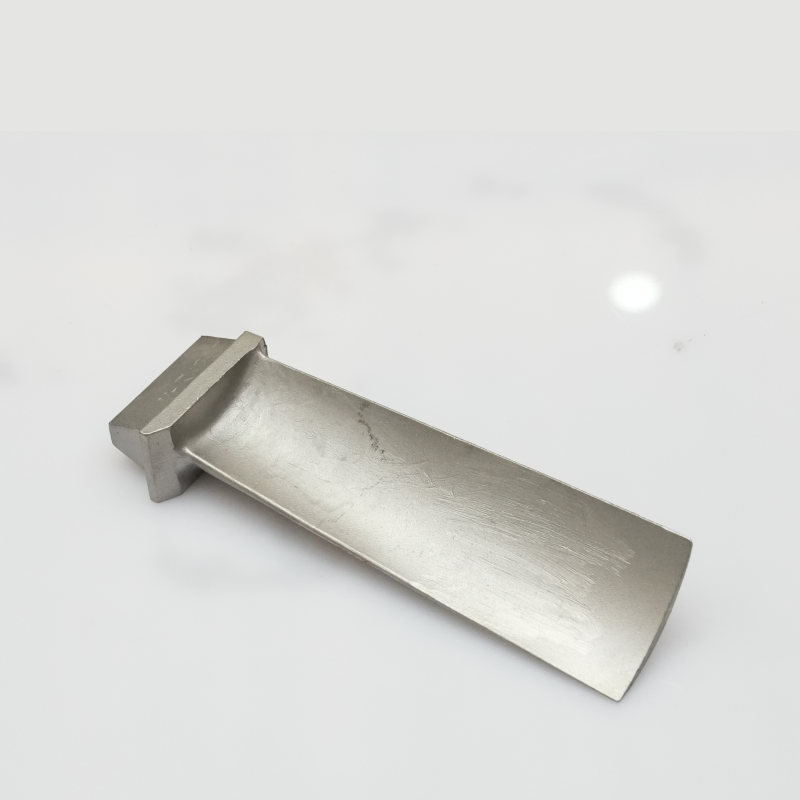
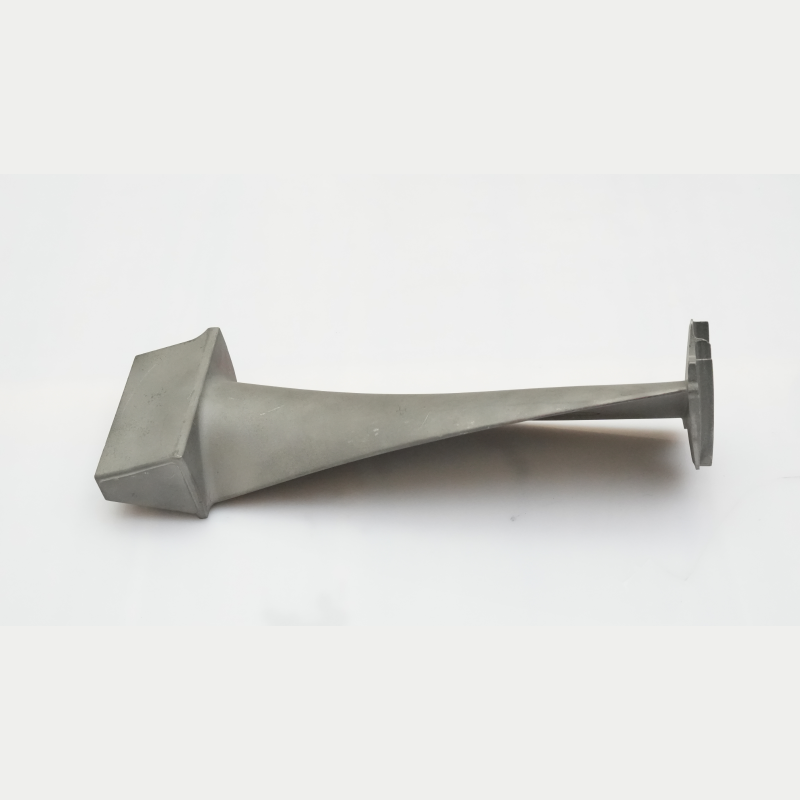
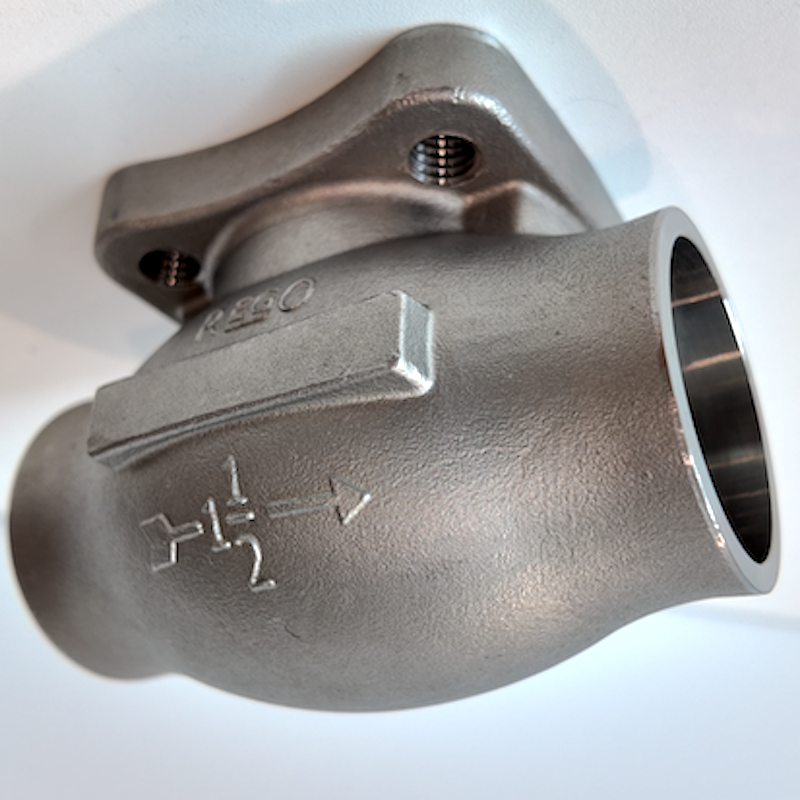
Medical grade investment casting represents a precision manufacturing process that has revolutionized the production of critical healthcare components and surgical instruments. This sophisticated technique involves creating intricate metal parts by forming a ceramic mold around a wax pattern, which is then melted away and replaced with molten metal alloys specifically approved for medical applications. The medical grade investment casting process delivers exceptional dimensional accuracy, producing components with tolerances as tight as plus or minus 0.005 inches, making it ideal for manufacturing surgical tools, orthopedic implants, dental instruments, and diagnostic equipment parts. The technology utilizes biocompatible materials such as stainless steel, titanium alloys, cobalt-chromium alloys, and other specialized metals that meet stringent FDA regulations and ISO standards for medical devices. One of the main functions of medical grade investment casting is to produce complex geometrical shapes that would be extremely difficult or impossible to achieve through traditional machining methods. This includes hollow structures, internal passages, undercuts, and thin walls that are essential for modern medical devices. The process begins with creating a master pattern, typically made from wax or similar materials, which is then coated with multiple layers of ceramic slurry to form a robust shell mold. After the pattern material is removed through heating, the resulting cavity perfectly replicates the desired component shape. Molten medical-grade metal is poured into this cavity, solidifies, and the ceramic shell is broken away to reveal the finished casting. This manufacturing approach supports the production of both prototype quantities and high-volume runs, offering flexibility for medical device manufacturers at various stages of product development and commercialization. The technological features include excellent surface finish quality, minimal post-processing requirements, and the ability to cast multiple components simultaneously in a single production cycle, enhancing manufacturing efficiency while maintaining the highest standards of quality and sterility required in healthcare applications.

New Product Releases

Medical grade investment casting offers numerous practical benefits that directly impact the bottom line for medical device manufacturers and healthcare providers. First and foremost, this manufacturing method significantly reduces material waste compared to traditional machining processes. While conventional subtractive manufacturing may waste up to seventy percent of raw material through cutting and drilling, investment casting achieves near-net-shape production, meaning parts come out of the mold already very close to their final dimensions. This efficiency translates into substantial cost savings, especially when working with expensive biocompatible metals like titanium and specialty alloys. The precision inherent in medical grade investment casting eliminates the need for extensive secondary operations, reducing labor costs and production time. Manufacturers can produce complex surgical instruments with integrated features in a single casting, rather than assembling multiple machined parts, which improves structural integrity and reduces potential failure points. The process delivers consistent repeatability across production runs, ensuring every component meets exact specifications without variation. This reliability is crucial in medical applications where device performance can directly impact patient outcomes. Another significant advantage is the superior surface finish quality that investment casting naturally produces. Components emerge with smooth surfaces that minimize bacterial adhesion and simplify sterilization protocols, addressing critical concerns in surgical and implantable devices. The method accommodates design flexibility that empowers engineers to optimize product performance without being constrained by manufacturing limitations. Thin walls, intricate internal channels for fluid flow, and complex organic shapes that mimic anatomical structures can all be successfully cast. This design freedom enables innovation in medical device development, allowing companies to differentiate their products in competitive markets. Medical grade investment casting also supports faster time-to-market for new devices. Once tooling is developed, production can scale quickly to meet demand without requiring extensive retooling or process adjustments. The ability to produce functional prototypes using the same materials and processes as final production parts allows for more accurate testing and validation during development phases. Quality assurance is enhanced through the process inherent characteristics, as the ceramic mold creates a controlled environment that produces consistent metallurgical properties throughout each component. Parts exhibit uniform grain structure and mechanical properties that meet rigorous medical standards. For healthcare facilities and surgical teams, devices manufactured through investment casting offer reliable performance, reduced maintenance requirements, and longer service life. The combination of precision, material efficiency, design versatility, and quality consistency makes medical grade investment casting an economically and technically superior choice for producing critical healthcare components that must perform flawlessly in demanding clinical environments.

Practical Tips

The Role Of Elements In Castings And The Order Of Addition

11

May

The Role Of Elements In Castings And The Order Of Addition

View More
Stainless Steel Castings for Architectural Posts

11

May

Stainless Steel Castings for Architectural Posts

View More
Stainless Steel Castings for Building Facade Systems

11

May

Stainless Steel Castings for Building Facade Systems

View More
Precision Stainless Steel Exhaust Manifold Casting Solution For Luxury Sedan - With Japanese First-Tier Car Brand

11

May

Precision Stainless Steel Exhaust Manifold Casting Solution For Luxury Sedan - With Japanese First-Tier Car Brand

View More

Get a Free Quote

Our representative will contact you soon.
Email
Name
Company Name
Message
0/1000

medical grade investment casting

Unmatched Precision for Critical Medical Applications

Unmatched Precision for Critical Medical Applications

The exceptional dimensional accuracy achieved through medical grade investment casting sets this manufacturing process apart as the premier choice for producing critical healthcare components where precision is non-negotiable. Medical devices and surgical instruments must meet exacting specifications to function properly and safely within the human body or during delicate procedures. Investment casting routinely achieves tolerances of plus or minus 0.005 inches, with some specialized applications reaching even tighter specifications. This level of precision eliminates the variability that can occur with other manufacturing methods, ensuring consistent performance across every device produced. For orthopedic implants such as hip and knee replacements, precise dimensions are essential for proper fit and long-term stability within the patient's anatomy. Even minor deviations can lead to improper load distribution, accelerated wear, or device failure. Medical grade investment casting produces these complex three-dimensional shapes with the accuracy required for successful surgical outcomes. Surgical instruments benefit equally from this precision manufacturing approach. Forceps, clamps, retractors, and specialized tools must operate with exact movements and closures. The investment casting process creates components with consistent wall thicknesses, uniform surfaces, and precise mating features that ensure instruments perform reliably during procedures where surgeon confidence is paramount. Dental applications represent another area where precision proves invaluable. Crowns, bridges, and orthodontic brackets produced through investment casting fit accurately, reducing adjustment time and improving patient comfort. The process accommodates the complex contours and fine details characteristic of dental anatomy. Beyond dimensional accuracy, medical grade investment casting delivers precise control over material properties. The controlled cooling environment and consistent metallurgical processes produce parts with uniform grain structure and predictable mechanical characteristics. This consistency ensures that every component exhibits the same strength, fatigue resistance, and biocompatibility as tested prototypes and approved samples. For regulatory compliance, this precision is essential. Medical devices must demonstrate consistent performance through rigorous testing and documentation. Investment casting's inherent repeatability simplifies validation processes and supports successful FDA submissions and international certifications. The precision advantage extends to production economics as well. Parts that consistently meet specifications reduce rejection rates, minimize costly rework, and decrease quality control expenses. Manufacturers can confidently scale production knowing that quality will remain constant from the first component to the ten-thousandth, providing peace of mind for both producers and healthcare professionals who depend on these critical devices.
Superior Biocompatibility Through Advanced Material Selection

Superior Biocompatibility Through Advanced Material Selection

Medical grade investment casting excels in its ability to work with the most advanced biocompatible materials specifically engineered for healthcare applications, ensuring patient safety and optimal device performance. The process accommodates a wide range of specialized alloys that have been rigorously tested and approved for contact with human tissue and bodily fluids. Stainless steel grades such as 316L and 17-4PH offer excellent corrosion resistance and mechanical strength for surgical instruments and temporary implants. These materials maintain their integrity through repeated sterilization cycles and exposure to bodily fluids without degrading or leaching harmful substances. Titanium and titanium alloys, including Ti-6Al-4V, represent the gold standard for permanent implants due to their exceptional biocompatibility, strength-to-weight ratio, and osseointegration properties that allow bone to grow directly onto the implant surface. Investment casting successfully produces complex titanium components that would be prohibitively expensive or technically impossible to machine from solid stock. The process melts and solidifies these challenging materials in controlled environments that preserve their beneficial properties while forming intricate shapes. Cobalt-chromium alloys provide outstanding wear resistance and strength for joint replacement components, dental prosthetics, and cardiovascular devices. Medical grade investment casting creates parts from these materials with the precise surface finishes and dimensional accuracy required for articulating surfaces in artificial joints where any imperfection could lead to accelerated wear and premature failure. The casting process itself contributes to biocompatibility by producing components with minimal surface defects, reducing sites where bacteria could colonize or where corrosion might initiate. The smooth surfaces characteristic of investment castings are easier to clean and sterilize, supporting infection control protocols in surgical settings. Material traceability represents another critical advantage for medical applications. Each batch of medical-grade metal used in investment casting comes with certified chemical composition analysis and mechanical property documentation. This traceability extends through the manufacturing process, allowing every finished component to be linked back to its source materials, supporting regulatory requirements and quality management systems. For implantable devices, the ability to cast custom alloy formulations enables manufacturers to optimize material properties for specific applications. Whether prioritizing flexibility for cardiovascular stents, hardness for cutting instruments, or radiopacity for visibility under imaging, investment casting accommodates these specialized requirements. The process also supports surface modification techniques that enhance biocompatibility. Cast components can undergo additional treatments such as passivation, coating application, or surface texturing to further improve their interaction with biological tissues. This versatility in material selection and processing makes medical grade investment casting the preferred manufacturing method for devices where biocompatibility, longevity, and patient safety are paramount concerns that cannot be compromised.
Cost-Effective Production for Complex Medical Device Geometries

Cost-Effective Production for Complex Medical Device Geometries

Medical grade investment casting delivers exceptional economic value when producing complex geometrical shapes that characterize modern medical devices, offering significant cost advantages over alternative manufacturing methods while maintaining uncompromising quality standards. The process inherently supports design complexity without proportionally increasing production costs, unlike machining operations where each additional feature requires more cutting time, tool changes, and setup adjustments. Medical devices frequently incorporate sophisticated geometries including hollow sections, internal passages for fluid or air flow, undercuts that facilitate tissue integration, and organic contours that match anatomical structures. Traditional machining approaches struggle with these features, often requiring multiple operations, specialized fixtures, and extensive programming. Investment casting produces these complex shapes in a single manufacturing step, dramatically reducing labor costs and production time. Consider spinal implants with porous structures that encourage bone growth, or surgical instruments with internal cooling channels. These designs would require extensive machining, drilling, and assembly if produced conventionally, with each operation adding cost and potential quality issues. Medical grade investment casting creates these features as integral parts of the component during the casting process itself, eliminating assembly requirements and the potential failure points associated with joints and welds. The economic advantages extend to tooling and setup costs as well. While investment casting requires initial pattern development, these costs are quickly amortized across production runs. The same tooling produces consistent parts whether manufacturing hundreds or thousands of units, providing economies of scale that benefit both established products and new device introductions. Material utilization represents another significant economic factor. Medical-grade metals such as titanium and specialty alloys command premium prices, making material waste expensive. Investment casting achieves material utilization rates exceeding ninety percent, compared to fifty percent or less for machining operations. This efficiency reduces raw material costs substantially, improving profitability while supporting environmental sustainability goals. The near-net-shape characteristic of medical grade investment casting minimizes secondary processing requirements, further reducing manufacturing costs. Parts emerge from the casting process already close to final dimensions, requiring only minor finishing operations such as light grinding or polishing rather than extensive machining. This reduces production time, decreases tool wear and replacement costs, and minimizes the skilled labor hours required per component. For medical device manufacturers managing multiple product lines with varying demand levels, investment casting offers production flexibility without major capital investment. The process scales effectively from prototype quantities through high-volume production using the same basic equipment and procedures, allowing manufacturers to respond quickly to market opportunities without committing to expensive dedicated machinery. Quality-related costs decrease as well due to the process inherent consistency. Reduced variation means fewer rejected parts, less rework, and simplified quality control procedures. The reliable repeatability of investment casting supports lean manufacturing principles and just-in-time inventory management, reducing carrying costs and improving cash flow. These combined economic benefits make medical grade investment casting the financially prudent choice for producing the complex, high-precision components that modern medical devices require, delivering value throughout the product lifecycle from development through full-scale production.

Get a Free Quote

Our representative will contact you soon.
Email
Name
Company Name
Message
0/1000