Premium Healthcare Equipment Metal Parts - Medical Grade Components for Safety and Precision

Get a Free Quote

Our representative will contact you soon.
Email
Name
Company Name
Message
0/1000

healthcare equipment metal parts

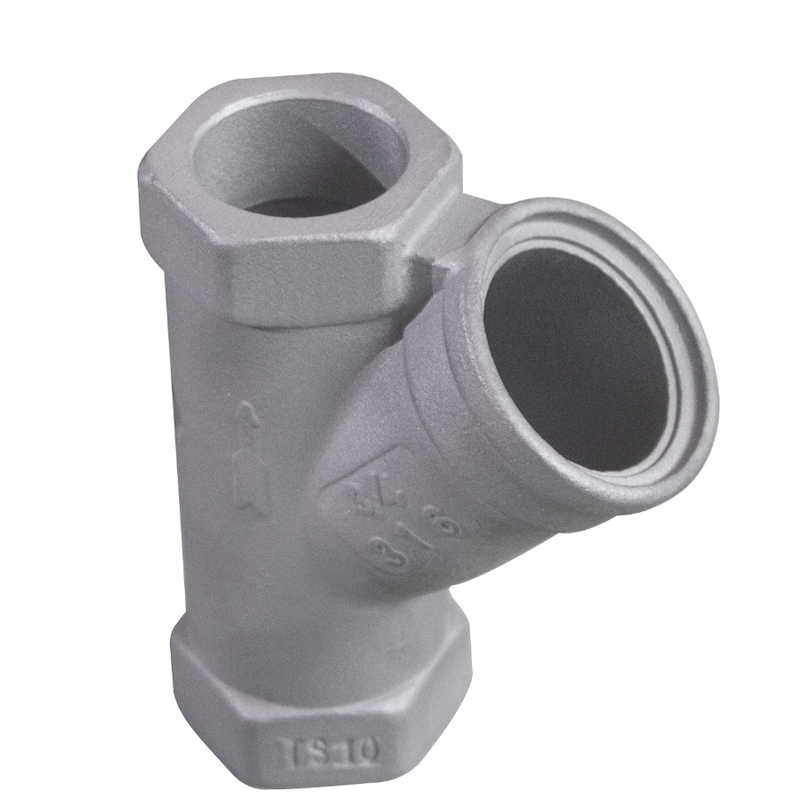
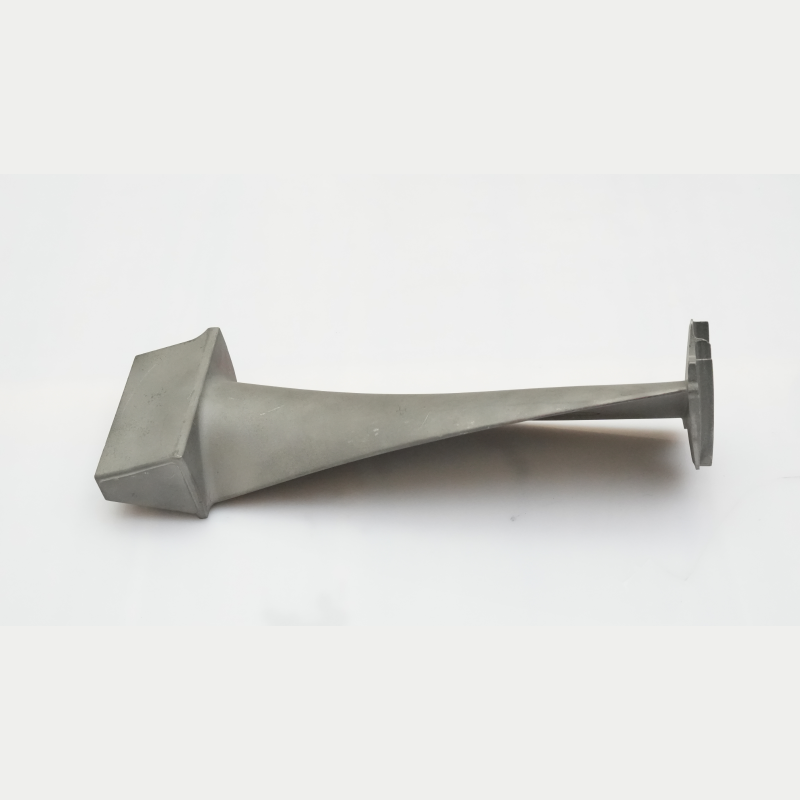
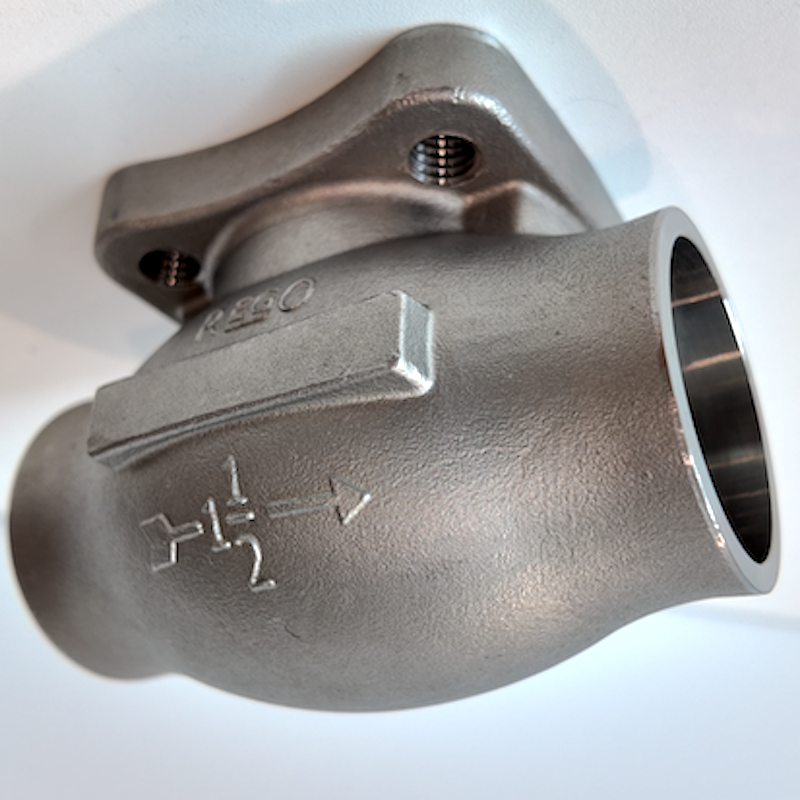
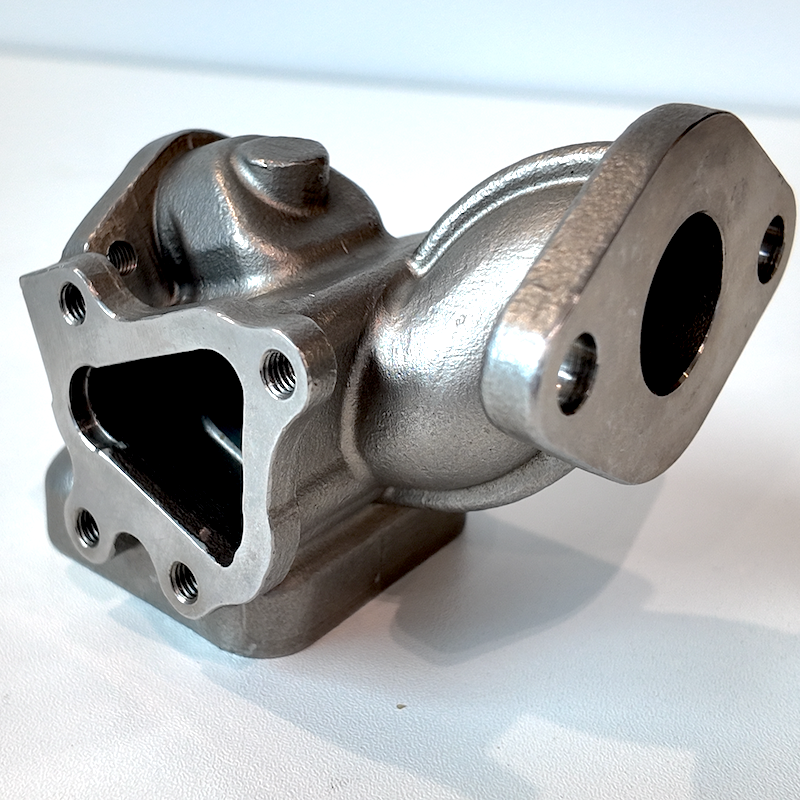
Healthcare equipment metal parts represent essential components that form the backbone of modern medical devices and machinery used across hospitals, clinics, diagnostic centers, and surgical facilities worldwide. These precision-engineered components are manufactured from medical-grade metals including stainless steel, titanium, aluminum alloys, and specialized biocompatible materials that meet stringent regulatory standards. The main functions of healthcare equipment metal parts encompass structural support, mechanical movement facilitation, electrical conductivity, and patient safety assurance in medical environments. These components range from small fasteners and brackets to complex surgical instrument housings and diagnostic equipment frames. Technological features include corrosion resistance, antimicrobial surface treatments, high-temperature sterilization compatibility, and dimensional accuracy measured in micrometers. Advanced manufacturing processes such as CNC machining, laser cutting, electrical discharge machining, and metal injection molding ensure consistent quality and reproducibility. Healthcare equipment metal parts find applications in surgical tables, patient monitoring systems, imaging equipment like MRI and CT scanners, ventilators, infusion pumps, diagnostic analyzers, dental chairs, hospital beds, wheelchair frames, and prosthetic devices. The biocompatibility of these metal components ensures they can safely contact human tissue without causing adverse reactions or contamination. Surface finishing techniques including electropolishing, passivation, and specialized coatings enhance cleanliness and prevent bacterial colonization. The durability of healthcare equipment metal parts directly impacts device longevity, reducing replacement costs and ensuring continuous operation in critical care situations. Compliance with international standards such as ISO 13485, FDA regulations, and CE marking requirements guarantees that these components meet the highest quality benchmarks. The precision manufacturing of healthcare equipment metal parts enables seamless integration with electronic components, sensors, and software systems that characterize modern smart medical devices. As healthcare technology advances toward minimally invasive procedures and portable diagnostic tools, the demand for lightweight yet robust metal components continues to grow, driving innovation in material science and fabrication techniques.

New Products

The advantages of healthcare equipment metal parts extend far beyond basic functionality, offering tangible benefits that directly impact healthcare providers, patients, and facility administrators. First and foremost, the exceptional durability of these components ensures medical equipment maintains operational integrity throughout years of intensive use, reducing downtime and maintenance expenses. Metal parts withstand repeated sterilization cycles using autoclaves, chemical disinfectants, and ultraviolet light without degrading or losing dimensional accuracy, which proves crucial in maintaining infection control protocols. The structural strength of healthcare equipment metal parts provides stable platforms for sensitive diagnostic instruments, ensuring measurement accuracy and patient safety during procedures. Unlike plastic alternatives, metal components resist warping under stress and maintain their shape across wide temperature ranges encountered in various medical environments. The corrosion resistance inherent in medical-grade metals prevents rust formation and material breakdown even when exposed to bodily fluids, cleaning agents, and humid conditions common in healthcare settings. This resistance translates to lower replacement frequencies and reduced risk of equipment failure during critical procedures. Healthcare equipment metal parts offer superior electrical conductivity when needed for grounding, shielding, or signal transmission in electronic medical devices, contributing to reliable performance and electromagnetic compatibility. The weight-bearing capacity of metal components allows construction of equipment that safely supports patients during examination, treatment, and recovery while meeting strict load specifications. Precision manufacturing capabilities enable tight tolerances that facilitate smooth mechanical movements in articulating arms, adjustable beds, and surgical instrument mechanisms, enhancing user control and patient comfort. The biocompatibility of properly selected metals eliminates concerns about allergic reactions or toxic leaching when components contact patients, meeting regulatory requirements and ethical healthcare standards. Metal parts contribute to equipment aesthetics through polished finishes and clean lines that project professionalism and inspire patient confidence in medical facilities. The recyclability of healthcare equipment metal parts supports environmental sustainability initiatives, allowing facilities to responsibly dispose of outdated equipment while recovering valuable materials. Standardized metal components enable modular equipment design, simplifying repairs through straightforward part replacement rather than entire system disposal. The thermal stability of metal parts ensures consistent performance whether equipment operates in refrigerated storage areas or heated surgical suites. Cost-effectiveness emerges over equipment lifecycles as initial investments in quality metal components yield returns through extended service intervals and reduced emergency repairs. Healthcare equipment metal parts facilitate compliance with evolving safety regulations and quality standards, protecting healthcare organizations from liability concerns and accreditation challenges.

Tips And Tricks

Selection And Application Scope Of Hardness Tester

11

May

Selection And Application Scope Of Hardness Tester

View More
The Role Of Elements In Castings And The Order Of Addition

11

May

The Role Of Elements In Castings And The Order Of Addition

View More
Stainless Steel Castings for Architectural Posts

11

May

Stainless Steel Castings for Architectural Posts

View More
Stainless Steel Castings for Building Facade Systems

11

May

Stainless Steel Castings for Building Facade Systems

View More

Get a Free Quote

Our representative will contact you soon.
Email
Name
Company Name
Message
0/1000

healthcare equipment metal parts

Uncompromising Sterilization Compatibility and Infection Control

Uncompromising Sterilization Compatibility and Infection Control

Healthcare equipment metal parts deliver critical advantages in sterilization compatibility and infection control that directly protect patient safety and meet regulatory compliance requirements in modern medical environments. The fundamental importance of this characteristic cannot be overstated, as healthcare-associated infections remain a significant concern affecting millions of patients annually and driving substantial healthcare costs. Metal components manufactured for medical applications undergo specialized treatments that create surfaces resistant to bacterial adhesion and biofilm formation, reducing pathogen transmission risks between patients. The ability of these parts to withstand repeated high-temperature autoclave sterilization cycles at 134 degrees Celsius without structural degradation or dimensional changes ensures equipment maintains sterility standards throughout its operational lifetime. Unlike materials that deteriorate under harsh sterilization conditions, healthcare equipment metal parts maintain their mechanical properties and surface integrity after hundreds of sterilization cycles, providing consistent performance and reliability. The non-porous nature of properly finished metal surfaces prevents microbial penetration and creates smooth interfaces that cleaning protocols can effectively disinfect using approved chemical agents including quaternary ammonium compounds, hydrogen peroxide, and bleach solutions. This sterilization compatibility extends to emerging decontamination technologies such as vaporized hydrogen peroxide and ultraviolet light systems that healthcare facilities increasingly adopt for terminal cleaning procedures. Healthcare equipment metal parts treated with antimicrobial coatings incorporating silver ions or copper alloys provide additional protection by actively inhibiting bacterial growth on component surfaces, creating a continuous defense against pathogen colonization. The chemical resistance of medical-grade metals ensures that repeated exposure to disinfectants does not compromise structural integrity or create surface pitting that could harbor microorganisms in microscopic crevices. For surgical instruments and procedure-specific equipment, the sterilization compatibility of metal parts enables immediate reprocessing between cases, maintaining surgical schedules and optimizing operating room efficiency. The traceability features often incorporated into healthcare equipment metal parts, including laser-etched serial numbers and batch codes, support sterilization tracking systems that document decontamination history and ensure accountability in infection prevention programs. This compatibility with sterilization protocols translates into substantial value for healthcare facilities by reducing equipment replacement costs, minimizing infection-related complications and associated treatment expenses, and protecting institutional reputation through demonstrated commitment to patient safety standards.
Precision Engineering for Accuracy and Mechanical Reliability

Precision Engineering for Accuracy and Mechanical Reliability

Healthcare equipment metal parts manufactured through advanced precision engineering processes deliver accuracy and mechanical reliability that directly influence diagnostic precision, treatment effectiveness, and patient outcomes across medical specialties. The technological sophistication embedded in these components reflects decades of manufacturing innovation and quality control refinement specifically adapted to healthcare applications where tolerances measured in micrometers determine equipment performance. Computer numerical control machining centers produce healthcare equipment metal parts with dimensional accuracies that enable smooth articulation in adjustable components, precise alignment in optical systems, and secure connections in modular assemblies, ensuring equipment functions exactly as designed throughout its service life. This precision manufacturing eliminates the play and looseness that develop in lower-quality components, maintaining stable positioning for diagnostic imaging equipment where millimeter deviations compromise image quality and potentially lead to misdiagnosis. The mechanical reliability of properly engineered metal parts manifests in consistent force application for surgical instruments, predictable movement ranges for positioning systems, and dependable locking mechanisms that secure equipment configurations during procedures. Healthcare providers benefit from this reliability through equipment that responds predictably to operator inputs, reducing learning curves for new staff members and minimizing the cognitive load during high-stress clinical situations. The fatigue resistance engineered into healthcare equipment metal parts ensures components withstand millions of operational cycles without cracking or deformation, critical for devices experiencing constant use such as infusion pump mechanisms, ventilator valves, and patient bed adjustment systems. Surface finishing techniques applied to these precision parts create optimal friction coefficients for sliding components, reducing wear while maintaining smooth operation that extends maintenance intervals and reduces operational costs. The geometric complexity achievable through modern metal fabrication technologies enables integration of multiple functions within single components, reducing assembly requirements, minimizing potential failure points, and simplifying equipment maintenance procedures. Precision-engineered metal parts facilitate the miniaturization trend in medical devices, enabling manufacturers to develop portable diagnostic equipment and minimally invasive surgical instruments that improve patient comfort and expand treatment accessibility. The dimensional stability of these components across temperature variations ensures consistent equipment performance whether deployed in climate-controlled operating rooms or field medical facilities with variable environmental conditions. Quality control processes including coordinate measuring machine inspection, radiographic examination, and statistical process control verify that each healthcare equipment metal part meets specification requirements before integration into medical devices, providing manufacturers and end users confidence in component performance and supporting regulatory documentation requirements.
Material Selection and Biocompatibility for Patient Safety

Material Selection and Biocompatibility for Patient Safety

Healthcare equipment metal parts manufactured from carefully selected biocompatible materials provide essential patient safety assurances that distinguish medical-grade components from industrial alternatives, addressing both immediate contact concerns and long-term health considerations. The material selection process for these components involves comprehensive evaluation of mechanical properties, corrosion resistance, sterilization compatibility, and biological response characteristics according to international standards including ISO 10993 for biological evaluation of medical devices. Stainless steel alloys, particularly 316L surgical grade, dominate healthcare equipment metal parts applications due to their exceptional balance of strength, corrosion resistance, and proven biocompatibility in decades of clinical use across surgical instruments, implantable devices, and equipment structures. The chromium oxide passive layer that naturally forms on stainless steel surfaces creates a barrier preventing iron leaching and nickel release that could trigger allergic responses in sensitive patients or healthcare workers handling equipment repeatedly. Titanium and titanium alloys represent premium material choices for healthcare equipment metal parts requiring the ultimate biocompatibility combined with superior strength-to-weight ratios, finding applications in components that contact patients during imaging procedures, therapy delivery systems, and prosthetic device interfaces. The osseointegration properties of titanium, meaning its ability to bond directly with bone tissue, make it invaluable for components in dental equipment and orthopedic surgical systems where material compatibility with human physiology determines treatment success. Aluminum alloys treated with medical-grade anodizing provide lightweight alternatives for healthcare equipment metal parts in portable devices and overhead mounting systems where weight reduction improves usability without compromising structural requirements. The biocompatibility advantages extend beyond direct patient contact to encompass environmental health considerations, as properly selected metals do not release volatile organic compounds or particulates that could compromise air quality in sensitive healthcare environments such as neonatal intensive care units or immunocompromised patient areas. Specialized surface treatments including passivation, electropolishing, and bioactive coatings enhance the inherent biocompatibility of base metals, creating ultra-smooth surfaces that minimize protein adhesion and cellular response while maximizing cleanability for infection control. The regulatory framework surrounding healthcare equipment metal parts ensures manufacturers document material composition, perform biocompatibility testing, and maintain traceability throughout supply chains, providing healthcare organizations confidence that components meet safety standards. For patients with known metal sensitivities, the availability of alternative biocompatible materials in healthcare equipment metal parts enables customized equipment selection that accommodates individual needs without compromising care quality. The chemical stability of these biocompatible metals ensures they maintain their protective properties throughout equipment lifecycles, preventing gradual degradation that could eventually compromise patient safety or equipment performance, thereby protecting healthcare providers from liability concerns and supporting their fundamental commitment to doing no harm.

Get a Free Quote

Our representative will contact you soon.
Email
Name
Company Name
Message
0/1000