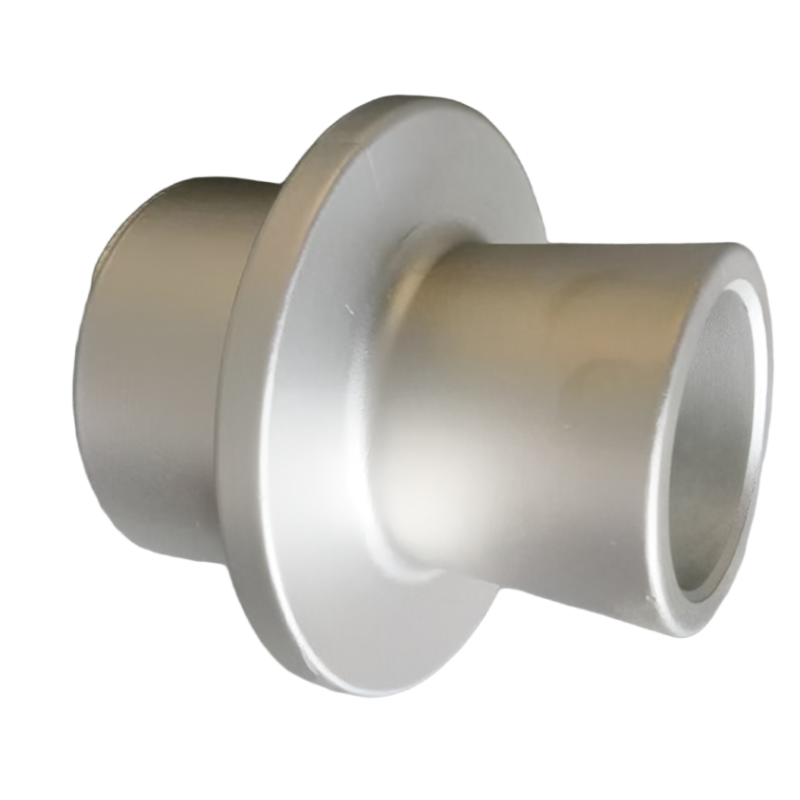
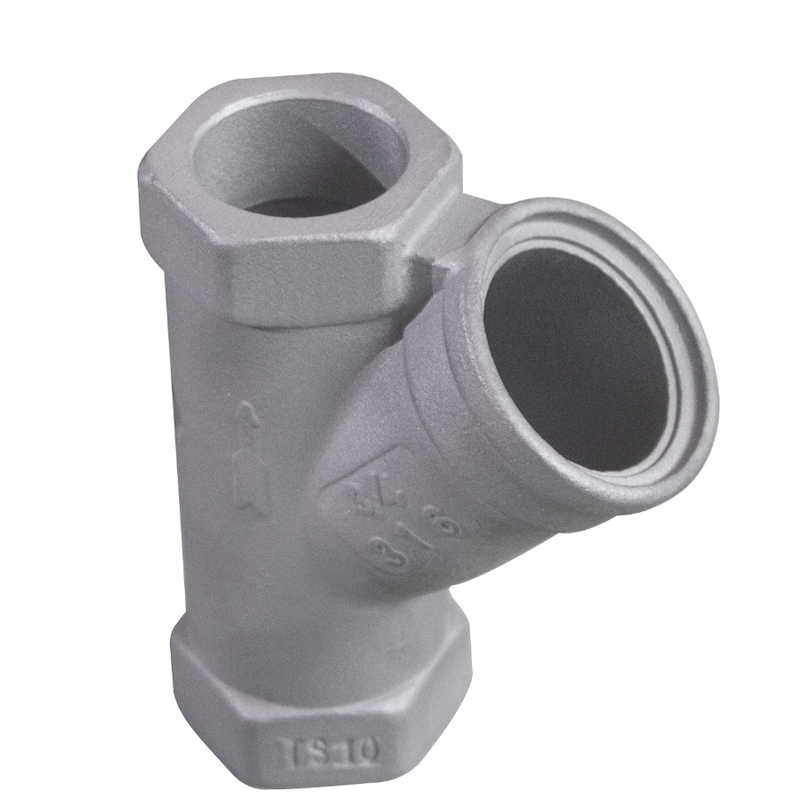
Precision Medical Machining Services | High-Quality Medical Device Components

Get a Free Quote

Our representative will contact you soon.
Email
Name
Mobile
Company Name
Message
0/1000

precision medical machining

Precision medical machining represents a specialized manufacturing process that creates intricate components and instruments used throughout the healthcare industry. This advanced technique combines state-of-the-art equipment with expert craftsmanship to produce medical devices that meet the strictest quality standards and regulatory requirements. The main functions of precision medical machining include fabricating surgical instruments, implantable devices, diagnostic equipment parts, and various other critical healthcare tools that demand exceptional accuracy and reliability. Medical device manufacturers rely on this process to transform raw materials such as titanium, stainless steel, medical-grade plastics, and specialized alloys into finished components that save lives daily. The technological features that distinguish precision medical machining include computer numerical control systems, multi-axis milling capabilities, Swiss-style turning operations, and micro-machining techniques that achieve tolerances measured in microns. These sophisticated methods enable manufacturers to create complex geometries, smooth surface finishes, and biocompatible components that integrate seamlessly with human tissue. The applications of precision medical machining span numerous medical specialties including orthopedics, cardiology, neurosurgery, dental care, and minimally invasive procedures. Orthopedic implants such as hip replacements, knee joints, and spinal fusion devices require the dimensional accuracy that only precision medical machining can deliver. Cardiovascular devices including pacemaker housings, stent components, and catheter tips depend on this manufacturing approach to ensure patient safety and device effectiveness. Dental instruments, surgical cutting tools, and endoscopic equipment all benefit from the capabilities that precision medical machining provides. The process also supports the production of prototypes and custom devices tailored to individual patient anatomies, enabling personalized medicine approaches that improve treatment outcomes and recovery times for patients worldwide.

New Product Releases

Choosing precision medical machining for your healthcare component needs delivers tangible benefits that directly impact product quality, patient safety, and business success. First, this manufacturing method ensures consistent repeatability across production runs, meaning every component matches exact specifications without deviation. This consistency eliminates the risks associated with dimensional variations that could compromise device performance or patient outcomes. Second, precision medical machining reduces material waste significantly compared to traditional manufacturing techniques. The process removes only necessary material, optimizing resource utilization and lowering production costs while maintaining environmental responsibility. Third, faster production cycles become possible through automated processes and efficient workflows. Manufacturers can move from design concepts to finished components more quickly, accelerating time-to-market for critical medical innovations. Fourth, the versatility of precision medical machining accommodates both prototype development and high-volume production runs. Companies can test designs thoroughly before committing to large-scale manufacturing, reducing financial risks and ensuring product viability. Fifth, superior surface finishes achieved through precision medical machining eliminate the need for extensive secondary operations. Components emerge from the manufacturing process ready for sterilization and assembly, streamlining production workflows and reducing handling risks. Sixth, the ability to work with diverse materials gives designers freedom to select optimal substances for specific applications. Whether projects require biocompatible titanium, corrosion-resistant stainless steel, or specialized polymers, precision medical machining handles these materials effectively. Seventh, compliance with regulatory standards becomes more straightforward when using precision medical machining. The documented processes, quality controls, and traceability systems inherent in this approach satisfy FDA requirements and international medical device regulations. Eighth, long-term cost savings result from producing durable components that resist wear and maintain performance throughout extended service lives. Devices manufactured through precision medical machining require fewer replacements and generate lower lifetime ownership costs. Ninth, customization capabilities allow manufacturers to address unique clinical challenges and patient-specific requirements. Surgeons can request modifications that improve procedural outcomes, and manufacturers can respond efficiently without retooling entire production lines. Finally, partnering with precision medical machining specialists provides access to engineering expertise that enhances product development. Experienced machinists offer design recommendations that improve manufacturability, functionality, and cost-effectiveness throughout the product lifecycle.

Tips And Tricks

How Does a Precision Investment Casting Manufacturer Ensure Consistent Quality Across Global Supply Chains?

05

Jun

How Does a Precision Investment Casting Manufacturer Ensure Consistent Quality Across Global Supply Chains?

In today's interconnected industrial landscape, sourcing complex metal components across international borders presents a formidable quality challenge. the manufacturer must navigate an intricate web of raw material sourcing, multi-stage production c...
View More
Which Quality Standards Should a Custom Lost Wax Casting Foundry Meet for Export Markets?

05

Jun

Which Quality Standards Should a Custom Lost Wax Casting Foundry Meet for Export Markets?

Selecting a manufacturing partner for precision components intended for international buyers is never a straightforward decision. When the supply chain depends on a custom lost wax casting foundry, procurement engineers and quality managers must go b...
View More
What Factors Affect Surface Finish Quality in Medium Temperature Wax Casting Processes?

05

Jun

What Factors Affect Surface Finish Quality in Medium Temperature Wax Casting Processes?

Surface finish quality is one of the most critical performance indicators in precision investment casting, and it is directly shaped by the variables embedded in the medium temperature wax casting process. Unlike standard casting methods, medium temp...
View More
How Should Buyers Choose a Reliable Medium Temperature Wax Casting Service Provider?

26

Jun

How Should Buyers Choose a Reliable Medium Temperature Wax Casting Service Provider?

Selecting the right manufacturing partner for medium temperature wax casting is one of the most consequential decisions a procurement professional or product engineer can make. The process, which involves injecting wax into precision dies at carefull...
View More

Get a Free Quote

Our representative will contact you soon.
Email
Name
Mobile
Company Name
Message
0/1000

precision medical machining

Unmatched Accuracy for Critical Healthcare Applications

Unmatched Accuracy for Critical Healthcare Applications

The dimensional precision achieved through precision medical machining sets the standard for medical device manufacturing worldwide. This manufacturing approach routinely produces components with tolerances as tight as plus or minus two microns, ensuring perfect fit and function in life-critical applications. Such accuracy proves essential when creating implantable devices that must integrate flawlessly with human anatomy without causing tissue irritation or device failure. Consider orthopedic joint replacements that require precise matching surfaces to distribute loads evenly and prevent premature wear. Even microscopic deviations from specifications could lead to complications, patient discomfort, or device revision surgeries. Precision medical machining eliminates these concerns by maintaining exact dimensions throughout production. The technology behind this accuracy includes advanced measurement systems that verify component specifications at multiple production stages. Coordinate measuring machines probe finished parts in three-dimensional space, confirming that every feature meets design intent. Optical comparators and laser scanning systems provide non-contact inspection methods that detect surface irregularities invisible to traditional measurement tools. These quality assurance processes catch potential issues before defective components enter the supply chain, protecting both manufacturers and patients. The materials used in precision medical machining also contribute to dimensional stability. Medical-grade metals and polymers resist deformation under stress, maintain their shapes across temperature variations, and exhibit predictable behaviors during machining operations. Machinists understand how different materials respond to cutting forces and adjust parameters accordingly to prevent distortion. Climate-controlled manufacturing environments further ensure consistency by eliminating thermal expansion variables that could affect measurements. The human expertise factor remains equally important in achieving precision medical machining accuracy. Skilled operators interpret technical drawings, select appropriate cutting tools, and monitor machine performance throughout production runs. Their experience allows them to identify subtle indicators of tool wear or process drift before these factors compromise quality. Continuous training programs keep machining teams updated on emerging techniques and evolving industry standards, maintaining excellence across all operations.
Biocompatibility Excellence Through Material Expertise

Biocompatibility Excellence Through Material Expertise

Precision medical machining extends beyond mere dimensional accuracy to encompass comprehensive understanding of biocompatible materials and their unique characteristics. Medical devices that contact human tissue or bodily fluids must demonstrate complete biological compatibility, neither triggering immune responses nor releasing harmful substances. Achieving this biocompatibility requires selecting appropriate materials and processing them correctly throughout manufacturing. Titanium and its alloys represent preferred choices for many implantable devices due to excellent corrosion resistance, favorable strength-to-weight ratios, and proven biocompatibility records. Precision medical machining transforms these challenging materials into complex components despite their tendency to work-harden and generate excessive heat during cutting operations. Specialized cutting tools with specific geometries and coatings prevent material degradation while achieving smooth surface finishes that promote tissue integration. Stainless steel grades developed specifically for medical applications offer different property combinations suited to particular device requirements. Precision medical machining accommodates various stainless steel families, adjusting process parameters to prevent surface contamination that could compromise biocompatibility. Passivation treatments applied after machining enhance corrosion resistance by forming protective oxide layers on component surfaces. Medical-grade polymers including PEEK, UHMWPE, and various bioabsorbable materials present distinct machining challenges that precision medical machining addresses effectively. These materials require careful temperature management to prevent melting or molecular structure changes during cutting. Sharp tools, appropriate speeds, and adequate cooling maintain material integrity while achieving required geometries. Surface finish quality proves particularly critical for medical devices, as rough surfaces can harbor bacteria, irritate surrounding tissues, or accelerate wear rates. Precision medical machining produces surfaces measured in microinches, creating smoothness that supports sterilization effectiveness and long-term device performance. Electropolishing and other finishing techniques available through precision medical machining facilities further enhance surface characteristics when applications demand ultimate smoothness. Material certification documentation accompanies components produced through precision medical machining, providing complete traceability from raw material suppliers through finished device assembly. This documentation satisfies regulatory requirements and enables manufacturers to demonstrate compliance with material specifications throughout product lifecycles.
Regulatory Compliance Built Into Every Process

Regulatory Compliance Built Into Every Process

Navigating the complex regulatory landscape governing medical device manufacturing requires meticulous attention to documentation, quality systems, and process controls. Precision medical machining facilities operate under quality management systems aligned with ISO 13485 standards specifically designed for medical device production. These systems establish comprehensive procedures covering every aspect of component manufacturing from initial design review through final inspection and shipping. Document control protocols ensure that machinists work from current, approved drawings and specifications, eliminating confusion that could result in non-conforming parts. Every process parameter receives documentation including cutting speeds, feed rates, tool selections, and inspection criteria. When questions arise regarding component history, complete records enable investigations that identify root causes and implement corrective actions. Precision medical machining operations maintain validated processes that demonstrate consistent capability to meet specifications. Statistical process control methods monitor critical dimensions throughout production runs, detecting trends that might indicate process drift before out-of-specification parts occur. Capability studies prove that equipment and procedures can reliably achieve required tolerances with adequate safety margins. These validations satisfy regulatory expectations and provide manufacturers with confidence in supply chain reliability. Material traceability represents another crucial compliance element embedded within precision medical machining operations. Each raw material lot receives unique identification that follows components through all manufacturing stages. If material issues surface later, manufacturers can quickly identify affected batches and implement appropriate responses. This traceability extends to cutting tools, coolants, and other consumables that contact components during production. Cleanroom environments utilized in precision medical machining facilities control particulate contamination that could compromise device safety or sterility. Filtered air systems, personnel gowning protocols, and regular environmental monitoring maintain cleanliness levels appropriate for medical device manufacturing. Components emerge from production ready for sterilization without requiring extensive cleaning operations that might introduce additional risks. Supplier qualification programs ensure that precision medical machining partners meet rigorous standards before receiving production orders. Audits verify quality systems, assess technical capabilities, and confirm regulatory compliance. Ongoing performance monitoring tracks delivery reliability, quality metrics, and continuous improvement initiatives. These comprehensive supplier management approaches protect medical device manufacturers from supply chain disruptions while ensuring consistent component quality that supports patient safety and regulatory compliance throughout product commercialization and ongoing market presence.

Get a Free Quote

Our representative will contact you soon.
Email
Name
Mobile
Company Name
Message
0/1000