Precision Medical Machining Services | High-Quality Medical Component Manufacturing

Get a Free Quote

Our representative will contact you soon.
Email
Name
Company Name
Message
0/1000

precision medical machining

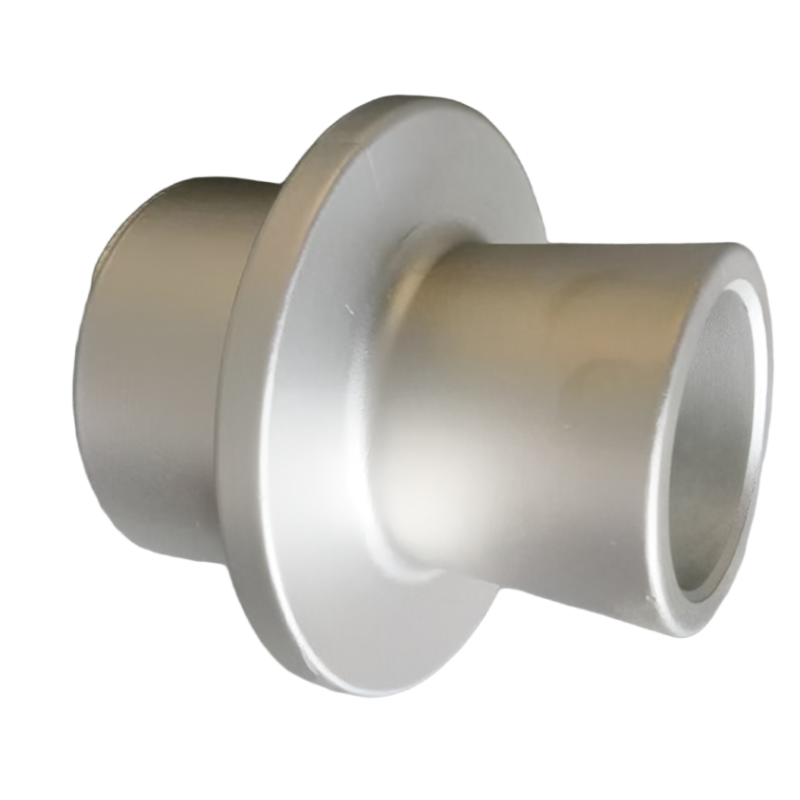
Precision medical machining represents a specialized manufacturing process that creates intricate medical components and devices with exceptional accuracy and consistency. This advanced manufacturing technique combines state-of-the-art equipment, sophisticated software, and expert craftsmanship to produce medical parts that meet stringent regulatory standards and performance requirements. The main functions of precision medical machining include fabricating surgical instruments, orthopedic implants, dental tools, diagnostic equipment components, and life-saving devices that require micrometer-level tolerances. This manufacturing approach utilizes computer numerical control systems, multi-axis milling centers, and precision turning operations to transform raw materials such as titanium, stainless steel, medical-grade plastics, and specialized alloys into functional medical products. The technological features that distinguish precision medical machining include advanced quality control protocols, cleanroom manufacturing environments, and rigorous inspection procedures that ensure every component meets exact specifications. These processes incorporate real-time monitoring systems, coordinate measuring machines, and optical inspection tools to verify dimensional accuracy throughout production. Precision medical machining applications span across various healthcare sectors, including cardiovascular surgery, neurosurgery, minimally invasive procedures, prosthetics manufacturing, and medical device assembly. Healthcare providers rely on these precisely machined components for patient safety, treatment effectiveness, and long-term reliability. The manufacturing process accommodates both high-volume production runs and custom one-off prototypes, making it versatile for established medical device companies and innovative startups alike. Material compatibility extends to biocompatible substances that can safely interact with human tissue without causing adverse reactions. The process maintains strict adherence to international standards including ISO 13485 certification and FDA regulatory requirements, ensuring that every machined component meets global healthcare industry expectations for safety, performance, and traceability throughout the entire supply chain.

New Product Releases

Precision medical machining delivers numerous practical benefits that directly impact product quality, manufacturing efficiency, and patient outcomes. First and foremost, this manufacturing method produces components with exceptional dimensional accuracy, typically achieving tolerances within plus or minus 0.0001 inches. This level of precision ensures that medical devices function exactly as designed, reducing the risk of mechanical failures during critical procedures. Healthcare facilities gain confidence knowing that surgical instruments fit together perfectly, implants integrate seamlessly with anatomical structures, and diagnostic equipment provides reliable measurements every single time. The consistent quality achieved through precision medical machining eliminates the variability often associated with manual manufacturing methods, resulting in predictable performance across thousands of identical components. Cost efficiency represents another significant advantage, as automated machining processes reduce labor expenses while increasing production speed. Manufacturers can produce complex geometries in single setups, minimizing handling time and reducing the potential for human error. This streamlined approach shortens lead times from design concept to finished product, allowing medical device companies to bring innovations to market faster than competitors. Material optimization through precision medical machining reduces waste by maximizing the usable yield from expensive biocompatible materials, directly lowering production costs without compromising quality. The versatility of modern machining equipment enables manufacturers to work with diverse materials ranging from soft polymers to hardened ceramics, accommodating various medical applications within the same facility. Surface finish quality achieved through precision medical machining eliminates rough edges and microscopic imperfections that could harbor bacteria or cause tissue irritation. Smooth, polished surfaces promote better patient comfort and faster healing times following surgical interventions. Scalability provides manufacturers with flexibility to adjust production volumes based on market demand without significant retooling investments. Small batch production for specialized treatments becomes economically viable, while high-volume manufacturing maintains consistent per-unit costs. Traceability systems integrated into precision medical machining operations document every manufacturing step, creating comprehensive quality records that satisfy regulatory audits and support post-market surveillance activities. This documentation proves invaluable when investigating product performance issues or responding to regulatory inquiries, protecting both manufacturers and healthcare providers from liability concerns while demonstrating commitment to patient safety and continuous improvement initiatives that elevate industry standards.

Latest News

Basic Principles Of Design Of Precision Casting Gating System

11

May

Basic Principles Of Design Of Precision Casting Gating System

View More
Stainless Steel Castings for Architectural Posts

11

May

Stainless Steel Castings for Architectural Posts

View More
Stainless Steel Castings for Building Facade Systems

11

May

Stainless Steel Castings for Building Facade Systems

View More
Precision Stainless Steel Exhaust Manifold Casting Solution For Luxury Sedan - With Japanese First-Tier Car Brand

11

May

Precision Stainless Steel Exhaust Manifold Casting Solution For Luxury Sedan - With Japanese First-Tier Car Brand

View More

Get a Free Quote

Our representative will contact you soon.
Email
Name
Company Name
Message
0/1000

precision medical machining

Unmatched Accuracy for Critical Medical Applications

Unmatched Accuracy for Critical Medical Applications

The extraordinary accuracy achieved through precision medical machining sets the foundation for reliable medical device performance in life-critical situations. Modern machining centers equipped with advanced feedback systems continuously monitor tool position and workpiece alignment, making microscopic adjustments that maintain tolerances measured in millionths of an inch. This capability proves essential when manufacturing components for cardiac pacemakers, where electrode spacing must remain absolutely consistent to deliver proper electrical stimulation to heart tissue. Similarly, orthopedic implants require precise surface geometries to achieve optimal osseointegration, the biological process where bone cells attach directly to the implant surface. Any deviation from specified dimensions could compromise this integration, potentially leading to implant loosening or failure. Surgical cutting instruments benefit enormously from precision medical machining, as blade edges must maintain specific angles and sharpness profiles to cut tissue cleanly without causing unnecessary trauma. Dental burs and endodontic files demand exceptional concentricity to prevent vibration during high-speed rotation, ensuring smooth operation and extending tool life. The accuracy inherent in precision medical machining extends beyond simple dimensional control to include sophisticated surface texture requirements. Medical components often require specific roughness values measured in microinches, as surface characteristics directly influence how devices interact with biological tissues and fluids. Smooth surfaces resist bacterial colonization, while controlled textures can promote cellular attachment depending on the intended application. Temperature-controlled machining environments prevent thermal expansion from affecting measurement accuracy, ensuring that parts machined in winter perform identically to those produced during summer months. Vibration isolation systems eliminate external disturbances that could introduce dimensional variations, while humidity control prevents moisture-related material changes during the manufacturing process. Precision medical machining also accommodates extremely tight geometric tolerances for features like threaded connections, tapered surfaces, and cylindrical bores that must maintain perfect alignment across multiple mating components. These geometric relationships prove critical in assemblies where fluid sealing, mechanical locking, or precise motion control determines overall device functionality and long-term reliability in demanding clinical environments.
Biocompatible Material Expertise and Versatility

Biocompatible Material Expertise and Versatility

Precision medical machining demonstrates exceptional versatility in processing biocompatible materials that meet the stringent requirements for safe human implantation and long-term tissue contact. Titanium alloys, particularly Ti-6Al-4V, present significant machining challenges due to their tendency to work-harden and generate excessive heat during cutting operations. Specialized tooling strategies developed specifically for precision medical machining overcome these difficulties, producing smooth surface finishes without introducing subsurface damage that could compromise fatigue strength or corrosion resistance. Cobalt-chromium alloys used in joint replacement systems require even more sophisticated approaches, as their extreme hardness demands ceramic cutting tools and optimized feed rates to prevent premature tool wear while maintaining dimensional accuracy. Stainless steel varieties including 316L and 17-4PH offer excellent corrosion resistance for surgical instruments and implantable devices, yet each grade responds differently to machining forces, requiring customized parameters for optimal results. Medical-grade polymers such as PEEK (polyetheretherketone) provide lightweight alternatives to metallic implants, offering radiolucency that allows clear visualization during X-ray imaging and MRI scanning. Precision medical machining of these polymers demands careful temperature management to prevent melting or deformation, utilizing sharp cutting edges and controlled chip evacuation to maintain part integrity. Ceramic materials including zirconia and alumina deliver exceptional wear resistance for joint articulation surfaces, though their brittleness requires specialized grinding and polishing techniques rather than conventional cutting operations. The expertise required to machine these diverse materials extends beyond simple parameter selection to include comprehensive understanding of material microstructure, thermal properties, and stress response characteristics. Precision medical machining facilities invest heavily in material testing equipment to verify that machining processes do not alter essential properties like tensile strength, ductility, or biocompatibility. Cutting fluid selection becomes critical when processing materials destined for human implantation, as residual contaminants could trigger adverse biological responses. Many precision medical machining operations therefore utilize minimal quantity lubrication or dry machining techniques that eliminate contamination risks while still providing adequate cooling and chip control. Material traceability systems track every batch of raw material through the entire manufacturing process, documenting heat treatment certifications, chemical composition analysis, and mechanical property verification to ensure complete compliance with medical device regulations and international material standards.
Regulatory Compliance and Quality Assurance Integration

Regulatory Compliance and Quality Assurance Integration

Precision medical machining operations integrate comprehensive regulatory compliance and quality assurance systems that ensure every manufactured component meets international medical device standards and patient safety requirements. The foundation of this compliance begins with ISO 13485 certification, a quality management system specifically designed for medical device manufacturers that establishes rigorous documentation requirements, process controls, and risk management protocols. Precision medical machining facilities implement these requirements through detailed work instructions that specify exact machining parameters, inspection frequencies, and acceptance criteria for every manufacturing operation. Statistical process control methods continuously monitor critical dimensions during production runs, automatically alerting operators when measurements trend toward specification limits before actual nonconformances occur. This proactive approach prevents defective parts from reaching customers while minimizing material waste and production delays. Design history files maintained throughout the product development lifecycle document how customer requirements translate into engineering specifications, manufacturing processes, and final inspection criteria, creating an auditable trail that demonstrates design control compliance. Device master records provide comprehensive manufacturing instructions that operators follow precisely, ensuring consistent production methods regardless of shift schedules or personnel changes. Quality audits conducted by internal teams and external certification bodies verify that documented procedures match actual shop floor practices, identifying improvement opportunities and confirming ongoing regulatory compliance. Precision medical machining operations maintain validated cleaning and sterilization procedures for equipment and tooling that contacts medical components, preventing cross-contamination between different materials or product lines. Environmental monitoring in machining areas tracks airborne particulate levels, temperature fluctuations, and humidity variations that could affect product quality or measurement accuracy. Calibration programs ensure that all inspection equipment maintains accuracy traceable to national standards, with scheduled verification intervals that prevent measurement errors from compromising dimensional conformance. Non-conformance investigation systems document any deviation from specifications, requiring root cause analysis and corrective action implementation before production resumes. Supplier qualification procedures extend quality requirements upstream to raw material providers and subcontractors, ensuring that incoming materials meet specified grades and properties. Change control processes govern any modifications to machining parameters, tooling specifications, or inspection methods, requiring formal approval and validation before implementation. Risk analysis techniques identify potential failure modes in both products and manufacturing processes, driving preventive measures that reduce the likelihood of quality issues affecting patient safety. Post-market surveillance systems collect field performance data that feeds back into design improvements and manufacturing refinements, creating a continuous improvement cycle that elevates product quality over time while maintaining full regulatory compliance.

Get a Free Quote

Our representative will contact you soon.
Email
Name
Company Name
Message
0/1000