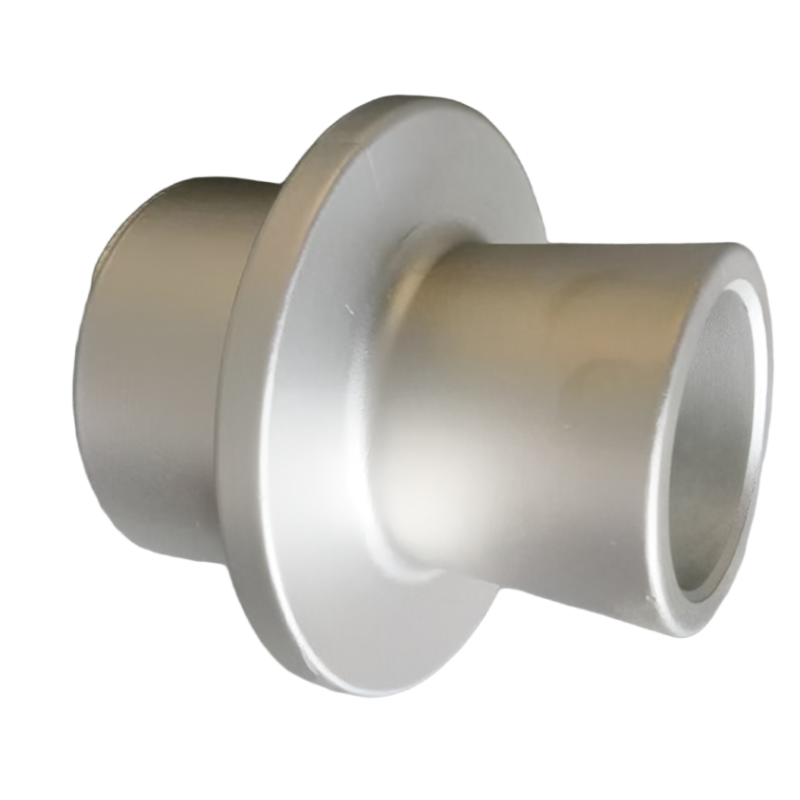
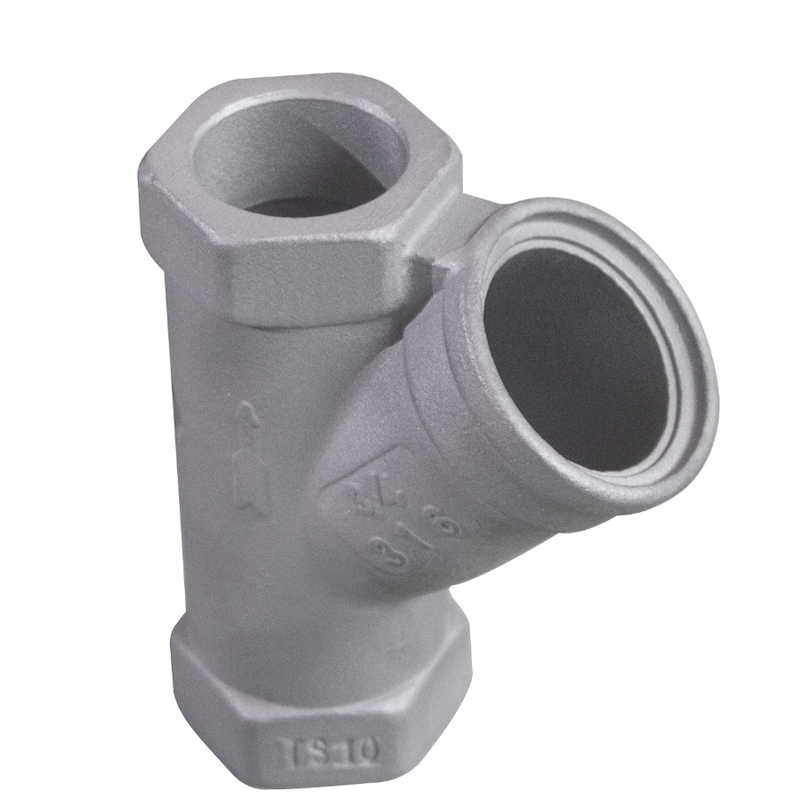
прецизно медицинско машинно обработване
Прецисното медицинско машинно обработване представлява специализиран производствен процес, който създава сложни компоненти и инструменти, използвани в цялата здравна система. Тази напреднала техника комбинира най-съвременни машини с експертно майсторство, за да произвежда медицински устройства, които отговарят на най-строгите стандарти за качество и регулаторни изисквания. Основните функции на прецисното медицинско машинно обработване включват производството на хирургически инструменти, имплантируеми устройства, части за диагностични уреди и различни други критично важни здравни инструменти, които изискват изключителна точност и надеждност. Производителите на медицински устройства разчитат на този процес, за да превръщат суровини като титан, неръждаема стомана, пластмаси за медицинска употреба и специални сплави в готови компоненти, които спасяват живота на пациенти всеки ден. Технологичните характеристики, които отличават прецисното медицинско машинно обработване, включват системи за числов контрол (CNC), възможности за фрезоване с множество оси, швейцарски методи за точене и микромашинно обработване, които постигат допуски, измервани в микрони. Тези сложни методи позволяват на производителите да създават сложни геометрии, гладки повърхности и биосъвместими компоненти, които се интегрират безпроблемно с човешката тъкан. Приложенията на прецисното медицинско машинно обработване обхващат множество медицински специалности, включително ортопедия, кардиология, неврохирургия, стоматология и минимално инвазивни процедури. Ортопедичните импланти, като протези на тазобедрената става, коленните стави и устройства за спинална фузия, изискват размерна точност, която може да осигури само прецисното медицинско машинно обработване. Кардиоваскулярните устройства, включително корпусите на пейсмейкъри, компонентите на стентове и върховете на катетри, разчитат на този производствен подход, за да гарантират безопасността на пациентите и ефективността на устройствата. Стоматологичните инструменти, хирургическите режещи инструменти и ендоскопичното оборудване всички се възползват от възможностите, които предоставя прецисното медицинско машинно обработване. Процесът подпомага и производството на прототипи и персонализирани устройства, адаптирани към индивидуалната анатомия на пациента, което позволява прилагането на персонализирана медицина и подобрява резултатите от лечението и времето за възстановяване на пациентите по целия свят.

 EN
EN