شركات تصنيع الصب الإنشائي لمعدات الرعاية الصحية
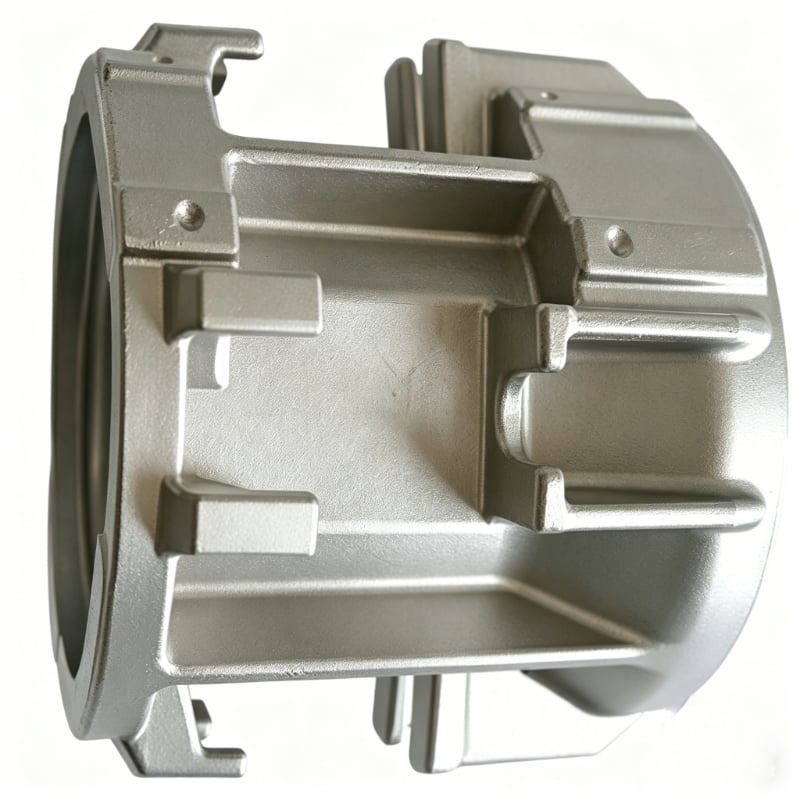
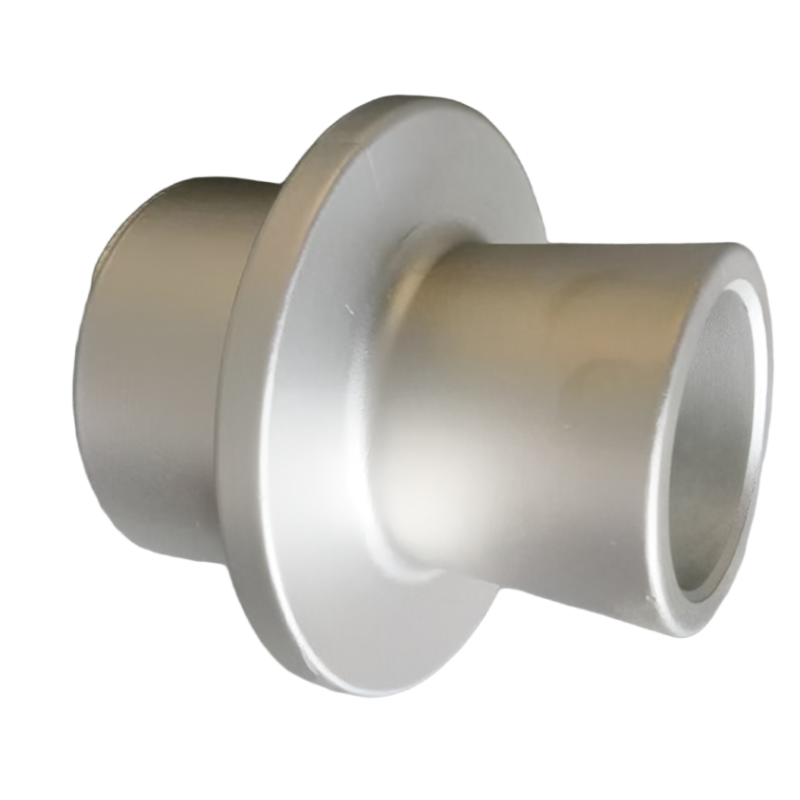
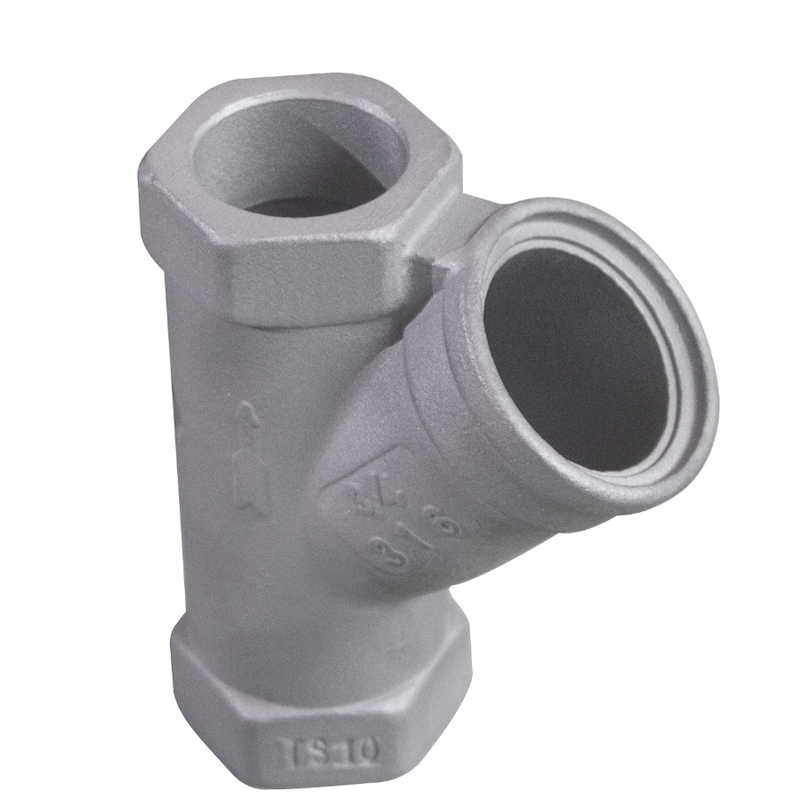
تلعب شركات تصنيع الصبّات الهيكلية لمعدات الرعاية الصحية دورًا حيويًّا في قطاع الرعاية الصحية من خلال إنتاج مكونات مُصنَّعة بدقةٍ عالية تشكِّل العمود الفقري للأجهزة الطبية الحديثة ومعدات التشخيص. وتستخدم هذه الشركات المتخصِّصة تقنيات صبٍّ متقدِّمة لإنشاء أجزاء هيكلية متينة وموثوقة تفي بالمعايير الطبية الصارمة والمتطلبات التنظيمية. وتتمثَّل الوظيفة الأساسية لشركات تصنيع الصبّات الهيكلية لمعدات الرعاية الصحية في تحويل المواد المعدنية الأولية إلى أشكال هندسية معقَّدة تُستخدَم كإطارات وغلاف خارجي ودعامات وهياكل داعمة لمختلف الأدوات الطبية. ومن خلال عمليات مثل الصب الاستثماري، والصب بالقالب، والصب بالرمل، تُنتج هذه الشركات مكونات تتميَّز بدقةٍ استثنائية في الأبعاد، وقوة ميكانيكية عالية، وجودة ممتازة في تشطيب السطح. وتشمل الميزات التكنولوجية التي توظِّفها شركات تصنيع الصبّات الهيكلية لمعدات الرعاية الصحية أنظمة التصميم بمساعدة الحاسوب (CAD)، والأدوات الدقيقة، وأنظمة مراقبة الجودة الآلية، ومعدات التحليل المعدني المتقدِّمة. وهذه التقنيات تتيح إنتاج صبّات ذات تحملات ضيقة جدًّا، وسمك جدران متسق، وقنوات داخلية معقَّدة — وهي أمورٌ بالغة الأهمية للتطبيقات الطبية. كما يتيح عملية الصب مرونةً في اختيار المواد، حيث تعمل هذه الشركات مع الفولاذ المقاوم للصدأ، وسبائك الألومنيوم، والتيتانيوم، والمعادن الخاصة المتوافقة حيويًّا والتي تقاوم التآكل وتحافظ على سلامتها الهيكلية تحت دورات التعقيم. وتشمل مجالات تطبيق منتجات شركات تصنيع الصبّات الهيكلية لمعدات الرعاية الصحية أجهزة التصوير التشخيصي مثل أجهزة التصوير المقطعي المحوسب (CT) وأجهزة التصوير بالرنين المغناطيسي (MRI)، والأدوات الجراحية، وأسرّة المستشفيات، وأنظمة مراقبة المرضى، ومحللّات المختبرات، والمعدات السنية، وأجهزة إعادة التأهيل. وتخدم هذه الشركات المستشفيات والعيادات وشركات تصنيع المعدات الطبية والمؤسسات البحثية والمرافق الصحية في جميع أنحاء العالم. وتوفر هذه الصبّات الهيكلية الأساس الذي يضمن تشغيل المعدات الطبية بأمانٍ ودقةٍ وموثوقيةٍ أثناء الإجراءات الحرجة المتعلقة برعاية المرضى. وبدمج خبرتها في علوم المعادن مع قدراتها التصنيعية الدقيقة، تُقدِّم شركات تصنيع الصبّات الهيكلية لمعدات الرعاية الصحية مكونات تسهم مباشرةً في تحسين نتائج المرضى وكفاءة نظام الرعاية الصحية.

 EN
EN