Turnkey Metal Casting and Machining Services | Complete Manufacturing Solutions

Get a Free Quote

Our representative will contact you soon.
Email
Name
Company Name
Message
0/1000

turnkey metal casting and machining

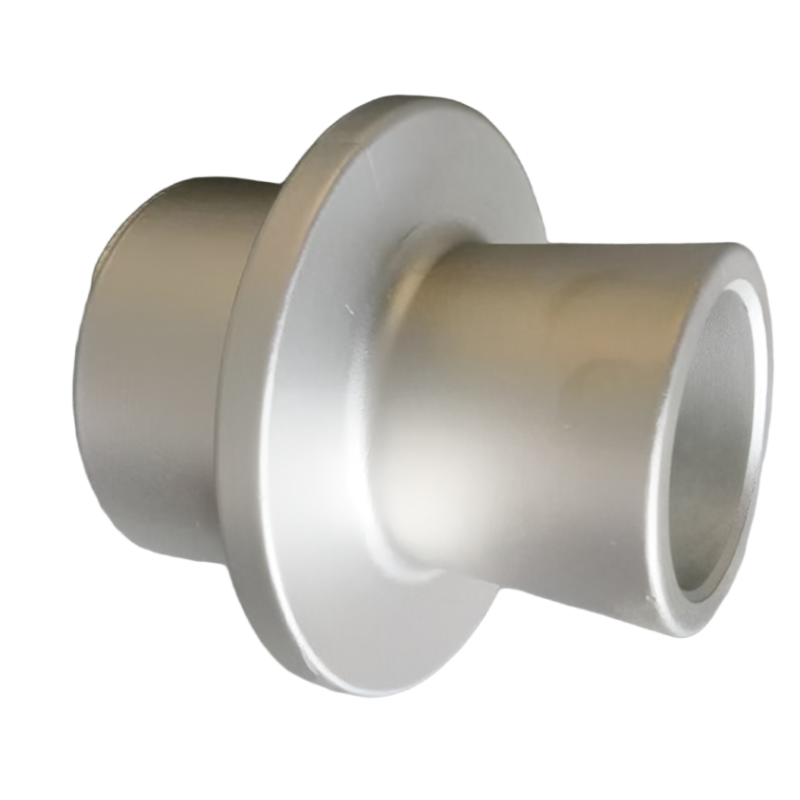
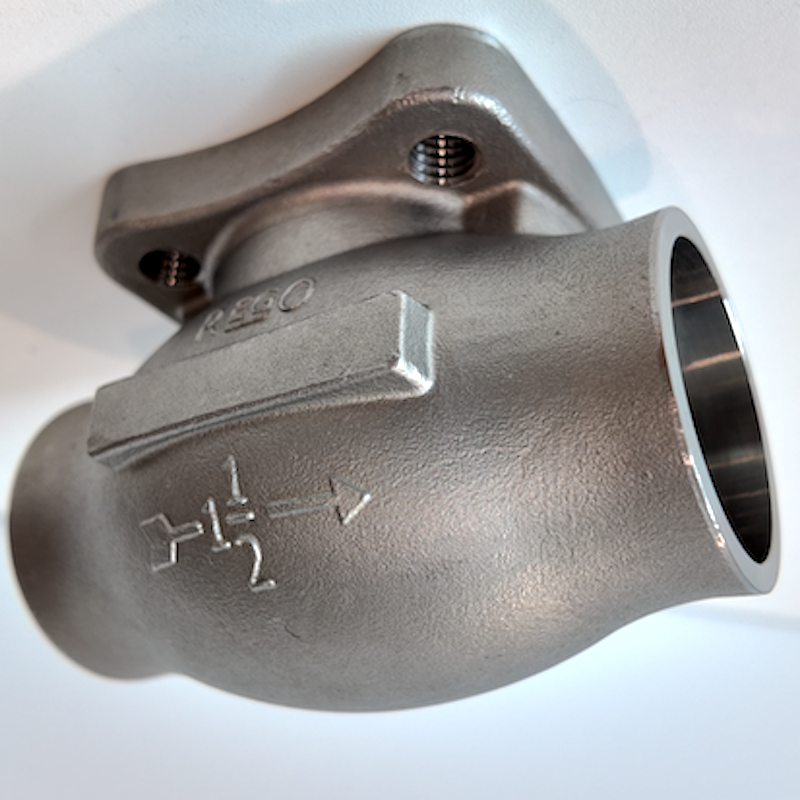
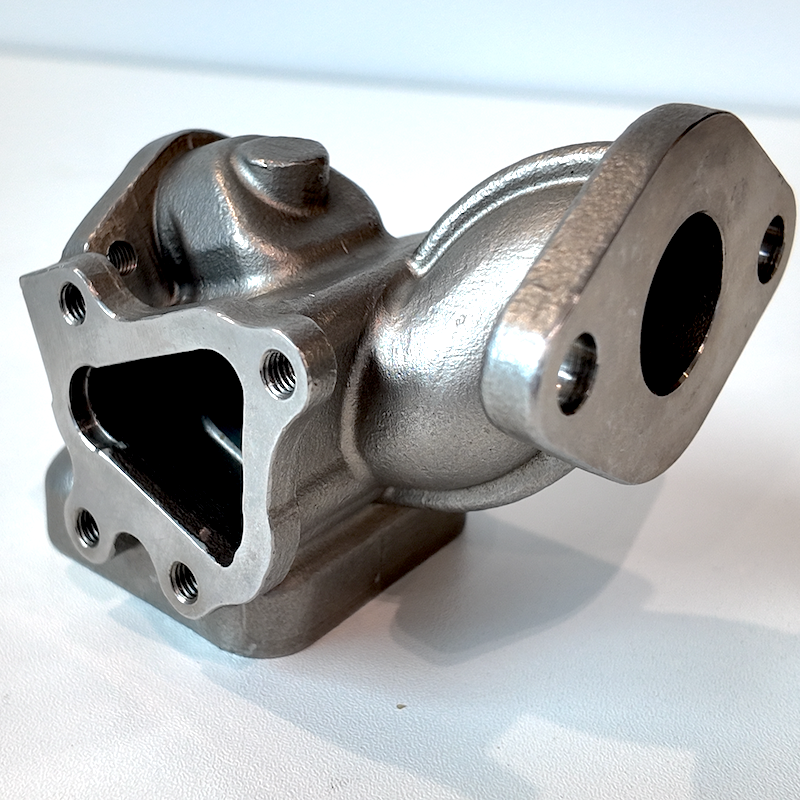
Turnkey metal casting and machining represents a comprehensive manufacturing solution that combines multiple production processes under one unified service umbrella. This integrated approach encompasses the complete journey from initial design consultation through raw material selection, pattern creation, metal casting, precision machining, finishing operations, quality inspection, and final delivery. The main functions of turnkey metal casting and machining include transforming molten metal into precise components through various casting methods such as sand casting, investment casting, die casting, and permanent mold casting, followed by CNC machining operations to achieve exact dimensional specifications and superior surface finishes. Technological features of this service include advanced computer-aided design systems that optimize part geometry for both castability and machinability, sophisticated simulation software that predicts metal flow and solidification patterns, state-of-the-art melting furnaces capable of processing ferrous and non-ferrous alloys, multi-axis CNC machining centers that deliver micron-level accuracy, and comprehensive quality control equipment including coordinate measuring machines and spectroscopic analyzers. The applications of turnkey metal casting and machining span numerous industries including automotive manufacturing where engine blocks and transmission housings require both casting and precision machining, aerospace sector demanding complex structural components with tight tolerances, industrial machinery production requiring durable gears and housings, energy generation equipment such as pump bodies and valve components, agricultural machinery parts, marine hardware, construction equipment, and medical device manufacturing. This consolidated manufacturing approach eliminates the complexity of coordinating multiple vendors, reduces lead times significantly, ensures seamless quality control throughout the production cycle, and provides customers with a single point of accountability for their metal component needs from concept to completion.

New Product Recommendations

Choosing turnkey metal casting and machining delivers substantial practical benefits that directly impact your bottom line and operational efficiency. First and foremost, this comprehensive service eliminates the hassle of managing multiple suppliers, saving you countless hours of coordination, communication, and logistics management. Instead of negotiating with separate casting foundries, machine shops, and finishing facilities, you work with one dedicated team that handles every production stage. This streamlined approach reduces administrative burden significantly and frees your procurement staff to focus on strategic initiatives rather than vendor management. The cost advantages prove equally compelling, as integrated manufacturing removes markup layers that accumulate when components pass through multiple independent facilities. You pay one fair price that covers all operations without hidden transfer fees or intermediary charges. Additionally, consolidated production reduces transportation costs since your parts do not shuttle between different locations for various operations. Quality improvements represent another major advantage, as turnkey metal casting and machining maintains consistent standards throughout the entire manufacturing process. The same quality management system oversees casting, machining, and inspection, ensuring that specifications remain accurate from start to finish. This continuity prevents the quality gaps that sometimes occur when different vendors interpret drawings differently or apply varying standards. Time savings emerge as perhaps the most visible benefit for most customers. Integrated production eliminates waiting periods between process stages, dramatically shortening overall lead times. Your project moves seamlessly from casting to machining without scheduling delays or queue times at multiple facilities. Rush orders become more manageable when one team controls all production phases. Design optimization capabilities further enhance value, as experienced engineers evaluate your component designs for both casting feasibility and machining efficiency simultaneously. This holistic design review identifies potential issues early, suggests improvements that reduce manufacturing complexity, and ensures your parts can be produced cost-effectively without sacrificing performance requirements. Communication becomes simpler and more effective when you have one primary contact managing your project rather than coordinating with multiple vendors who may provide conflicting information. Problem-solving accelerates because the entire team shares common goals and can quickly collaborate on solutions without finger-pointing between separate companies. Finally, turnkey metal casting and machining providers typically invest in advanced technology across all process areas, giving you access to cutting-edge capabilities without the capital investment required to maintain multiple specialized supplier relationships.

Tips And Tricks

Basic Principles Of Design Of Precision Casting Gating System

11

May

Basic Principles Of Design Of Precision Casting Gating System

View More
The Role Of Elements In Castings And The Order Of Addition

11

May

The Role Of Elements In Castings And The Order Of Addition

View More
Stainless Steel Castings for Building Facade Systems

11

May

Stainless Steel Castings for Building Facade Systems

View More
Precision Stainless Steel Exhaust Manifold Casting Solution For Luxury Sedan - With Japanese First-Tier Car Brand

11

May

Precision Stainless Steel Exhaust Manifold Casting Solution For Luxury Sedan - With Japanese First-Tier Car Brand

View More

Get a Free Quote

Our representative will contact you soon.
Email
Name
Company Name
Message
0/1000

turnkey metal casting and machining

Complete Supply Chain Integration Reduces Complexity and Accelerates Production

Complete Supply Chain Integration Reduces Complexity and Accelerates Production

Turnkey metal casting and machining fundamentally transforms how manufacturers approach component production by consolidating the entire supply chain under one operational framework. This integration delivers value that extends far beyond simple convenience, creating genuine competitive advantages for businesses across all sectors. When you partner with a turnkey provider, you eliminate the fragmented workflow that characterizes traditional manufacturing approaches where castings move from foundries to machine shops to finishing facilities, each transfer introducing potential delays, quality inconsistencies, and communication breakdowns. Instead, your components flow through a carefully orchestrated sequence of operations within a coordinated production environment where every team member understands the complete process requirements. This integration allows for sophisticated production planning that optimizes equipment utilization, minimizes work-in-process inventory, and ensures your parts progress through each manufacturing stage without unnecessary waiting periods. The scheduling efficiency alone typically reduces total production time by thirty to fifty percent compared to multi-vendor approaches. Furthermore, supply chain integration enables better material management, as raw material purchasing leverages economies of scale while maintaining traceability throughout the casting and machining processes. Quality assurance becomes more robust when inspection protocols span the entire production cycle rather than occurring only at individual process boundaries. Integrated quality systems detect potential issues earlier, implement corrective actions faster, and maintain comprehensive documentation that satisfies even the most stringent industry standards and regulatory requirements. The engineering support available through turnkey metal casting and machining proves invaluable during both initial design phases and ongoing production optimization. Design engineers can simultaneously evaluate casting considerations such as draft angles, wall thickness uniformity, and gating systems alongside machining requirements including tool access, fixturing approaches, and dimensional tolerance capabilities. This concurrent engineering methodology prevents the costly design revisions that frequently occur when casting and machining are treated as separate processes. Cost transparency improves dramatically with integrated production, as detailed quotations reflect actual manufacturing costs rather than layered markups from sequential vendors. This pricing clarity helps you make informed decisions about material selections, quantity breaks, and design modifications that impact total cost.
Advanced Technology Integration Delivers Superior Quality and Precision

Advanced Technology Integration Delivers Superior Quality and Precision

Turnkey metal casting and machining providers distinguish themselves through substantial investments in advanced manufacturing technologies that span both casting and precision machining disciplines. This comprehensive technology portfolio ensures your components benefit from cutting-edge capabilities at every production stage, delivering quality levels and dimensional accuracies that meet the demanding requirements of modern engineering applications. The casting technology foundation typically includes multiple process options such as green sand molding for larger components and economical production runs, investment casting for complex geometries requiring excellent surface finish, permanent mold casting for high-volume applications demanding consistency, and die casting for thin-walled parts with tight dimensional control. Advanced furnace systems maintain precise temperature control and chemical composition management, ensuring metallurgical properties meet specifications consistently. Many facilities employ spectrographic analysis equipment that verifies alloy composition before pouring, preventing costly material nonconformances. Simulation software has revolutionized casting quality by allowing engineers to model metal flow, predict solidification patterns, identify potential defect locations, and optimize gating and riser designs before creating physical tooling. This virtual validation reduces trial-and-error iterations and accelerates time-to-market for new component designs. On the machining side, turnkey metal casting and machining facilities deploy sophisticated CNC equipment including multi-axis machining centers, turning centers with live tooling, horizontal boring mills, and specialized grinding equipment. These machines deliver micron-level repeatability while maintaining production efficiency through automated tool changing, in-process measurement, and adaptive control systems. Computer-aided manufacturing software generates optimized tool paths that minimize cycle times while preserving tool life and surface finish quality. Coordinate measuring machines provide dimensional verification that documents conformance to blueprint specifications, generating detailed inspection reports that satisfy customer quality requirements and support continuous improvement initiatives. Many advanced facilities incorporate automated material handling systems, robotic loading equipment, and integrated manufacturing execution systems that track every component through production, maintaining complete traceability and real-time production visibility. This technology integration extends to finishing operations as well, with controlled atmosphere heat treating furnaces, precision surface grinding equipment, and various coating application systems all operating under the same quality management framework that governs casting and machining operations.
Single-Source Accountability Simplifies Project Management and Enhances Reliability

Single-Source Accountability Simplifies Project Management and Enhances Reliability

Perhaps the most underappreciated advantage of turnkey metal casting and machining involves the fundamental shift in project accountability and vendor relationship management. When you consolidate casting and machining under one provider, you establish a single point of responsibility that dramatically simplifies procurement processes, enhances communication effectiveness, and creates partnership dynamics that drive continuous improvement. Traditional multi-vendor manufacturing approaches inherently fragment accountability, creating situations where casting suppliers blame machining difficulties on foundry practices while machine shops attribute quality issues to casting defects. This finger-pointing wastes time, complicates problem resolution, and often leaves customers frustrated without clear paths forward. Turnkey metal casting and machining eliminates these dynamics entirely because one organization owns the complete production outcome. If dimensional issues arise, quality concerns emerge, or delivery schedules face challenges, you have one team committed to identifying root causes and implementing effective solutions without defensive posturing or blame shifting. This accountability structure proves especially valuable during new product launches when design refinements, process optimization, and rapid iteration determine market success. Your turnkey partner has vested interest in making your component successful because they control all variables affecting quality, cost, and delivery performance. The relationship management benefits extend beyond problem-solving to encompass proactive collaboration on cost reduction initiatives, design improvements, and production optimization. Experienced turnkey providers function as extensions of your engineering and manufacturing teams, offering insights gained from comprehensive process knowledge spanning both casting and machining disciplines. They can suggest alternative materials that reduce costs without compromising performance, recommend design modifications that improve manufacturability, and identify opportunities to leverage standard tooling or consolidate part features. Communication efficiency improves substantially when you maintain one primary vendor relationship rather than coordinating multiple suppliers with potentially conflicting priorities, capabilities, and communication styles. Project updates come from a single source with complete visibility into all production stages. Questions receive comprehensive answers from teams with full process knowledge rather than limited perspectives from individual process specialists. Documentation requirements simplify as well, with one quality management system, one set of certifications, and unified traceability records covering the entire manufacturing sequence. For businesses managing multiple component families or ongoing production programs, turnkey metal casting and machining relationships often evolve into strategic partnerships where suppliers invest in dedicated tooling, maintain safety inventory, and implement vendor-managed inventory programs that further reduce customer administrative burden while ensuring component availability that supports just-in-time manufacturing strategies and lean operational objectives.

Get a Free Quote

Our representative will contact you soon.
Email
Name
Company Name
Message
0/1000