Turnkey Metal Casting and Machining Services - Complete Manufacturing Solutions

Get a Free Quote

Our representative will contact you soon.
Email
Name
Mobile
Company Name
Message
0/1000

turnkey metal casting and machining

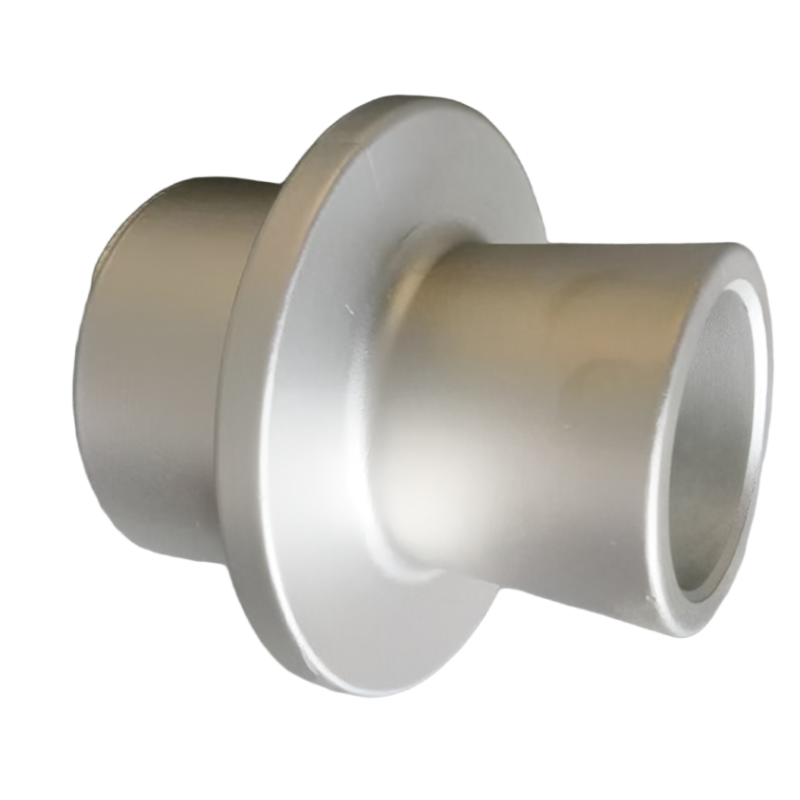
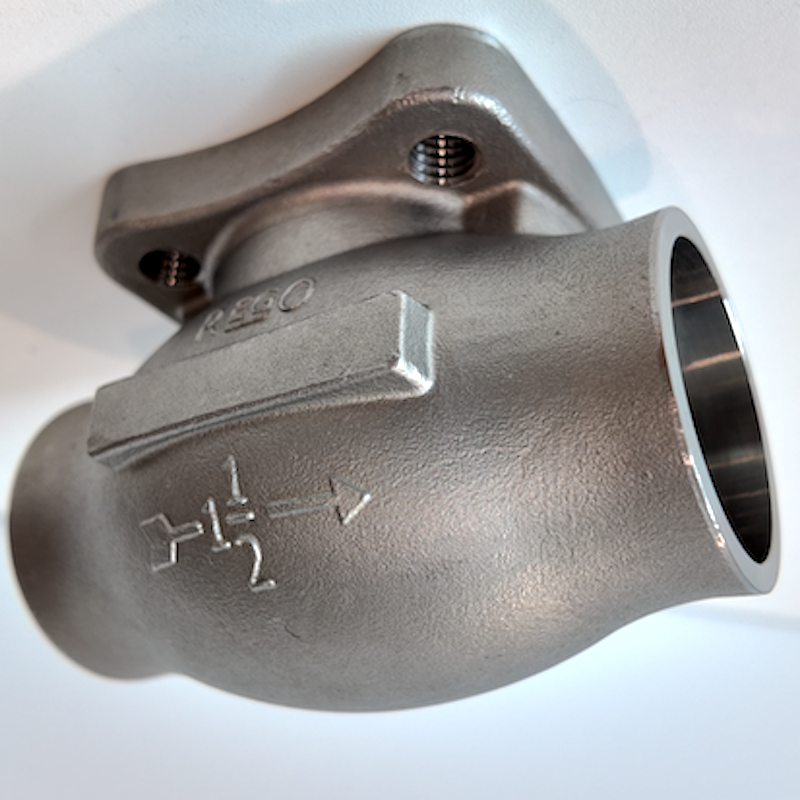
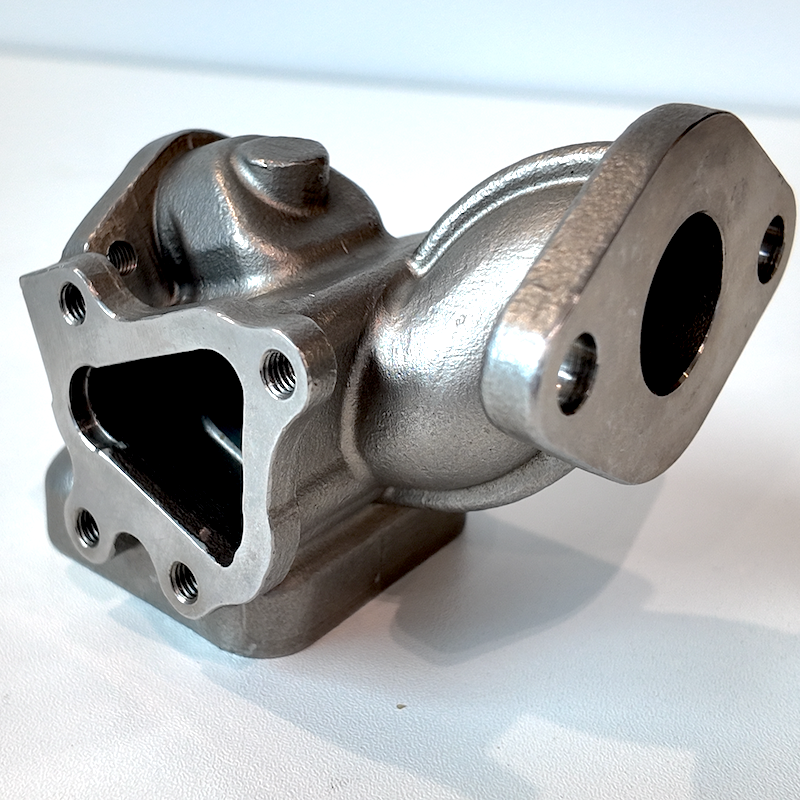
Turnkey metal casting and machining represents a comprehensive manufacturing solution that combines multiple production processes into a single streamlined service offering. This integrated approach encompasses the entire production cycle, from initial design consultation and prototype development through final casting, precision machining, surface finishing, quality inspection, and delivery of completed components. The main function of turnkey metal casting and machining is to provide clients with a one-stop manufacturing partner capable of handling complex metal component production without requiring coordination between multiple vendors. This service model incorporates various casting methods including sand casting, investment casting, die casting, and permanent mold casting, followed by precision machining operations such as CNC milling, turning, drilling, grinding, and threading. Technological features of turnkey metal casting and machining include advanced CAD/CAM integration for design optimization, sophisticated simulation software for predicting casting defects before production begins, state-of-the-art melting and pouring systems for consistent material properties, multi-axis CNC machining centers for achieving tight tolerances, and comprehensive quality control systems utilizing coordinate measuring machines and non-destructive testing methods. The applications for turnkey metal casting and machining span numerous industries including automotive manufacturing for engine blocks and transmission housings, aerospace components requiring high strength-to-weight ratios and precise dimensions, agricultural equipment parts demanding durability under harsh conditions, industrial machinery components, marine hardware exposed to corrosive environments, energy sector equipment including pump housings and valve bodies, construction equipment parts, and medical device components requiring biocompatible materials. This versatile manufacturing approach accommodates various metals and alloys such as aluminum, steel, stainless steel, bronze, brass, and specialty alloys, making turnkey metal casting and machining suitable for both high-volume production runs and specialized low-volume custom projects requiring exceptional quality standards.

New Products

Choosing turnkey metal casting and machining delivers substantial practical benefits that directly impact your bottom line and operational efficiency. First, this approach dramatically simplifies project management by consolidating all manufacturing stages under one roof, eliminating the headaches of coordinating between separate casting foundries and machine shops. You communicate with a single point of contact who understands your project from start to finish, reducing miscommunication risks and saving countless hours previously spent managing multiple vendor relationships. Second, cost savings become immediately apparent through reduced transportation expenses since components no longer travel between different facilities for casting and subsequent machining operations. The integrated pricing structure of turnkey metal casting and machining also eliminates markup layers that accumulate when subcontractors handle different production stages, resulting in more competitive final pricing for your components. Third, quality consistency improves significantly because the same team oversees the entire production process, maintaining strict standards from molten metal pouring through final inspection. This continuity prevents quality issues that often arise when casting defects go unnoticed until machining begins at a separate facility. Fourth, faster turnaround times become achievable as production scheduling becomes streamlined without waiting periods between vendors, and any necessary design modifications can be implemented quickly without renegotiating contracts with multiple parties. Fifth, turnkey metal casting and machining provides enhanced accountability since responsibility for the finished product rests with one manufacturer who cannot blame problems on another vendor's work. This accountability translates into proactive problem-solving and continuous improvement efforts benefiting your project outcomes. Sixth, technical expertise becomes more accessible as engineers specializing in both casting and machining collaborate on optimizing your component design for manufacturability, identifying cost-reduction opportunities without sacrificing performance. Seventh, inventory management simplifies dramatically when dealing with a single supplier rather than tracking components through multiple production stages at different locations. Eighth, intellectual property protection strengthens because fewer parties access your proprietary designs, reducing exposure risks associated with sharing technical information across multiple manufacturers. Finally, long-term partnership development becomes more valuable as your turnkey provider gains deep familiarity with your requirements, industry standards, and quality expectations, positioning them to suggest innovations and improvements that smaller specialized vendors might overlook.

Tips And Tricks

Which Quality Standards Should a Custom Lost Wax Casting Foundry Meet for Export Markets?

05

Jun

Which Quality Standards Should a Custom Lost Wax Casting Foundry Meet for Export Markets?

Selecting a manufacturing partner for precision components intended for international buyers is never a straightforward decision. When the supply chain depends on a custom lost wax casting foundry, procurement engineers and quality managers must go b...
View More
What Factors Affect Surface Finish Quality in Medium Temperature Wax Casting Processes?

05

Jun

What Factors Affect Surface Finish Quality in Medium Temperature Wax Casting Processes?

Surface finish quality is one of the most critical performance indicators in precision investment casting, and it is directly shaped by the variables embedded in the medium temperature wax casting process. Unlike standard casting methods, medium temp...
View More
How Do OEM ODM Precision Casting Services Support Flexible Design and Rapid Prototyping?

26

Jun

How Do OEM ODM Precision Casting Services Support Flexible Design and Rapid Prototyping?

Figure 1: Custom Valve Body Fabricated via Precision Investment Casting, Featuring Crisp Surface Details and Net-Shape Integrity. In today's fast-evolving manufacturing landscape, the ability to move from concept to production-ready component quickly...
View More
Why Are Stainless Steel Investment Castings Preferred for Corrosion Resistant Applications?

26

Jun

Why Are Stainless Steel Investment Castings Preferred for Corrosion Resistant Applications?

In demanding industrial environments where moisture, chemicals, and extreme temperatures are constant threats, material selection is one of the most critical engineering decisions a manufacturer can make. Among the available manufacturing methods, st...
View More

Get a Free Quote

Our representative will contact you soon.
Email
Name
Mobile
Company Name
Message
0/1000

turnkey metal casting and machining

Complete Design-to-Delivery Integration Eliminates Production Complexity

Complete Design-to-Delivery Integration Eliminates Production Complexity

The comprehensive integration offered by turnkey metal casting and machining fundamentally transforms how manufacturers approach component production by eliminating the traditional fragmentation that plagues multi-vendor projects. When you partner with a turnkey provider, you gain access to a fully integrated production ecosystem where casting engineers, machining specialists, quality control professionals, and project managers work collaboratively under one operational framework. This integration begins at the earliest design stages, where experienced engineers evaluate your specifications with both casting feasibility and machining requirements in mind, identifying potential issues before they become costly problems during production. The casting design can be optimized to minimize machining stock removal, reducing cycle times and material waste while ensuring critical features receive appropriate machining allowances for achieving specified tolerances. This holistic approach to turnkey metal casting and machining means that tooling decisions consider both casting pattern requirements and subsequent machining fixture needs, creating synergies that reduce overall tooling investments. The production scheduling benefits prove equally significant, as the facility can coordinate casting campaigns with machining capacity, eliminating the idle time components typically experience when waiting for transport between separate vendors or sitting in queue at the next production stage. Quality feedback loops become immediate and actionable within turnkey metal casting and machining operations, as machining operators who discover casting inconsistencies can communicate directly with foundry personnel for rapid corrective action, rather than initiating formal complaint processes with external suppliers. This tight integration also enables sophisticated just-in-time production strategies where casting and machining sequences align with your delivery schedule, reducing your inventory carrying costs and improving cash flow management. The documentation trail remains unified and accessible, with casting certifications, machining inspection reports, and material test results maintained in a single coherent quality package that simplifies compliance verification and traceability requirements critical in regulated industries like aerospace and medical devices.
Superior Quality Control Through Unified Process Ownership

Superior Quality Control Through Unified Process Ownership

Quality assurance reaches unprecedented levels of effectiveness within turnkey metal casting and machining operations because process ownership remains undivided throughout the entire manufacturing sequence. Traditional multi-vendor approaches create quality vulnerabilities at every handoff point, where casting defects might go undetected until machining begins, leading to finger-pointing and costly delays while responsibility gets determined. In contrast, turnkey metal casting and machining eliminates these accountability gaps by maintaining complete ownership from molten metal preparation through final inspection of machined components. The quality control methodology starts with incoming material verification, ensuring alloy compositions meet specifications before casting begins, followed by process monitoring during melting, pouring, and solidification phases using thermocouples and solidification modeling software. Initial casting inspection utilizes visual examination, dimensional verification, and non-destructive testing methods such as radiography or ultrasonic inspection to identify internal defects before machining resources get invested in flawed castings. This early detection capability inherent in turnkey metal casting and machining prevents the waste associated with machining components later discovered to contain subsurface porosity or inclusions. As components move into machining operations, the continuity of quality documentation means machinists understand exactly which casting characteristics require special attention, adjusting cutting strategies and inspection frequencies accordingly. Statistical process control data from both casting and machining operations gets analyzed collectively, revealing correlations between casting parameters and subsequent machining performance that would remain hidden when operations occur at separate facilities. The unified quality management system supporting turnkey metal casting and machining enables root cause analysis to trace defects back through the entire production history, whether issues originated in alloy chemistry, mold design, solidification conditions, or machining parameters. Final inspection protocols verify both casting integrity and machined feature accuracy simultaneously, with coordinate measuring machine data confirming that finished dimensions fall within specified tolerances while material certifications verify chemical and mechanical properties. This comprehensive quality approach delivers components with documented traceability and verified conformance, reducing your incoming inspection burden and accelerating your assembly operations.
Accelerated Time-to-Market with Streamlined Development Cycles

Accelerated Time-to-Market with Streamlined Development Cycles

The speed advantages inherent in turnkey metal casting and machining extend far beyond simple production scheduling, encompassing the entire product development lifecycle from initial concept through production ramp-up. When prototype development begins, having casting and machining capabilities integrated under one roof means design iterations happen rapidly without the delays associated with coordinating prototype orders across multiple vendors who each maintain separate scheduling systems and minimum order requirements. Your turnkey partner can quickly produce test castings, machine them to specification, evaluate results, implement design modifications, and repeat the cycle in timeframes impossible to achieve when components travel between separate facilities. This rapid iteration capability proves invaluable during the critical development phase when design refinements based on testing feedback can mean the difference between market leadership and playing catch-up with competitors. The production ramp-up phase benefits equally from turnkey metal casting and machining integration, as lessons learned during prototyping transfer seamlessly to production personnel who already understand the component requirements and potential challenges. Tooling development for both casting patterns and machining fixtures proceeds in parallel with coordinated design reviews ensuring compatibility, rather than sequential development where machining fixture designers must work around limitations created by casting tooling decisions made in isolation. When production begins, the elimination of inter-facility transportation immediately removes several days from each production cycle, but the scheduling efficiency gains prove even more significant. Traditional approaches require buffer inventory between casting and machining operations to accommodate the scheduling mismatches between separate facilities, whereas turnkey metal casting and machining enables direct flow from casting shake-out through machining operations with minimal queue time. Rush orders and priority changes get implemented efficiently since one production control system manages the entire workflow rather than requiring negotiations between separate vendors with conflicting priorities. Engineering change orders flow smoothly through integrated turnkey metal casting and machining operations, with revision implementation coordinated across both process stages simultaneously rather than cascading changes sequentially through multiple suppliers, each introducing additional delay.

Get a Free Quote

Our representative will contact you soon.
Email
Name
Mobile
Company Name
Message
0/1000