Turnkey Steel Casting Manufacturer - Complete End-to-End Casting Solutions

Get a Free Quote

Our representative will contact you soon.
Email
Name
Company Name
Message
0/1000

turnkey steel casting manufacturer

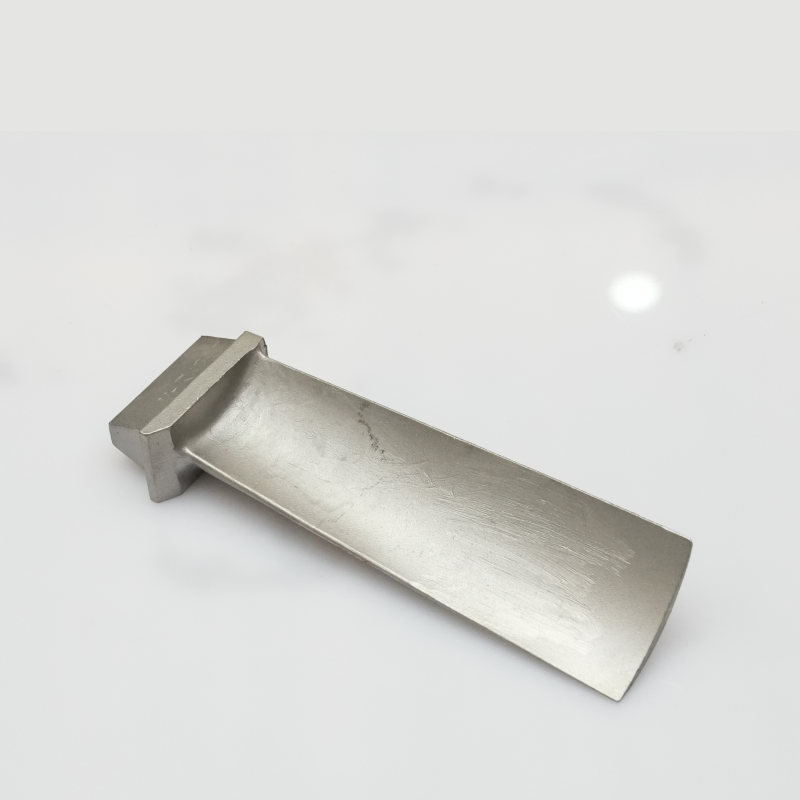
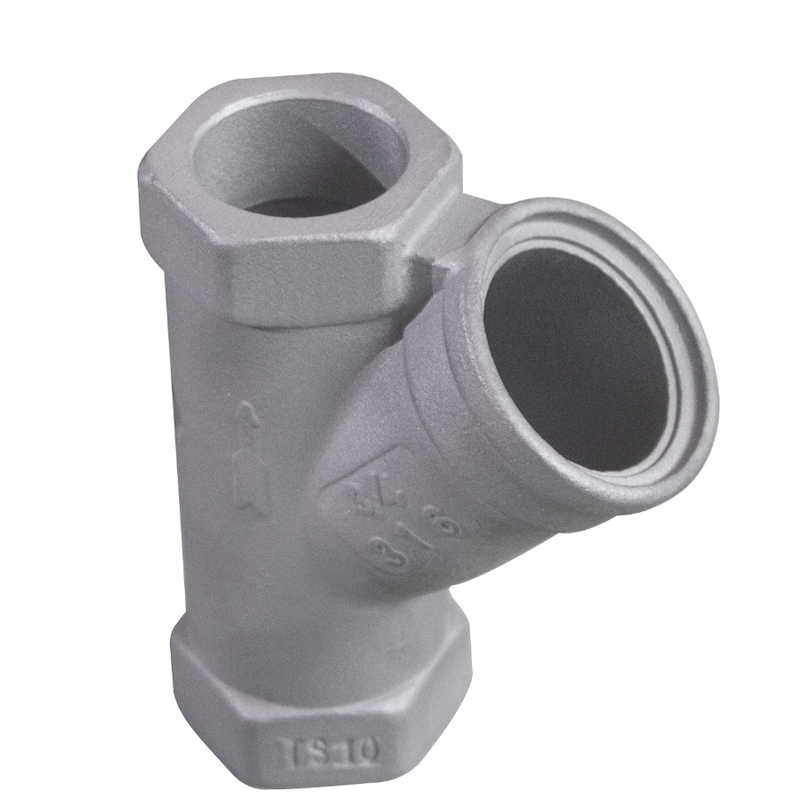
A turnkey steel casting manufacturer represents a comprehensive manufacturing partner that handles every aspect of steel casting production from initial design through final delivery. This type of manufacturer offers an end-to-end solution for clients seeking precision-engineered steel components without the complexity of managing multiple vendors. The main functions of a turnkey steel casting manufacturer encompass design consultation, pattern making, mold creation, melting and pouring, heat treatment, machining, quality inspection, and finishing services. By consolidating these critical processes under one roof, clients benefit from streamlined communication, reduced lead times, and enhanced quality control throughout the production cycle. The technological features employed by modern turnkey steel casting manufacturers include advanced computer-aided design systems, simulation software for casting optimization, automated molding equipment, state-of-the-art furnaces with precise temperature controls, non-destructive testing equipment, and CNC machining centers. These technologies enable manufacturers to produce complex geometries with tight tolerances while maintaining consistent material properties. The applications for steel castings produced through turnkey manufacturing services span numerous industries including mining, construction, energy generation, transportation, agriculture, defense, and heavy machinery. Common products include valve bodies, pump housings, gear cases, structural components, wear-resistant parts, and custom-engineered pieces for specialized equipment. The versatility of steel casting allows for components ranging from a few pounds to several tons, accommodating diverse project requirements. Working with a turnkey steel casting manufacturer eliminates the challenges of coordinating between separate pattern makers, foundries, heat treatment facilities, and machine shops, providing clients with a single point of contact and accountability for their entire project lifecycle.

New Products

Choosing a turnkey steel casting manufacturer delivers substantial practical benefits that directly impact your project timeline, budget, and final product quality. The single-source responsibility model means you work with one dedicated team from concept to completion, eliminating communication gaps that often occur when multiple vendors handle different production stages. This unified approach saves significant time because you avoid the delays associated with transferring components between facilities, rescheduling around multiple calendars, and resolving disputes about which vendor caused quality issues. Cost savings emerge from multiple angles when partnering with a turnkey steel casting manufacturer. You eliminate markup fees that intermediate handlers typically add, reduce shipping expenses between separate facilities, and avoid duplicate setup charges across multiple vendors. The manufacturer can optimize material usage across your entire project rather than each vendor ordering separately, which reduces waste and lowers raw material costs. Quality consistency improves dramatically because one facility maintains control over every production variable. The same quality standards, inspection protocols, and documentation systems apply throughout manufacturing, creating traceability that helps identify and correct issues quickly. When problems arise, resolution happens faster because the manufacturer owns the complete process and can implement corrections immediately without vendor negotiations. Project management becomes considerably simpler as you communicate requirements once to a single team that understands your complete vision. The manufacturer develops deep familiarity with your specifications, preferences, and applications, becoming a knowledgeable partner who can suggest improvements and anticipate challenges. Technical expertise concentrates in one location, giving you access to metallurgists, design engineers, casting specialists, and quality professionals who collaborate seamlessly on your behalf. Flexibility increases because the manufacturer can adjust priorities, reallocate resources, and modify schedules across departments to meet your changing needs. Rush orders become more manageable when one facility controls all production stages rather than coordinating expedited service across multiple companies. Warranty and support services simplify significantly with one accountable party standing behind the complete product rather than fragmented responsibilities where each vendor covers only their contribution. Long-term partnership potential grows stronger as the manufacturer invests in understanding your business, industry, and future needs, positioning them to support your growth with scalable manufacturing capacity and continuous improvement initiatives.

Latest News

Basic Principles Of Design Of Precision Casting Gating System

11

May

Basic Principles Of Design Of Precision Casting Gating System

View More
The Role Of Elements In Castings And The Order Of Addition

11

May

The Role Of Elements In Castings And The Order Of Addition

View More
Stainless Steel Castings for Building Facade Systems

11

May

Stainless Steel Castings for Building Facade Systems

View More
Precision Stainless Steel Exhaust Manifold Casting Solution For Luxury Sedan - With Japanese First-Tier Car Brand

11

May

Precision Stainless Steel Exhaust Manifold Casting Solution For Luxury Sedan - With Japanese First-Tier Car Brand

View More

Get a Free Quote

Our representative will contact you soon.
Email
Name
Company Name
Message
0/1000

turnkey steel casting manufacturer

Integrated Design and Engineering Capabilities

Integrated Design and Engineering Capabilities

The integrated design and engineering capabilities offered by a turnkey steel casting manufacturer represent a fundamental advantage that transforms how clients develop and refine their components. Rather than presenting a completed design to a foundry and hoping for successful production, clients engage with engineering professionals who understand casting constraints from the project inception. This collaborative approach begins with design review sessions where experienced engineers analyze CAD models, identify potential casting challenges, and recommend modifications that improve manufacturability without compromising functionality. The value of this integrated service extends far beyond simple feasibility assessments. Engineers employ sophisticated simulation software that predicts how molten steel will flow through mold cavities, identifying areas where turbulence might create defects, sections where insufficient feeding could cause shrinkage porosity, and regions requiring careful gating design to ensure complete filling. These virtual trials occur before any physical tooling investment, allowing design iterations that optimize both casting quality and production efficiency. The engineering team considers the complete manufacturing sequence, ensuring that features requiring machining remain accessible, that draft angles facilitate mold release, and that wall thickness variations stay within acceptable ranges to prevent differential cooling problems. Pattern design receives equal attention, with engineers specifying core configurations that create internal passages, determining parting line locations that minimize post-casting work, and calculating shrinkage allowances specific to the chosen steel grade and component geometry. This holistic engineering perspective prevents the costly redesigns and production delays that plague projects where design and manufacturing remain disconnected. Metallurgical expertise forms another critical component of integrated engineering services. Specialists recommend optimal steel grades based on mechanical property requirements, operating environments, and heat treatment responses. They specify chemistry ranges that balance strength, toughness, weldability, and machinability according to application demands. This material selection guidance ensures that the turnkey steel casting manufacturer produces components meeting performance requirements without over-specifying expensive alloys where less costly alternatives would suffice. The engineering relationship continues throughout production as professionals monitor trial castings, analyze inspection results, and implement refinements that enhance quality or reduce costs, creating a continuous improvement cycle that benefits both current projects and future orders.
Comprehensive Quality Control and Testing Infrastructure

Comprehensive Quality Control and Testing Infrastructure

The comprehensive quality control and testing infrastructure maintained by a turnkey steel casting manufacturer provides assurance that components meet exacting standards through rigorous verification at every production stage. This quality framework begins with incoming material inspection, where raw materials undergo chemical analysis and documentation review confirming compliance with specified grades. The foundry maintains calibrated spectrometers that analyze steel chemistry during melting, ensuring proper alloy composition before pouring begins. Temperature monitoring systems track metal throughout the melting and holding process, preventing pours outside optimal ranges that could compromise mechanical properties. Pattern and mold inspection occurs before every production run, with dimensional verification confirming that tooling remains within tolerance and identifying wear requiring maintenance. During casting operations, experienced personnel monitor pour rates, observe metal flow characteristics, and document process parameters creating traceability for each production batch. Post-casting inspection employs multiple complementary techniques providing thorough defect detection. Visual examination identifies surface irregularities, dimensional measurement confirms conformance to drawings, and non-destructive testing reveals internal discontinuities without damaging components. The turnkey steel casting manufacturer typically maintains equipment for magnetic particle inspection detecting surface and near-surface cracks, ultrasonic testing identifying internal voids or inclusions, radiographic examination providing detailed images of internal structure, and liquid penetrant inspection revealing fine surface defects. This diverse testing capability allows appropriate method selection based on component geometry, required sensitivity, and acceptance standards. Mechanical testing laboratories provide destructive verification of material properties through tensile testing measuring strength and ductility, Charpy impact testing evaluating toughness across temperature ranges, and hardness testing confirming proper heat treatment response. Metallographic examination prepares cross-sections revealing microstructure, grain size, and inclusion content, while chemical analysis verifies composition throughout components rather than relying solely on ladle samples. Documentation systems create comprehensive quality records connecting each finished component to raw material certifications, process parameters, inspection results, and test data. This traceability proves invaluable when investigating field issues, qualifying components for critical applications, or demonstrating compliance with industry standards and customer specifications. The quality infrastructure maintained by a turnkey steel casting manufacturer exceeds what most individual facilities provide, delivering confidence that components will perform reliably in demanding service conditions while meeting regulatory requirements and industry certifications.
Complete Manufacturing Services Under One Roof

Complete Manufacturing Services Under One Roof

The complete manufacturing services offered under one roof by a turnkey steel casting manufacturer eliminate the logistical complexity and quality risks associated with splitting production across multiple facilities. This consolidated approach encompasses every transformation step from raw material to finished component, creating efficiency advantages impossible to achieve through vendor networks. The manufacturing sequence begins with pattern and core making capabilities that produce the tooling required for each unique casting design. In-house pattern shops fabricate masters from wood, plastic, or metal according to project requirements, while core rooms produce sand cores creating internal passages within castings. This integrated tooling capability allows rapid pattern modifications responding to design changes or casting trials without external vendor delays. Melting operations utilize modern furnaces providing precise temperature control and chemistry management across various steel grades. Electric arc furnaces, induction furnaces, or other melting equipment match production volumes and alloy requirements, while ladle metallurgy stations perform final chemistry adjustments and degassing treatments improving steel cleanliness. The molding department employs appropriate techniques for project specifications, including green sand molding for versatile high-volume production, resin-bonded sand systems creating precise dimensions with excellent surface finish, and investment casting methods producing complex geometries with minimal machining. This process flexibility allows the turnkey steel casting manufacturer to select optimal methods balancing quality requirements against cost considerations. Heat treatment facilities provide thermal processing that develops required mechanical properties through controlled heating and cooling cycles. Annealing relieves internal stresses and improves machinability, normalizing refines grain structure, quenching and tempering develops high strength with adequate toughness, and stress relieving prevents distortion during subsequent machining. Pyrometry systems and furnace instrumentation ensure precise temperature control throughout thermal cycles, while furnace loading configurations promote uniform heating across component batches. Machining centers perform secondary operations transforming rough castings into finished components with machined surfaces, threaded holes, and tight tolerances. CNC equipment provides precision and repeatability, while experienced machinists develop optimal tooling strategies, fixturing methods, and cutting parameters for cast steel materials. Finishing services complete the manufacturing sequence with coating application, assembly operations, and final inspection before shipping. This comprehensive service portfolio means clients receive ready-to-install components rather than rough castings requiring additional vendor coordination. The single-facility approach maintained by a turnkey steel casting manufacturer reduces transportation costs, eliminates inter-vendor scheduling conflicts, and creates accountability where one organization controls quality throughout the complete manufacturing process, ultimately delivering superior results compared to fragmented production networks.

Get a Free Quote

Our representative will contact you soon.
Email
Name
Company Name
Message
0/1000