Custom Mechanical Components - Precision Engineered Parts for Your Exact Specifications

Get a Free Quote

Our representative will contact you soon.
Email
Name
Company Name
Message
0/1000

custom mechanical components

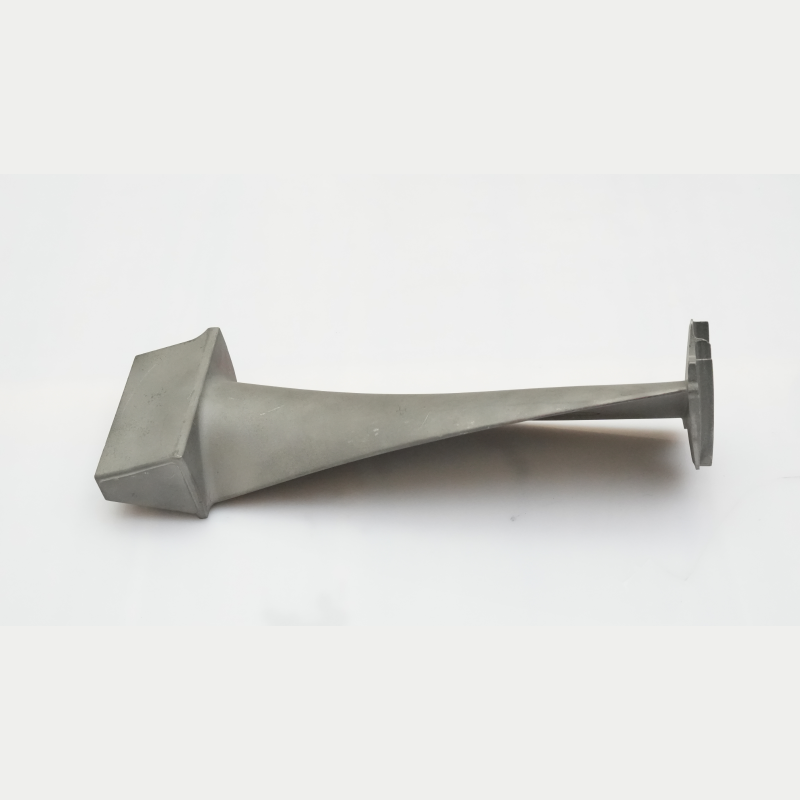
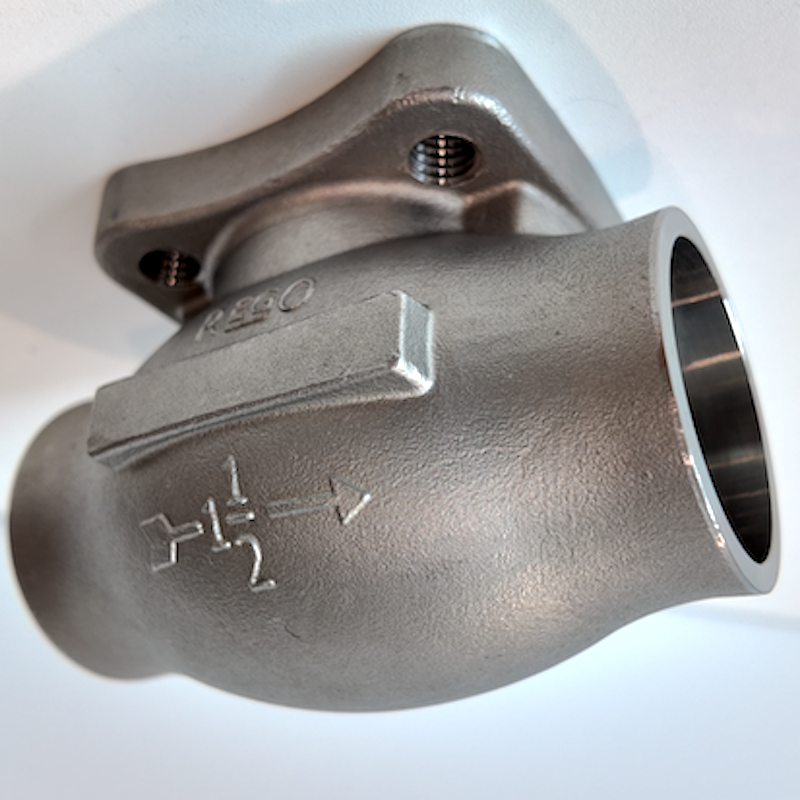
Custom mechanical components represent specialized engineered parts designed and manufactured to meet specific operational requirements that standard off-the-shelf products cannot fulfill. These precision-crafted elements serve as the backbone of countless industrial applications, providing tailored solutions for unique mechanical challenges across diverse sectors. The main function of custom mechanical components revolves around delivering exact specifications that align perfectly with particular machinery, equipment, or system demands. Unlike mass-produced alternatives, these components are developed through collaborative engineering processes where manufacturers work closely with clients to understand their precise needs, operational environments, and performance expectations. Custom mechanical components encompass a wide range of products including gears, shafts, bearings, housings, brackets, fasteners, couplings, pulleys, and numerous other mechanical elements that can be fabricated from various materials such as steel, aluminum, brass, bronze, plastics, and composite materials. The technological features of custom mechanical components include advanced CAD modeling capabilities, computer numerical control machining precision, sophisticated material selection processes, and rigorous quality control protocols. Modern manufacturing facilities employ state-of-the-art equipment including CNC mills, lathes, grinders, and coordinate measuring machines to ensure dimensional accuracy down to micron levels. The applications for custom mechanical components span virtually every industrial sector imaginable. Manufacturing facilities rely on these specialized parts to maintain production lines, while aerospace companies require them for aircraft systems where failure is not an option. The automotive industry utilizes custom mechanical components for prototypes and specialized vehicles, medical device manufacturers depend on them for life-saving equipment, and energy sector operations incorporate them into power generation and distribution systems. Agricultural machinery, construction equipment, robotics, automation systems, and marine applications all benefit from the precision and reliability that custom mechanical components provide. The versatility of these components makes them indispensable for businesses seeking to optimize performance, extend equipment lifespan, and maintain competitive advantages in their respective markets.

New Product Recommendations

Choosing custom mechanical components offers substantial practical benefits that directly impact your operational efficiency and bottom line. First and foremost, these specialized parts provide perfect dimensional fit, eliminating the compromise that comes with adapting standard components to non-standard applications. When your equipment uses parts designed specifically for its requirements, you experience smoother operation, reduced vibration, and minimized wear on surrounding components. This precision fit translates directly into longer service life and fewer unexpected breakdowns that disrupt production schedules. Custom mechanical components give you complete control over material selection, allowing you to choose substances that best withstand your specific operating conditions. Whether you face extreme temperatures, corrosive environments, high-pressure situations, or constant vibration, you can specify materials engineered to excel under those exact circumstances. This targeted approach to material selection dramatically improves component durability and reduces replacement frequency. The financial advantages become apparent when you consider total cost of ownership rather than just initial purchase price. While custom mechanical components may carry higher upfront costs compared to standard parts, they typically deliver superior value through extended operational life, reduced maintenance requirements, and decreased downtime. A single custom component that lasts three times longer than a standard alternative and prevents two costly production stoppages quickly justifies its premium price. Custom mechanical components also solve design challenges that would otherwise require expensive workarounds or complete system redesigns. When space constraints, unusual mounting configurations, or unique performance parameters make standard parts unsuitable, custom solutions provide elegant answers without forcing you to rebuild entire assemblies. This flexibility accelerates product development timelines and brings innovations to market faster. Quality control represents another significant advantage, as custom mechanical components undergo rigorous inspection protocols tailored to their specific applications. Manufacturers document every dimension, material property, and surface finish, providing complete traceability and assurance that parts meet exact specifications. This level of quality verification proves particularly valuable in regulated industries where component failure could have serious consequences. The collaborative engineering process behind custom mechanical components brings expert knowledge to your specific challenges. Experienced manufacturers offer design recommendations that optimize performance, suggest manufacturing techniques that improve consistency, and identify potential issues before they become expensive problems. This partnership approach means you benefit from decades of manufacturing expertise applied directly to your unique requirements. Additionally, custom mechanical components support intellectual property protection by enabling proprietary designs that competitors cannot easily replicate. When your products incorporate unique mechanical solutions, you maintain differentiation in crowded markets and protect your innovations from commoditization.

Tips And Tricks

Basic Principles Of Design Of Precision Casting Gating System

11

May

Basic Principles Of Design Of Precision Casting Gating System

View More
Selection And Application Scope Of Hardness Tester

11

May

Selection And Application Scope Of Hardness Tester

View More
The Role Of Elements In Castings And The Order Of Addition

11

May

The Role Of Elements In Castings And The Order Of Addition

View More
Precision Stainless Steel Exhaust Manifold Casting Solution For Luxury Sedan - With Japanese First-Tier Car Brand

11

May

Precision Stainless Steel Exhaust Manifold Casting Solution For Luxury Sedan - With Japanese First-Tier Car Brand

View More

Get a Free Quote

Our representative will contact you soon.
Email
Name
Company Name
Message
0/1000

custom mechanical components

Precision Engineering Tailored to Exact Specifications

Precision Engineering Tailored to Exact Specifications

The cornerstone advantage of custom mechanical components lies in their ability to meet exact specifications that standard catalog parts simply cannot achieve. This precision engineering approach begins with comprehensive analysis of your application requirements, operating environment, and performance objectives. Manufacturers employ advanced computer-aided design software to model components in three-dimensional space, allowing engineers to visualize how parts will interact with surrounding elements and identify potential interference or clearance issues before any material is cut. This digital prototyping capability saves considerable time and money by catching design flaws during the planning phase rather than after expensive tooling has been created. The precision of custom mechanical components extends beyond just dimensional accuracy to encompass critical features like surface finishes, heat treatment specifications, and geometric tolerances that affect functionality. When a shaft requires specific roundness tolerance to minimize vibration, or when a gear needs particular tooth profile accuracy to ensure smooth power transmission, custom manufacturing processes can achieve these exacting standards. Computer numerical control machining technology enables repeatable accuracy measured in thousandths of an inch or hundredths of a millimeter, ensuring that every component matches the engineering drawings exactly. This level of precision becomes particularly important in high-speed applications where even minor imbalances can cause catastrophic failures, or in assemblies where multiple components must work together with minimal clearance. The value of precision-engineered custom mechanical components becomes especially apparent in replacement part scenarios. When equipment manufacturers discontinue legacy parts or when original components prove inadequate for modified operating conditions, custom manufacturing can recreate or improve upon original specifications. Reverse engineering capabilities allow manufacturers to measure existing parts, create detailed drawings, and produce replacements that match or exceed original performance characteristics. This capability extends the operational life of valuable equipment that might otherwise face premature retirement due to parts unavailability. Furthermore, precision engineering of custom mechanical components supports continuous improvement initiatives by enabling incremental design refinements based on operational experience. As you gather performance data from initial component versions, manufacturers can implement modifications that enhance durability, reduce weight, improve efficiency, or address wear patterns observed in service. This iterative optimization process, impossible with fixed-specification catalog parts, allows your equipment to evolve and improve over time.
Material Versatility for Optimal Performance

Material Versatility for Optimal Performance

Custom mechanical components offer unparalleled material versatility that allows you to select the ideal substance for your specific operating conditions and performance requirements. This flexibility represents a fundamental advantage over standard parts, which are typically manufactured from materials chosen for broad applicability rather than optimal performance in particular environments. The material selection process for custom mechanical components considers numerous factors including mechanical properties like tensile strength, hardness, and fatigue resistance, environmental factors such as temperature extremes, chemical exposure, and moisture levels, as well as practical considerations including machinability, cost, and availability. Metals remain the most common material category for custom mechanical components, with options spanning from common carbon steels to exotic superalloys. Steel alloys provide excellent strength-to-cost ratios and can be heat-treated to achieve specific hardness levels, making them ideal for high-load applications like gears, shafts, and structural supports. Stainless steel varieties offer corrosion resistance essential for food processing equipment, marine applications, and chemical processing environments. Aluminum alloys deliver exceptional strength-to-weight ratios crucial for aerospace applications and portable equipment where every ounce matters. Brass and bronze materials provide natural lubricity and corrosion resistance valuable in bearing applications and marine hardware. For extreme environments, custom mechanical components can be manufactured from specialized materials like titanium for its exceptional strength and corrosion resistance, Inconel for high-temperature applications exceeding steel capabilities, or tool steels that maintain hardness under severe wear conditions. Engineering plastics and composite materials offer another dimension of material versatility for custom mechanical components. These materials provide advantages including chemical resistance, electrical insulation, noise dampening, and reduced weight compared to metallic alternatives. High-performance polymers like PEEK, Delrin, and Torlon can replace metals in many applications while offering superior resistance to specific chemicals or reducing friction without lubrication. Composite materials combining fibers with resin matrices deliver exceptional strength-to-weight ratios and can be engineered with directional properties that optimize performance for specific load patterns. The ability to specify material treatments and coatings further enhances the versatility of custom mechanical components. Surface treatments like carburizing, nitriding, or shot peening improve wear resistance and fatigue life. Protective coatings including electroplating, anodizing, or powder coating provide corrosion protection while maintaining dimensional accuracy. This comprehensive approach to material selection and treatment ensures that custom mechanical components deliver optimal performance throughout their service life, regardless of how demanding the operating environment may be.
Rapid Prototyping and Scalable Production Capabilities

Rapid Prototyping and Scalable Production Capabilities

Modern custom mechanical components manufacturing combines rapid prototyping capabilities with scalable production processes that accommodate projects ranging from single prototype units to high-volume production runs. This flexibility provides tremendous value throughout product development cycles and during various phases of commercial production. The rapid prototyping phase allows you to physically test designs before committing to expensive tooling or large production quantities. Advanced manufacturing technologies including CNC machining, additive manufacturing, and precision casting enable creation of functional prototypes within days rather than weeks, dramatically accelerating development timelines. These prototype custom mechanical components use the same materials and manufacturing processes planned for production parts, ensuring that test results accurately predict how final components will perform in actual service conditions. Engineers can evaluate fit, function, and performance characteristics, make necessary refinements, and verify improvements through additional prototype iterations. This iterative development process, facilitated by rapid prototyping of custom mechanical components, significantly reduces the risk of costly design errors appearing after full production launch. The ability to hold a physical prototype, install it in actual equipment, and observe its performance under real operating conditions provides insights that computer simulations alone cannot deliver. As designs mature and production requirements increase, custom mechanical components manufacturing scales efficiently to meet growing demand. Manufacturers maintain relationships with material suppliers and have established production processes that can ramp up from prototype quantities to pilot production runs and eventually to full-scale manufacturing without requiring complete process redesigns. This scalability proves particularly valuable for startup companies and established firms launching new product lines, as it eliminates the need to change suppliers or renegotiate agreements as volume requirements grow. Quality remains consistent across this scaling process because the same engineering drawings, material specifications, and inspection protocols apply whether producing five components or five thousand. Production flexibility extends to accommodate varying order quantities that match your specific business needs. Unlike mass-produced standard parts available only in bulk quantities, custom mechanical components can be manufactured in economic lot sizes aligned with your inventory management strategy and cash flow considerations. This flexibility prevents capital from being tied up in excessive inventory while ensuring adequate supply to meet production schedules. Manufacturers of custom mechanical components often provide value-added services including assembly, kitting, and vendor-managed inventory programs that further streamline your supply chain operations. These comprehensive capabilities transform component suppliers into strategic partners who contribute actively to your operational efficiency and product success. The combination of rapid prototyping and scalable production makes custom mechanical components accessible and practical for organizations of all sizes, from individual inventors and small manufacturers to large corporations with complex supply chain requirements.

Get a Free Quote

Our representative will contact you soon.
Email
Name
Company Name
Message
0/1000