
 EN
EN
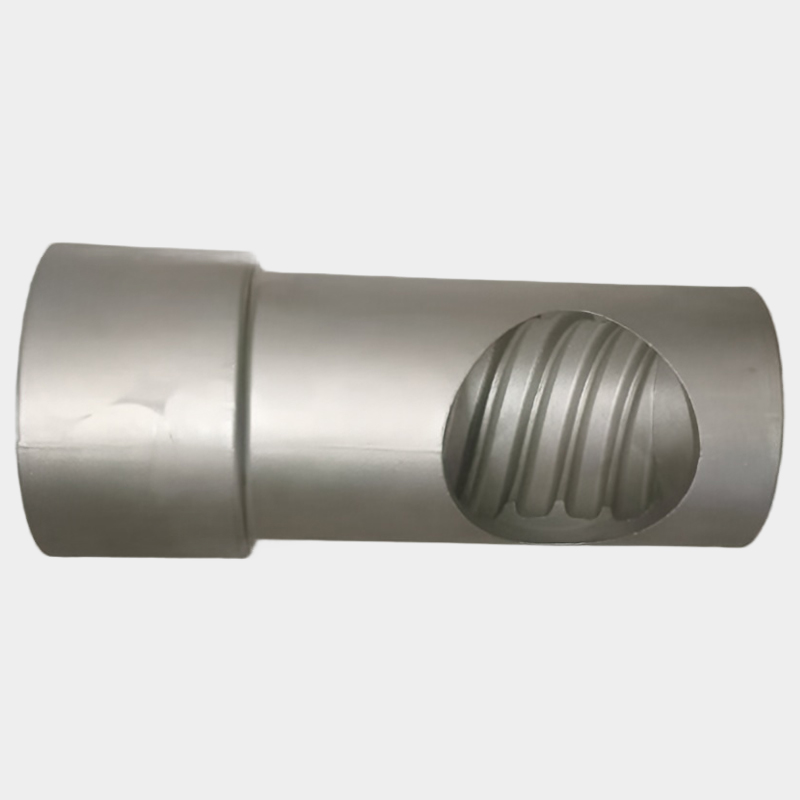
When engineering teams and procurement managers begin sourcing partners for complex metal components, one of the most critical decisions they face is choosing the right provider of prototype to production casting services. This decision is not simply about finding a foundry that can pour metal into a mold — it is about identifying a partner capable of seamlessly managing the entire journey from an initial design concept through validated prototypes and, ultimately, into high-volume production runs. The stakes are high: delays, dimensional inconsistencies, or poor metallurgical quality at any stage can result in costly rework, missed market windows, and reputational damage to the buyer's own brand.
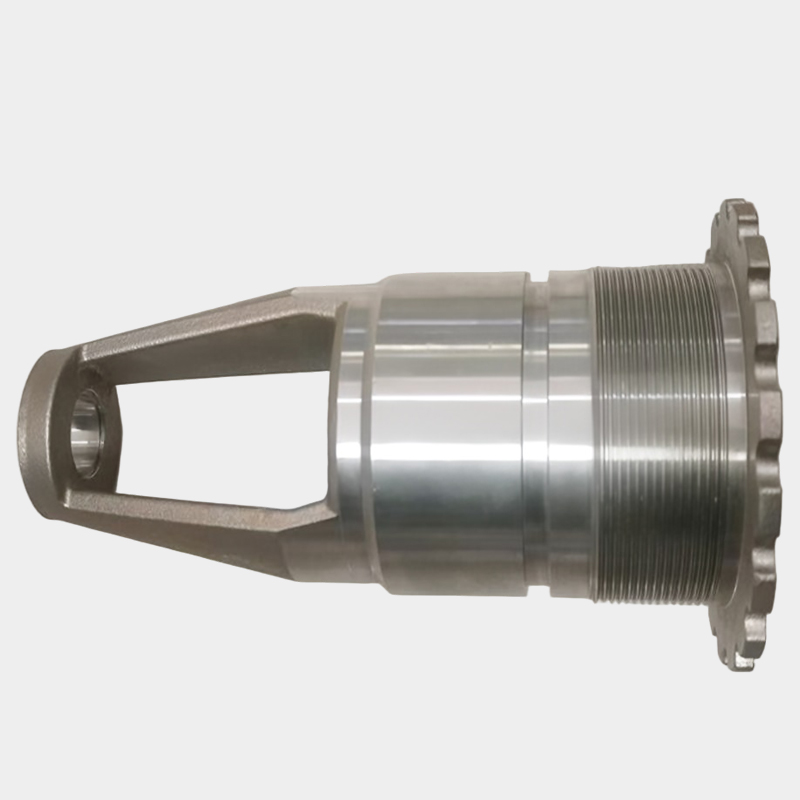
Understanding what to expect from a reliable provider of prototype to production casting services requires buyers to look beyond price sheets and lead time promises. It demands a structured evaluation of technical capabilities, process discipline, quality systems, and collaborative communication practices. This article explores the key dimensions that distinguish genuinely capable providers from those who merely advertise broad casting capabilities. Whether you are sourcing components for turbine casings, industrial housings, or precision structural parts, the expectations outlined here will help you ask the right questions, set appropriate benchmarks, and build a supply relationship that can scale alongside your business needs.
The Foundation of Reliable Prototype to Production Casting Services
Integrated Engineering Support from Day One
A trustworthy provider of prototype to production casting services does not wait for buyers to arrive with finished drawings. Instead, they engage early in the design phase through Design for Manufacturability (DFM) reviews, casting simulation, and material selection guidance. This upstream involvement is critical because casting geometry significantly affects part quality, dimensional stability, and yield rates. A provider that offers genuine DFM support can identify draft angles, wall thickness issues, or gating system challenges before tooling is ever cut, saving time and cost at every subsequent stage.
Engineering collaboration during the prototype stage also means the provider is building institutional knowledge about the component, the alloy behavior, and the process parameters required for consistent results. When this knowledge is properly documented, the transition from prototype to production becomes far smoother. Buyers should expect their casting partner to maintain detailed process records, simulation data, and inspection reports from the very first cast. This documentation is not administrative overhead — it is the technical foundation that makes scalable, repeatable production possible.
Providers who invest in casting simulation software, such as solidification modeling and thermal analysis tools, demonstrate a commitment to engineering rigor that pays dividends in reduced trial iterations and faster time to approval. When evaluating prototype to production casting services, ask prospective partners specifically how they document and transfer engineering knowledge across the prototype and production phases.
Tooling Strategy and Transition Readiness
Tooling is one of the most expensive and time-sensitive elements of any casting program. A capable provider understands that prototype tooling and production tooling often have different design priorities — prototype tooling may prioritize flexibility and speed, while production tooling must prioritize durability, cycle time, and dimensional consistency at scale. Reliable prototype to production casting services providers develop a clear tooling roadmap that anticipates this transition from the outset.
Buyers should expect transparency about tooling ownership, maintenance schedules, expected tool life, and the conditions under which tooling modifications will be required. Hidden tooling costs and ambiguous ownership terms are common sources of conflict in casting supply relationships. Reputable providers clearly define these terms in their service agreements and proactively communicate tooling condition updates throughout the program lifecycle.
Additionally, the best providers maintain a structured qualification process for transitioning tooling from prototype to production status. This includes dimensional validation, first article inspection (FAI), and process capability studies before any volume production commences. Without this structured transition, buyers risk receiving high-volume parts that meet prototype-era acceptance criteria but fail the tighter tolerances and performance requirements that production applications demand.
Quality Systems and Process Control Throughout the Casting Lifecycle
Certification Standards and Quality Framework
Buyers sourcing prototype to production casting services for industrial, energy, or mechanical applications should expect providers to operate within a recognized quality management framework. ISO 9001 certification is a baseline requirement for any provider claiming production capability. Depending on the application, additional certifications such as IATF 16949 for automotive components or AS9100 for aerospace parts may be relevant. These certifications are not just credentials — they signal that the provider has embedded systematic process controls, audit disciplines, and continuous improvement habits into their operations.
A certified quality system means that every step of the casting process — from raw material receipt to final inspection — is governed by documented procedures, calibrated instruments, and traceability records. When a buyer later encounters a dimensional discrepancy or material property concern, a provider operating under a robust quality system can trace the issue back to specific batches, process parameters, and personnel actions. This traceability is indispensable in regulated industries and highly valuable in any application where component performance matters.
For components such as turbine casings or pressure-bearing housings, non-destructive testing (NDT) capabilities including X-ray, dye penetrant inspection, and ultrasonic testing are non-negotiable. Buyers should verify that their prototype to production casting services provider has in-house or closely partnered NDT resources, and that these capabilities are applied consistently rather than only upon request.
Statistical Process Control and Capability Reporting
Moving from prototype to production is not simply a matter of increasing quantities. It requires demonstrating that the casting process is statistically in control and capable of maintaining dimensional and metallurgical requirements across large batches. Reliable prototype to production casting services providers employ Statistical Process Control (SPC) methods and regularly report process capability indices such as Cpk to their customers. Buyers who understand these metrics can make informed decisions about acceptance criteria, incoming inspection frequencies, and risk management strategies.
Process capability reporting also creates a shared language between the buyer's quality team and the casting provider. When both parties are aligned on what Cpk values are acceptable for critical dimensions, disputes about part acceptance become less frequent and easier to resolve. Expect your provider to establish these baselines during prototype validation and to monitor them continuously throughout production. Any significant shift in process capability should trigger an immediate investigation and corrective action, not just a request for buyer-side concession.
Buyers should also ask about control plans — the formal documents that specify how each critical characteristic is monitored, how frequently, and what response is triggered when a reading falls outside acceptable limits. A mature provider of prototype to production casting services will have these plans in place before production begins, not developed reactively after a quality escape.
Material Expertise and Alloy Management
Breadth of Alloy Knowledge and Application Guidance
Different applications demand different material properties, and a reliable provider of prototype to production casting services maintains deep alloy expertise across a range of materials including carbon steels, stainless steels, heat-resistant alloys, and specialty superalloys. This expertise should go beyond simply being able to melt and pour a specified alloy. It should include understanding how each alloy behaves during solidification, how post-casting heat treatments affect mechanical properties, and how environmental factors such as corrosion or thermal cycling will interact with the material in service.
When buyers present a design challenge, a knowledgeable casting partner should be able to suggest alloy alternatives if the specified material presents processing challenges, cost concerns, or supply chain risks. This kind of proactive guidance is a hallmark of a provider that has genuinely invested in metallurgical capability rather than simply reacting to customer specifications. For complex applications like prototype to production casting services involving turbine components, heat-resistant alloy expertise is particularly critical and should be verifiable through past production records and material certifications.
Material traceability from melt chemistry through finished part is another expectation buyers should hold firmly. Every heat should be accompanied by a certified material test report (CMTR), and the provider should be able to link each part or batch to its specific melt chemistry, heat treatment cycle, and inspection results. This traceability chain protects buyers in warranty, liability, and regulatory compliance contexts.
Heat Treatment and Secondary Processing Integration
Most industrial castings require secondary operations such as heat treatment, machining, surface finishing, or non-destructive testing before they are ready for use. A provider offering comprehensive prototype to production casting services should either perform these operations in-house or have tightly managed partnerships with qualified secondary processors. Fragmented supply chains, where the casting goes through multiple uncoordinated sub-suppliers, introduce risks of dimensional distortion, handling damage, and accountability gaps.
In-house heat treatment capability is particularly valuable because it allows the provider to control the critical thermal cycles that determine final mechanical properties. Outsourced heat treatment adds lead time, communication complexity, and the risk that the processor does not fully understand the material or application requirements. Buyers evaluating prototype to production casting services should ask specifically which secondary operations are performed under the provider's direct quality management and which are subcontracted.
The integration of machining capability alongside casting is also worth evaluating. Providers who offer cast-plus-machine services can deliver near-net-shape components with tighter dimensional control and faster overall lead times than those requiring buyers to separately source and manage machining vendors. This integration becomes especially valuable as programs scale from prototype volumes to full production quantities.
Scalability, Lead Time Management, and Supply Chain Responsiveness
Capacity Planning and Volume Flexibility
One of the most practically important attributes of a prototype to production casting services provider is their ability to scale with the buyer's demand. A provider capable of producing 10 prototype castings is not automatically able to consistently deliver 500 castings per month on time. Scalability requires investment in equipment capacity, workforce training, raw material sourcing, and production scheduling systems. Buyers should ask prospective partners directly about their current capacity utilization, their expansion history, and their typical approach to handling demand surges.
Volume flexibility is equally important in the other direction. Industrial programs often experience demand fluctuations due to market cycles, project timelines, or customer order patterns. A reliable prototype to production casting services partner should have the operational flexibility to accommodate smaller orders during low-demand periods without imposing unreasonable minimum order quantity constraints or disproportionate price premiums. This flexibility is often a differentiator between larger, highly automated foundries and more agile mid-size operations.
Buyers should also evaluate the provider's approach to long-term supply agreements, blanket orders, and safety stock arrangements. Providers who offer collaborative demand planning and buffer inventory programs demonstrate a genuine commitment to supply chain partnership rather than transactional, order-by-order fulfillment. For critical components, the ability to guarantee continuity of supply is often as valuable as the casting quality itself.
Lead Time Transparency and On-Time Delivery Track Record
Reliable prototype to production casting services providers maintain honest, data-supported lead time commitments. This means communicating realistic timelines based on current shop loading and actual tooling status, not optimistic estimates designed to win business. Buyers should ask for on-time delivery (OTD) performance data as part of the supplier qualification process. A provider with a documented OTD rate above 95 percent across a meaningful sample of orders demonstrates operational discipline that translates directly into buyer supply chain reliability.
Transparency during execution is equally critical. When delays arise — due to tooling issues, heat treatment rework, or inspection failures — a trustworthy provider communicates proactively, explains the root cause, and provides a revised delivery commitment rather than simply going silent until the issue is resolved. This level of communication maturity is non-negotiable for buyers who are managing downstream production schedules and customer commitments of their own.
Buyers should also inquire about expedite capabilities. Even the best-managed programs sometimes encounter urgent needs. A provider with clear expedite procedures, dedicated capacity reserves, and responsive customer service can respond to these situations without sacrificing quality or disproportionately disrupting other customer commitments. The existence of formal expedite procedures is itself a signal of operational maturity.
Communication, Partnership, and Long-Term Relationship Value
Single Point of Contact and Program Management
For buyers managing complex programs involving prototype to production casting services, having a dedicated program manager or single point of contact at the casting provider is enormously valuable. This person serves as the nexus between the buyer's engineering, quality, and procurement teams and the provider's internal operations. They track milestones, escalate issues, coordinate engineering reviews, and ensure that commitments made during business development are actually executed on the shop floor.
Without dedicated program management, buyers often find themselves communicating with different people at the provider depending on whether their question is commercial, technical, or logistical — leading to inconsistencies, missed information, and frustrating delays. A provider who assigns a single accountable contact for each significant program demonstrates an organizational commitment to service quality that goes beyond simply having a good sales team.
Program management discipline also improves the quality of the prototype-to-production transition itself. The program manager can ensure that lessons learned during prototyping are formally captured and incorporated into the production process plan, that tooling status is monitored against schedule, and that quality documentation is complete and handed over to the production team before volume orders begin. This continuity of oversight is a major differentiator in the quality of prototype to production casting services.
Continuous Improvement and Long-Term Cost Optimization
A strong casting partner does not treat a production contract as a reason to stop improving. Reliable providers of prototype to production casting services engage in structured continuous improvement activities — including yield enhancement, cycle time reduction, and scrap rate analysis — and share the benefits of these improvements with their customers over time. This behavior signals that the provider values the long-term health of the relationship over short-term margin protection.
Buyers should ask prospective providers about their approach to value engineering reviews. These reviews, conducted periodically throughout a program, examine whether casting geometry, material specifications, or process parameters can be modified to reduce cost or improve performance without compromising function. A provider who proactively schedules and facilitates these reviews is demonstrating both engineering depth and a customer-centric business philosophy.
Long-term relationship value in prototype to production casting services is also built through intellectual alignment. Providers who genuinely understand their buyer's end market, performance requirements, and competitive pressures are better positioned to anticipate needs, suggest relevant innovations, and respond quickly when requirements change. This deep familiarity takes time to develop but is cultivated deliberately by providers who invest in understanding their customers' businesses rather than simply fulfilling purchase orders.
FAQ
What is the typical timeline for transitioning from prototype to production in casting programs?
The timeline varies depending on part complexity, alloy requirements, and tooling approach, but a well-managed transition from initial prototype casting to validated production readiness typically takes between three and nine months. This includes design refinement, tooling development or modification, first article inspection, process capability studies, and approval of production control plans. Providers experienced in prototype to production casting services can often compress this timeline through parallel activities and early engineering involvement.
How do I evaluate whether a casting provider has genuine production-scale capability beyond prototyping?
Ask for references from existing production customers with similar part complexity and volume requirements. Request facility audits, capacity utilization data, and on-time delivery performance records. Inquire about their workforce stability, equipment maintenance programs, and raw material supply agreements. A provider with genuine production-scale capability will welcome these inquiries and provide substantive answers rather than vague assurances. Evaluating prototype to production casting services partners requires the same diligence as any critical supplier qualification process.
What quality certifications should I require from a casting services provider?
At minimum, ISO 9001 certification should be required for any provider of prototype to production casting services. Depending on your application, IATF 16949 for automotive, AS9100 for aerospace, or PED compliance for pressure equipment may also be relevant. Beyond formal certifications, verify that the provider conducts first article inspections, maintains material traceability records, and uses statistical process control methods. Certifications confirm the existence of a quality system; direct audits and record reviews confirm how effectively that system is actually applied.
How should buyers manage intellectual property when sharing designs with casting providers?
Buyers should ensure that non-disclosure agreements (NDAs) and intellectual property protection clauses are in place before sharing any proprietary design data. Reputable providers of prototype to production casting services routinely sign NDAs as part of their standard onboarding process and maintain data security practices that limit access to customer design files on a need-to-know basis. Tooling ownership should be explicitly addressed in the supply agreement, clearly stating who owns the tooling, under what conditions it may be transferred, and how it is to be maintained throughout the program lifecycle.
Table of Contents
- The Foundation of Reliable Prototype to Production Casting Services
- Quality Systems and Process Control Throughout the Casting Lifecycle
- Material Expertise and Alloy Management
- Scalability, Lead Time Management, and Supply Chain Responsiveness
- Communication, Partnership, and Long-Term Relationship Value
-
FAQ
- What is the typical timeline for transitioning from prototype to production in casting programs?
- How do I evaluate whether a casting provider has genuine production-scale capability beyond prototyping?
- What quality certifications should I require from a casting services provider?
- How should buyers manage intellectual property when sharing designs with casting providers?