Industrial Valve Body Castings Manufacturers - Precision Components for Critical Flow Control Applications

Get a Free Quote

Our representative will contact you soon.
Email
Name
Company Name
Message
0/1000

industrial valve body castings manufacturers

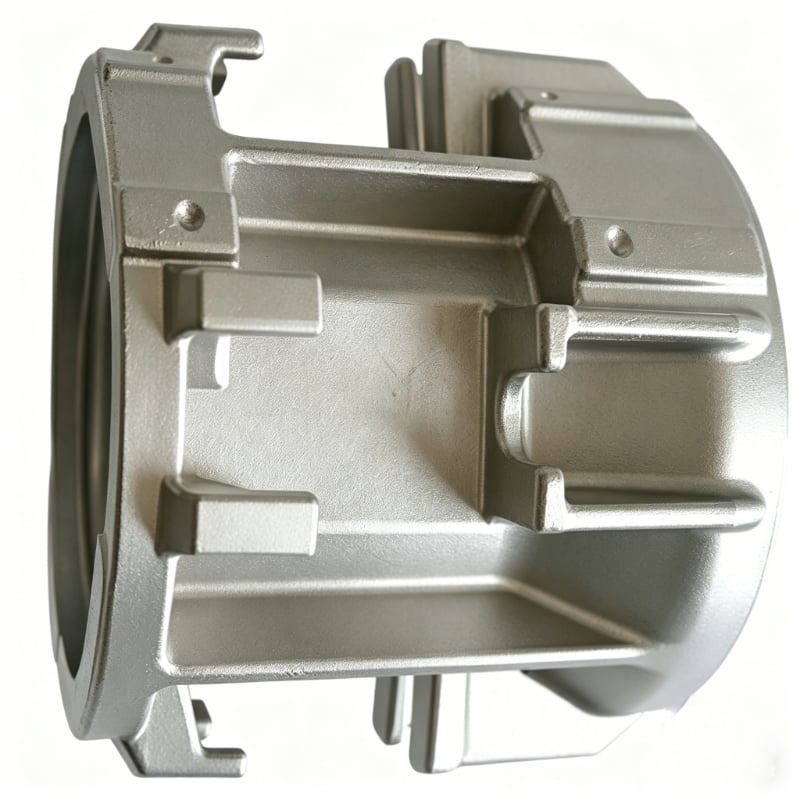
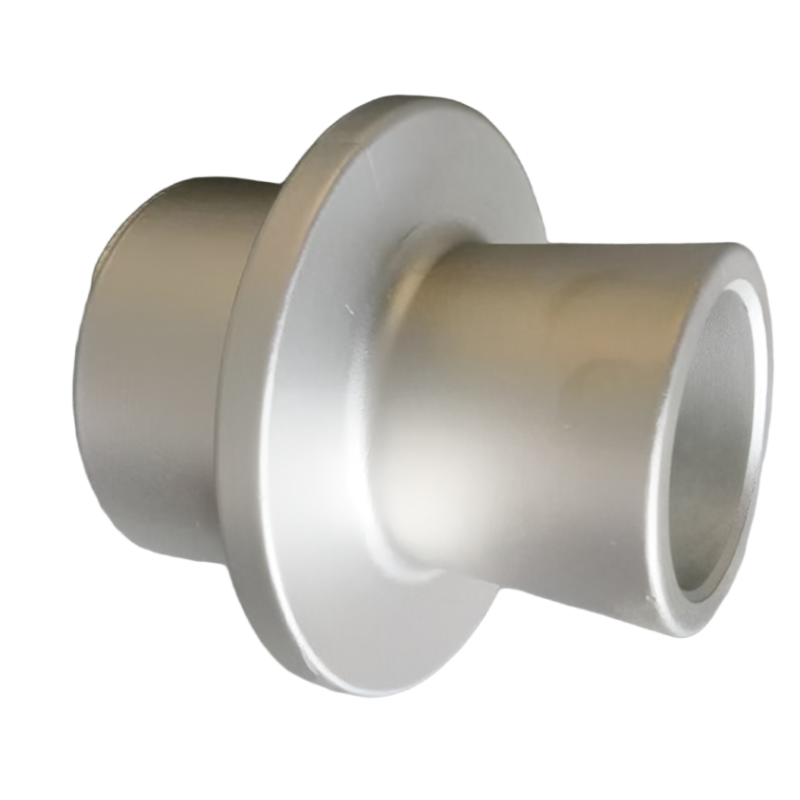
Industrial valve body castings manufacturers play a critical role in producing the structural foundations that control fluid flow across countless applications worldwide. These specialized companies focus on creating durable, precision-engineered valve bodies through advanced casting processes that transform molten metal into complex shapes capable of withstanding extreme pressures, temperatures, and corrosive environments. The main function of industrial valve body castings manufacturers centers on delivering reliable components that form the exterior housing of valves, providing structural integrity while accommodating internal mechanisms that regulate liquid and gas movement. These manufacturers employ sophisticated metallurgical knowledge combined with state-of-the-art foundry equipment to produce castings from various materials including carbon steel, stainless steel, bronze, brass, and specialized alloys. Technological features distinguishing professional industrial valve body castings manufacturers include computer-aided design capabilities that optimize wall thickness distribution, advanced molding techniques such as sand casting, investment casting, and die casting, plus rigorous quality control protocols involving non-destructive testing methods like radiography and ultrasonic inspection. Modern manufacturers utilize simulation software to predict metal flow patterns and cooling rates, minimizing defects before physical production begins. Applications for these precision-cast valve bodies span numerous sectors including oil and gas extraction and refining, chemical processing plants, water treatment facilities, power generation stations, marine propulsion systems, pharmaceutical production, food and beverage processing, and municipal infrastructure networks. Industrial valve body castings manufacturers must understand the specific performance requirements of each application sector, tailoring material selection, dimensional tolerances, and surface finish specifications accordingly. The complexity of modern valve designs demands manufacturers who can consistently reproduce intricate geometries with tight tolerances while maintaining cost-effectiveness through efficient production workflows and material optimization strategies that balance performance requirements against economic considerations.

New Product Releases

Working with experienced industrial valve body castings manufacturers provides numerous practical benefits that directly impact your operational efficiency and bottom line. First, these specialized producers offer significant cost savings through optimized manufacturing processes that reduce material waste and minimize secondary machining requirements, allowing you to purchase components at competitive prices without sacrificing quality standards. Their expertise in selecting appropriate casting methods for specific applications means you receive valve bodies engineered for longevity, reducing replacement frequency and associated downtime expenses. Quality consistency represents another major advantage, as established industrial valve body castings manufacturers implement stringent inspection protocols at multiple production stages, ensuring every component meets dimensional specifications and mechanical property requirements before shipping, which eliminates the risks associated with substandard parts that could lead to system failures or safety incidents. The technical support these manufacturers provide proves invaluable during design phases, as their engineering teams can recommend material grades suited to your operating conditions, suggest design modifications that improve castability and performance, and conduct stress analysis to verify structural adequacy under maximum load scenarios. Time efficiency gains materialize through streamlined ordering processes and reliable delivery schedules that professional manufacturers maintain through capacity planning and inventory management systems, enabling you to maintain lean stock levels while avoiding production delays caused by component shortages. Customization capabilities offered by industrial valve body castings manufacturers allow you to specify unique features, connection types, and dimensional variations that align perfectly with your system requirements, eliminating the compromises often necessary when using standard catalog items. Their manufacturing flexibility accommodates both large production runs for standardized designs and small batches for specialized applications, providing scalability that matches your business growth trajectory. Environmental advantages emerge from modern foundry practices that recycle scrap metal, utilize energy-efficient melting technologies, and implement waste management systems that minimize ecological impact, supporting your sustainability objectives. Risk mitigation occurs through comprehensive material traceability systems that document the origin and composition of every heat of metal used in production, providing the documentation necessary for regulatory compliance in industries with strict quality requirements. Long-term partnership benefits develop as manufacturers familiar with your specifications can expedite repeat orders, maintain tooling for your custom designs, and provide proactive communication about supply chain developments that might affect availability or pricing, creating stability in your procurement operations.

Tips And Tricks

Selection And Application Scope Of Hardness Tester

11

May

Selection And Application Scope Of Hardness Tester

View More
The Role Of Elements In Castings And The Order Of Addition

11

May

The Role Of Elements In Castings And The Order Of Addition

View More
Stainless Steel Castings for Architectural Posts

11

May

Stainless Steel Castings for Architectural Posts

View More
Stainless Steel Castings for Building Facade Systems

11

May

Stainless Steel Castings for Building Facade Systems

View More

Get a Free Quote

Our representative will contact you soon.
Email
Name
Company Name
Message
0/1000

industrial valve body castings manufacturers

Advanced Metallurgical Expertise and Material Selection Capabilities

Advanced Metallurgical Expertise and Material Selection Capabilities

The sophisticated metallurgical knowledge possessed by leading industrial valve body castings manufacturers represents a fundamental advantage that directly influences component performance and service life across demanding applications. These manufacturers employ materials engineers and metallurgists who understand the intricate relationships between alloy composition, casting process parameters, heat treatment protocols, and resulting mechanical properties, enabling them to recommend optimal material specifications for your specific operating environment. When you partner with knowledgeable industrial valve body castings manufacturers, you gain access to comprehensive material libraries spanning carbon steels for general-purpose applications, austenitic stainless steels for corrosion resistance, duplex stainless steels combining strength with chloride stress corrosion cracking resistance, nickel-based alloys for extreme temperature or corrosive chemical exposure, and bronze or brass alloys for marine applications and water service. This materials expertise extends beyond simple selection, encompassing detailed understanding of how casting methodology affects microstructure development, grain size distribution, and the formation of potential defects like porosity or inclusions that compromise integrity. Industrial valve body castings manufacturers with advanced capabilities conduct chemical composition analysis on incoming raw materials, monitor pouring temperatures and cooling rates during solidification, and perform heat treatments that optimize hardness, ductility, and impact resistance according to application requirements. They understand critical factors such as carbon equivalent values that influence weldability for designs requiring attached flanges or bonnets, trace element control to prevent hot cracking tendencies in certain alloy systems, and grain refinement techniques that enhance mechanical properties in heavy-section castings. This metallurgical sophistication translates into practical benefits including extended valve service intervals, reduced maintenance costs, improved safety margins against catastrophic failure, and enhanced performance consistency across production batches. Furthermore, experienced industrial valve body castings manufacturers maintain relationships with specialty alloy suppliers, providing access to exotic materials for unique applications while offering guidance on cost-effective alternatives when premium alloys exceed functional necessity, balancing performance requirements against budget constraints to deliver optimal value throughout the component lifecycle.
Precision Casting Technologies and Dimensional Accuracy Control

Precision Casting Technologies and Dimensional Accuracy Control

The technological capabilities of modern industrial valve body castings manufacturers encompass sophisticated casting methodologies and dimensional control systems that ensure components meet exacting specifications critical for proper valve assembly and function. These manufacturers invest in multiple casting processes, selecting the most appropriate technique based on design complexity, production volume, surface finish requirements, and dimensional tolerance targets. Sand casting remains widely utilized for larger valve bodies and moderate production quantities, with industrial valve body castings manufacturers employing automated molding lines, chemically bonded sand systems that produce finer surface detail, and computer-controlled pattern equipment that ensures mold cavity accuracy across production runs. Investment casting, also known as lost-wax casting, provides exceptional dimensional precision and surface smoothness for smaller, intricate valve body designs, with manufacturers maintaining temperature-controlled wax injection equipment, ceramic shell building facilities, and vacuum or centrifugal casting machines that eliminate porosity in thin-walled sections. Die casting techniques serve high-volume production of smaller valve bodies from non-ferrous alloys, offering rapid cycle times and excellent repeatability through precision steel tooling and automated extraction systems. Beyond basic casting methodology, leading industrial valve body castings manufacturers implement advanced quality assurance protocols including coordinate measuring machine inspection that verifies critical dimensions against CAD models, optical scanning technologies that capture complete surface geometry for comparison against design intent, and statistical process control systems that track dimensional trends to enable predictive adjustments before tolerances drift outside acceptable ranges. This precision focus extends to machining allowance optimization, where manufacturers balance the need for adequate stock removal against material efficiency and subsequent machining costs, specifying net-shape features wherever possible to minimize secondary operations. The dimensional accuracy achieved by professional industrial valve body castings manufacturers directly impacts assembly efficiency, eliminating fitting problems during valve construction, ensuring proper sealing surface alignment, and maintaining pressure boundary integrity throughout the valve operating envelope, ultimately reducing your total cost of ownership through fewer quality rejections and simplified installation procedures.
Comprehensive Quality Assurance and Regulatory Compliance Systems

Comprehensive Quality Assurance and Regulatory Compliance Systems

The robust quality management frameworks implemented by reputable industrial valve body castings manufacturers provide essential assurance that components will perform reliably in critical applications where failure carries significant safety, environmental, or economic consequences. These manufacturers operate under internationally recognized quality standards such as ISO 9001, with many also holding industry-specific certifications including API Q1 for petroleum and natural gas applications, ASME certification for pressure-retaining components, and PED compliance for European markets, demonstrating their commitment to systematic quality control throughout production processes. Industrial valve body castings manufacturers with comprehensive quality systems establish documented procedures governing every aspect of manufacturing from raw material receipt inspection through final component verification, creating traceability chains that connect finished products back to specific material heats, production dates, and inspection records. This documentation proves invaluable when regulatory authorities require material certification or when investigating field performance issues that necessitate root cause analysis. Non-destructive testing capabilities represent a cornerstone of quality assurance, with advanced industrial valve body castings manufacturers maintaining in-house radiographic inspection equipment that reveals internal porosity or inclusions, ultrasonic testing systems capable of detecting subsurface discontinuities, magnetic particle or liquid penetrant examination for surface crack detection, and pressure testing facilities that verify pressure boundary integrity before shipment. Mechanical testing laboratories operated by leading manufacturers conduct tensile strength measurements, hardness surveys, impact toughness evaluation at relevant service temperatures, and metallographic examination that confirms microstructure meets specification requirements, providing objective evidence of material property compliance. Chemical analysis equipment including optical emission spectrometers ensures alloy composition falls within specified ranges, critical for maintaining corrosion resistance and mechanical performance characteristics. The quality culture fostered by professional industrial valve body castings manufacturers emphasizes continuous improvement through failure mode analysis, process capability studies, and corrective action systems that address non-conformances systematically rather than treating them as isolated incidents. This comprehensive approach to quality and compliance delivers tangible benefits including reduced warranty claims, enhanced reputation for reliability, simplified approval processes with end-users who recognize certified suppliers, and peace of mind knowing components will perform as intended throughout their design life in demanding service conditions where safety and operational continuity depend on component integrity.

Get a Free Quote

Our representative will contact you soon.
Email
Name
Company Name
Message
0/1000