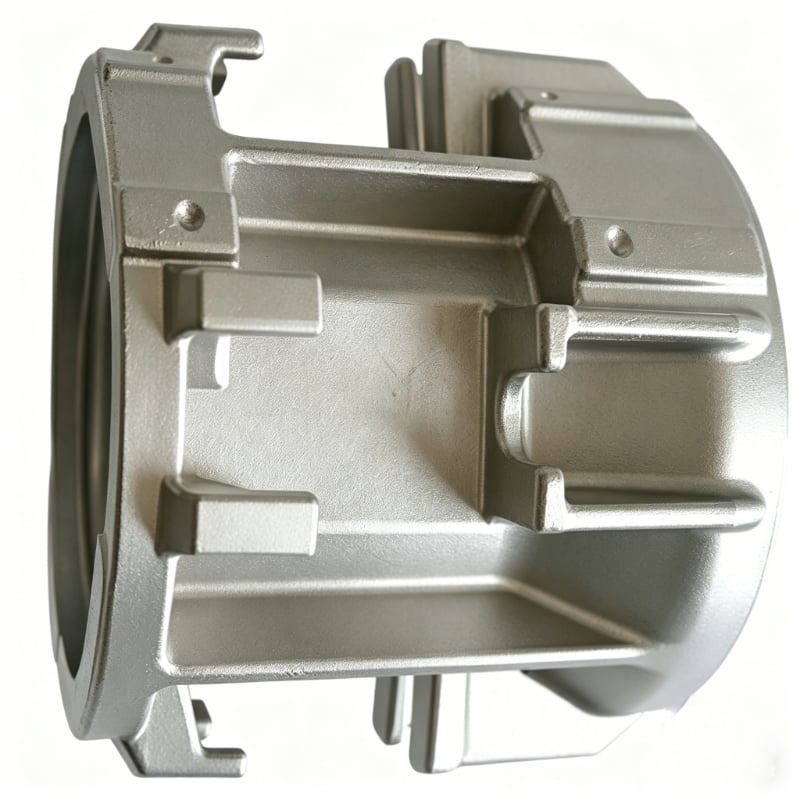
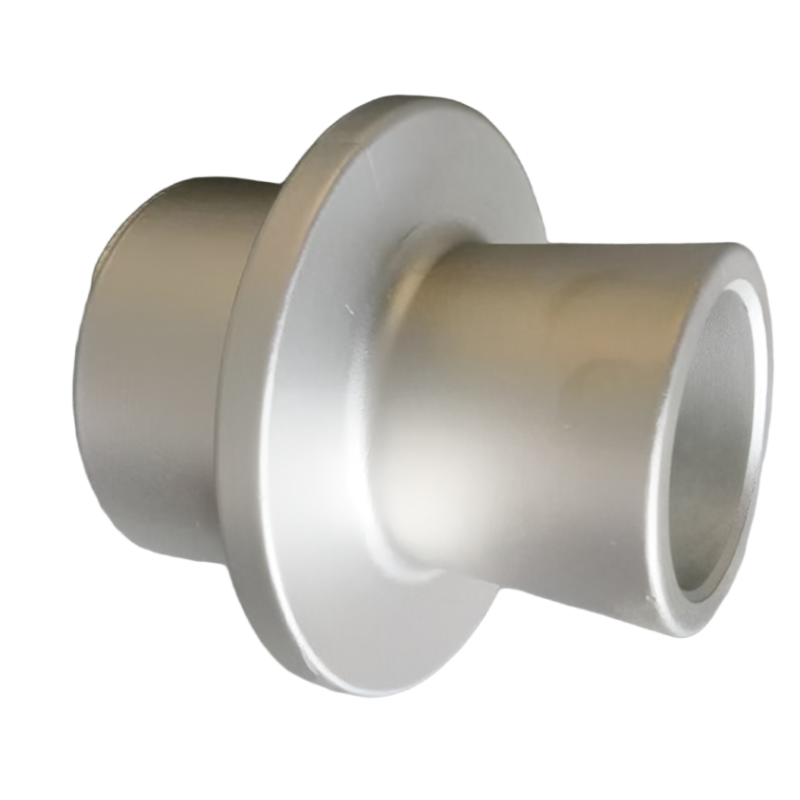
Industrial Valve Body Castings Manufacturers - Premium Quality Components & Custom Solutions

Get a Free Quote

Our representative will contact you soon.
Email
Name
Mobile
Company Name
Message
0/1000

industrial valve body castings manufacturers

Industrial valve body castings manufacturers represent a specialized sector within the manufacturing industry that focuses on producing critical components for flow control systems across diverse sectors. These manufacturers employ sophisticated casting techniques to create durable valve bodies that serve as the primary housing for internal valve mechanisms. The main function of industrial valve body castings manufacturers is to produce precision-engineered components that withstand extreme pressures, temperatures, and corrosive environments while maintaining operational integrity. These valve bodies form the structural foundation of valves used in oil and gas pipelines, chemical processing plants, power generation facilities, water treatment systems, and marine applications. Technological features employed by industrial valve body castings manufacturers include investment casting, sand casting, shell molding, and lost foam casting methods. Advanced manufacturers utilize computer-aided design software and simulation tools to optimize casting geometry, minimize defects, and ensure dimensional accuracy. Material selection capabilities span carbon steel, stainless steel, duplex steel, bronze alloys, and specialized materials engineered for specific operating conditions. Quality control protocols incorporate non-destructive testing methods such as radiographic examination, ultrasonic testing, and magnetic particle inspection to verify structural integrity. Industrial valve body castings manufacturers serve applications in petroleum refining, petrochemical production, pharmaceutical manufacturing, food and beverage processing, municipal water distribution, and industrial automation systems. The casting process enables complex internal geometries and integrated features that would be difficult or impossible to achieve through other manufacturing methods. Leading manufacturers maintain certifications including ISO 9001, API 6A, PED compliance, and industry-specific approvals that demonstrate adherence to international quality standards. The combination of metallurgical expertise, precision casting technology, and rigorous testing protocols ensures that industrial valve body castings manufacturers deliver components capable of reliable performance in mission-critical applications where failure could result in safety hazards, environmental damage, or costly operational disruptions.

New Product Recommendations

Working with established industrial valve body castings manufacturers provides numerous practical benefits that directly impact your operational efficiency and bottom line. First, you gain access to extensive material expertise that ensures your valve bodies are manufactured from alloys perfectly suited to your specific operating conditions. This customization prevents premature failure and extends component lifespan significantly beyond generic alternatives. Second, industrial valve body castings manufacturers offer cost-effective production methods that reduce your overall procurement expenses. Casting technology allows for near-net-shape manufacturing, which minimizes material waste and reduces the need for extensive secondary machining operations. This efficiency translates into competitive pricing without compromising quality standards. Third, you benefit from flexible order quantities that accommodate both prototype development and large-scale production runs. Whether you need a single custom valve body for testing or thousands of standardized units for ongoing operations, manufacturers can adjust production schedules to meet your timeline requirements. Fourth, quality assurance programs implemented by industrial valve body castings manufacturers protect you from defective components entering your supply chain. Comprehensive testing protocols identify potential issues before shipment, reducing your risk of field failures and associated liability concerns. Fifth, technical support services help you optimize valve body designs for improved performance characteristics. Engineering teams collaborate with your specification requirements to recommend design modifications that enhance flow characteristics, reduce turbulence, or improve pressure ratings. Sixth, established manufacturers maintain consistent production capabilities that ensure reliable delivery schedules. This predictability allows you to manage inventory levels efficiently and avoid costly production delays caused by component shortages. Seventh, you receive components that comply with international standards and regulatory requirements applicable to your industry. This compliance documentation simplifies your certification processes and demonstrates due diligence to regulatory authorities. Eighth, advanced manufacturing capabilities enable complex geometries and integrated features that enhance valve functionality. These design possibilities allow you to consolidate multiple components into single castings, reducing assembly complexity and potential leak paths. Ninth, material traceability systems maintained by industrial valve body castings manufacturers provide complete documentation of alloy composition and heat treatment history. This transparency supports your quality management systems and facilitates root cause analysis if issues arise. Finally, long-term partnerships with manufacturers create opportunities for continuous improvement initiatives that drive innovation and cost reduction throughout your product lifecycle.

Practical Tips

Why Do Manufacturers Prefer a Silica Sol Investment Casting Supplier for Complex Metal Parts?

05

Jun

Why Do Manufacturers Prefer a Silica Sol Investment Casting Supplier for Complex Metal Parts?

When precision, surface quality, and dimensional accuracy are non-negotiable, manufacturers consistently turn to a trusted silica sol investment casting supplier. This decision is rarely arbitrary. It is driven by a deep understanding of what silica ...
View More
Which Quality Standards Should a Custom Lost Wax Casting Foundry Meet for Export Markets?

05

Jun

Which Quality Standards Should a Custom Lost Wax Casting Foundry Meet for Export Markets?

Selecting a manufacturing partner for precision components intended for international buyers is never a straightforward decision. When the supply chain depends on a custom lost wax casting foundry, procurement engineers and quality managers must go b...
View More
What Factors Affect Surface Finish Quality in Medium Temperature Wax Casting Processes?

05

Jun

What Factors Affect Surface Finish Quality in Medium Temperature Wax Casting Processes?

Surface finish quality is one of the most critical performance indicators in precision investment casting, and it is directly shaped by the variables embedded in the medium temperature wax casting process. Unlike standard casting methods, medium temp...
View More
What Should Global Buyers Expect from OEM ODM Precision Casting Services Suppliers?

05

Jun

What Should Global Buyers Expect from OEM ODM Precision Casting Services Suppliers?

For global buyers sourcing complex metal components, selecting a reliable partner for oem odm precision casting services is one of the most consequential procurement decisions in a production cycle. The stakes are high: dimensional inaccuracies, inco...
View More

Get a Free Quote

Our representative will contact you soon.
Email
Name
Mobile
Company Name
Message
0/1000

industrial valve body castings manufacturers

Advanced Casting Technologies for Superior Component Quality

Advanced Casting Technologies for Superior Component Quality

Industrial valve body castings manufacturers leverage cutting-edge casting technologies that fundamentally transform raw materials into precision-engineered components meeting exacting specifications. The investment casting process, also known as lost-wax casting, enables manufacturers to produce valve bodies with exceptional surface finishes and intricate internal passages that optimize fluid flow characteristics. This method involves creating detailed wax patterns that replicate the final component geometry, coating these patterns with ceramic materials to form molds, and then melting away the wax before pouring molten metal into the cavity. The result is a casting that requires minimal post-processing and achieves dimensional tolerances within thousandths of an inch. Sand casting technology provides another vital manufacturing approach for larger valve bodies where size and weight considerations make other methods impractical. Industrial valve body castings manufacturers employ automated molding equipment and precision pattern making to ensure consistency across production batches. Advanced sand binders and coating materials improve surface quality and reduce the risk of inclusions or porosity defects that could compromise structural integrity. Shell molding combines advantages of both methods by using resin-bonded sand to create thin, rigid mold shells that produce smooth surface finishes with excellent dimensional accuracy. This technology proves particularly valuable for medium-sized valve bodies requiring intricate coring for internal passages. Computer simulation software has revolutionized how industrial valve body castings manufacturers approach the casting process. Finite element analysis tools predict how molten metal will fill the mold cavity, identifying potential turbulence zones, shrinkage areas, or temperature gradients that could cause defects. These predictive capabilities allow engineers to optimize gating systems, riser placement, and cooling rates before committing to expensive tooling investments. The integration of 3D printing technology for pattern creation has further accelerated development cycles, enabling rapid prototyping of new valve body designs without the lead times traditionally associated with pattern making. Metallurgical control represents another critical aspect of casting technology employed by leading manufacturers. Precise control of pouring temperatures, cooling rates, and heat treatment cycles ensures that the final casting achieves desired mechanical properties including tensile strength, yield strength, hardness, and impact resistance. Spectroscopic analysis equipment verifies alloy composition meets specified requirements, while thermal processing equipment executes carefully controlled heating and cooling sequences that optimize microstructure for intended service conditions.
Comprehensive Quality Assurance Programs Ensuring Reliability

Comprehensive Quality Assurance Programs Ensuring Reliability

Industrial valve body castings manufacturers implement rigorous quality assurance programs that verify every component meets specified requirements before delivery to customers. These comprehensive testing protocols begin during the casting process itself with careful monitoring of molten metal chemistry, pouring procedures, and solidification conditions. Real-time process controls detect deviations from established parameters and trigger corrective actions that prevent defects from occurring rather than simply identifying them afterward. Visual inspection forms the first line of defense, with trained technicians examining each casting for surface irregularities, dimensional conformance, and completeness of features. Calibrated measuring equipment verifies critical dimensions against engineering drawings, ensuring that mounting surfaces, port locations, and wall thicknesses fall within acceptable tolerance bands. Non-destructive testing methods provide deeper insights into internal casting quality without damaging the components being evaluated. Radiographic examination uses X-ray or gamma-ray imaging to reveal internal porosity, shrinkage cavities, or inclusions that could compromise pressure containment capabilities. Industrial valve body castings manufacturers maintain sophisticated imaging equipment and employ certified technicians who interpret radiographs according to internationally recognized acceptance standards. Ultrasonic testing offers an alternative approach that uses high-frequency sound waves to detect internal discontinuities and verify wall thickness uniformity. Magnetic particle inspection proves valuable for detecting surface-breaking and slightly subsurface cracks in ferromagnetic materials. This method involves magnetizing the casting and applying fine iron particles that concentrate at discontinuities, making defects visible under proper lighting conditions. Liquid penetrant testing serves similar purposes for non-magnetic materials, using capillary action to draw colored or fluorescent dyes into surface defects that become visible after applying developer compounds. Pressure testing validates the leak-tight integrity of completed valve bodies by subjecting them to hydrostatic or pneumatic pressures exceeding their rated working pressures. This destructive testing approach on sample units provides confidence that production castings will perform reliably in service. Mechanical property verification through tensile testing, hardness testing, and impact testing ensures that material characteristics meet specifications and will deliver expected performance under operating loads. Industrial valve body castings manufacturers maintain detailed quality records documenting all inspection results, material certifications, and test data. This documentation package accompanies each shipment and provides the traceability required by quality management systems and regulatory compliance frameworks. Statistical process control methodologies analyze quality data trends over time, enabling continuous improvement initiatives that enhance process capability and reduce variation.
Custom Engineering Support for Application-Specific Solutions

Custom Engineering Support for Application-Specific Solutions

Industrial valve body castings manufacturers distinguish themselves through comprehensive engineering support services that help customers develop optimized solutions for unique application requirements. This collaborative approach begins with technical consultations where experienced engineers evaluate operating conditions including pressure ratings, temperature ranges, fluid characteristics, flow rates, and environmental factors that influence material selection and design parameters. Rather than simply executing customer-provided drawings, manufacturers contribute valuable insights gained from decades of casting experience and application knowledge across diverse industries. Material selection guidance represents a critical value-added service provided by industrial valve body castings manufacturers. Engineers recommend specific alloy compositions based on corrosion resistance requirements, mechanical property needs, temperature capabilities, and cost considerations. For example, applications involving seawater exposure might require duplex stainless steel castings offering superior resistance to chloride stress corrosion cracking, while high-temperature steam service could necessitate chrome-molybdenum alloy steel with elevated temperature strength retention. Design optimization services help customers refine valve body geometries to enhance performance characteristics or improve manufacturability. Computational fluid dynamics analysis reveals how internal passages influence pressure drop, flow velocity distribution, and turbulence patterns. These insights enable modifications that reduce energy consumption, minimize erosion potential, or improve flow control precision. Finite element stress analysis identifies high-stress concentration areas that could benefit from geometric modifications such as increased radii, reinforcement ribs, or optimized wall thickness distribution. Industrial valve body castings manufacturers employ design-for-manufacturability principles that balance ideal functional requirements with practical casting limitations. Engineers identify features that may cause casting defects or require expensive secondary operations, suggesting alternative approaches that achieve similar functionality with improved producibility. This collaboration reduces development costs and accelerates time-to-market for new valve designs. Prototyping services allow customers to evaluate physical samples before committing to full production tooling investments. Rapid prototyping technologies including 3D-printed patterns and short-run casting methods enable functional testing and fit verification at reasonable costs and compressed timelines. Feedback from prototype evaluation informs final design refinements that optimize performance and eliminate potential issues discovered during testing. Technical documentation support includes preparation of detailed manufacturing drawings, material specifications, inspection plans, and quality control procedures that ensure consistent production outcomes. Industrial valve body castings manufacturers work with customers to establish acceptance criteria, testing protocols, and documentation requirements that satisfy both parties' quality expectations and regulatory obligations. This proactive communication prevents misunderstandings and reduces the likelihood of rejected shipments due to specification interpretation differences. Ongoing technical support continues throughout the product lifecycle, with manufacturers serving as resources for troubleshooting field issues, recommending design improvements based on service experience, and adapting to evolving application requirements. This long-term partnership approach creates value beyond the initial component supply transaction.

Get a Free Quote

Our representative will contact you soon.
Email
Name
Mobile
Company Name
Message
0/1000