Precision Machined Valve Body Components - Custom Manufacturing Solutions for Industrial Applications

Get a Free Quote

Our representative will contact you soon.
Email
Name
Mobile
Company Name
Message
0/1000

machined valve body components

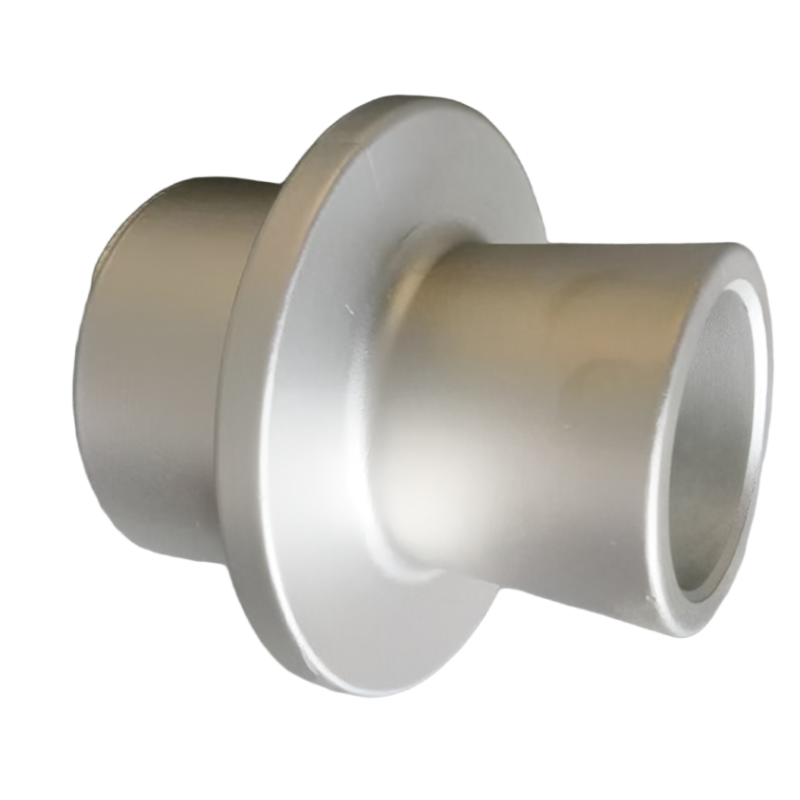
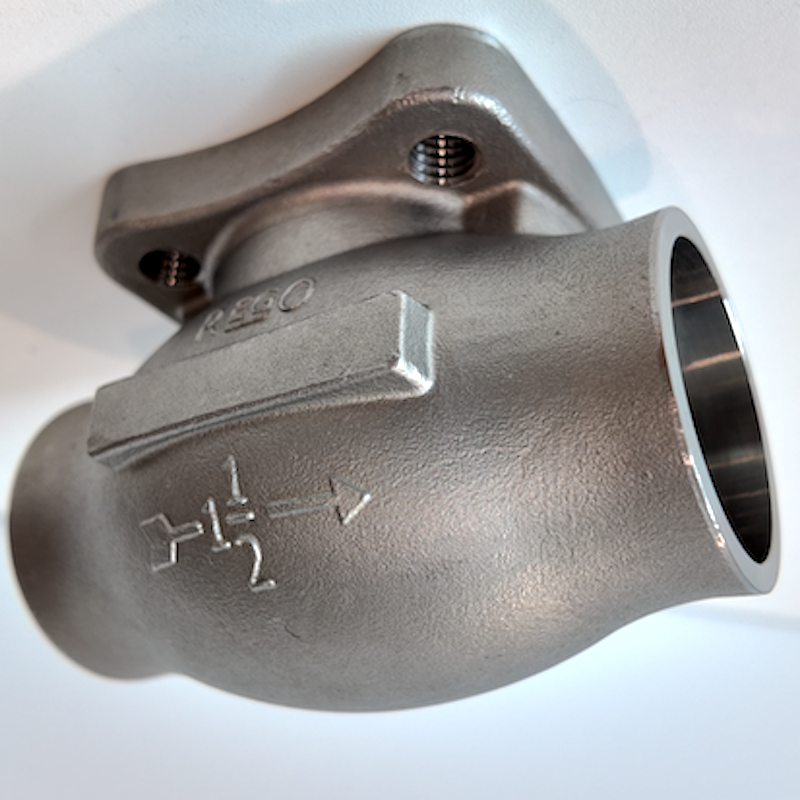
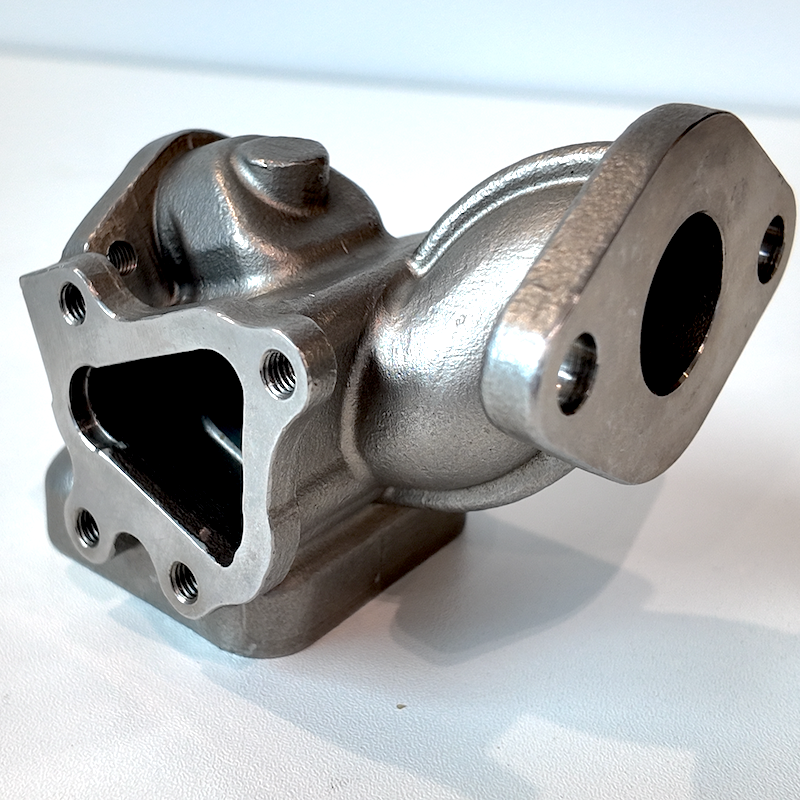
Machined valve body components represent precision-engineered elements that form the essential housing and structural framework for various valve assemblies across industrial applications. These components are manufactured through advanced machining processes, including CNC milling, turning, drilling, and boring operations that ensure exceptional dimensional accuracy and surface finish quality. The primary function of machined valve body components centers on containing and directing fluid or gas flow within piping systems while providing secure mounting points for internal valve mechanisms such as discs, balls, gates, or plugs. These valve bodies must withstand substantial pressure differentials, temperature variations, and corrosive environments while maintaining leak-proof integrity throughout their operational lifespan. Technological features of machined valve body components include precision-machined seating surfaces that ensure proper sealing, threaded connections for secure assembly, and carefully designed internal flow passages that minimize pressure drops and turbulence. Modern manufacturing techniques employ multi-axis CNC machining centers capable of producing complex geometries with tolerances measured in thousandths of an inch, ensuring perfect alignment between mating surfaces and optimal performance characteristics. Material selection plays a crucial role, with machined valve body components commonly fabricated from stainless steel, brass, bronze, carbon steel, or specialized alloys depending on application requirements. Applications span numerous industries including oil and gas production, chemical processing, water treatment facilities, power generation plants, pharmaceutical manufacturing, food and beverage processing, and aerospace systems. These components serve in control valves, isolation valves, check valves, pressure relief valves, and specialty valve configurations. The versatility of machined valve body components makes them indispensable in both standard and custom valve designs, supporting applications ranging from residential plumbing to critical industrial process control systems where reliability and precision are paramount considerations for operational safety and efficiency.

New Products

Investing in quality machined valve body components delivers numerous practical benefits that directly impact your operational efficiency and bottom line. First and foremost, precision machining ensures consistent dimensional accuracy across production runs, which means every component fits perfectly with minimal adjustment during assembly. This precision reduces installation time significantly, allowing your maintenance teams to complete valve replacements or repairs faster, minimizing costly downtime. The superior surface finish achieved through advanced machining processes creates smoother internal flow paths, reducing friction and turbulence as fluids pass through the valve body. This translates to lower pressure losses across your system, reducing energy consumption for pumps and compressors while improving overall system efficiency. The durability of machined valve body components far exceeds cast or fabricated alternatives because machining removes material imperfections and creates uniform grain structure throughout the component. This enhanced durability means fewer unexpected failures, reduced maintenance frequency, and extended service intervals that lower your total cost of ownership. Machined valve body components offer exceptional leak resistance due to precisely machined seating surfaces and threaded connections that mate with extraordinary accuracy. This tight seal prevents fluid loss, reduces environmental contamination risks, and ensures compliance with stringent safety regulations in your facility. The manufacturing flexibility of machining processes allows for rapid customization to meet specific application requirements without expensive tooling investments. Whether you need unique port configurations, special mounting features, or non-standard dimensions, machined valve body components can be adapted quickly to solve your particular challenges. Material versatility represents another significant advantage, as machining works equally well with various metals and alloys, allowing you to select the optimal material for your specific operating conditions, whether that involves extreme temperatures, corrosive chemicals, or high-pressure environments. The superior strength-to-weight ratio achieved through precision machining removes excess material while maintaining structural integrity, resulting in lighter components that simplify handling and installation without compromising performance. Quality machined valve body components undergo rigorous dimensional inspection and testing protocols, providing documented verification of specifications and performance characteristics that support your quality assurance programs and regulatory compliance requirements. Finally, the long-term reliability of these precision-manufactured components reduces your spare parts inventory requirements and simplifies supply chain management, as consistent quality means predictable performance and easier forecasting of replacement needs across your operations.

Practical Tips

What Factors Affect Surface Finish Quality in Medium Temperature Wax Casting Processes?

05

Jun

What Factors Affect Surface Finish Quality in Medium Temperature Wax Casting Processes?

Surface finish quality is one of the most critical performance indicators in precision investment casting, and it is directly shaped by the variables embedded in the medium temperature wax casting process. Unlike standard casting methods, medium temp...
View More
How Do OEM ODM Precision Casting Services Support Flexible Design and Rapid Prototyping?

26

Jun

How Do OEM ODM Precision Casting Services Support Flexible Design and Rapid Prototyping?

Figure 1: Custom Valve Body Fabricated via Precision Investment Casting, Featuring Crisp Surface Details and Net-Shape Integrity. In today's fast-evolving manufacturing landscape, the ability to move from concept to production-ready component quickly...
View More
What Should Global Buyers Expect from OEM ODM Precision Casting Services Suppliers?

05

Jun

What Should Global Buyers Expect from OEM ODM Precision Casting Services Suppliers?

For global buyers sourcing complex metal components, selecting a reliable partner for oem odm precision casting services is one of the most consequential procurement decisions in a production cycle. The stakes are high: dimensional inaccuracies, inco...
View More
Why Are Stainless Steel Investment Castings Preferred for Corrosion Resistant Applications?

26

Jun

Why Are Stainless Steel Investment Castings Preferred for Corrosion Resistant Applications?

In demanding industrial environments where moisture, chemicals, and extreme temperatures are constant threats, material selection is one of the most critical engineering decisions a manufacturer can make. Among the available manufacturing methods, st...
View More

Get a Free Quote

Our representative will contact you soon.
Email
Name
Mobile
Company Name
Message
0/1000

machined valve body components

Exceptional Precision and Dimensional Control

Exceptional Precision and Dimensional Control

The manufacturing process for machined valve body components employs state-of-the-art CNC technology that delivers unmatched precision and dimensional control, setting these products apart from alternative manufacturing methods. Modern multi-axis machining centers utilize computer-controlled cutting tools that follow programmed tool paths with repeatability measured in microns, ensuring every machined valve body component meets exacting specifications regardless of production volume. This precision begins with careful fixture design that securely holds raw material blanks while providing access for cutting tools to reach all necessary surfaces. Operators program complex tool paths that account for material properties, cutting speeds, feed rates, and thermal expansion to maintain tolerances throughout the machining process. The ability to hold tight tolerances proves particularly valuable when machining critical features such as valve seat surfaces, where even microscopic deviations can compromise sealing performance and lead to leakage. Precision-machined threads provide secure, vibration-resistant connections between valve body components and mating parts, eliminating the loosening problems associated with less accurate manufacturing methods. Internal bore dimensions remain consistent across the entire length of flow passages, eliminating restrictions or enlargements that would create turbulence and pressure fluctuations in your fluid systems. Port alignments achieve perfect concentricity, ensuring smooth transitions as fluids enter and exit the valve body without creating dead zones where contaminants might accumulate. The dimensional accuracy of machined valve body components simplifies assembly procedures, as parts fit together exactly as designed without requiring hand-fitting, shimming, or adjustment that consumes valuable technician time. This precision extends to external mounting surfaces, bolt hole patterns, and reference features that ensure proper alignment when installing valves into your piping systems. Quality control procedures verify dimensional accuracy through coordinate measuring machines and optical comparators that document actual measurements against design specifications, providing objective evidence of manufacturing excellence. The consistency achieved through precision machining eliminates the part-to-part variation common with casting or forging processes, where porosity, inclusions, or dimensional drift can compromise performance. When you specify machined valve body components, you receive products manufactured to your exact requirements with documented proof of compliance, supporting your quality management systems and providing confidence that every component will perform reliably in demanding applications where precision directly impacts safety and operational efficiency.
Superior Material Properties and Structural Integrity

Superior Material Properties and Structural Integrity

Machined valve body components exhibit superior material properties and structural integrity compared to alternative manufacturing approaches because the machining process works with solid stock material that possesses uniform composition and predictable mechanical characteristics throughout the entire component. Unlike casting processes that can introduce porosity, inclusions, or segregation of alloying elements, machining starts with bar stock, plate, or forged blanks that have been produced under controlled conditions and tested to verify material properties meet industry standards. This foundation of quality material ensures machined valve body components deliver consistent strength, ductility, and corrosion resistance across every unit produced. The machining process removes material through chip formation, which work-hardens the surface layers and creates favorable residual stress patterns that enhance fatigue resistance and crack propagation resistance in high-cycle applications. Material grain flow remains undisturbed in directions that provide optimal strength characteristics, unlike welding or joining processes that can create heat-affected zones with altered microstructures and reduced mechanical properties. When manufacturing machined valve body components from stainless steel, the material retains its corrosion-resistant passive oxide layer that forms naturally on machined surfaces, providing long-term protection against chemical attack in harsh environments. Brass and bronze machined valve body components benefit from the excellent machinability of these copper alloys while delivering superior corrosion resistance in water and marine applications where ferrous materials would fail rapidly. The ability to select from a wide range of engineering materials allows designers to optimize machined valve body components for specific operating conditions, choosing materials based on temperature limits, chemical compatibility, strength requirements, and cost considerations. Heat treatment processes can be applied after machining to further enhance material properties, with options including stress relieving to remove machining-induced stresses, hardening to increase wear resistance, or tempering to optimize the balance between strength and toughness. Non-destructive testing methods such as ultrasonic inspection, magnetic particle testing, or liquid penetrant examination can verify the absence of surface or subsurface defects in critical machined valve body components destined for high-consequence applications. The structural integrity of machined valve body components proves particularly valuable in high-pressure applications where internal stresses from contained fluids demand materials that resist deformation, cracking, or catastrophic failure. Thick-walled sections can be machined to precise dimensions while maintaining full material strength, unlike thin-walled castings that may sacrifice pressure ratings to achieve manufacturability. The predictable material behavior of machined valve body components simplifies engineering calculations for pressure ratings, temperature limits, and service life predictions, providing the technical foundation for safe, reliable valve designs that protect personnel, equipment, and the environment throughout their operational lifespan.
Customization Flexibility and Rapid Adaptation

Customization Flexibility and Rapid Adaptation

The inherent flexibility of machining processes makes machined valve body components ideal for custom applications and rapid adaptation to evolving requirements, providing solutions that precisely match your specific operational needs without the constraints imposed by casting patterns, forging dies, or standardized product catalogs. When you face a unique installation challenge, unusual operating conditions, or specialized performance requirements, machined valve body components can be designed and manufactured to address your exact specifications within relatively short lead times. The programming flexibility of CNC machining centers allows engineers to create complex geometries, unconventional port configurations, and integrated mounting features that would be impractical or impossible with other manufacturing methods. Custom bolt patterns can be machined to match existing equipment interfaces, eliminating the need for adapter plates or modification of surrounding components. Special port angles and orientations optimize flow paths for your specific piping layout, reducing the number of fittings required and simplifying installation. Machined valve body components can incorporate integrated pressure taps, temperature sensor pockets, or drain ports positioned exactly where needed for your monitoring and maintenance requirements. Material changes require only sourcing different raw stock rather than investing in new tooling, allowing you to evaluate alternative materials for improved performance or cost reduction without significant financial risk. Prototype machined valve body components can be produced quickly to validate designs before committing to production quantities, reducing development risks and allowing iterative improvements based on actual testing results. This rapid prototyping capability proves invaluable when developing custom valve solutions for new processes or equipment where operating conditions may not be fully understood until commissioning. Small production quantities remain economically viable with machining processes, unlike casting or forging that require substantial tooling investments to justify manufacturing costs. This economic flexibility supports applications where you need specialized machined valve body components in limited quantities for maintenance spares, retrofit projects, or niche market products. Design modifications can be implemented quickly by updating CNC programs rather than creating new patterns or dies, allowing continuous improvement and rapid response to field feedback. The documentation created during CNC programming provides a permanent digital record of component geometry that facilitates reorders, ensures consistency across production runs, and simplifies quality verification. When specifications change due to updated codes, revised operating conditions, or lessons learned from service experience, machined valve body components can be adapted efficiently to incorporate improvements without disrupting your supply chain or requiring costly tooling updates. This customization flexibility and rapid adaptation capability makes machined valve body components the preferred choice for demanding applications where standard catalog products cannot deliver the performance, fit, or functionality required for operational success and long-term reliability in your specific industrial environment.

Get a Free Quote

Our representative will contact you soon.
Email
Name
Mobile
Company Name
Message
0/1000