Բարձրորակ նյութային հատկություններ և կառուցվածքային ամրություն
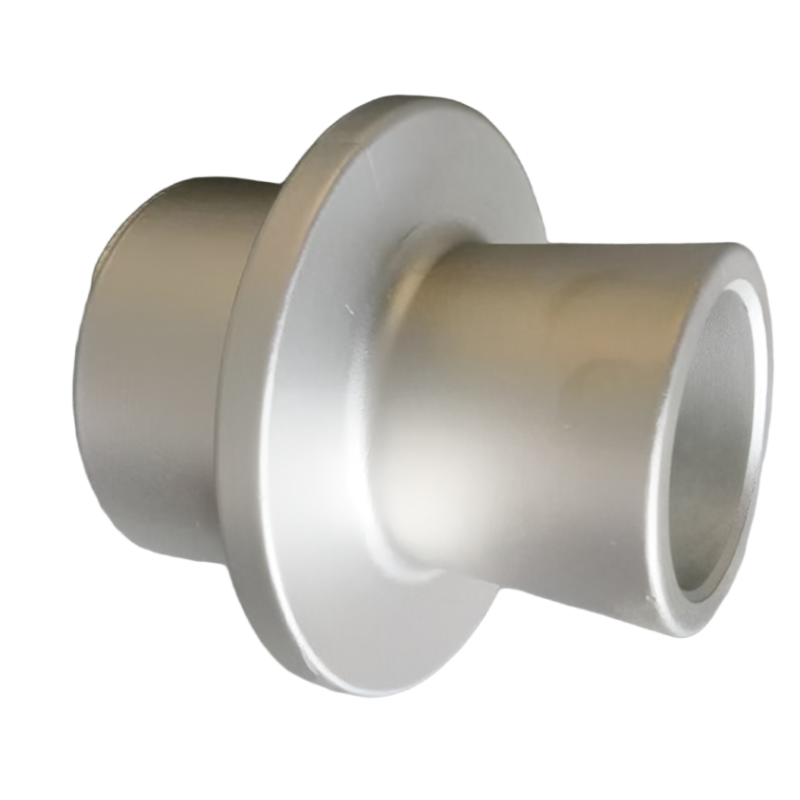
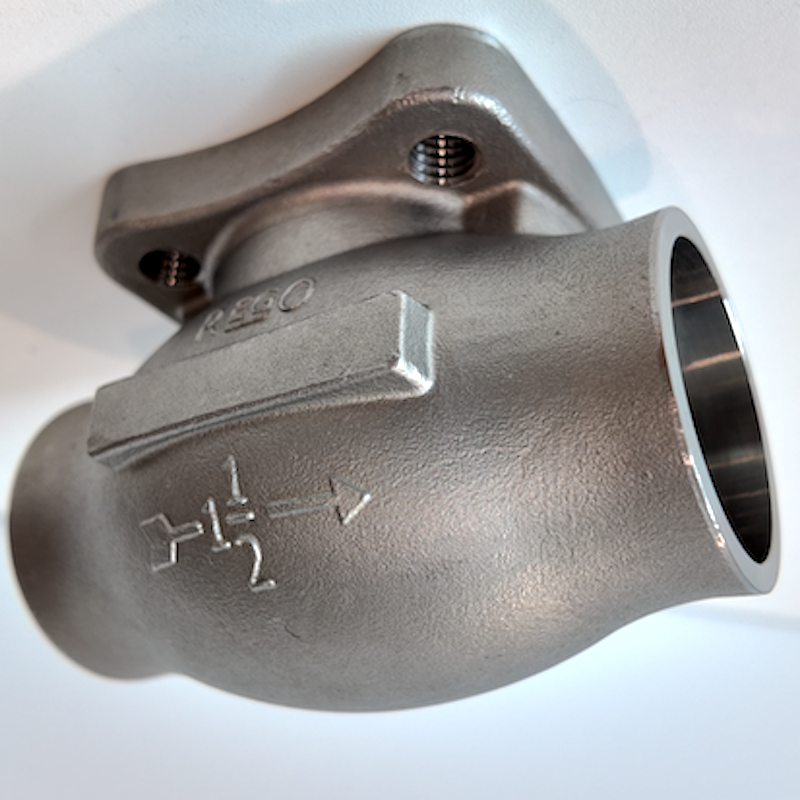
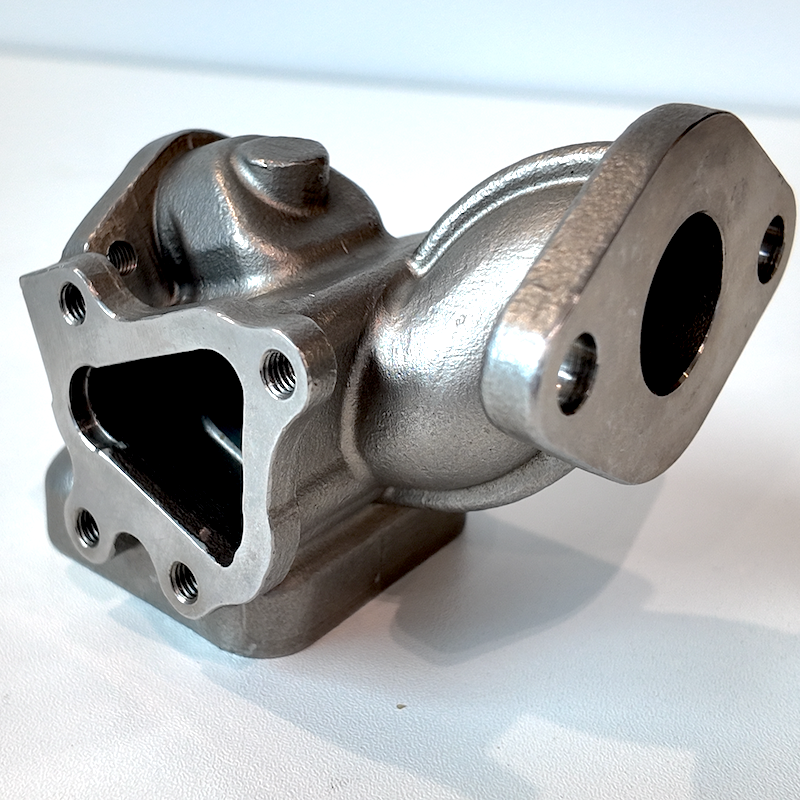
Մեքենայացված փականի մարմնի բաղադրիչները ցուցադրում են գերազանց մատերիալային հատկություններ և կառուցվածքային ամբողջականություն՝ համեմատած այլընտրանքային արտադրական մեթոդների հետ, քանի որ մեքենայացման գործընթացը օգտագործում է պինդ սկզբնական մատերիալ, որն ունի համասեռ բաղադրություն և կանխատեսելի մեխանիկական հատկություններ բաղադրիչի ամբողջ ծավալով: Ի տարբերություն ձուլման գործընթացների, որոնք կարող են ներմուծել փուգավորություն, ներառումներ կամ համաձուլվածքի տարրերի սեգրեգացիա, մեքենայացումը սկսվում է ձողաձև, թիթեղաձև կամ կովկասացված արտադրանքներից, որոնք արտադրվել են վերահսկվող պայմաններում և ստուգվել են՝ հաստատելու համար, որ մատերիալի հատկությունները համապատասխանում են արդյունաբերական ստանդարտներին: Այս որակյալ մատերիալի հիմքը ապահովում է, որ մեքենայացված փականի մարմնի բաղադրիչները ամեն մեկի համար ապահովեն համասեռ ամրություն, պլաստիկություն և կոռոզիայի դիմացկունություն: Մեքենայացման գործընթացը նյութի հեռացումն իրականացնում է կտրվածքի առաջացման միջոցով, ինչը մակերեսային շերտերի ամրացում («աշխատանքային ամրացում») է ապահովում և ստեղծում է նպաստավոր մնացորդային լարվածության օրինակներ, որոնք բարելավում են վերականգնվող լարվածության դիմացկունությունը և ճաքերի տարածման դիմացկունությունը բարձր ցիկլային կիրառումներում: Նյութի հատիկների հոսքը չի խախտվում այն ուղղություններում, որոնք ապահովում են օպտիմալ ամրության հատկություններ, ի տարբերություն եռակցման կամ միացման գործընթացների, որոնք կարող են ստեղծել ջերմային ազդեցության գոտիներ՝ փոխված միկրոկառուցվածքով և նվազեցված մեխանիկական հատկություններով: Երբ մեքենայացված փականի մարմնի բաղադրիչները արտադրվում են կարծրացված պողպատից, մատերիալը պահպանում է իր կոռոզիայի դիմացկունությունն ապահովող պասիվ օքսիդային շերտը, որը բնականաբար ձևավորվում է մեքենայացված մակերեսների վրա և ապահովում է երկարատև պաշտպանություն քիմիական ագրեսիայի դեմ ծանր պայմաններում: Պղինձ-ցինկի և բրոնզի մեքենայացված փականի մարմնի բաղադրիչները օգտվում են այս պղնձային համաձուլվածքների հետաքրքիր մեքենայացման հատկություններից՝ միաժամանակ ապահովելով գերազանց կոռոզիայի դիմացկունություն ջրի և ծովային կիրառումներում, որտեղ երկաթապարունակ նյութերը արագ կձախողվեին: Հասանելի ինժեներական նյութերի լայն տեսականի ընտրությունը թույլ է տալիս նախագծողներին օպտիմալացնել մեքենայացված փականի մարմնի բաղադրիչները հատուկ շահագործման պայմանների համար՝ ընտրելով նյութերը՝ հիմնված ջերմաստիճանային սահմանափակումների, քիմիական համատեղելիության, ամրության պահանջների և ծախսերի վերաբերյալ հաշվարկների վրա: Մեքենայացման հետևանքով կարող են կիրառվել ջերմային մշակման գործընթացներ՝ նյութի հատկությունները հետագայում բարելավելու համար, այդ թվում՝ լարվածության թուլացում (մեքենայացման հետևանքով առաջացած լարվածությունների վերացման համար), ամրացում (մաշվելու դիմացկունության բարձրացման համար) կամ տարատեսակավորում (ամրության և ճկունության միջև օպտիմալ հավասարակշռության ստեղծման համար): Ոչ վնասված փորձարկման մեթոդներ, ինչպես օրինակ՝ ուլտրաձայնային ստուգում, մագնիսային մասնիկների փորձարկում կամ հեղուկ ներծծման զննում, կարող են հաստատել մակերեսային կամ ենթամակերեսային սխալների բացակայությունը կրիտիկական մեքենայացված փականի մարմնի բաղադրիչներում, որոնք նախատեսված են բարձր հետևանքներ ունեցող կիրառումների համար: Մեքենայացված փականի մարմնի բաղադրիչների կառուցվածքային ամբողջականությունը հատկապես արժեքավոր է բարձր ճնշման կիրառումներում, որտեղ պահվող հեղուկների ներքին լարվածությունները պահանջում են նյութեր, որոնք դիմացկուն են ձևափոխման, ճաքերի կամ կատաստրոֆիկ ձախողման նկատմամբ: Հաստ պատերով մասերը կարող են մեքենայացվել ճշգրիտ չափսերով՝ պահպանելով նյութի ամբողջական ամրությունը, ի տարբերություն բարակ պատերով ձուլվածքների, որոնք կարող են զիջել ճնշման գնահատականներին՝ հասանելի արտադրելիությունն ապահովելու համար: Մեքենայացված փականի մարմնի բաղադրիչների կանխատեսելի նյութային վարքը պարզեցնում է ճնշման գնահատականների, ջերմաստիճանային սահմանափակումների և ծառայության ժամկետի կանխատեսումների ինժեներական հաշվարկները՝ ապահովելով անվտանգ, հուսալի փականների նախագծման տեխնիկական հիմքը, որոնք պաշտպանում են անձնակազմին, սարքավորումները և շրջակա միջավայրը ամբողջ շահագործման ժամանակահատվածում:

 EN
EN