Ճշգրիտ արտադրության վերահսկում և որակի ապահովում
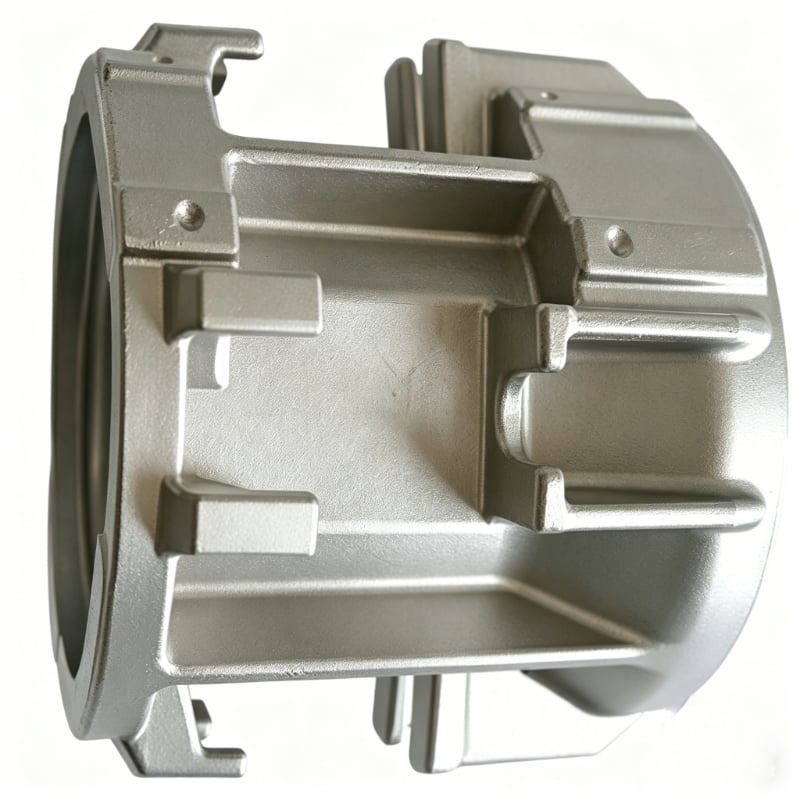
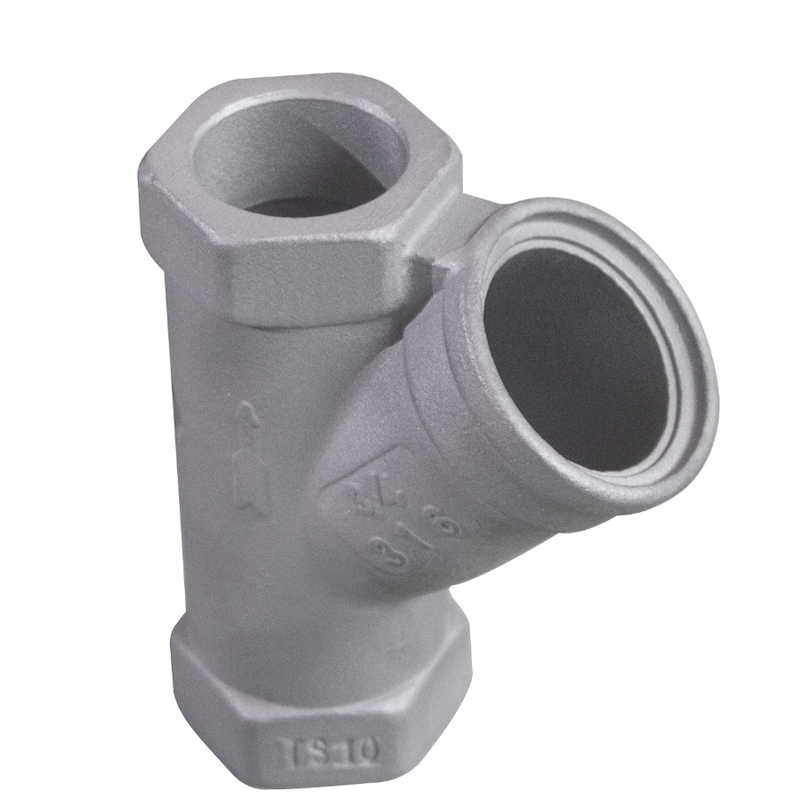
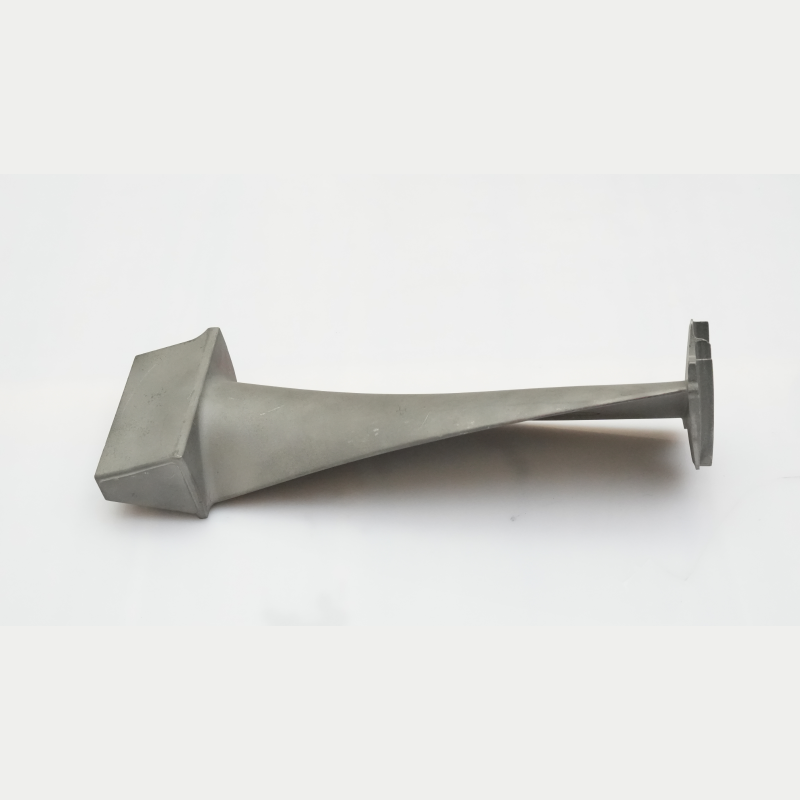
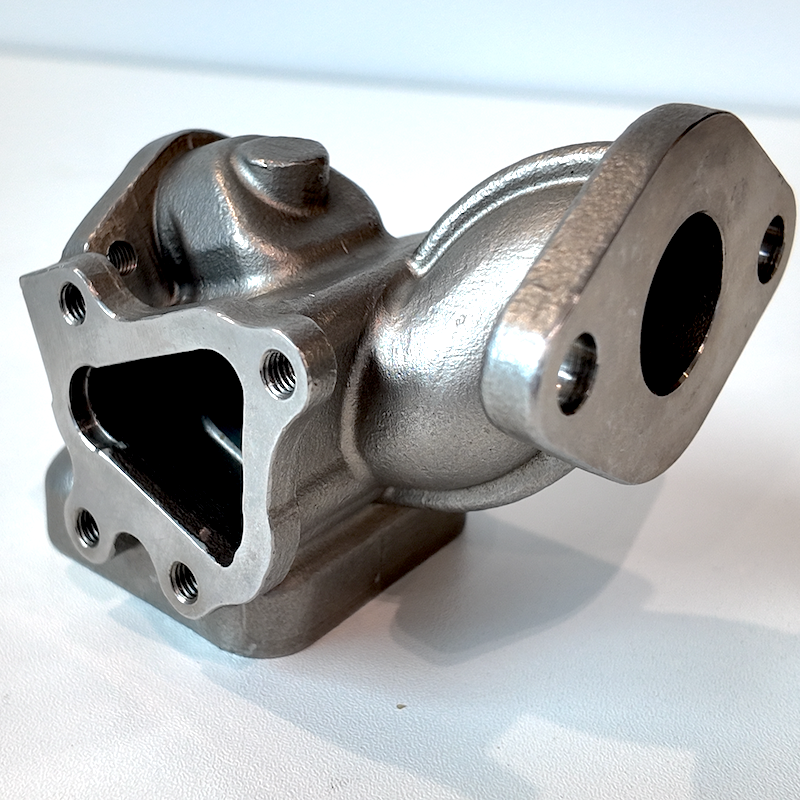
Դարպասային փականի մարմնի լիցքավորումը շահում է ճշգրտված արտադրական վերահսկողությունից և համապարփակ որակի ապահովման պրոտոկոլներից, որոնք երաշխավորում են համապատասխան աշխատանքային ցուցանիշներ և կարգավորող պահանջների կատարում: Ժամանակակից ձուլարանները օգտագործում են առաջադեմ գործընթացի վերահսկման տեխնոլոգիաներ, որոնք հսկում են և ճշգրտում են լիցքավորման ընթացքում կրիտիկական պարամետրերը՝ ապահովելով, որ յուրաքանչյուր փականի մարմին համապատասխանի բարձր ճշգրտության սահմանափակումներին: Արտադրական գործընթացը սկսվում է մոդելի ստեղծմամբ՝ օգտագործելով համակարգչային թվային կառավարման (CNC) սարքավորումներ, որոնք թվային նախագծերը վերափոխում են ֆիզիկական սարքավորումների՝ միկրոնային ճշգրտությամբ: Այս ճշգրտությունը երաշխավորում է, որ վերջնական լիցքավորված մասերը պահպանում են չափային սահմանափակումները, որոնք կարևոր են փականի ճիշտ հավաքածուի և կնքման աշխատանքի համար: Ձուլման գործընթացները ներառում են ավտոմատացված համակարգեր, որոնք միատեսակ սեղմում են ավազը՝ ստեղծելով ձուլման խոռոչներ, որոնք ճշգրտորեն վերարտադրում են մոդելի մանրամասները և միաժամանակ ապահովում են բավարար ամրություն՝ դիմանալու հալված մետաղի լցման ճնշմանը: Մետաղագիտական վերահսկողությունը սկսվում է հիմնարար նյութերի մշակված ընտրությամբ և շարունակվում է հալման գործընթացներում, որտեղ սպեկտրագրաֆիկ վերլուծությունը հաստատում է քիմիական կազմը՝ լցման սկսելուց առաջ: Ջերմաստիճանի վերահսկման համակարգերը երաշխավորում են, որ հալված մետաղը հասնում է օպտիմալ լցման պայմաններին՝ ապահովելով ձուլման խոռոչի ամբողջական լցումը և ճիշտ պինդացման բնութագրերը: Լցման գործընթացները կարող են ներառել թեքվող լցման կաթսաներ, ստորին լցման համակարգեր կամ ավտոմատացված լցման կայաններ, որոնք ապահովում են հաստատուն մետաղի հոսքի արագություն և նվազեցնում են խառնվածքը, որը կարող է առաջացնել սխալներ: Ինժեներական կերպով կարգավորված սառեցման արագությունների միջոցով պինդացման վերահսկումը ապահովում է ցանկալի միկրոկառուցվածքը և մեխանիկական հատկությունները ամբողջ լիցքավորված մասում: Ջերմային մշակման գործընթացները, այդ թվում՝ աննյութացումը, նորմալացումը կամ սառեցումը և տաքացումը, հետագայում բարելավում են նյութի հատկությունները՝ համապատասխանեցնելով կիրառման պահանջներին: Որակի ապահովումը չի սահմանափակվում գործընթացի վերահսկողությամբ, այլ ընդգրկում է համապարփակ ստուգման և փորձարկման պրոտոկոլներ: Տեսողական ստուգումը հայտնաբերում է մակերևույթի սխալները, չափային ստուգումը հաստատում է, որ կրիտիկական տարրերը համապատասխանում են սահմանափակումներին, իսկ ոչ վնասազերծ փորձարկումը՝ ռադիոգրաֆիայի, ուլտրաձայնային ստուգման կամ մագնիսական մասնիկների ստուգման միջոցով՝ բացահայտում է ներքին անընդհատությունները: Ճնշման տակ փորձարկումը վավերացնում է կառուցվածքային ամրությունը և հերմետիկությունը՝ մինչև փականի մարմինները լքեն ձուլարանը: Յուրաքանչյուր լիցքավորված մասի հետ մեկտեղ տրվող փաստաթղթերի փաթեթները ներառում են նյութի վկայագրեր, փորձարկումների արդյունքներ և հետագծելիության տեղեկատվություն, որոնք բավարարում են որակի կառավարման համակարգերի և կարգավորող պահանջներին: Դարպասային փականի մարմնի լիցքավորման գնման համար հաճախորդները ստանում են բարձր որակի համակարգերով ապահովված մասեր, որոնք համապատասխանում են միջազգային ստանդարտներին, այդ թվում՝ ISO 9001-ին, API-ի սպեցիֆիկացիաներին և ASME-ի կոդերին: Այս արտադրական գերազանցությունը թարգմանվում է կանխատեսելի աշխատանքային ցուցանիշների, դաշտում ավելի քիչ ավարիաների և վստահության մեջ, որ փականների տեղադրումները ապահով կաշխատեն իրենց նախատեսված ծառայության ամբողջ ժամանակահատվածում:

 EN
EN