Gate Valve Body Casting: Premium Industrial Valve Components for Reliable Fluid Control

Get a Free Quote

Our representative will contact you soon.
Email
Name
Company Name
Message
0/1000

gate valve body casting

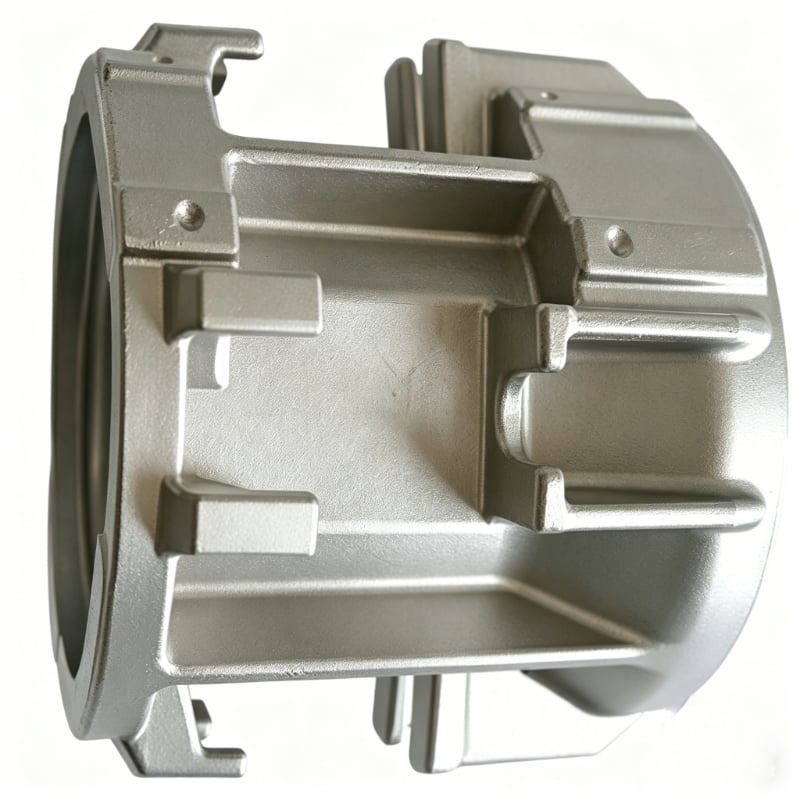
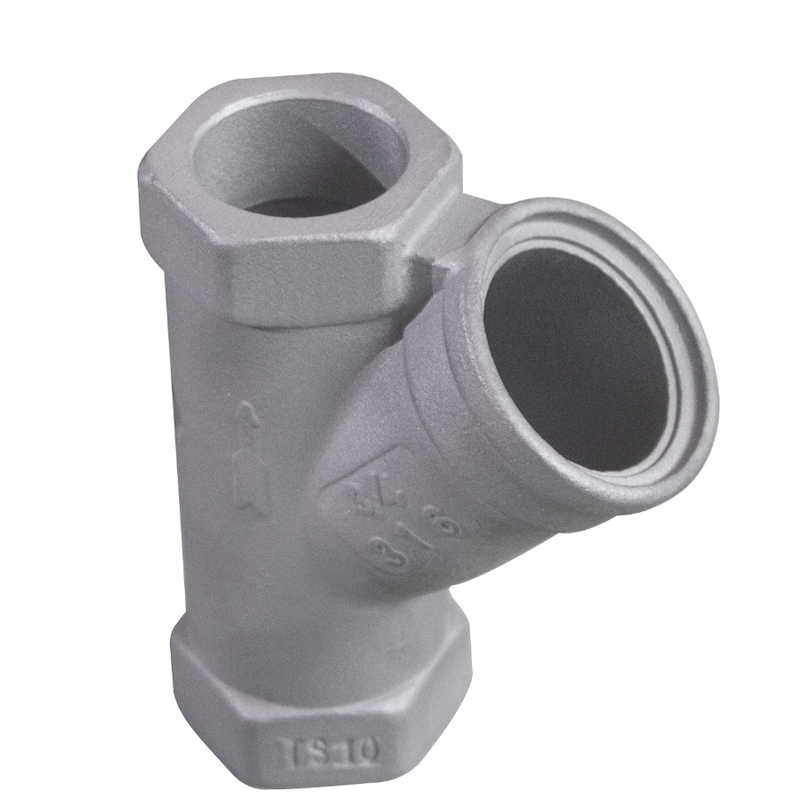
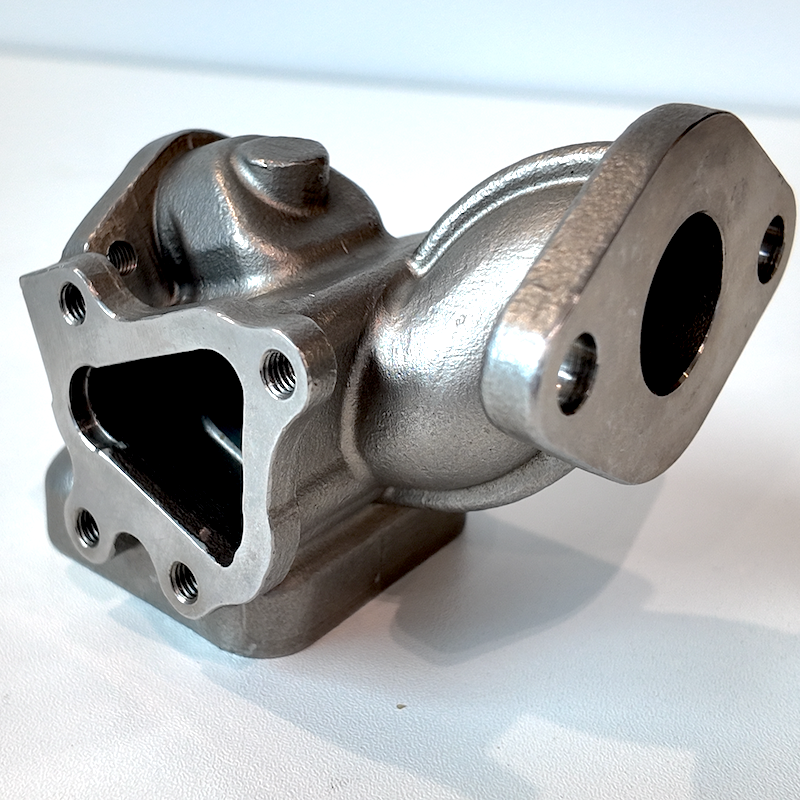
Gate valve body casting represents a critical manufacturing process in the production of industrial valve components that control fluid flow in pipelines and processing systems. This specialized casting technique creates the main housing structure of gate valves, which are essential devices used to start or stop the flow of liquids and gases in countless industrial applications. The gate valve body casting process involves pouring molten metal into carefully designed molds to form the intricate shapes required for proper valve operation. These castings must withstand extreme pressures, temperatures, and corrosive environments while maintaining precise dimensional tolerances. The manufacturing process typically utilizes materials such as carbon steel, stainless steel, cast iron, bronze, and various alloy combinations, selected based on the specific operating conditions and media being controlled. Modern gate valve body casting employs advanced techniques including sand casting, investment casting, and precision casting methods to achieve superior quality and performance characteristics. The casting process creates a robust housing with integral features such as body cavities, bonnet connections, seat rings, and port openings that are essential for valve functionality. Quality gate valve body casting ensures leak-tight seals, structural integrity under stress, and long-term durability in demanding service conditions. The technological advancement in casting methods has enabled manufacturers to produce valve bodies with complex geometries, smooth internal surfaces, and consistent wall thicknesses that enhance performance and reliability. These cast valve bodies serve as the foundation for gate valve assemblies used in petroleum refining, chemical processing, power generation, water treatment, mining operations, and marine applications. The precision achieved through modern gate valve body casting techniques directly impacts the overall efficiency, safety, and maintenance requirements of fluid control systems across diverse industries worldwide.

Popular Products

Gate valve body casting offers numerous practical benefits that make it the preferred choice for industrial valve manufacturing. First and foremost, the casting process allows for cost-effective production of complex shapes that would be extremely difficult or impossible to achieve through other manufacturing methods such as machining or forging. This economic advantage becomes particularly significant when producing large valve bodies or high-volume orders, as the initial tooling investment is quickly offset by reduced per-unit costs. The structural integrity provided by gate valve body casting surpasses many alternative manufacturing techniques because the casting process creates a monolithic component without welds or joints that could become potential failure points under pressure or thermal stress. This seamless construction ensures uniform strength distribution throughout the valve body, enhancing reliability and extending service life in challenging operating environments. Another significant advantage lies in material versatility, as the casting process accommodates a wide range of metals and alloys tailored to specific application requirements, whether dealing with corrosive chemicals, high temperatures, cryogenic conditions, or abrasive media. The flexibility in material selection enables customization for specialized industries while maintaining consistent quality standards. Gate valve body casting also excels in dimensional accuracy and repeatability, particularly with modern casting technologies that incorporate computer-aided design and precision molding techniques. This consistency ensures proper fit and function of internal valve components, reducing installation challenges and minimizing the risk of operational issues. The casting process naturally creates smooth internal flow passages that minimize turbulence and pressure drop, contributing to improved system efficiency and reduced energy consumption. Furthermore, cast valve bodies demonstrate excellent vibration damping characteristics compared to fabricated alternatives, which helps reduce noise levels and mechanical stress in pipeline systems. The weight-to-strength ratio achieved through optimized gate valve body casting designs allows for robust construction without unnecessary bulk, simplifying handling, installation, and support requirements. Maintenance benefits include the ease of inspection and repair, as cast valve bodies can be designed with accessible features and standardized dimensions that facilitate routine servicing. The proven track record of cast valve bodies across decades of industrial use provides confidence in their long-term performance and reliability. Environmental considerations also favor casting methods, as modern foundries implement recycling programs for scrap metal and employ energy-efficient melting technologies that reduce the carbon footprint of production. Overall, gate valve body casting delivers a combination of economic efficiency, structural excellence, design flexibility, and operational reliability that continues to make it the industry standard for valve manufacturing.

Latest News

Selection And Application Scope Of Hardness Tester

11

May

Selection And Application Scope Of Hardness Tester

View More
The Role Of Elements In Castings And The Order Of Addition

11

May

The Role Of Elements In Castings And The Order Of Addition

View More
Stainless Steel Castings for Architectural Posts

11

May

Stainless Steel Castings for Architectural Posts

View More
Stainless Steel Castings for Building Facade Systems

11

May

Stainless Steel Castings for Building Facade Systems

View More

Get a Free Quote

Our representative will contact you soon.
Email
Name
Company Name
Message
0/1000

gate valve body casting

Superior Pressure Containment and Structural Reliability

Superior Pressure Containment and Structural Reliability

The structural integrity of gate valve body casting stands as one of its most compelling attributes, providing unmatched pressure containment capabilities essential for critical industrial applications. When molten metal solidifies within the casting mold, it forms a continuous, homogeneous structure free from the mechanical joints, welds, or seams that characterize fabricated alternatives. This monolithic construction eliminates weak points where cracks might initiate under cyclic loading or pressure surges, ensuring consistent performance throughout the valve body. The metallurgical bonding that occurs during solidification creates grain structures that distribute stress evenly across the entire component, preventing localized stress concentrations that could lead to premature failure. Advanced gate valve body casting techniques employ controlled cooling rates and heat treatment processes that optimize the microstructure of the metal, enhancing mechanical properties such as tensile strength, impact resistance, and fatigue endurance. These characteristics prove particularly valuable in high-pressure systems where valve bodies must contain fluids at thousands of pounds per square inch without deformation or leakage. The ability to cast thick-walled sections where needed while maintaining thinner walls in less critical areas allows engineers to optimize the strength-to-weight ratio, creating valve bodies that are both robust and practical to install. Quality control measures during the gate valve body casting process, including non-destructive testing methods such as radiographic inspection and ultrasonic examination, verify internal soundness and detect any porosity or inclusions that might compromise structural integrity. The pressure-containing capabilities of cast valve bodies have been validated through rigorous testing protocols that simulate decades of service conditions, including pressure cycling, thermal shock, and exposure to corrosive media. Industrial facilities depend on this reliability for safe operation, knowing that properly manufactured gate valve body casting components will maintain their integrity even under upset conditions or emergency scenarios. The confidence provided by proven structural performance reduces insurance costs, minimizes downtime risks, and protects both personnel and environmental safety in facilities handling hazardous materials or operating under extreme conditions.
Exceptional Design Flexibility and Customization Options

Exceptional Design Flexibility and Customization Options

Gate valve body casting provides unparalleled design freedom that enables engineers to create optimized valve configurations tailored to specific operational requirements and installation constraints. Unlike machining processes that are limited by tool access and cutting capabilities, casting allows for the formation of complex internal passages, undercuts, curved surfaces, and integrated features that would be prohibitively expensive or technically impossible to produce through subtractive manufacturing methods. This design flexibility permits the incorporation of multiple flow paths, angled ports, integral seat pockets, and boss arrangements that enhance valve functionality while reducing the number of separate components requiring assembly. Engineers can optimize wall thickness distribution throughout the gate valve body casting to provide reinforcement where stress analysis indicates higher loads while reducing material in areas experiencing lower forces, achieving an ideal balance between strength and weight. The casting process readily accommodates dimensional variations to meet different pressure class requirements, end connection standards, and face-to-face dimensions without requiring entirely new manufacturing equipment, simply modifications to pattern tooling. This adaptability proves invaluable for manufacturers serving diverse markets with varying specifications and regulatory requirements. Gate valve body casting also enables the integration of mounting pads, support lugs, and attachment points directly into the body structure, eliminating the need for separate brackets or welded additions that add cost and potential failure modes. The ability to cast company logos, product identification, and traceability information directly into the valve body surface ensures permanent marking that survives years of service, painting, and maintenance activities. Custom alloy formulations can be developed for gate valve body casting applications requiring specific properties such as enhanced corrosion resistance, improved high-temperature strength, or specialized magnetic characteristics. Foundries working with experienced metallurgists can adjust chemical compositions within specification ranges to optimize castability while meeting mechanical property requirements for demanding service conditions. The pattern-making phase of gate valve body casting development allows for rapid prototyping and design iterations, enabling manufacturers to test and refine concepts before committing to full-scale production tooling. Modern computer-aided engineering tools simulate the casting process, predicting fill patterns, solidification behavior, and potential defect formation, allowing designers to optimize gate valve body casting geometry for manufacturability while maintaining functional requirements. This comprehensive design capability extends the useful life of valve products by facilitating upgrades and improvements without abandoning existing production infrastructure.
Long-Term Economic Value and Lifecycle Cost Advantages

Long-Term Economic Value and Lifecycle Cost Advantages

The economic benefits of gate valve body casting extend far beyond initial purchase price, delivering substantial lifecycle cost advantages that make it the smart choice for facility managers and engineers focused on total cost of ownership. While some manufacturing alternatives might appear competitive on initial quotations, the durability and longevity of properly cast valve bodies significantly reduce replacement frequency and associated installation costs over the operational life of industrial facilities. The inherent strength and corrosion resistance of gate valve body casting materials mean that these components often outlast the piping systems they control, providing decades of reliable service with minimal maintenance requirements. This extended service life translates directly to reduced inventory costs, as facilities need fewer spare valves on hand, and lower administrative burdens associated with procurement, vendor management, and quality verification activities. The superior sealing surfaces achieved through precision gate valve body casting reduce fugitive emissions, helping facilities meet increasingly stringent environmental regulations while avoiding potential fines and remediation costs. Energy efficiency gains from smooth internal flow passages in cast valve bodies accumulate over years of operation, reducing pumping costs and contributing to overall system efficiency that impacts utility expenses. The standardization possible with gate valve body casting enables interchangeability of components across multiple installations, simplifying maintenance procedures and reducing the training required for personnel to service valves from different manufacturers using common casting patterns. Insurance underwriters recognize the proven reliability of cast valve bodies in safety-critical applications, potentially offering more favorable premiums for facilities that specify quality cast components in their fluid control systems. The recyclability of metal used in gate valve body casting contributes to sustainable operations, as end-of-life valves can be returned to foundries for remelting into new products, recovering material value and reducing environmental impact. Manufacturing efficiency in gate valve body casting operations, particularly for medium to large production volumes, results in consistent quality and competitive pricing that benefits end users through stable supply chains and predictable budgeting. The ability to perform in-situ repairs on some cast valve bodies, such as seat refacing or minor corrosion remediation, extends useful life beyond what might be possible with fabricated alternatives, deferring major capital expenditures. Comprehensive documentation and traceability available with quality gate valve body casting includes material certifications, mechanical test results, and manufacturing records that satisfy regulatory requirements and support asset management programs. These factors combine to create compelling economic value that savvy engineers and purchasing professionals recognize when specifying valve components for new construction projects or maintenance replacements in existing facilities.

Get a Free Quote

Our representative will contact you soon.
Email
Name
Company Name
Message
0/1000