Industrial Valve Body Castings Factory - Premium Quality Valve Components Manufacturing

Get a Free Quote

Our representative will contact you soon.
Email
Name
Company Name
Message
0/1000

industrial valve body castings factory

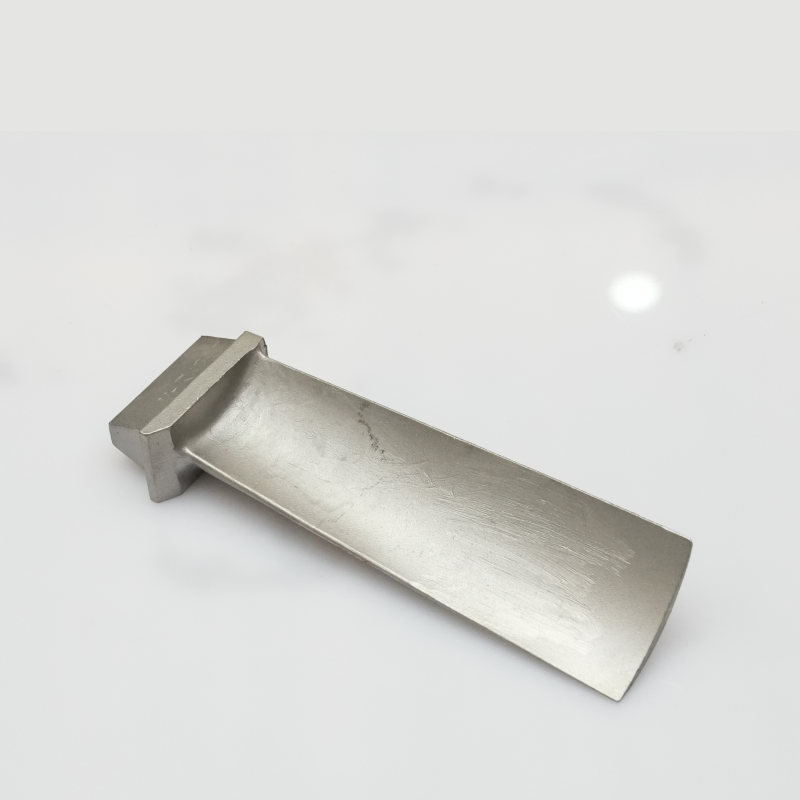
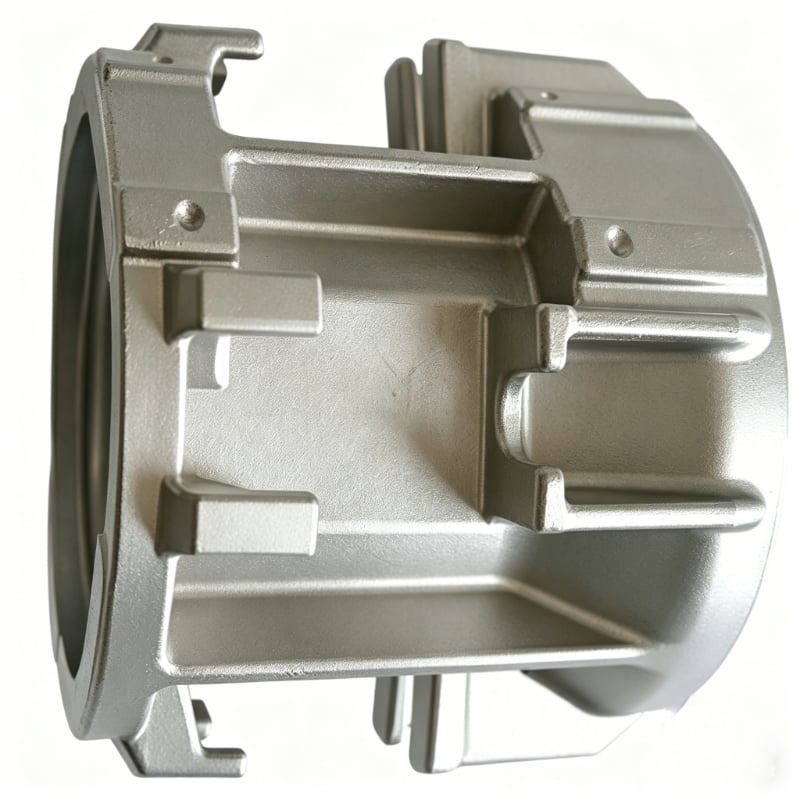
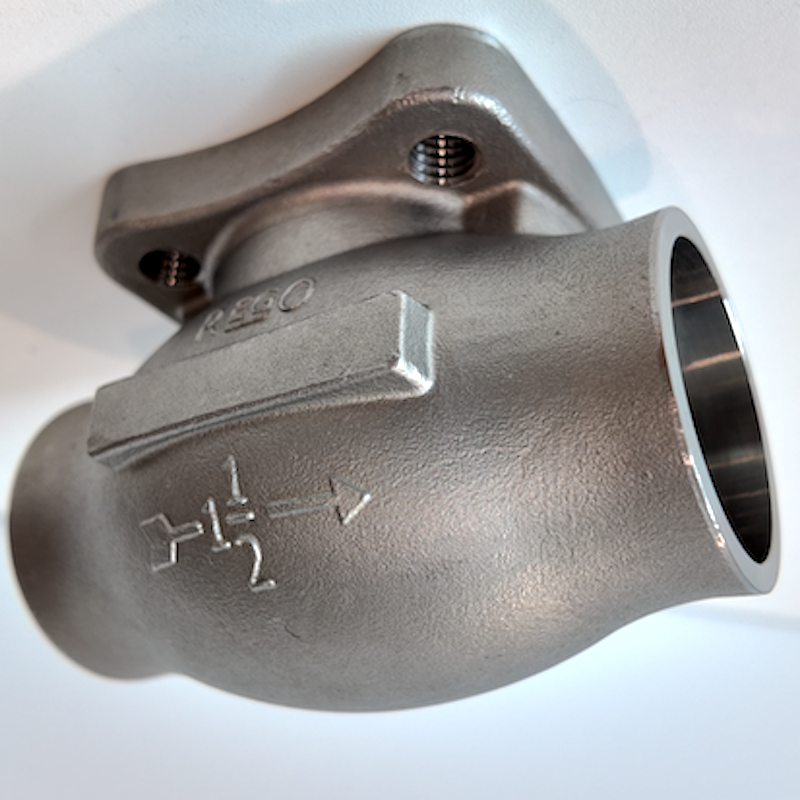
An industrial valve body castings factory represents a specialized manufacturing facility dedicated to producing high-quality valve components through advanced casting processes. These factories serve as the backbone of fluid control systems across numerous industries, creating durable valve bodies that regulate the flow of liquids, gases, and slurries in complex industrial applications. The primary function of an industrial valve body castings factory involves transforming raw materials, typically metal alloys such as carbon steel, stainless steel, cast iron, bronze, and specialty alloys, into precisely engineered valve housings through sophisticated casting techniques. These facilities employ multiple casting methodologies including sand casting, investment casting, die casting, and centrifugal casting, each selected based on the specific requirements of the final product. The technological features of modern factories incorporate computer-aided design systems, automated molding equipment, precision machining centers, and rigorous quality control protocols that ensure dimensional accuracy and structural integrity. Advanced factories utilize simulation software to predict metal flow patterns, solidification behavior, and potential defects before actual production begins, significantly reducing waste and improving product consistency. The manufacturing process typically involves pattern making, mold preparation, melting and pouring, cooling and solidification, finishing operations, and comprehensive testing procedures. Applications for valve body castings span diverse sectors including oil and gas extraction and refining, chemical processing plants, water treatment facilities, power generation stations, pharmaceutical manufacturing, food and beverage production, marine systems, and general industrial infrastructure. These valve bodies must withstand extreme pressures, corrosive environments, high temperatures, and demanding operational cycles, making the expertise of specialized casting factories essential for reliable performance. The factory environment integrates metallurgical knowledge, engineering precision, and quality assurance practices to deliver products that meet international standards such as API, ANSI, ASME, and ISO certifications, ensuring global compatibility and customer confidence in critical flow control applications.

New Product Releases

Choosing to work with a dedicated manufacturing facility for valve components brings numerous practical benefits that directly impact your operations and bottom line. First and foremost, these specialized facilities offer significant cost savings through economies of scale and process optimization. By focusing exclusively on casting technology, they achieve production efficiencies that general manufacturers cannot match, translating to competitive pricing without compromising quality. The expertise concentrated in these facilities means faster turnaround times from design concept to finished product, reducing your time to market and allowing quicker responses to customer demands or system upgrades. Quality consistency represents another major advantage, as specialized factories implement stringent testing protocols including pressure testing, radiographic inspection, dimensional verification, and material analysis to ensure every valve body meets exact specifications. This consistency eliminates the variability that can plague multi-purpose manufacturing operations, giving you predictable performance and reducing field failures that lead to costly downtime. Material flexibility offers practical value as well, since experienced casting factories maintain relationships with multiple alloy suppliers and possess the technical knowledge to recommend optimal materials for your specific operating conditions, whether you face corrosive chemicals, extreme temperatures, or abrasive media. Customization capabilities allow these factories to adapt standard designs or create entirely new configurations to match your unique system requirements, providing solutions that off-the-shelf products cannot deliver. The technical support provided by knowledgeable factory personnel helps you make informed decisions during the design phase, potentially avoiding expensive modifications later in your project timeline. Production scalability means these facilities can handle orders ranging from prototype quantities to large production runs, accommodating your business growth without forcing you to change suppliers. Geographic advantages often include strategic locations near shipping hubs or customer concentrations, reducing transportation costs and delivery times. Environmental responsibility practiced by modern facilities includes recycling programs for scrap metal, energy-efficient melting processes, and waste reduction initiatives that align with corporate sustainability goals while potentially offering cost benefits. Long-term partnership potential develops when working with specialized factories, as they invest in understanding your specific needs, maintain historical records of your orders, and can proactively suggest improvements based on industry developments or emerging technologies. The combination of technical excellence, economic efficiency, and customer-focused service makes dedicated casting facilities the smart choice for sourcing critical valve components that keep your operations running smoothly and profitably.

Tips And Tricks

Selection And Application Scope Of Hardness Tester

11

May

Selection And Application Scope Of Hardness Tester

View More
The Role Of Elements In Castings And The Order Of Addition

11

May

The Role Of Elements In Castings And The Order Of Addition

View More
Stainless Steel Castings for Architectural Posts

11

May

Stainless Steel Castings for Architectural Posts

View More
Precision Stainless Steel Exhaust Manifold Casting Solution For Luxury Sedan - With Japanese First-Tier Car Brand

11

May

Precision Stainless Steel Exhaust Manifold Casting Solution For Luxury Sedan - With Japanese First-Tier Car Brand

View More

Get a Free Quote

Our representative will contact you soon.
Email
Name
Company Name
Message
0/1000

industrial valve body castings factory

Advanced Casting Technologies Ensuring Superior Product Quality

Advanced Casting Technologies Ensuring Superior Product Quality

The implementation of cutting-edge casting technologies distinguishes leading facilities from conventional manufacturing operations, delivering valve bodies with exceptional structural integrity and performance characteristics. Modern factories employ computer-aided engineering tools that simulate the entire casting process before any metal is poured, allowing engineers to optimize gating systems, predict solidification patterns, identify potential defect locations, and refine designs for maximum strength and minimal material waste. This digital approach eliminates the trial-and-error methods of traditional casting, dramatically reducing development time and ensuring first-run success rates that benefit customers through faster delivery and lower costs. Investment casting technology, also known as lost-wax casting, enables the production of complex geometries with smooth surface finishes and tight dimensional tolerances that reduce or eliminate secondary machining operations. This precision casting method proves particularly valuable for valve bodies requiring intricate internal passages, thin walls, or complex port configurations that would be impossible or prohibitively expensive using other manufacturing techniques. Sand casting capabilities, enhanced by automated molding lines and precision pattern equipment, provide cost-effective production for larger valve bodies while maintaining quality standards through controlled sand composition, compaction pressure, and temperature management. Centrifugal casting technology creates valve bodies with superior metallurgical properties by using centrifugal force during solidification, resulting in denser castings with fewer defects and enhanced mechanical properties compared to static casting methods. Quality assurance systems integrated throughout the manufacturing process include spectroscopic analysis of incoming raw materials, real-time temperature monitoring during melting and pouring, non-destructive testing using radiography and ultrasonic methods, pressure testing to verify structural integrity, and dimensional inspection using coordinate measuring machines. These comprehensive quality measures ensure that every valve body leaving the factory meets or exceeds specified standards, reducing the risk of field failures that can cause safety incidents, environmental releases, or production interruptions. The technological sophistication of modern casting facilities also extends to heat treatment processes that optimize material properties, surface treatment options that enhance corrosion resistance, and precision machining capabilities that prepare mounting surfaces and seal faces to exacting specifications, delivering ready-to-install components that simplify your assembly operations and accelerate project completion.
Comprehensive Material Selection and Metallurgical Expertise

Comprehensive Material Selection and Metallurgical Expertise

The breadth of material options and depth of metallurgical knowledge available at specialized casting facilities provide customers with optimal solutions tailored to their specific operating conditions and performance requirements. Experienced factories maintain extensive material portfolios including various grades of carbon steel for general industrial applications, stainless steel alloys offering corrosion resistance in chemical environments, duplex and super duplex stainless steels combining strength with chloride resistance for marine and offshore applications, bronze and brass alloys suitable for water service and low-friction requirements, nickel-based superalloys withstanding extreme temperatures in power generation, and exotic materials like titanium for weight-sensitive aerospace applications or highly corrosive environments. This material diversity enables customers to select exactly the right alloy for their application rather than compromising with whatever a general manufacturer happens to stock. The metallurgical expertise concentrated in specialized factories goes beyond simply pouring different alloys, encompassing deep understanding of how composition affects properties like tensile strength, yield strength, elongation, hardness, impact resistance, thermal expansion, and corrosion behavior. Factory metallurgists work closely with customers to analyze operating conditions including fluid chemistry, temperature ranges, pressure levels, flow velocities, and cyclic loading patterns to recommend materials that will provide optimal service life and reliability. This consultative approach prevents costly mistakes such as selecting materials that suffer rapid corrosion, experience brittle failure at low temperatures, or lack sufficient strength for high-pressure applications. Material traceability systems maintained by quality-focused factories document the complete history of every casting from raw material heat numbers through processing parameters to final inspection results, providing documentation required for critical applications in regulated industries like nuclear power, petrochemical processing, and pharmaceutical manufacturing. The ability to source and process specialty materials gives customers access to advanced alloys developed for specific challenges, such as materials resistant to sulfuric acid, hydrofluoric acid, or other aggressive chemicals that attack conventional materials. Heat treatment capabilities integrated within casting facilities allow precise control of material properties through processes like annealing to improve machinability, normalizing to refine grain structure, quenching and tempering to increase strength, and solution treating followed by aging to optimize corrosion resistance in stainless alloys. This metallurgical sophistication, combined with decades of practical experience across diverse industries, ensures that customers receive valve body castings engineered for maximum performance and longevity in their specific applications, reducing total cost of ownership through extended service intervals and fewer emergency replacements.
Flexible Production Capacity and Reliable Delivery Performance

Flexible Production Capacity and Reliable Delivery Performance

Production flexibility and delivery reliability represent critical competitive advantages that specialized casting facilities provide to customers facing dynamic market demands and tight project schedules. Modern factories invest in versatile equipment configurations that accommodate a wide range of valve body sizes, from small instrument valves weighing mere pounds to massive gate valves exceeding several tons, allowing customers to consolidate their supplier base and simplify procurement processes. This size flexibility extends to production volume capabilities as well, with efficient changeover processes enabling economical production of small prototype batches for new product development, medium-sized orders for replacement parts and service applications, and large production runs for OEM manufacturers or major construction projects. The ability to scale production up or down based on customer demand provides valuable agility in industries subject to cyclical demand patterns or project-based purchasing behaviors. Inventory management programs offered by progressive factories include consignment arrangements where pre-cast valve bodies remain in factory warehouses until needed, vendor-managed inventory systems that automatically replenish customer stocks based on usage patterns, and blanket purchase orders with scheduled releases that lock in pricing while maintaining flexibility in delivery timing. These programs reduce customer inventory carrying costs, minimize working capital requirements, and ensure component availability without the risks of obsolescence or storage space constraints. Production planning systems utilizing advanced scheduling software optimize factory throughput by intelligently sequencing orders based on material requirements, mold availability, and delivery commitments, maximizing efficiency while ensuring on-time delivery performance. Expedited processing capabilities maintained by well-managed factories provide customers with options when urgent requirements arise due to equipment failures, project accelerations, or forecasting errors, offering faster-than-standard lead times that can prevent costly production shutdowns or contract penalties. Geographic distribution of production facilities or strategic partnerships with regional foundries enable some factory networks to offer local production advantages including reduced shipping costs, shorter delivery times, and simplified logistics while maintaining consistent quality standards across locations. Supply chain resilience built into factory operations through diversified raw material sourcing, backup equipment capacity, and cross-training of personnel ensures continuity of supply even when disruptions affect portions of the manufacturing infrastructure. Communication transparency maintained through customer portals, regular status updates, and proactive notification of potential delays builds trust and enables customers to plan their operations with confidence. The combination of flexible capacity, reliable performance, and customer-focused service makes specialized valve body casting factories valuable partners capable of supporting business growth, adapting to changing requirements, and consistently delivering the quality components essential for successful operations across industrial sectors.

Get a Free Quote

Our representative will contact you soon.
Email
Name
Company Name
Message
0/1000