Erinomainen materiaalin eheys ja mekaaniset ominaisuudet
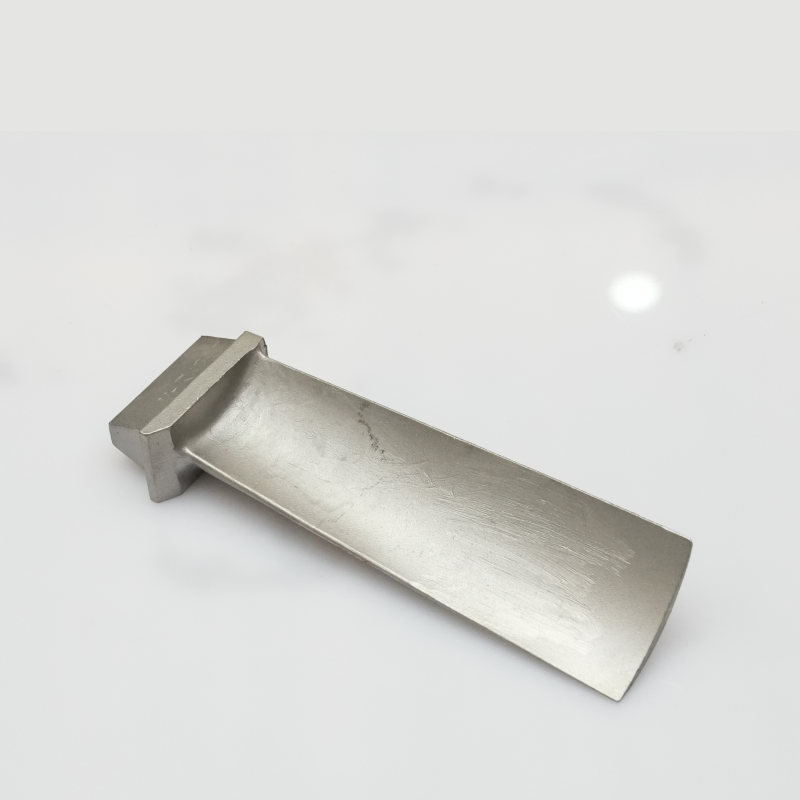
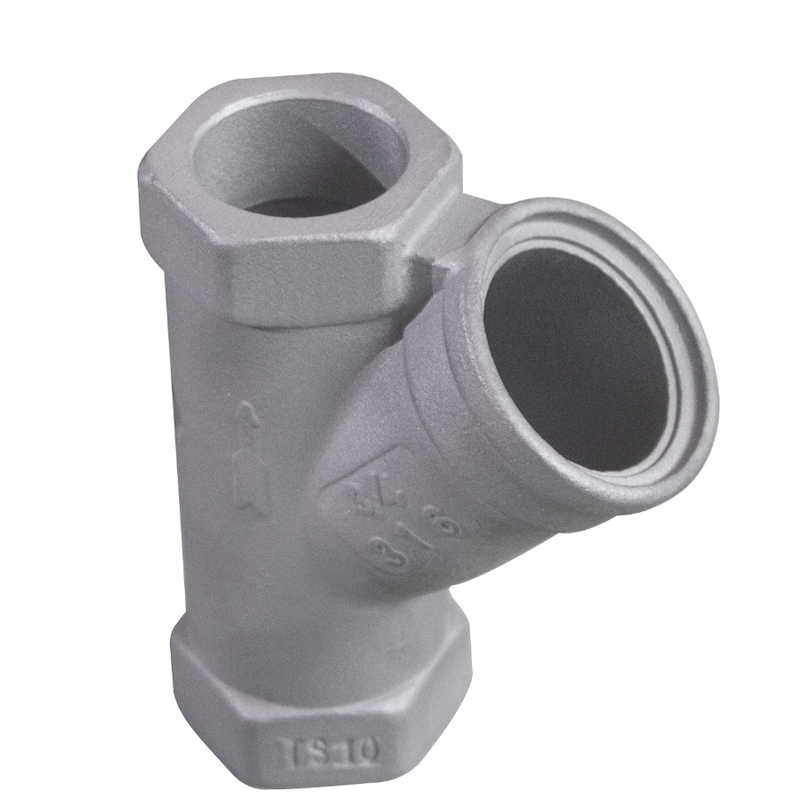
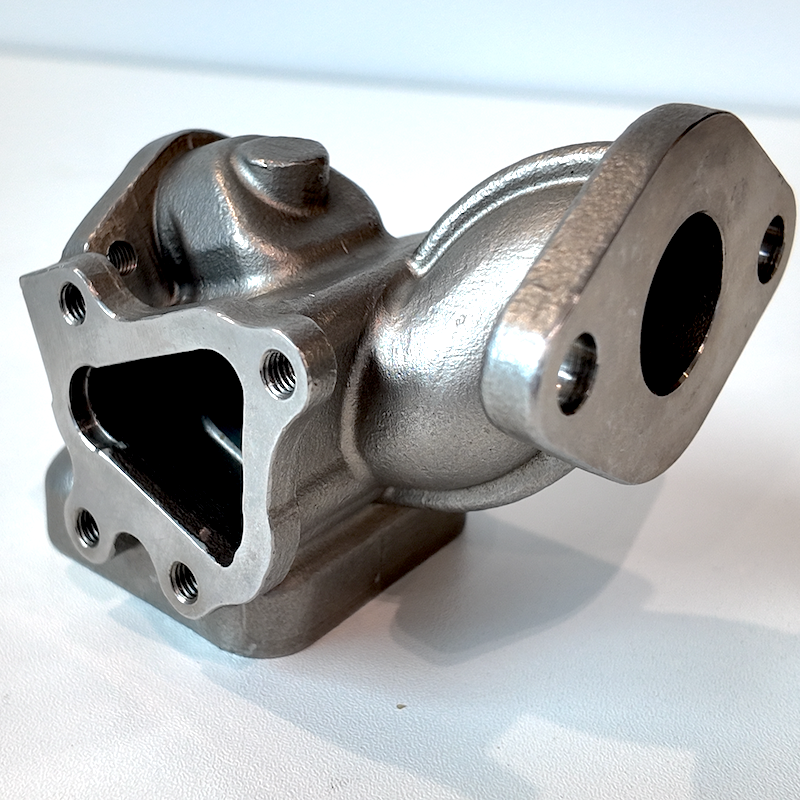
Tarkkuusvalukappaleet, jotka valutaan tarkkuusvahakäytöllä, tarjoavat erinomaisen materiaalin eheytteen ja mekaaniset ominaisuudet, jotka ovat yhtä hyviä tai parempia kuin muilla valmistusmenetelmillä tuotettujen komponenttien ominaisuudet, mikä takaa luotettavuuden ja suorituskyvyn, joka täyttää vaativimmat käyttövaatimukset. Valuprosessi luo komponentin koko tilavuuden läpi yhtenäisen mikrorakenteen ilman suunnattuja jyväsuuntia, jotka syntyvät muovattuissa materiaaleissa esimerkiksi puristus- tai muokkausprosesseissa. Tämä yhtenäisyys tarkoittaa, että tarkkuusvalukappaleet, jotka valutaan tarkkuusvahakäytöllä, osoittavat kaikissa suunnissa yhtenäisiä mekaanisia ominaisuuksia ja poistavat heikot tason, jotka voivat epäonnistua monimutkaisten kuormitusten alaisena. Valun aikana hallittu jähmettymisympäristö mahdollistaa metallurgien optimoida jäähdytysnopeuksia tiettyihin seoksiihin, edistäen toivottuja jyvärakenteita ja vähentäen puutteita, kuten huokosuutta, epäpuhtauksia tai seostumista, jotka voivat heikentää suorituskykyä. Nykyaikaiset valimoissa, jotka tuottavat tarkkuusvalukappaleita tarkkuusvahakäytöllä, käyttävät tyhjiövalutusta, jolla poistetaan liuenneet kaasut sulametallista ennen valumista, mikä käytännössä poistaa kaasuhuokosuuden ja tuottaa komponentteja, joiden tiukkuus on lähes teoreettisesti mahdollisen maksimiarvon mukainen kyseiselle seokselle. Tämä materiaalin laatu tekee tarkkuusvalukappaleet, jotka valutaan tarkkuusvahakäytöllä, soveltuviksi kriittisiin sovelluksiin, joissa epäonnistuminen voi aiheuttaa vakavia seurauksia, kuten ilmailukomponenteiksi, lääketieteellisiksi implanteiksi tai turvavarusteiksi. Lämmökäsittelymahdollisuudet parantavat lisää tarkkuusvalukappaleiden, jotka valutaan tarkkuusvahakäytöllä, mekaanisia ominaisuuksia; prosesseja, kuten liuotuspehmennys, sadekarkeneminen tai jännitystenpoisto, voidaan säätää tiettyihin seoksiin ja sovelluksiin. Ruostumaton teräs -tarkkuusvalukappaleet, jotka valutaan tarkkuusvahakäytöllä, voivat saavuttaa vetolujuuden yli 100 000 psi (pound per square inch) ja erinomaisen korroosionkestävyyden, kun taas alumiiniseoksien valukappaleet tarjoavat korkean lujuus-massasuhde, mikä tekee niistä ihanteellisia ilmailu- ja autoteollisuuden sovelluksiin, ja erikoisseokset tarjoavat ainutlaatuisia ominaisuuksia, kuten ei-magneettisuutta, äärimmäisen lämpötilasuorituskykyä tai biokelvollisuutta lääketieteellisiin käyttötarkoituksiin. Tarkkuusvalukappaleiden, jotka valutaan tarkkuusvahakäytöllä, homogeeninen koostumus yhdistettynä hallittuihin prosessointiparametreihin johtaa ennustettaviin ja toistettaviin mekaanisiin ominaisuuksiin, mikä mahdollistaa insinöörien suunnittelun luottamuksella siitä, että materiaalin käyttäytyminen vastaa määriteltyjä vaatimuksia kaikissa tuotantoyksiköissä. Myös väsymisvastus, joka on toinen kriittinen suorituskykytekijä, hyötyy tarkkuusvalukappaleiden, jotka valutaan tarkkuusvahakäytöllä, sileästä sisäisestä rakenteesta, jossa ei ole koneistusjälkiä, työkalun tärinäkuvioita tai alapinnan vaurioita, jotka voivat aloittaa halkeamien muodostumisen leikkausprosesseilla tuotetuissa komponenteissa, mikä johtaa pidemmälle käyttöikään vaihtelevasti kuormitettuina sovelluksina.

 EN
EN