Belt Chain and Gear Drives: Complete Guide to Industrial Power Transmission Solutions

Get a Free Quote

Our representative will contact you soon.
Email
Name
Company Name
Message
0/1000

belt chain and gear drives

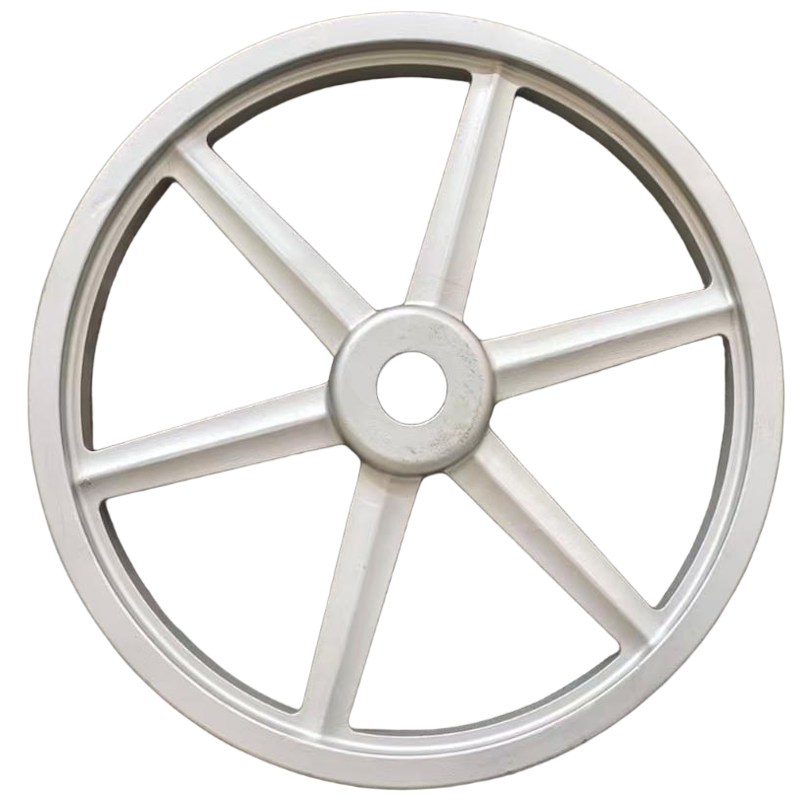
Belt chain and gear drives represent three fundamental mechanical power transmission systems that have revolutionized industrial operations across countless sectors worldwide. These transmission mechanisms serve the critical function of transferring rotational motion and torque from one shaft to another, enabling machinery to operate efficiently and reliably. Belt drives utilize flexible belts wrapped around pulleys to transmit power through friction, making them ideal for applications requiring smooth operation and noise reduction. Chain drives employ metal chains engaging with sprockets to deliver robust power transmission where higher loads and precise positioning matter most. Gear drives use interlocking teeth on rotating wheels to provide direct mechanical advantage with exceptional precision and efficiency. The technological features of belt chain and gear drives encompass remarkable versatility in speed ratios, load capacities, and operational environments. Belt systems excel in applications demanding shock absorption and overload protection, as the belt can slip when excessive force occurs, protecting connected equipment from damage. Chain mechanisms offer superior strength-to-weight ratios and maintain consistent performance across temperature variations, making them suitable for harsh industrial conditions. Gear systems deliver unmatched accuracy in speed ratios and torque multiplication, essential for precision machinery and heavy-duty applications. These transmission solutions find extensive applications throughout manufacturing facilities, automotive systems, agricultural equipment, material handling operations, and countless other industrial processes. From conveyor systems moving products through production lines to timing mechanisms in automotive engines, belt chain and gear drives form the backbone of modern mechanical engineering. Their adaptability allows engineers to select the optimal transmission method based on specific operational requirements including distance between shafts, power requirements, speed variations, environmental conditions, and maintenance considerations. Understanding these fundamental transmission technologies empowers businesses to make informed decisions that enhance productivity, reduce operational costs, and improve overall system reliability.

New Product Recommendations

The advantages of belt chain and gear drives deliver tangible benefits that directly impact your operational efficiency and bottom line. These transmission systems reduce energy waste by converting power more effectively than alternative methods, which translates into lower electricity bills and improved sustainability for your facility. You gain significant cost savings through extended equipment lifespan since these drives protect connected machinery from sudden shock loads and vibration damage that would otherwise cause premature failure. The installation flexibility these systems provide means you can position motors and driven equipment at various distances and angles, giving you greater freedom in designing your workspace layout without compromising performance. Maintenance requirements remain straightforward and manageable, allowing your team to perform routine inspections and adjustments without specialized training or expensive diagnostic equipment. Belt drives operate quietly, creating a more comfortable working environment for your employees while reducing noise pollution concerns in noise-sensitive locations. This quiet operation also serves as an early warning system because unusual sounds immediately indicate developing problems before they escalate into costly breakdowns. Chain drives withstand contaminated environments where dust, moisture, or chemical exposure would damage other transmission methods, making them perfect for food processing, outdoor applications, and industrial settings with challenging conditions. You benefit from consistent performance across wide temperature ranges, ensuring your operations continue smoothly whether in freezing warehouses or high-temperature manufacturing environments. Gear drives deliver precise speed control and positioning accuracy that directly improves product quality in applications requiring exact timing or synchronized movements. The compact design of gear systems saves valuable floor space in crowded facilities where every square foot matters for productivity. These transmission solutions require minimal lubrication compared to hydraulic systems, eliminating the risk of fluid leaks that contaminate products or create safety hazards. You experience fewer unexpected shutdowns because belt chain and gear drives provide reliable service with predictable wear patterns that allow scheduled maintenance during planned downtime rather than emergency repairs. The initial investment in quality transmission systems pays dividends through reduced operating costs, fewer replacement parts, and improved production consistency that keeps your customers satisfied and your reputation strong in competitive markets.

Latest News

Basic Principles Of Design Of Precision Casting Gating System

11

May

Basic Principles Of Design Of Precision Casting Gating System

View More
Selection And Application Scope Of Hardness Tester

11

May

Selection And Application Scope Of Hardness Tester

View More
Stainless Steel Castings for Building Facade Systems

11

May

Stainless Steel Castings for Building Facade Systems

View More
Precision Stainless Steel Exhaust Manifold Casting Solution For Luxury Sedan - With Japanese First-Tier Car Brand

11

May

Precision Stainless Steel Exhaust Manifold Casting Solution For Luxury Sedan - With Japanese First-Tier Car Brand

View More

Get a Free Quote

Our representative will contact you soon.
Email
Name
Company Name
Message
0/1000

belt chain and gear drives

Superior Load Distribution and Power Transmission Efficiency

Superior Load Distribution and Power Transmission Efficiency

Belt chain and gear drives excel at distributing mechanical loads evenly across transmission components, which fundamentally changes how your equipment handles stress and extends operational lifespan dramatically. This superior load distribution occurs through different mechanisms depending on the transmission type, but all three methods share the common benefit of preventing concentrated stress points that cause premature component failure. Belt systems spread forces across the entire width of the belt and pulley contact area, cushioning sudden impacts and smoothing out power delivery fluctuations that would otherwise hammer bearings and shafts. This cushioning effect acts like a mechanical shock absorber, protecting expensive motors and driven equipment from damage caused by sudden starts, stops, or load variations during normal operations. Chain drives distribute loads across multiple teeth engaging simultaneously with sprocket teeth, creating numerous contact points that share the total force rather than concentrating stress on single components. This multi-point engagement means each individual link and tooth experiences only a fraction of the total load, significantly reducing wear rates and extending replacement intervals. Gear drives achieve load distribution through precisely engineered tooth profiles that spread contact forces across carefully calculated surface areas, maximizing material strength utilization while minimizing stress concentrations. The power transmission efficiency of belt chain and gear drives directly affects your energy consumption and operating costs in measurable ways. Modern belt designs using advanced materials achieve efficiency ratings exceeding ninety-five percent, meaning only a small fraction of input power converts to waste heat rather than useful work output. Chain drives maintain consistent efficiency across varying speeds and loads because the positive engagement between chain and sprocket eliminates slippage losses, ensuring every bit of input energy reaches the driven equipment. Gear systems deliver the highest efficiency ratings among mechanical transmissions, with properly lubricated gear meshes converting up to ninety-eight percent of input power into output work. This exceptional efficiency reduces energy bills substantially in high-power applications while also minimizing heat generation that would otherwise require additional cooling systems. The combined benefits of optimal load distribution and high efficiency create transmission systems that perform reliably year after year while consuming less energy and requiring fewer replacement parts than alternative power transmission methods.
Adaptability Across Diverse Operating Conditions and Applications

Adaptability Across Diverse Operating Conditions and Applications

The remarkable adaptability of belt chain and gear drives across vastly different operating conditions makes them indispensable solutions for industries facing unique environmental challenges and application requirements. This adaptability stems from fundamental design characteristics that allow each transmission type to function effectively despite temperature extremes, contamination exposure, speed variations, and space constraints that would compromise other power transmission methods. Belt drives accommodate misalignment between shafts more tolerantly than rigid connections, absorbing slight installation imperfections or thermal expansion effects without generating destructive side loads on bearings. This tolerance for misalignment simplifies installation procedures and reduces precision requirements during equipment setup, saving time and labor costs while preventing alignment-related failures during operation. Temperature resistance varies by belt material selection, with options available for applications ranging from frozen food processing at sub-zero temperatures to industrial ovens operating above two hundred degrees, ensuring you find suitable solutions regardless of thermal environment. Chain drives demonstrate exceptional resistance to contamination from dust, dirt, chemicals, and moisture that would destroy belt materials or clog gear teeth, making them ideal for agricultural equipment, construction machinery, and outdoor applications where environmental protection proves difficult. The open structure of chain drives allows debris to pass through rather than accumulating and causing binding, while corrosion-resistant materials and surface treatments enable operation in marine environments or chemical processing facilities. Gear drives offer unmatched versatility in packaging configurations, available as enclosed units protecting internal components from contamination while providing oil-bath lubrication for extended service life. Speed ratio flexibility represents another crucial adaptability advantage, with belt systems easily accommodating large speed reductions or increases through simple pulley diameter changes without requiring complete system redesign. Chain and gear drives similarly permit wide ratio ranges through sprocket or gear size selections, giving engineers tremendous flexibility in matching motor speeds to application requirements. Mounting orientation flexibility allows these transmission systems to operate in any position including vertical, horizontal, or angled installations without performance degradation, accommodating equipment layouts dictated by space constraints or process flow requirements rather than transmission limitations.
Predictable Maintenance Schedules and Long-Term Reliability

Predictable Maintenance Schedules and Long-Term Reliability

Belt chain and gear drives deliver predictable maintenance schedules and exceptional long-term reliability that transform maintenance operations from reactive crisis management into planned, cost-effective service routines. This predictability arises from well-understood wear mechanisms that progress gradually and visibly, allowing maintenance teams to monitor component condition and schedule replacements during planned downtime rather than responding to unexpected failures that halt production. Belt wear manifests as visible cracking, glazing, or dimensional changes that trained operators easily detect during routine inspections, providing clear warning signs weeks or months before actual failure occurs. This advance warning enables purchasing departments to stock replacement belts economically without maintaining excessive inventory, while production scheduling can plan maintenance windows that minimize disruption to manufacturing operations. Tension monitoring systems and visual inspection procedures require only basic tools and training, making condition assessment accessible to existing maintenance staff without expensive diagnostic equipment or specialized expertise. Chain drives exhibit measurable elongation as pins and bushings wear through normal service, with simple measurement procedures revealing when chains approach replacement thresholds before they reach failure point. The progressive nature of chain wear means performance degrades gradually rather than catastrophically, allowing continued operation at reduced capacity during emergency situations while replacement parts arrive. Lubrication requirements for belt chain and gear drives follow straightforward schedules based on operating hours or calendar intervals, eliminating guesswork and ensuring components receive proper lubrication without waste or over-servicing. Gear drives enclosed in oil-tight housings often operate thousands of hours between oil changes, dramatically reducing maintenance labor while protecting gears from contamination that accelerates wear. The modular nature of these transmission systems means replacement components install quickly using standard tools and procedures, minimizing downtime duration when service becomes necessary. Bearing replacement, belt changes, or chain adjustments typically complete within hours rather than days, and many facilities perform these tasks during normal shift changes or weekend schedules without impacting production targets. Long-term reliability stems from mature engineering principles refined over decades of industrial application, with established design standards ensuring components from different manufacturers work together compatibly. This standardization means replacement parts remain available from multiple suppliers, preventing obsolescence concerns that plague proprietary systems and ensuring your equipment remains serviceable for its entire economic lifespan.

Get a Free Quote

Our representative will contact you soon.
Email
Name
Company Name
Message
0/1000