Pemilihan dan Jangkauan Aplikasi Material yang Serba Guna
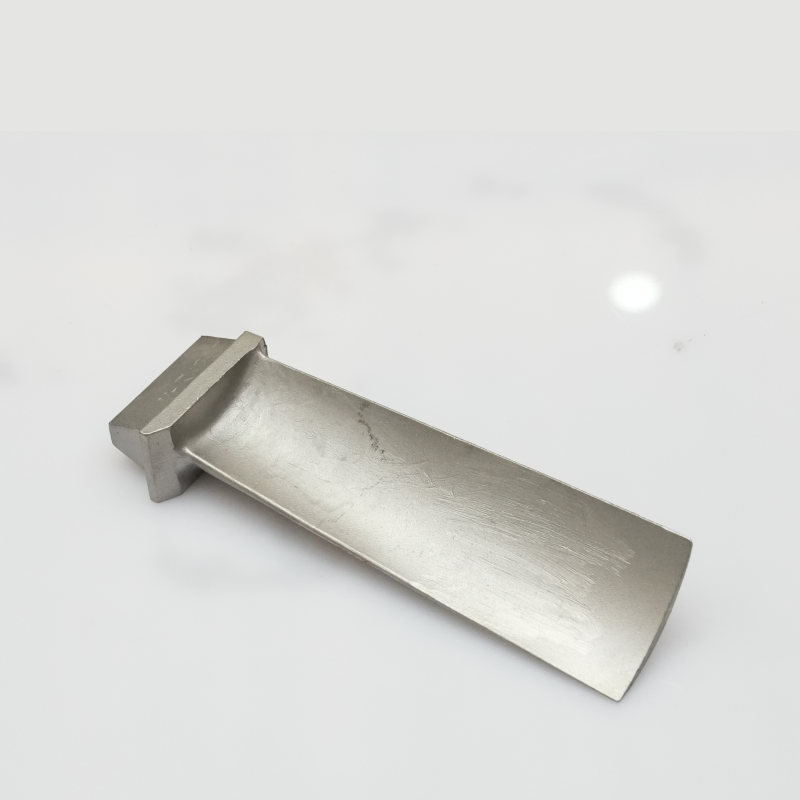
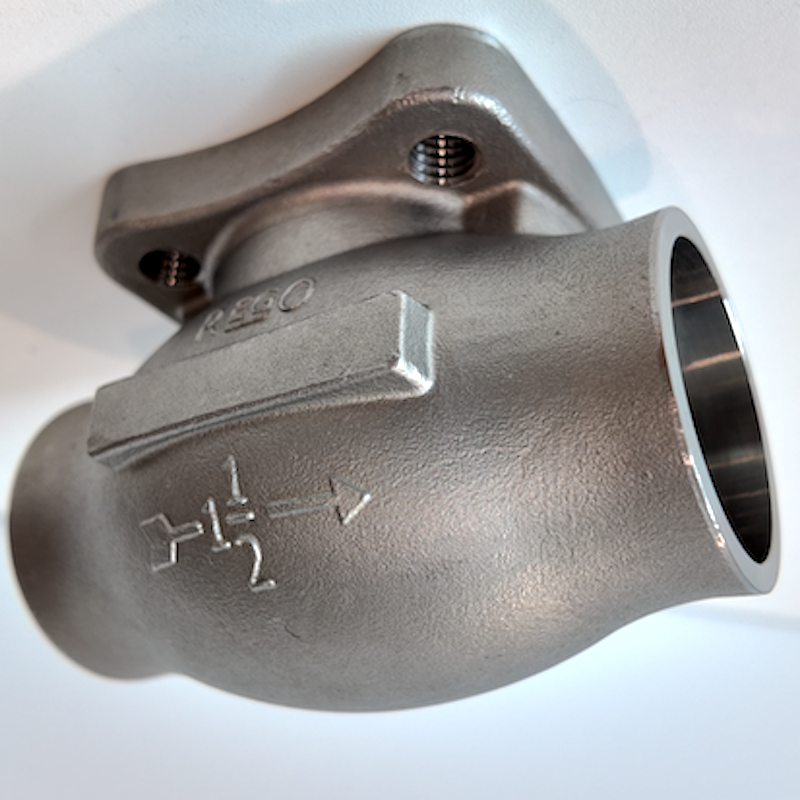
Pabrik pengecoran lilin suhu sedang membedakan dirinya melalui fleksibilitas luar biasa dalam pemilihan bahan dan jangkauan aplikasi, sehingga memberikan Anda fleksibilitas manufaktur yang mampu beradaptasi dengan berbagai persyaratan teknis dan spesifikasi industri. Fleksibilitas ini menjadikan pendekatan suhu sedang cocok untuk spektrum proyek yang sangat luas—mulai dari komponen perhiasan yang halus hingga suku cadang mesin industri yang kokoh—semuanya diproduksi di fasilitas yang sama dengan proses yang disempurnakan dan disesuaikan khusus untuk setiap bahan serta aplikasi. Jenis logam dan paduan yang kompatibel dengan pengecoran lilin suhu sedang mencakup paduan aluminium, perunggu, kuningan, berbagai kelas baja tahan karat, baja karbon, serta paduan khusus yang dirancang untuk karakteristik kinerja tertentu. Setiap bahan memberikan sifat unik pada komponen jadi Anda, baik Anda mengutamakan ketahanan korosi untuk aplikasi kelautan, rasio kekuatan-terhadap-berat tinggi untuk komponen dirgantara, biokompatibilitas untuk perangkat medis, maupun kualitas estetika untuk elemen arsitektural. Bekerja sama dengan pabrik pengecoran lilin suhu sedang memberi Anda akses ke keahlian metalurgi yang membantu memilih bahan optimal untuk aplikasi spesifik Anda, dengan mempertimbangkan faktor-faktor seperti lingkungan operasional, beban mekanis, paparan suhu, dan batasan anggaran. Proses ini mampu menangani baik logam ferrous maupun non-ferrous, sehingga menyediakan pilihan di seluruh spektrum sifat mekanis dan tingkat biaya. Untuk proyek yang memerlukan bahan eksotis dengan sifat khusus, pabrik pengecoran lilin suhu sedang sering kali mampu memenuhi kebutuhan tersebut, dengan bekerja menggunakan bahan-bahan yang sulit atau mahal diproses melalui metode konvensional. Jangkauan aplikasi meluas ke berbagai industri, menunjukkan fleksibilitas luar biasa dari pendekatan manufaktur ini. Di sektor dirgantara, pengecoran lilin suhu sedang menghasilkan bilah turbin, braket struktural, dan fitting kompleks di mana penghematan berat dan presisi menjadi prioritas utama. Aplikasi otomotif mencakup komponen turbocharger, suku cadang transmisi, serta elemen mesin khusus yang memanfaatkan geometri kompleks yang dapat dicapai melalui pengecoran. Produsen perangkat medis mengandalkan pabrik pengecoran lilin suhu sedang untuk instrumen bedah, implan ortopedi, dan prostesis gigi—di mana biokompatibilitas dan dimensi presisi sangat kritis. Mesin industri memperoleh manfaat dari rumah pompa cor, badan katup, dan fitting khusus yang harus tahan terhadap kondisi operasional yang menuntut. Sektor seni dan arsitektur memanfaatkan kapabilitas ini untuk patung, perlengkapan dekoratif, dan fitting khusus yang menggabungkan daya tarik estetika dengan integritas struktural. Bahkan industri senjata api bergantung pada pengecoran lilin suhu sedang untuk receiver, pelatuk, dan komponen lainnya yang memerlukan toleransi ketat serta kinerja andal. Kemampuan pabrik pengecoran lilin suhu sedang dalam melayani beragam aplikasi semacam itu dalam satu fasilitas menciptakan ekonomi skala dan akumulasi keahlian yang menguntungkan setiap pelanggan, karena peningkatan proses dan sistem mutu yang dikembangkan untuk aplikasi dirgantara yang menuntut juga meningkatkan standar di seluruh pekerjaan produksi.

 EN
EN