
 EN
EN
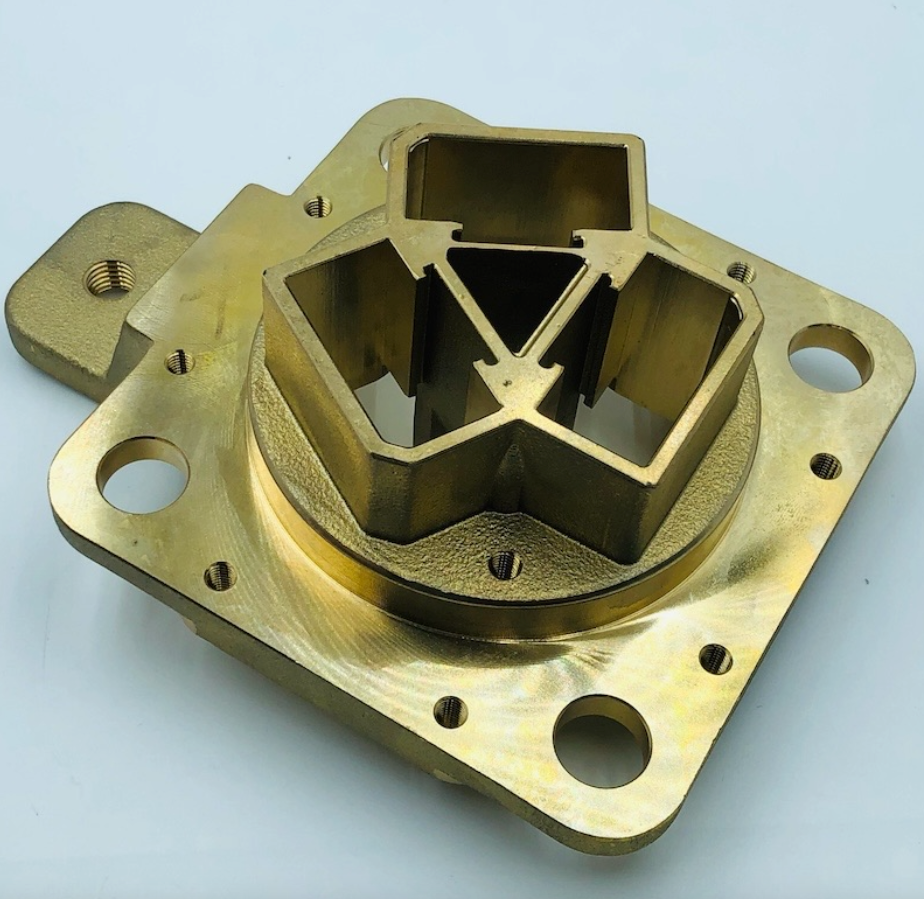
In demanding industrial applications, standard components often fail due to severe surface abrasion, high dynamic stress, or thermal fatigue. Alloy steel precision casting parts bridge the gap between high load-bearing performance and extended service life.
By combining targeted metallurgical formulas with tight-tolerance investment casting, manufacturers can significantly reduce machinery downtime and overall operating costs.
1. Metallurgical Excellence: Engineered for Toughness & Hardness
Plain carbon steel lacks the required mechanical limits for heavy-duty roles. By incorporating precise alloying elements and executing tailored heat treatment schedules (Quenching & Tempering, Case Hardening), alloy steel achieves a hard exterior phase (Martensite) over a ductile, shock-absorbing core.
Key Alloying Elements & Functions
Element |
Primary Function |
Practical Benefit |
Chromium (Cr) |
Increases hardness & corrosion resistance |
Shields surfaces against abrasive wear |
Molybdenum (Mo) |
Enhances hardenability & thermal stability |
Prevents thermal softening under high loads |
Nickel (Ni) |
Boosts impact toughness |
Prevents brittle fracture during dynamic impacts |
Vanadium (V) |
Refines grain structure & forms hard carbides |
Raises fatigue limits and micro-abrasion resistance |
Common Alloy Grades We Process: 4140, 1018, 1020, Q235A, Q235B and custom alloy formulations tailored to client specifications.
2. Precision Investment Casting: Dimensional Accuracy & Less Machining
Dimensional precision is critical for structural strength. Misaligned components experience uneven load distribution and concentrated stress, leading to early contact fatigue.
Near-Net Shape Capability: Investment casting delivers complex geometries with minimal machining allowances, cutting material waste and lead times.
Superior As-Cast Surface (Ra 3.2 – Ra 6.3): Smoother surface finishes reduce friction, delaying surface pitting and micro-cracking.
Tight Tolerances (CT5 – CT6): Ensures seamless assembly alignment and uniform force distribution in power transmission systems.
Near-net shape investment casting provides complex geometry and smooth surface finishes (Ra 3.2), reducing secondary machining costs.
3. Industry Applications
Alloy steel precision castings are the benchmark solution across critical industries:
Automotive & Powertrain: Crankshafts, connecting rods, shift forks, and transmission gears that handle peak torques.
Heavy Machinery & Mining: Excavator bucket teeth, crusher jaws, chain links, and wear plates exposed to aggressive slurry and particle abrasion.
Pumps & Valves: High-pressure pump bodies and impellers requiring balanced erosion-corrosion resistance.
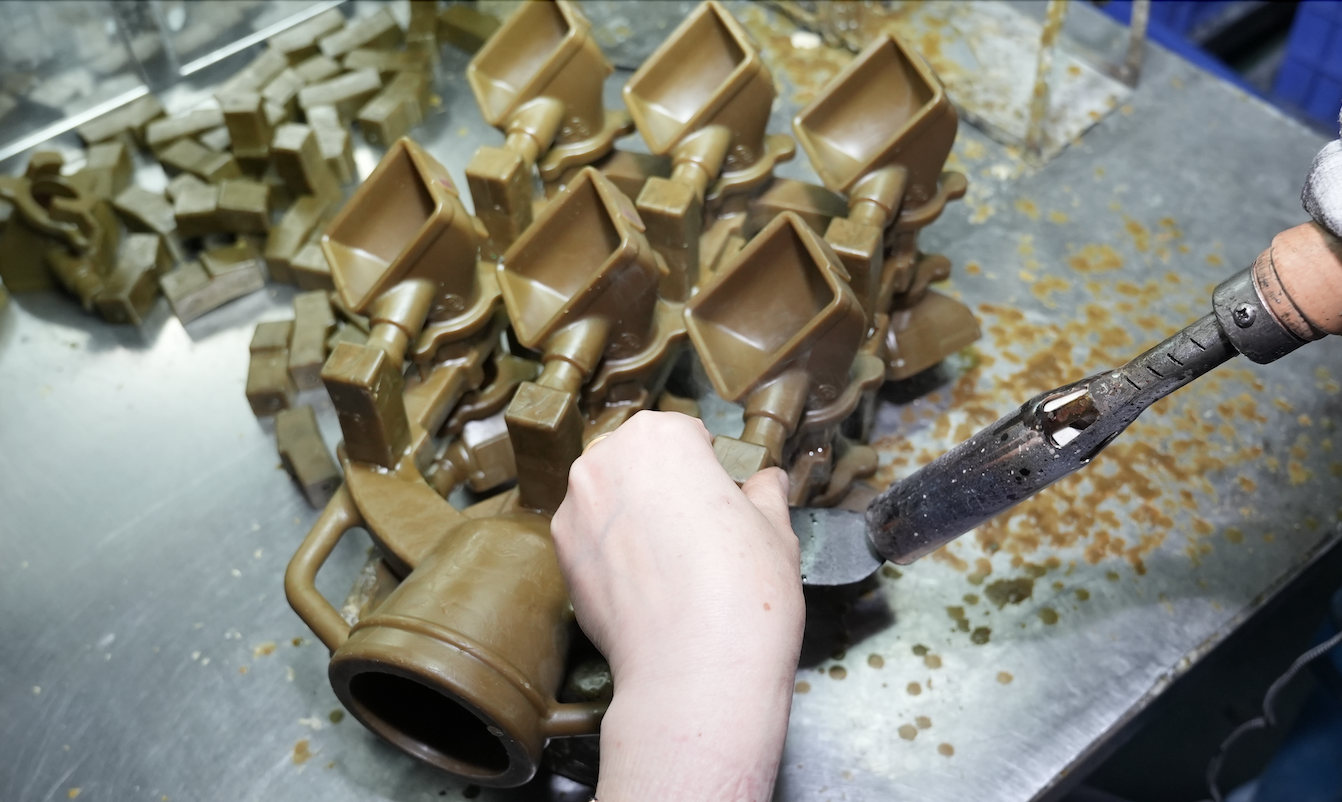
Custom cast alloy steel components serving automotive powertrains, mining machinery, and industrial pump systems.

4. Quality Assurance & Factory Capabilities
To guarantee zero-defect performance in safety-critical applications, every batch undergoes strict metallurgical and dimensional validation:
Chemical Analysis: Optical Emission Spectrometry (OES) before pouring.
Non-Destructive Testing (NDT): Radiographic (RT), Ultrasonic (UT), and Magnetic Particle Inspection (MPI) to identify internal voids or micro-cracks.
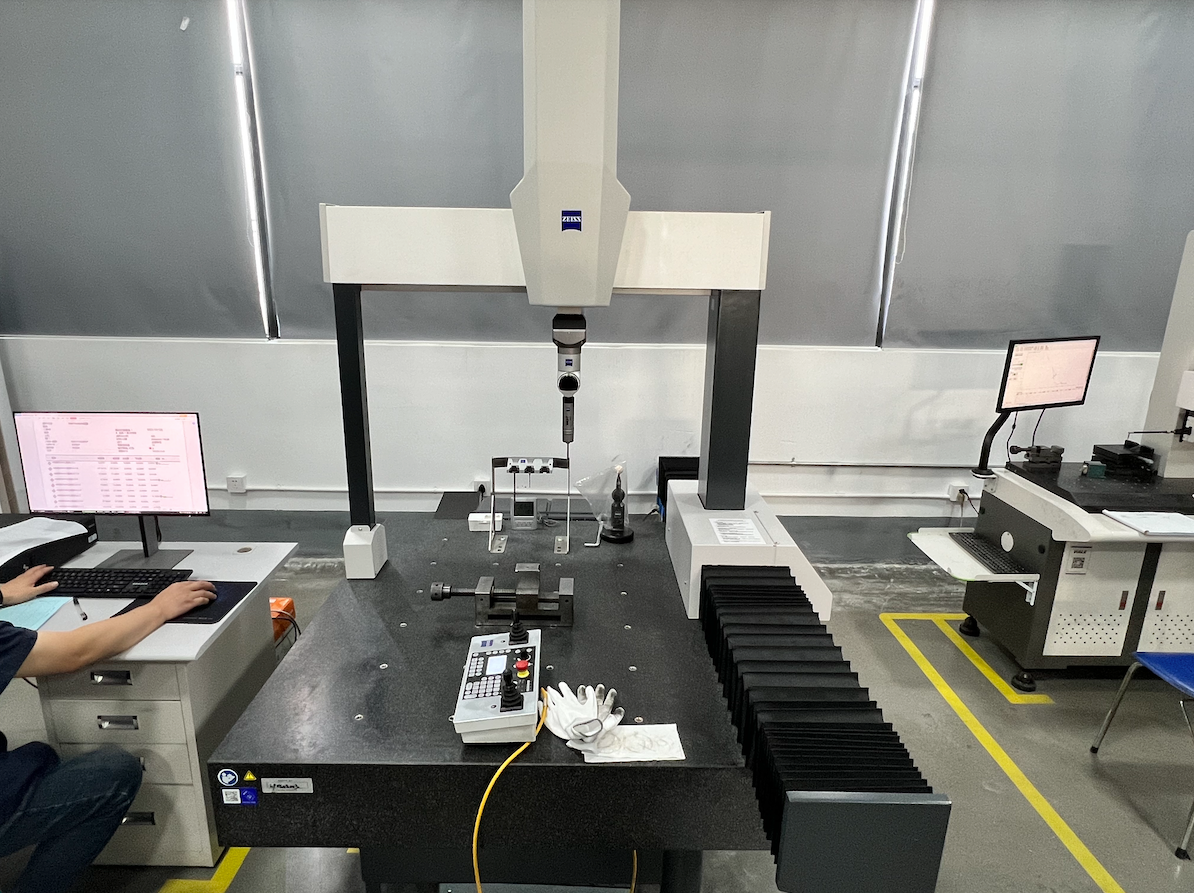
Property Verification: Coordinate Measuring Machines (CMM) for geometric accuracy, combined with Rockwell/Brinell hardness and Charpy impact testing.
100% Quality Inspection: Precision CMM dimensional checking and metallurgical analysis ensure full compliance with international standards.
FAQ & Engineering Consultation
Q: Can alloy steel castings replace forged components?
A: Yes. For complex shapes, heat-treated alloy steel investment castings offer comparable mechanical properties at a significantly lower manufacturing cost.
Q: What information is required for a quotation?
A: Simply provide your 3D CAD files (STEP/IGES), 2D drawings with tolerances, material specifications, and annual volume requirements.
Ready to Optimize Your Components?
Send your 3D drawings to our engineering team today for a free manufacturability assessment (DFM) and quotation within 24 hours.
[ Contact Our Engineers / Upload Drawings ] (CTA Button)