
 EN
EN
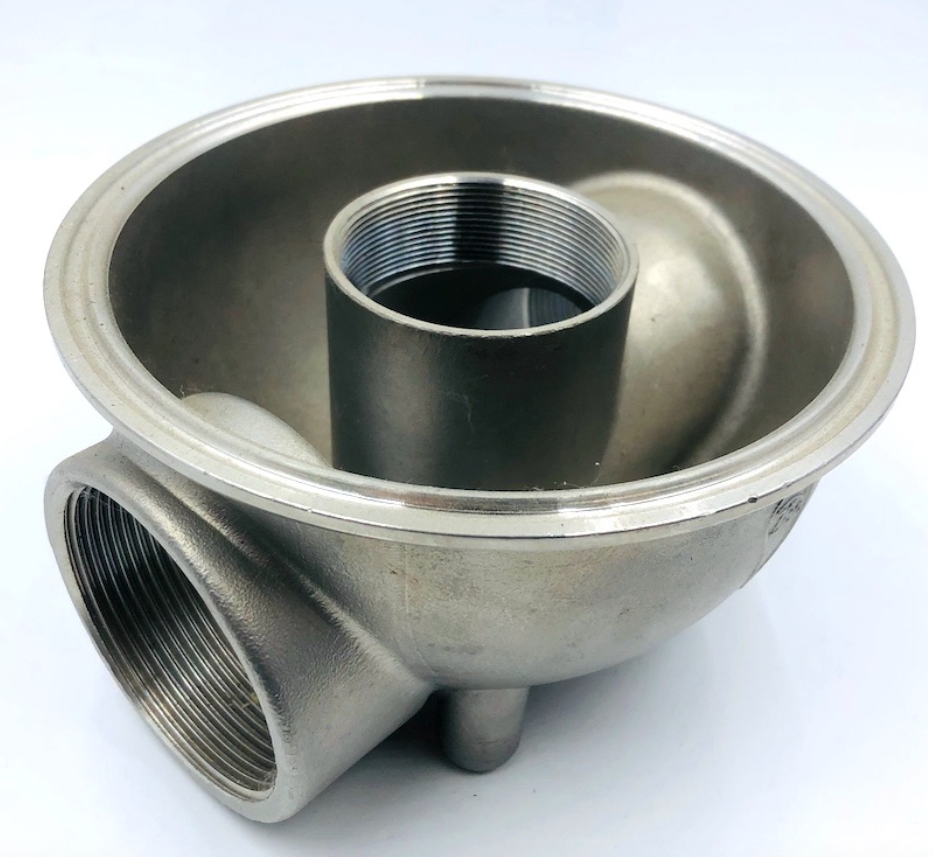
In high-precision industries like aerospace, medical, and liquid handling, choosing between casting and machining is often a false dichotomy. Neither process alone offers the ideal balance of geometric complexity, surface finish, and cost efficiency.
Investment casting with CNC machining combines the geometric freedom of lost-wax casting with the tight tolerances (±0.01mm) of modern CNC finishing. This hybrid approach optimizes material utilization while guaranteeing precise surface interfaces.
1. The Bottlenecks of Single-Process Manufacturing
Why rely on an integrated workflow? Pure casting or pure machining alone presents severe engineering limitations:
Pure Investment Casting Shortfalls: While casting easily handles organic shapes and thin walls, natural metal shrinkage limits as-cast tolerances to ±0.1 mm – ±0.5 mm. Critical sealing faces, bearing seats, and threaded holes require tighter accuracy.
Pure CNC Machining Shortfalls: Machining complex components from solid billet results in an unacceptably high buy-to-fly ratio (extreme material waste) and excessive tool wear, especially when working with tough alloys like Titanium or Nickel superalloys.
2. How the Integrated Casting + CNC Workflow Works
By establishing a near-net-shape casting first and finishing functional features with multi-axis CNC machining, manufacturers achieve micrometer-level precision at optimized unit costs.
Process Comparison & Synergy
Manufacturing Stage |
Primary Role |
Key Specifications Achieved |
Stage 1: Investment Casting |
Forms complex body, internal passages, and near-net geometry |
Complex contours, minimal material waste |
Stage 2: CNC Machining |
Refines critical bores, mating flanges, threads, and sealing faces |
Tolerances: ±0.005mm-±0.01 mm Surface: Ra 3.2um-Ra 6.3um |
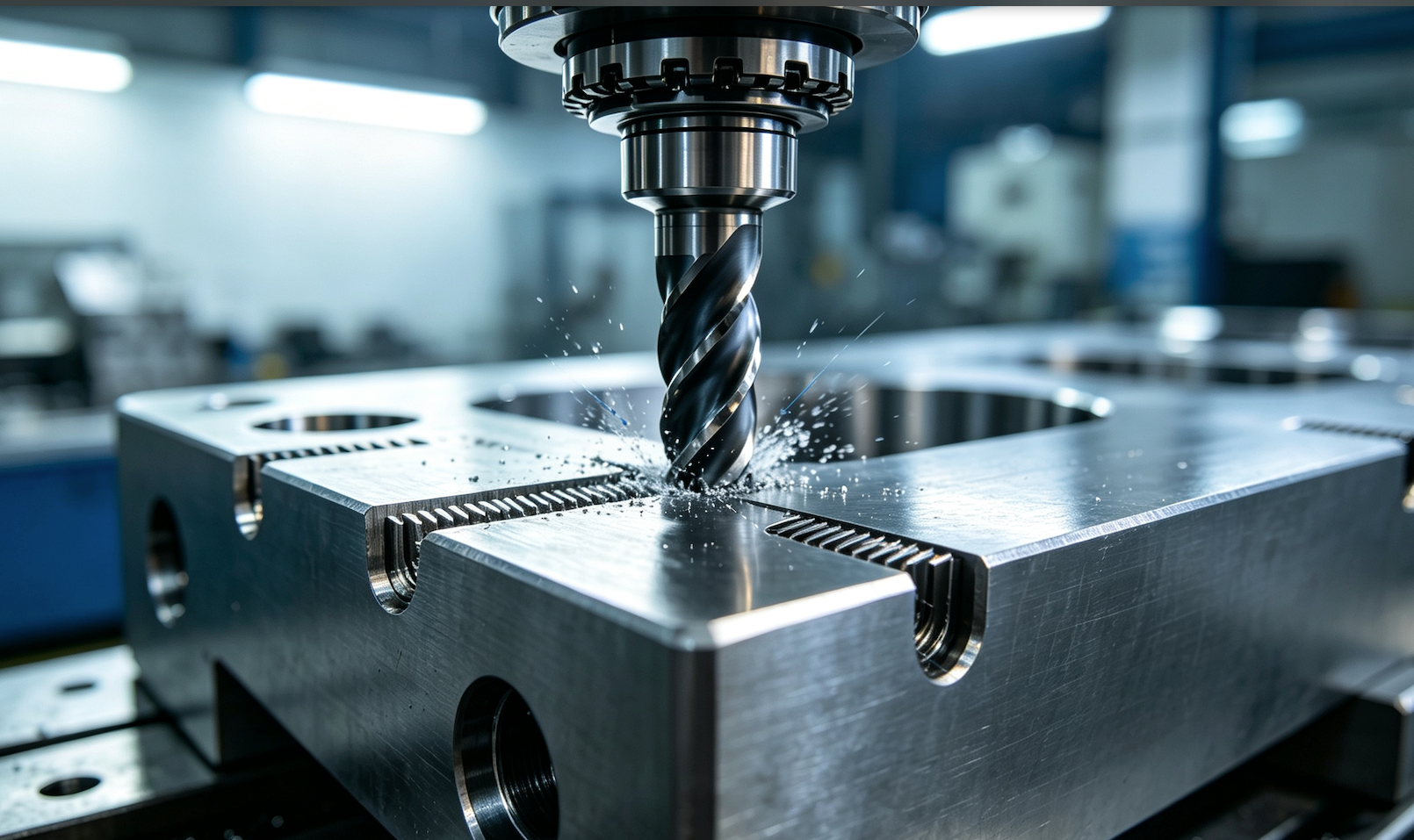
Multi-axis CNC machining refines critical mating surfaces and tight tolerances down to ±0.01 mm on raw castings.
3. Materials & Typical Applications
Our combined casting and CNC processing capabilities support a wide range of high-performance alloys, including Stainless Steel (316L, 17-4PH), Alloy Steel (4140, 8620), Cobalt-Chrome, Titanium, and Nickel Superalloys.
Key Application Areas:
Aerospace & Turbines: Turbine vanes, structural airframe brackets, and fuel nozzles featuring complex cooling passages.
Medical Devices: Orthopedic implants and surgical tool housing demanding biocompatibility and mirror-finish interfaces.
Industrial Pumps & Valves: High-pressure impellers, valve bodies, and pump housings requiring leak-proof sealing surfaces.
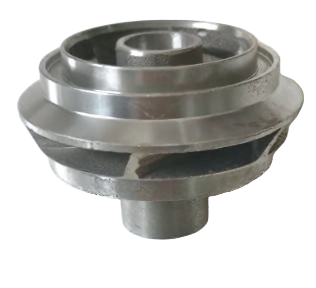
Precision cast and CNC machined stainless steel impellers and valve bodies for demanding fluid handling applications.
4. Quality Control & Precision Assurance
To ensure seamless alignment between as-cast datums and CNC toolpaths, we execute strict multi-stage quality checks:
Pre-Machining NDT: 100% Radiographic (X-ray) and Dye Penetrant testing to ensure zero internal shrinkage or voids before machining.
In-Process Probing: On-machine probing system verifies actual cast surface positions to adjust cutting offsets automatically.
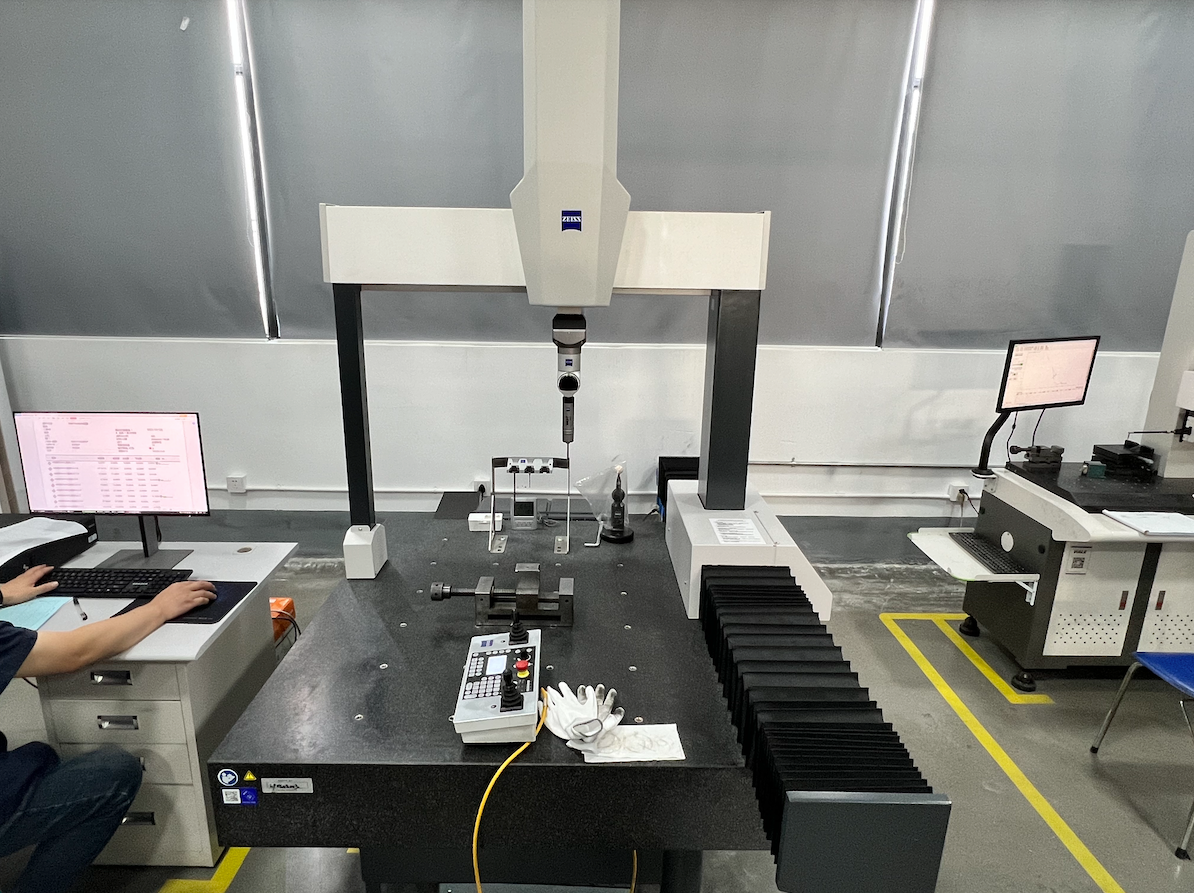
Final CMM Verification: Coordinate Measuring Machines validate all critical dimensions against your 3D CAD models.
FAQ & Engineering Consultation
Q: Why is investment casting + CNC machining cheaper than full machining?
A: Casting creates near-net shapes close to final dimensions, drastically reducing raw material costs, heavy roughing time, and tool wear.
Q: What design tolerance should I put on my 2D drawings?
A: Specify tight tolerances (±0.01mm) only on functional machined surfaces, and standard casting tolerances (±0.2mm) on non-functional cast surfaces to optimize costs.
Looking for a One-Stop Investment Casting & CNC Machining Partner?
Streamline your supply chain by getting casting, heat treatment, and precision CNC machining under one roof.
[ Request a Free DFM Assessment & Quote Within 24 Hours ] (CTA Button)