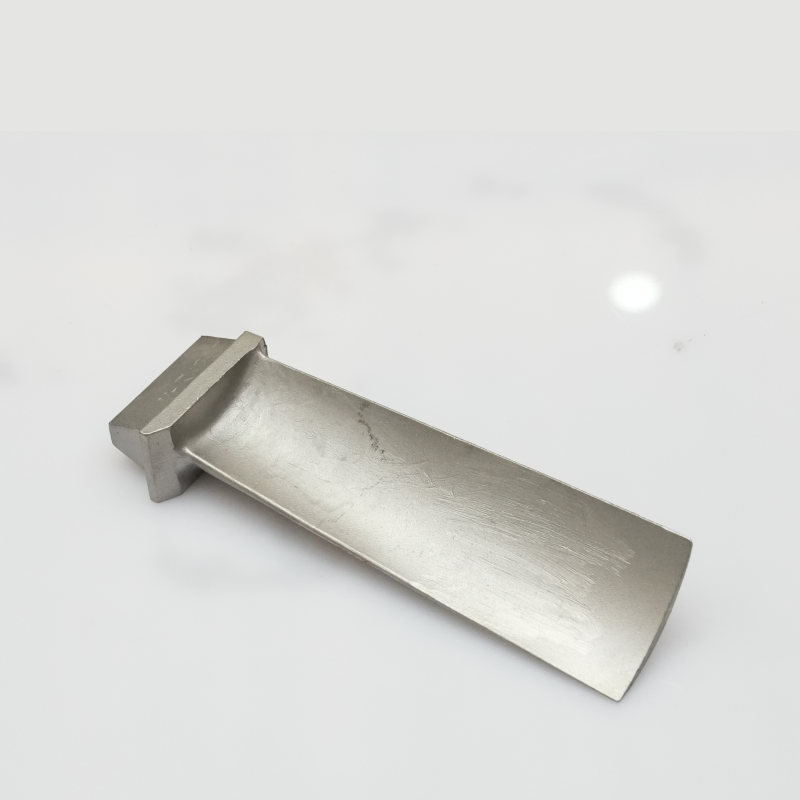
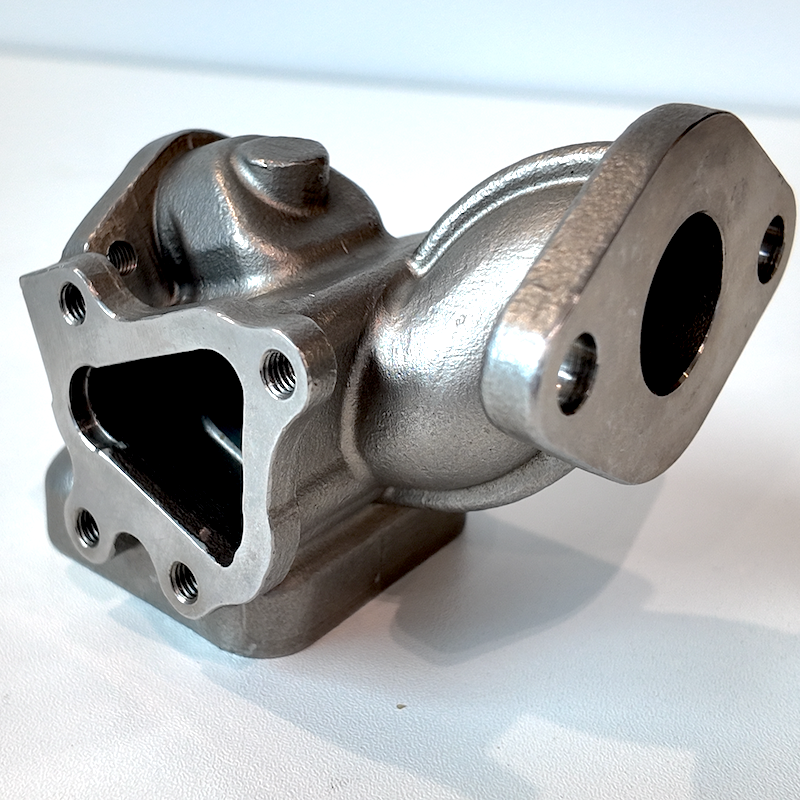
Industrial Pump Components: High-Performance Parts for Reliable Fluid Systems

Get a Free Quote

Our representative will contact you soon.
Email
Name
Company Name
Message
0/1000

industrial pump components

Industrial pump components represent the essential building blocks that enable fluid transfer systems to operate efficiently across manufacturing facilities, processing plants, and heavy-duty industrial environments. These critical elements include impellers, casings, seals, shafts, bearings, gaskets, and wear rings, each playing a vital role in maintaining optimal pump performance. The primary function of industrial pump components is to facilitate the reliable movement of liquids, slurries, chemicals, and other fluids through industrial processes while withstanding demanding operational conditions. Modern industrial pump components incorporate advanced engineering principles and high-grade materials to deliver superior durability and consistent performance. The impeller serves as the heart of the pumping action, converting rotational energy into fluid velocity and pressure. Casings contain the pumped media and direct flow patterns, while mechanical seals prevent leakage and protect against contamination. Shaft components transmit power from motors to impellers, and bearing assemblies support rotating elements while minimizing friction. Technological features of contemporary industrial pump components include precision machining, corrosion-resistant coatings, and optimized hydraulic designs that maximize efficiency. These components are engineered to handle various viscosities, temperatures, and chemical compositions, making them suitable for diverse industrial applications. In chemical processing plants, industrial pump components must resist aggressive substances and maintain integrity under extreme conditions. Food and beverage industries require components that meet sanitary standards and prevent contamination. Water treatment facilities depend on these components for reliable operation in municipal systems. Mining operations utilize heavy-duty industrial pump components designed to handle abrasive slurries. Pharmaceutical manufacturing demands precision-engineered components that ensure product purity. The oil and gas sector relies on robust industrial pump components capable of managing high pressures and hazardous materials. Power generation plants use these components in cooling systems and fuel handling. Manufacturing industries across all sectors depend on industrial pump components to maintain production continuity and operational efficiency.

New Product Releases

Investing in quality industrial pump components delivers substantial practical benefits that directly impact your operational efficiency and bottom line. First and foremost, premium industrial pump components significantly reduce maintenance requirements and downtime. When you choose well-engineered components, your equipment runs longer between service intervals, allowing your team to focus on production rather than repairs. This translates to fewer unexpected shutdowns and more consistent output from your facilities. The superior materials used in modern industrial pump components provide exceptional resistance to wear and corrosion, extending the service life of your entire pumping system. You will replace parts less frequently, reducing both material costs and labor expenses associated with component changes. Energy efficiency represents another compelling advantage of advanced industrial pump components. Optimized hydraulic designs minimize friction losses and turbulence, meaning your pumps consume less electricity to move the same volume of fluid. Over months and years of continuous operation, these energy savings accumulate into substantial reductions in utility bills. Your facility becomes more sustainable while improving profitability. The precision manufacturing of quality industrial pump components ensures consistent performance and predictable behavior. You can accurately calculate flow rates, pressures, and system behaviors, making process control more reliable and product quality more consistent. This predictability helps you meet production targets and maintain customer satisfaction. Compatibility and interchangeability offer practical advantages when you source standardized industrial pump components. You can maintain reasonable spare parts inventories without tying up excessive capital, knowing that replacement components will fit correctly and perform as expected. This flexibility speeds up repairs and reduces the technical expertise required for maintenance tasks. Safety improvements come naturally with properly designed industrial pump components. Reliable sealing systems prevent hazardous leaks that could endanger workers or damage the environment. Robust construction withstands pressure fluctuations and operational stresses that might cause failures in inferior components. Your workplace becomes safer, and you reduce liability risks. Modern industrial pump components also provide operational flexibility. Many components accommodate modifications or upgrades that let you adapt pumping systems to changing process requirements without complete equipment replacement. You can adjust capacities, handle different fluids, or modify operating parameters by changing specific components rather than entire pump assemblies. This adaptability protects your capital investment and supports business growth. The availability of technical support and documentation for established industrial pump components gives you confidence in maintenance and troubleshooting. You can train staff effectively, diagnose problems quickly, and implement solutions efficiently. This knowledge transfer capability ensures your operations remain resilient even as personnel changes occur over time.

Practical Tips

Basic Principles Of Design Of Precision Casting Gating System

11

May

Basic Principles Of Design Of Precision Casting Gating System

View More
Stainless Steel Castings for Architectural Posts

11

May

Stainless Steel Castings for Architectural Posts

View More
Stainless Steel Castings for Building Facade Systems

11

May

Stainless Steel Castings for Building Facade Systems

View More
Precision Stainless Steel Exhaust Manifold Casting Solution For Luxury Sedan - With Japanese First-Tier Car Brand

11

May

Precision Stainless Steel Exhaust Manifold Casting Solution For Luxury Sedan - With Japanese First-Tier Car Brand

View More

Get a Free Quote

Our representative will contact you soon.
Email
Name
Company Name
Message
0/1000

industrial pump components

Extended Operational Lifespan Through Advanced Material Engineering

Extended Operational Lifespan Through Advanced Material Engineering

The extended operational lifespan achieved through advanced material engineering stands as one of the most valuable characteristics of modern industrial pump components. Manufacturers now utilize specialized alloys, ceramics, and composite materials specifically formulated to withstand the punishing conditions found in industrial environments. Stainless steel variants with enhanced chromium and molybdenum content provide superior corrosion resistance when handling acidic or caustic fluids. Ceramic coatings applied to impeller surfaces create incredibly hard barriers that resist abrasive wear from particulate-laden slurries. These material innovations directly address the primary failure modes that historically plagued industrial pumping systems. When industrial pump components resist corrosion, they maintain dimensional accuracy and surface finish throughout their service life. This consistency preserves hydraulic efficiency and prevents the gradual performance degradation that occurs as components erode. Your pumps continue delivering rated flow and pressure year after year, rather than slowly losing capacity. The financial implications prove substantial when you calculate replacement costs, installation labor, and production losses avoided by extending component life. Advanced bearing materials incorporating synthetic lubricants and specialized races dramatically reduce friction and heat generation. These industrial pump components operate cooler and smoother, minimizing thermal stress on adjacent parts and reducing the likelihood of catastrophic failures. Lower operating temperatures also permit higher rotational speeds when needed, expanding the performance envelope of existing equipment. Seal technology represents another area where material engineering delivers exceptional longevity. Modern mechanical seals employ silicon carbide faces, carbon-graphite elements, and fluoroelastomer O-rings engineered to maintain sealing integrity through millions of rotational cycles. These industrial pump components prevent fluid loss and contamination ingress that would otherwise compromise process purity and create environmental compliance issues. The self-lubricating properties of advanced seal materials reduce friction-induced wear, while their chemical inertness ensures compatibility with aggressive media. Manufacturing precision complements material selection in creating long-lasting industrial pump components. Computer-controlled machining achieves tolerances measured in microns, ensuring perfect balance and alignment. This precision minimizes vibration, which otherwise accelerates fatigue failures in shafts, bearings, and fasteners. When components run smoothly without excessive oscillation, stress concentrations never develop, and metallurgical integrity remains intact. The combination of superior materials and precision manufacturing creates industrial pump components that routinely achieve service lives double or triple those of conventional alternatives, delivering measurable return on investment through reduced total cost of ownership.
Optimized Hydraulic Performance for Maximum Energy Efficiency

Optimized Hydraulic Performance for Maximum Energy Efficiency

Optimized hydraulic performance delivering maximum energy efficiency represents a transformative advantage of contemporary industrial pump components that directly reduces operating costs while supporting environmental sustainability goals. Engineering teams now employ computational fluid dynamics simulation to refine every curve and surface within pump hydraulics, eliminating turbulence and recirculation that waste energy. These digital design tools analyze flow patterns through impeller passages, volute chambers, and discharge configurations with extraordinary detail, identifying opportunities to smooth transitions and optimize velocity profiles. The resulting industrial pump components channel fluid with minimal resistance, converting more input power into useful hydraulic work rather than dissipating energy as heat and noise. Impeller designs feature scientifically determined blade angles, wrap angles, and exit geometries that match specific operating conditions. When industrial pump components incorporate these optimized impellers, fluid particles follow ideal trajectories without separation or shock losses. The smooth acceleration of liquid through impeller channels and the controlled deceleration within the volute maintain momentum efficiency throughout the pumping process. This hydraulic refinement typically improves efficiency by five to fifteen percentage points compared to older designs, translating directly into reduced electrical consumption. For facilities operating pumps continuously or in high-duty cycles, these efficiency gains generate substantial energy cost savings that quickly offset any premium paid for advanced industrial pump components. Surface finish quality on wetted components significantly influences hydraulic performance. Polished impeller surfaces and smooth casing interiors reduce skin friction that would otherwise slow fluid movement and waste energy. Premium industrial pump components receive finishing treatments that achieve surface roughness values measured in microinches, creating nearly frictionless interfaces between metal and fluid. This attention to surface quality proves especially important when pumping viscous liquids or operating at high velocities where friction losses multiply. The dimensional stability of precision-manufactured industrial pump components maintains optimal clearances between rotating and stationary elements throughout the operational life. Controlled gaps between impeller shrouds and casing walls minimize recirculation losses without risking contact and damage. These tight tolerances prevent high-pressure fluid from leaking backward through clearance spaces, which would reduce effective flow and waste pumping energy. When industrial pump components maintain factory specifications through thousands of operating hours, efficiency remains consistently high rather than degrading over time. Hydraulic optimization extends to ancillary components including wear rings, diffusers, and return channels in multistage configurations. Each element receives engineering attention to minimize losses and preserve energy throughout the pressure-building process. Modern industrial pump components work synergistically as complete hydraulic systems rather than collections of individual parts, achieving overall efficiencies that approach theoretical limits. Facilities implementing these optimized industrial pump components typically observe power consumption reductions of twenty to forty percent compared to legacy equipment, delivering rapid payback periods and ongoing operational savings that enhance competitiveness in cost-sensitive markets.
Comprehensive Compatibility Enabling Flexible System Integration

Comprehensive Compatibility Enabling Flexible System Integration

Comprehensive compatibility enabling flexible system integration distinguishes quality industrial pump components as strategic assets that adapt to evolving operational requirements and simplify maintenance logistics. Standardized dimensions, connection interfaces, and mounting configurations ensure that replacement industrial pump components fit existing equipment without requiring custom modifications or extensive rework. This interchangeability proves invaluable when unexpected failures demand rapid component replacement to restore production. Maintenance teams can install spare industrial pump components with confidence, knowing that bolt patterns align, shaft dimensions match, and performance characteristics replicate original specifications. The time savings achieved through direct replacement rather than adaptation fabrication minimizes production interruptions and preserves revenue streams. Beyond emergency repairs, compatibility facilitates planned upgrades that enhance system capabilities without wholesale equipment replacement. You might install a more efficient impeller design within your existing pump casing, immediately improving energy consumption without the capital expense and installation complexity of a complete new pump. Similarly, upgrading to advanced seal designs or bearing assemblies enhances reliability using current infrastructure. This modular approach to performance improvement lets you incrementally advance your pumping systems as better industrial pump components become available or as your process requirements evolve. The financial flexibility proves particularly valuable for facilities managing multiple budget cycles or seeking to distribute capital expenditures over time. Cross-compatibility among industrial pump components from established manufacturers provides procurement advantages and supply chain resilience. When multiple vendors offer components meeting common industry standards, you avoid sole-source dependencies that create vulnerability to supply disruptions or unfavorable pricing. Competitive sourcing options let you negotiate better terms while maintaining quality standards, reducing total cost of ownership across your pumping infrastructure. The ability to qualify alternate suppliers for critical industrial pump components also supports risk management strategies, ensuring continuity even if primary vendors experience production issues or market exits. Documentation standards accompanying compatible industrial pump components simplify training and knowledge management. Technicians familiar with standard configurations can service equipment across your entire facility rather than requiring specialized expertise for each unique pump design. Maintenance procedures, troubleshooting guides, and parts lists follow consistent formats that accelerate skill development and reduce errors. This standardization proves especially valuable for organizations with distributed facilities or high workforce turnover, where knowledge transfer challenges otherwise impede operational effectiveness. Installation flexibility represents another dimension of compatibility benefits. Universal mounting footprints and connection standards let you reposition pumps or reconfigure piping systems without replacing industrial pump components. As production layouts evolve or process flows change, your existing components adapt to new arrangements, protecting previous investments and reducing reconfiguration costs. This adaptability supports lean manufacturing initiatives and continuous improvement programs that regularly optimize facility layouts and workflows. The long-term availability of compatible industrial pump components ensures sustainable operations extending decades into the future. Established component designs remain in production and support far longer than complete specialized pump assemblies, protecting against obsolescence risks. You can confidently specify industrial pump components knowing that replacement parts will remain obtainable throughout your equipment's economic life, avoiding forced premature replacements due to support discontinuation.

Get a Free Quote

Our representative will contact you soon.
Email
Name
Company Name
Message
0/1000