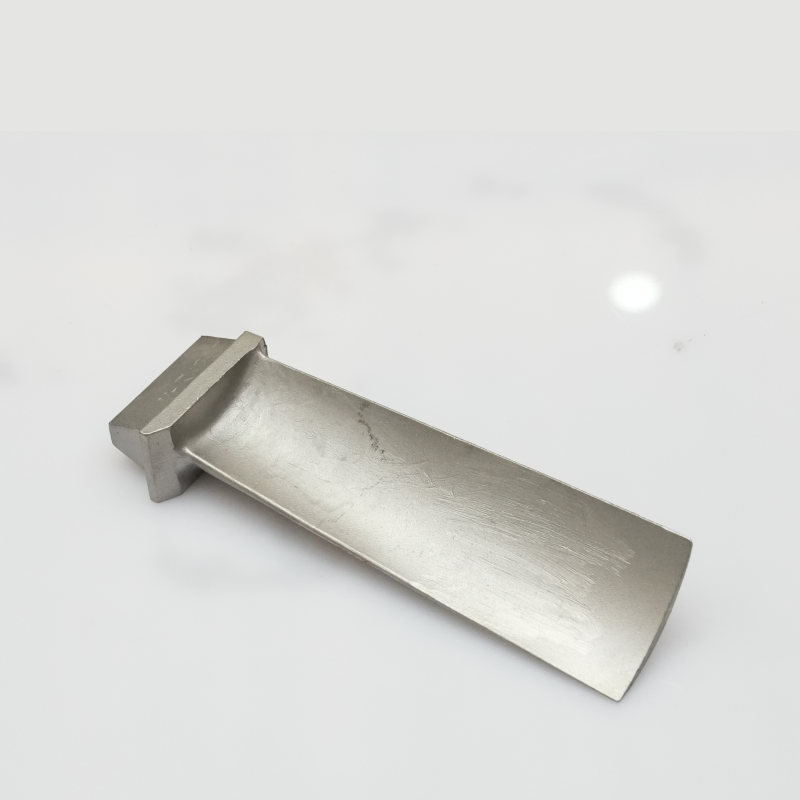
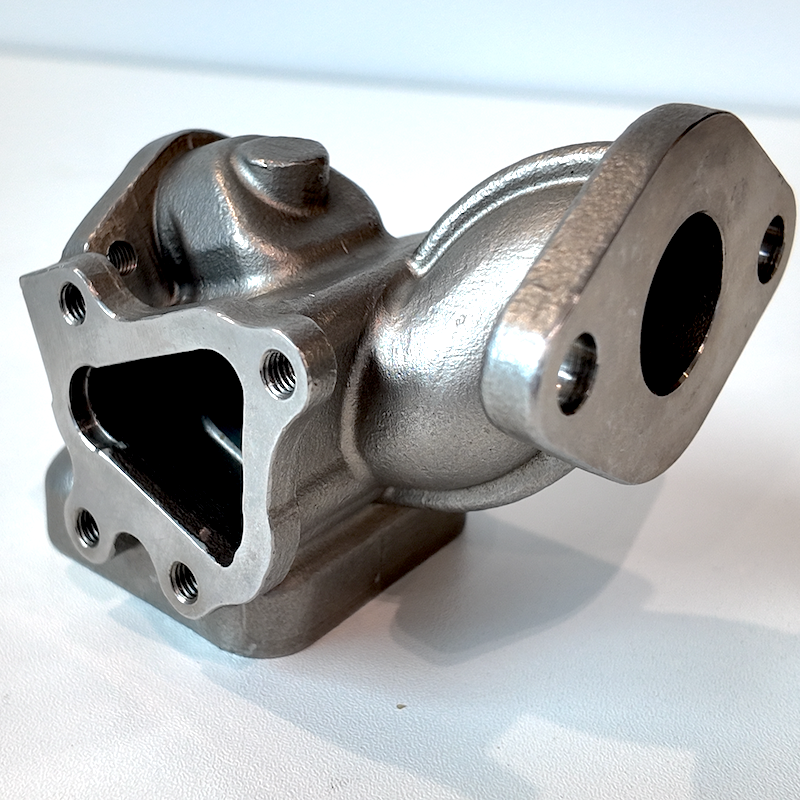
Industrial Pump Components: High-Performance Parts for Reliable Fluid Handling Systems

Get a Free Quote

Our representative will contact you soon.
Email
Name
Mobile
Company Name
Message
0/1000

industrial pump components

Industrial pump components represent the fundamental building blocks that enable pumping systems to function efficiently across manufacturing facilities, processing plants, and heavy-duty operations worldwide. These essential parts work together to create reliable fluid transfer solutions that keep production lines moving and operations running smoothly. The main functions of industrial pump components include fluid displacement, pressure generation, flow control, and mechanical energy conversion. Each component serves a specific purpose within the pump assembly, from the impeller that imparts kinetic energy to the fluid, to the casing that directs flow patterns, and the seals that prevent leakage. The shaft transmits power from the motor to the impeller, while bearings support rotating elements and reduce friction. Wear rings maintain efficiency by controlling internal clearances, and gaskets ensure leak-free connections between stationary parts. Technological features of modern industrial pump components include precision engineering tolerances, advanced material selection for corrosion resistance, and optimized designs for maximum hydraulic efficiency. Many components now incorporate wear-resistant coatings, balanced construction to minimize vibration, and modular designs that simplify maintenance procedures. Applications for industrial pump components span numerous sectors including chemical processing, water treatment facilities, petroleum refineries, power generation stations, mining operations, food and beverage production, pharmaceutical manufacturing, and pulp and paper mills. These components handle diverse fluids ranging from clean water to abrasive slurries, corrosive chemicals, high-temperature liquids, and viscous materials. The versatility of industrial pump components allows engineers to configure systems for specific performance requirements, whether pumping at high pressures, managing large volumes, or dealing with challenging fluid characteristics. Quality components ensure extended service life, reduced downtime, lower maintenance costs, and consistent performance under demanding operating conditions that characterize modern industrial environments.

New Product Recommendations

Investing in quality industrial pump components delivers tangible benefits that directly impact your bottom line and operational efficiency. First, you gain superior durability that translates into longer equipment life and fewer replacement cycles. High-grade materials resist corrosion, erosion, and wear far better than standard alternatives, meaning your pumps keep working when you need them most. This durability reduces the frequency of shutdowns and the associated costs of production interruptions. Second, precision-engineered industrial pump components optimize energy consumption by minimizing internal losses and maximizing hydraulic efficiency. When components fit together with exact tolerances and feature streamlined flow paths, pumps require less power to achieve the same output. This efficiency advantage compounds over years of operation, delivering substantial savings on electricity bills while reducing your facility's environmental footprint. Third, modular component designs simplify maintenance tasks and reduce the time technicians spend on repairs. Standardized parts interchange easily, mechanics can replace worn elements without dismantling entire pump assemblies, and common components across multiple pump models reduce inventory requirements. This maintenance advantage keeps your operations flexible and responsive. Fourth, reliable sealing components prevent fluid leakage that would otherwise create safety hazards, waste valuable materials, and require cleanup efforts. Effective seals protect both your workers and your products while maintaining the integrity of your processes. Fifth, balanced rotating components minimize vibration and noise, creating safer and more comfortable working environments while reducing stress on mounting structures and connected piping systems. Sixth, the availability of components in various material grades allows you to match parts precisely to your fluid characteristics and operating conditions. Whether you handle aggressive chemicals, abrasive slurries, or high-temperature fluids, appropriate component materials ensure compatibility and longevity. Seventh, quality industrial pump components maintain consistent performance parameters over extended periods, giving you predictable results and stable process conditions. This consistency supports quality control efforts and reduces variability in your final products. Eighth, proven component designs backed by engineering data reduce risk when specifying replacement parts or upgrading existing systems. You benefit from accumulated knowledge and field-tested solutions rather than experimenting with unproven alternatives. Finally, investing in proper industrial pump components protects your capital equipment investment by ensuring that replacement parts meet original specifications and maintain warranty coverage where applicable.

Tips And Tricks

What Makes a Custom Lost Wax Casting Foundry Reliable for Precision Industrial Applications?

05

Jun

What Makes a Custom Lost Wax Casting Foundry Reliable for Precision Industrial Applications?

In precision industrial manufacturing, the reliability of a custom investment casting foundry is not a minor operational detail — it is a fundamental requirement that determines part integrity, production timelines, and ultimately, the safety o...
View More
Which Quality Standards Should a Custom Lost Wax Casting Foundry Meet for Export Markets?

05

Jun

Which Quality Standards Should a Custom Lost Wax Casting Foundry Meet for Export Markets?

Selecting a manufacturing partner for precision components intended for international buyers is never a straightforward decision. When the supply chain depends on a custom lost wax casting foundry, procurement engineers and quality managers must go b...
View More
What Should Global Buyers Expect from OEM ODM Precision Casting Services Suppliers?

05

Jun

What Should Global Buyers Expect from OEM ODM Precision Casting Services Suppliers?

For global buyers sourcing complex metal components, selecting a reliable partner for oem odm precision casting services is one of the most consequential procurement decisions in a production cycle. The stakes are high: dimensional inaccuracies, inco...
View More
Why Are Stainless Steel Investment Castings Preferred for Corrosion Resistant Applications?

26

Jun

Why Are Stainless Steel Investment Castings Preferred for Corrosion Resistant Applications?

In demanding industrial environments where moisture, chemicals, and extreme temperatures are constant threats, material selection is one of the most critical engineering decisions a manufacturer can make. Among the available manufacturing methods, st...
View More

Get a Free Quote

Our representative will contact you soon.
Email
Name
Mobile
Company Name
Message
0/1000

industrial pump components

Enhanced Operational Reliability Through Advanced Material Engineering

Enhanced Operational Reliability Through Advanced Material Engineering

The foundation of superior industrial pump components lies in advanced material engineering that addresses the diverse challenges of modern industrial environments. Component manufacturers select materials based on comprehensive analysis of chemical compatibility, temperature resistance, mechanical strength, and wear characteristics specific to intended applications. Stainless steel alloys provide excellent corrosion resistance for chemical processing applications, while specialized cast irons offer cost-effective solutions for less demanding services. Duplex stainless steels combine the benefits of austenitic and ferritic structures, delivering exceptional strength alongside superior corrosion resistance for offshore and marine applications. Ceramic components excel in abrasive service where traditional metals would wear rapidly, extending service intervals dramatically. Composite materials blend different properties to create components that resist both chemical attack and physical wear simultaneously. The material selection process for industrial pump components considers not only the primary fluid being pumped but also temperature extremes, pressure fluctuations, and potential contamination scenarios. Advanced surface treatments and coatings add another layer of protection, with options including thermal spray coatings, electroless nickel plating, and polymer linings that shield base materials from direct fluid contact. These engineering advances translate directly into operational reliability for end users. When components resist degradation, pumps maintain their performance curves over extended periods without the efficiency losses that accompany wear and corrosion. Maintenance teams schedule interventions based on planned intervals rather than responding to unexpected failures. Production managers count on consistent equipment availability that supports manufacturing schedules and delivery commitments. The financial implications extend beyond avoiding downtime costs to include reduced spare parts inventory, lower labor expenses for maintenance activities, and extended intervals between major overhauls. Furthermore, material compatibility ensures that pumped fluids remain uncontaminated by component degradation products, preserving product quality in pharmaceutical, food processing, and semiconductor manufacturing applications where purity requirements are stringent. The investment in properly specified industrial pump components pays dividends through reliable service that meets both immediate operational needs and long-term strategic objectives for facility efficiency and competitiveness.
Precision Manufacturing for Optimal Hydraulic Performance

Precision Manufacturing for Optimal Hydraulic Performance

Precision manufacturing techniques applied to industrial pump components create measurable performance advantages that distinguish professional-grade equipment from commodity alternatives. Modern production methods including CNC machining, precision casting, and automated quality inspection ensure that components meet exacting dimensional tolerances and surface finish specifications. The impeller represents perhaps the most critical component where precision matters, as its blade profiles, surface smoothness, and balance directly determine hydraulic efficiency and operational smoothness. Computer-aided design tools optimize impeller geometry to minimize turbulence, reduce recirculation losses, and maximize energy transfer from rotating element to fluid. Manufacturing precision ensures that these theoretical benefits translate into real-world performance. Tight tolerances between rotating and stationary components, particularly at wear ring locations, maintain volumetric efficiency by controlling internal recirculation paths that would otherwise allow fluid to bypass the intended flow path. Precision-ground shaft surfaces provide ideal conditions for mechanical seals and packing, reducing friction and extending seal life while preventing leakage. Balanced rotating assemblies produced through precision manufacturing minimize vibration that would otherwise accelerate bearing wear, create noise, and transmit damaging forces to pump casings and mounting structures. The benefits of precision-manufactured industrial pump components manifest across multiple dimensions of pump operation. Energy consumption decreases when hydraulic losses are minimized through optimized component geometry and controlled clearances. Performance curves remain stable over extended operating periods because precisely manufactured components wear uniformly and maintain critical dimensional relationships. Maintenance intervals extend when vibration levels stay within acceptable ranges and components function as designed rather than compensating for manufacturing variations. Operators appreciate quieter operation and smoother performance that indicate well-engineered systems. Facility managers value predictable performance that supports accurate process modeling and energy budgeting. Purchasing decisions increasingly favor suppliers who demonstrate manufacturing capabilities that deliver consistent quality across production runs, as reliability becomes more valuable than initial cost savings. The competitive landscape rewards companies that specify precision-manufactured industrial pump components, as these organizations achieve lower total cost of ownership through reduced energy consumption, extended service life, and minimized unplanned maintenance events that disrupt production schedules.
Comprehensive Compatibility Ensuring System Integration Success

Comprehensive Compatibility Ensuring System Integration Success

Comprehensive compatibility represents a crucial advantage of quality industrial pump components that extends beyond individual part specifications to encompass complete system integration. Component manufacturers recognize that pumps operate within complex systems that include motors, drives, piping networks, instrumentation, and control systems, requiring compatibility at multiple interface points. Dimensional compatibility ensures that replacement components fit existing assemblies without modification, maintaining original equipment manufacturer specifications for critical parameters like shaft extension dimensions, mounting footprints, and connection port locations. This dimensional standardization allows maintenance teams to source replacement parts confidently, knowing that new components will install correctly without custom fabrication or adaptation. Material compatibility addresses chemical and thermal aspects, ensuring that components in contact with process fluids resist degradation while components in contact with each other avoid galvanic corrosion or material incompatibilities that would accelerate wear. Performance compatibility matches component characteristics to system requirements, considering factors like flow capacity, pressure rating, temperature limits, and speed ranges appropriate for specific applications. Electrical compatibility ensures that motors, sensors, and monitoring equipment integrate seamlessly with plant control systems and power distribution infrastructure. Documentation compatibility provides technical information in formats that maintenance personnel and engineering teams can readily utilize, including dimensional drawings, material certifications, performance curves, and installation instructions. The value of comprehensive compatibility becomes apparent during equipment lifecycle events including initial installation, routine maintenance, emergency repairs, and system upgrades. Installation teams work efficiently when components arrive ready for direct installation without requiring field modifications or special procedures. Maintenance personnel replace worn components quickly during planned shutdowns, minimizing downtime and maintaining production schedules. Emergency response teams source compatible replacement parts from multiple suppliers when rapid response is critical, avoiding dependence on single sources with potentially long lead times. Engineering teams upgrade systems incrementally, replacing individual components while retaining serviceable elements and spreading capital investment over multiple budget cycles. Quality industrial pump components from established manufacturers incorporate design features that facilitate compatibility, including standardized dimensions conforming to industry specifications, material selections based on widely accepted application guidelines, and performance characteristics that align with recognized system design practices.

Get a Free Quote

Our representative will contact you soon.
Email
Name
Mobile
Company Name
Message
0/1000