centrifugal pump impeller parts
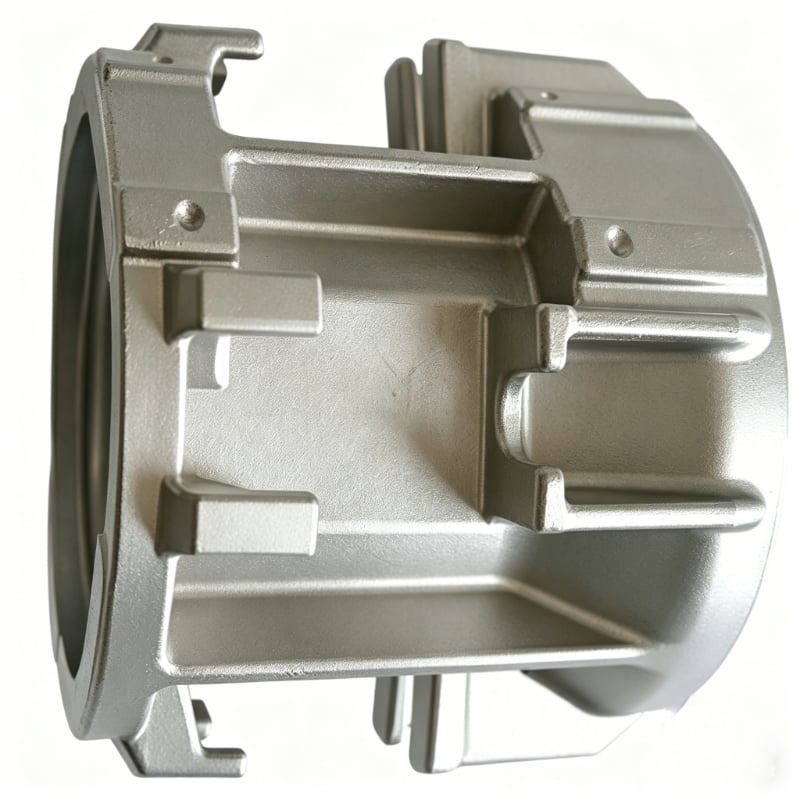
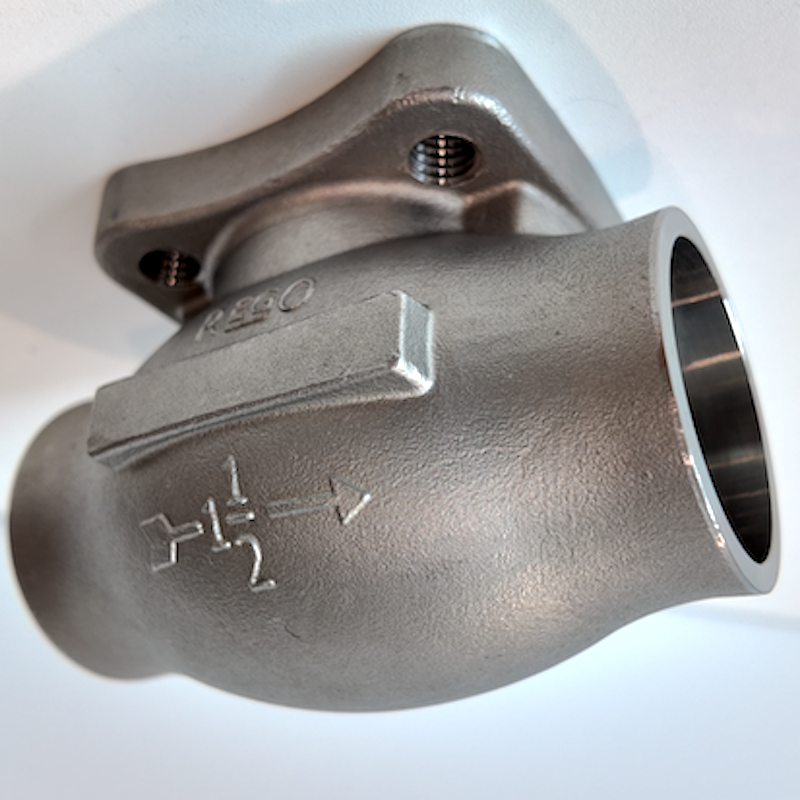
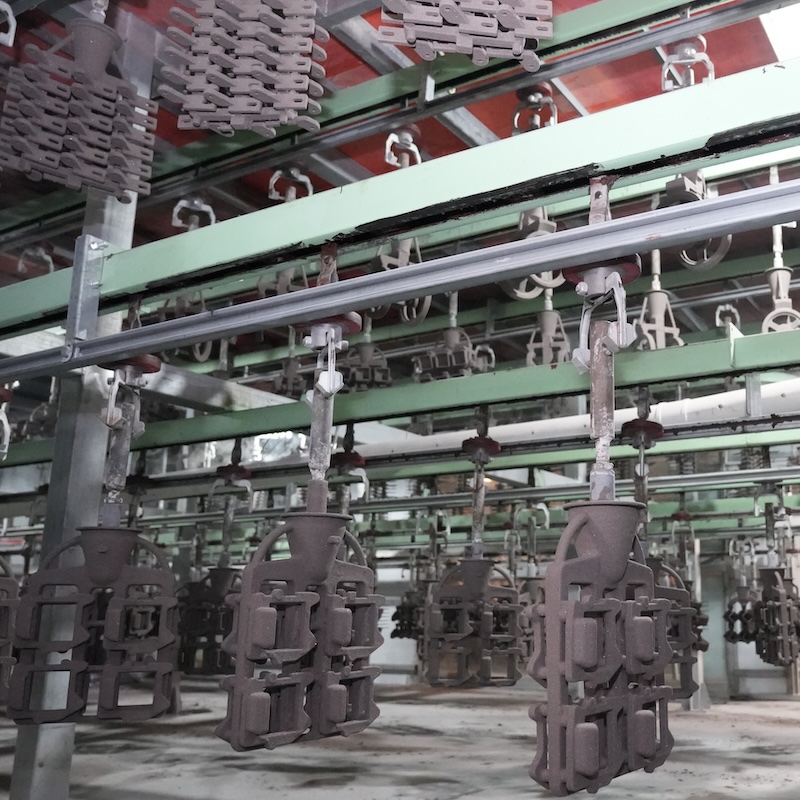
Centrifugal pump impeller parts represent the heart of any centrifugal pumping system, serving as the primary component responsible for energy transfer and fluid movement. These precision-engineered elements consist of a rotating disc with vanes that extend radially from the center, creating a dynamic mechanism that converts mechanical energy into hydraulic energy. The fundamental purpose of centrifugal pump impeller parts is to accelerate fluid from the pump's eye through centrifugal force, pushing it toward the discharge outlet with increased pressure and velocity. Modern centrifugal pump impeller parts are manufactured using advanced materials including stainless steel, bronze, cast iron, and specialized alloys, each selected based on the specific application requirements and fluid characteristics. The technological features of these components include carefully calculated vane angles, optimized flow channels, and balanced designs that minimize vibration while maximizing efficiency. The impeller hub connects directly to the pump shaft, ensuring synchronized rotation and reliable power transmission. Blade geometry plays a crucial role in performance, with options ranging from open, semi-open, to closed impeller configurations. Each design variant offers distinct advantages for different operational scenarios. Open impellers work well for handling fluids containing suspended solids, while closed impellers excel in high-efficiency applications with clean liquids. The applications of centrifugal pump impeller parts span numerous industries, including water treatment facilities, chemical processing plants, oil refineries, power generation stations, agricultural irrigation systems, and marine operations. Manufacturing processes involve precision casting, machining, and finishing operations that ensure dimensional accuracy and surface quality. The balancing procedure is critical for eliminating vibrations that could compromise system integrity. These components must withstand continuous operation under demanding conditions, including temperature fluctuations, corrosive environments, and variable flow rates, making material selection and design optimization essential factors in their development and deployment across diverse industrial sectors worldwide.

 EN
EN