Premium Pump Impeller Investment Castings - Precision Engineered for Superior Performance and Longevity

Get a Free Quote

Our representative will contact you soon.
Email
Name
Mobile
Company Name
Message
0/1000

pump impeller investment castings

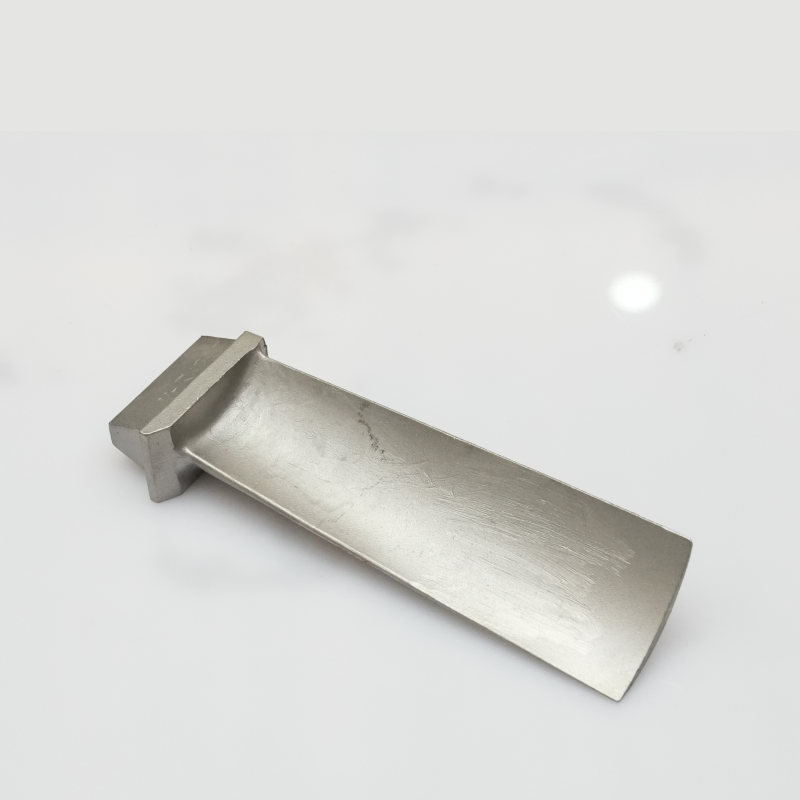
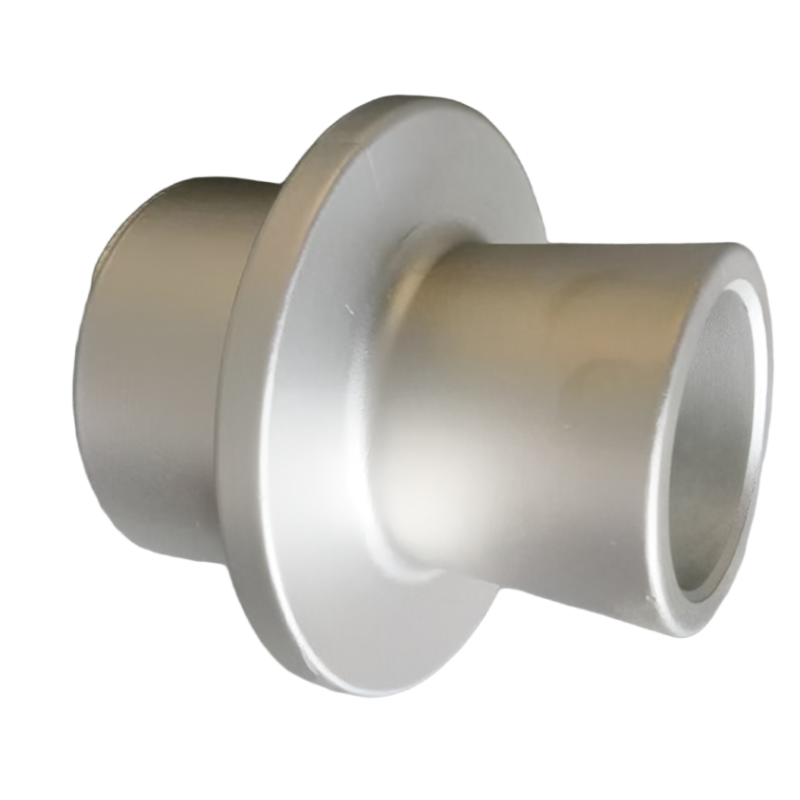
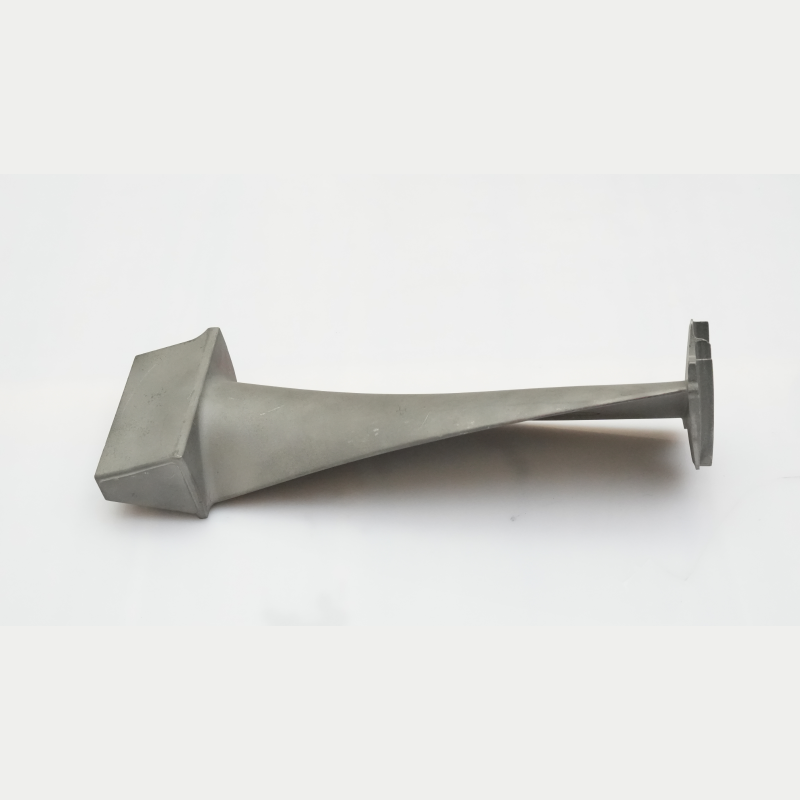
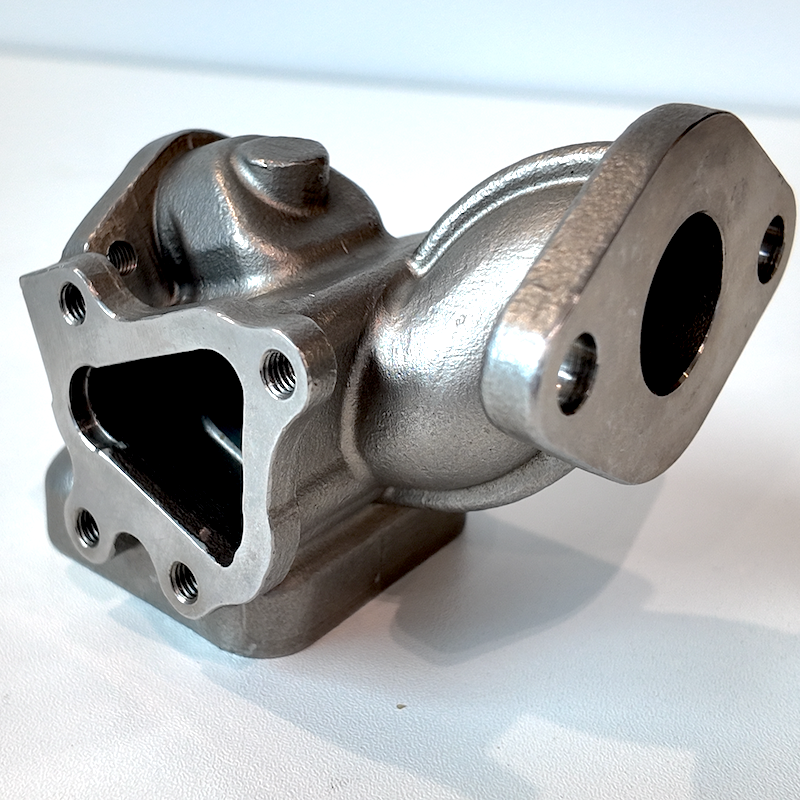
Pump impeller investment castings represent a sophisticated manufacturing solution for creating critical components used in fluid handling systems across numerous industrial sectors. These precision-engineered parts serve as the heart of centrifugal pumps, responsible for converting rotational energy from motors into kinetic energy that moves liquids through piping systems. The investment casting process, also known as lost-wax casting, enables manufacturers to produce pump impeller investment castings with intricate geometries, smooth surface finishes, and exceptional dimensional accuracy that would be difficult or impossible to achieve through conventional machining methods. The main function of these components centers on generating centrifugal force to propel fluids efficiently through pumping equipment. As the impeller rotates within the pump housing, its curved vanes or blades accelerate the liquid radially outward, creating pressure differentials that drive continuous fluid movement. The technological features inherent in pump impeller investment castings include their ability to accommodate complex vane configurations, varying blade angles, and specialized contours optimized for specific flow characteristics. This manufacturing technique allows for near-net-shape production, meaning the cast components require minimal post-processing while maintaining tight tolerances. The process begins with creating detailed wax patterns that replicate the final impeller design, which are then coated with ceramic shells. After the wax melts away, molten metal fills the cavity, forming components with excellent metallurgical properties. Applications for pump impeller investment castings span diverse industries including chemical processing, petroleum refining, water treatment facilities, power generation plants, marine propulsion systems, pharmaceutical manufacturing, food and beverage production, and agricultural irrigation. These castings accommodate various materials such as stainless steel alloys, bronze, brass, duplex steels, and specialized corrosion-resistant metals selected based on the specific operating environment and fluid characteristics. The versatility of pump impeller investment castings makes them indispensable for handling corrosive chemicals, abrasive slurries, high-temperature liquids, and sanitary applications requiring stringent hygiene standards.

Popular Products

Choosing pump impeller investment castings delivers substantial practical benefits that directly impact your operational efficiency and bottom line. First and foremost, these components offer exceptional durability that translates to longer service life and reduced replacement frequency. Unlike fabricated or welded alternatives, investment cast impellers feature uniform grain structures throughout the material, eliminating weak points that typically lead to premature failures. This metallurgical integrity means your pumping systems experience fewer unexpected breakdowns, minimizing costly production interruptions and emergency maintenance calls. The superior dimensional accuracy achieved through pump impeller investment castings ensures optimal hydraulic performance from the moment of installation. Precisely formed vane profiles and blade angles create efficient flow patterns that maximize pumping capacity while minimizing energy consumption. This efficiency advantage compounds over time, reducing electricity costs month after month throughout the component's operational lifespan. Many customers report energy savings ranging from eight to fifteen percent compared to less precisely manufactured alternatives. The smooth surface finish inherent in investment casting technology reduces friction losses and prevents cavitation damage that commonly plagues rougher cast surfaces. Another significant advantage involves design flexibility that allows customization without prohibitive tooling expenses. Engineers can optimize impeller geometry for specific applications, whether handling viscous fluids, operating at extreme temperatures, or meeting unique flow rate requirements. This customization capability means you receive components precisely tailored to your operational parameters rather than compromising with generic off-the-shelf products. The investment casting process accommodates thin wall sections and intricate internal passages that would be impossible to machine conventionally, opening possibilities for innovative designs that enhance performance. Material selection versatility represents another compelling advantage, as pump impeller investment castings can be produced from virtually any castable alloy. Whether your application demands stainless steel for corrosion resistance, bronze for seawater compatibility, or exotic alloys for extreme chemical environments, the investment casting method accommodates your specific metallurgical requirements. This material flexibility extends component lifespan in challenging environments where inferior materials would deteriorate rapidly. Cost-effectiveness emerges when examining total ownership expenses rather than just initial purchase price. While investment castings may carry slightly higher upfront costs than some alternatives, their extended service life, superior efficiency, and reduced maintenance requirements deliver substantial savings over the component's lifecycle. Additionally, the near-net-shape manufacturing process minimizes material waste and reduces the extensive machining required with forged or fabricated impellers. Quality consistency across production runs ensures predictable performance, simplifying inventory management and replacement planning. Every pump impeller investment casting meets stringent dimensional specifications, eliminating performance variations that complicate system balancing and optimization efforts.

Tips And Tricks

What Makes a Custom Lost Wax Casting Foundry Reliable for Precision Industrial Applications?

05

Jun

What Makes a Custom Lost Wax Casting Foundry Reliable for Precision Industrial Applications?

In precision industrial manufacturing, the reliability of a custom investment casting foundry is not a minor operational detail — it is a fundamental requirement that determines part integrity, production timelines, and ultimately, the safety o...
View More
What Factors Affect Surface Finish Quality in Medium Temperature Wax Casting Processes?

05

Jun

What Factors Affect Surface Finish Quality in Medium Temperature Wax Casting Processes?

Surface finish quality is one of the most critical performance indicators in precision investment casting, and it is directly shaped by the variables embedded in the medium temperature wax casting process. Unlike standard casting methods, medium temp...
View More
How Can OEM ODM Precision Casting Services Accelerate New Product Development Cycles?

26

Jun

How Can OEM ODM Precision Casting Services Accelerate New Product Development Cycles?

Bringing a new industrial product from concept to market is rarely a straightforward journey. Engineering teams face relentless pressure to compress timelines, reduce prototype iterations, and deliver production-ready components without sacrificing d...
View More
Why Are Stainless Steel Investment Castings Preferred for Corrosion Resistant Applications?

26

Jun

Why Are Stainless Steel Investment Castings Preferred for Corrosion Resistant Applications?

In demanding industrial environments where moisture, chemicals, and extreme temperatures are constant threats, material selection is one of the most critical engineering decisions a manufacturer can make. Among the available manufacturing methods, st...
View More

Get a Free Quote

Our representative will contact you soon.
Email
Name
Mobile
Company Name
Message
0/1000

pump impeller investment castings

Unmatched Precision and Hydraulic Efficiency Through Advanced Casting Technology

Unmatched Precision and Hydraulic Efficiency Through Advanced Casting Technology

The precision capabilities of pump impeller investment castings stand as their most distinguishing characteristic, delivering hydraulic efficiency levels that directly enhance your operational performance and profitability. This manufacturing approach achieves dimensional tolerances typically within plus or minus zero point one millimeters, ensuring that every subtle contour, angle, and surface feature performs exactly as engineering calculations intended. Such precision matters immensely because even minor deviations in blade angles or vane profiles can substantially degrade pumping efficiency, increase energy consumption, and reduce flow capacity. When impeller geometry matches design specifications precisely, fluid dynamics behave predictably, creating laminar flow patterns that minimize turbulence and energy losses. The investment casting process creates exceptionally smooth surface finishes, often achieving roughness values below sixty-three microinches without secondary polishing operations. These smooth surfaces reduce frictional resistance as liquids pass over vane surfaces, translating to measurably improved efficiency and reduced operating costs. Smooth surfaces also resist scale buildup and fouling, maintaining consistent performance throughout extended service intervals. Beyond surface quality, the three-dimensional complexity achievable through pump impeller investment castings enables engineers to implement advanced hydraulic designs incorporating features like splitter vanes, compound curvatures, and variable blade thickness distributions that optimize performance across wider operating ranges. Traditional manufacturing methods cannot economically replicate these sophisticated geometries, forcing designers to compromise with simpler profiles that sacrifice efficiency. Investment casting eliminates these compromises, allowing full realization of computational fluid dynamics optimizations that maximize performance. The precision extends to achieving balanced mass distribution, critical for vibration-free operation at high rotational speeds. Unbalanced impellers generate destructive vibrations that damage bearings, seals, and shaft assemblies while creating noise and reducing equipment lifespan. Investment cast impellers emerge from molds with inherently symmetrical mass distribution requiring minimal corrective balancing, contributing to smoother operation and extended mechanical component life. This precision manufacturing approach also ensures consistent performance across multiple units, critical when operating pump arrays where flow balancing between parallel pumps affects overall system efficiency. Every impeller performs identically to its siblings, simplifying commissioning and eliminating performance disparities that complicate system optimization.
Superior Material Integrity and Corrosion Resistance for Extended Service Life

Superior Material Integrity and Corrosion Resistance for Extended Service Life

Material performance characteristics represent a fundamental advantage distinguishing pump impeller investment castings from alternative manufacturing methods, delivering measurable improvements in component longevity and reliability under demanding operating conditions. The investment casting process produces components with homogeneous microstructures free from the directional grain patterns, internal voids, and inclusion concentrations that compromise strength in forged or machined parts. This metallurgical uniformity translates to consistent mechanical properties throughout the entire component, eliminating weak zones susceptible to crack initiation or premature fatigue failure. When pumps operate continuously under challenging conditions involving temperature fluctuations, pressure cycling, or exposure to corrosive media, this structural integrity becomes critically important for avoiding unexpected failures that halt production. The solidification characteristics inherent in investment casting promote fine grain structures that enhance both strength and ductility, providing resilience against mechanical stresses and thermal shocks. Pump impeller investment castings accommodate an extensive range of specialized alloys formulated specifically for corrosion resistance in particular chemical environments. Stainless steel grades including CF8M, CF3M, and duplex alloys provide excellent resistance to acids, chlorides, and oxidizing solutions common in chemical processing. Nickel-based superalloys withstand extreme temperatures and highly corrosive conditions in petroleum refining applications. Bronze and brass compositions offer superior resistance to seawater and marine environments while providing natural lubricity that reduces wear. This material versatility allows precise matching of component metallurgy to application requirements, maximizing service life and minimizing maintenance interventions. The absence of welded joints represents another crucial advantage for corrosion resistance, as weld heat-affected zones typically exhibit altered microstructures more susceptible to localized corrosion attack. Investment cast impellers feature monolithic construction without metallurgical discontinuities where corrosion preferentially initiates. This seamless integrity proves especially valuable in applications involving chloride-containing solutions, acidic media, or elevated temperatures where welded assemblies experience accelerated degradation. The controlled cooling rates during investment casting also allow metallurgists to optimize heat treatment cycles, developing desired phase balances and precipitate distributions that maximize corrosion resistance properties. These carefully controlled thermal processes cannot be replicated when welding introduces uncontrolled heating and cooling cycles. Furthermore, the chemical composition consistency achieved in investment castings ensures predictable corrosion behavior, allowing accurate service life projections and maintenance scheduling based on actual operating conditions rather than premature replacement driven by uncertainty about material performance.
Economic Value Through Reduced Lifecycle Costs and Operational Flexibility

Economic Value Through Reduced Lifecycle Costs and Operational Flexibility

The economic advantages of pump impeller investment castings extend far beyond initial purchase considerations, delivering compelling value through reduced total ownership costs and operational flexibility that adapts to evolving process requirements. While evaluating component options, forward-thinking procurement professionals recognize that upfront pricing represents only a fraction of true lifecycle expenses, with energy consumption, maintenance interventions, and unplanned downtime comprising the majority of costs over typical service spans ranging from five to fifteen years. Investment cast impellers deliver measurable energy savings through their superior hydraulic efficiency, with precisely formed flow passages and optimized vane geometries reducing power consumption by eight to fifteen percent compared to less accurate manufacturing methods. In continuous operation scenarios, these efficiency gains accumulate to substantial electrical cost reductions that quickly offset any initial price premium. For example, a hundred-horsepower pump operating continuously at improved efficiency saves thousands of dollars annually in reduced electricity consumption, with savings multiplying across facilities operating multiple pumping systems. Beyond energy economics, pump impeller investment castings dramatically reduce maintenance expenses through extended service intervals and improved reliability. Their superior material integrity and corrosion resistance defer replacement schedules, reducing the frequency of costly shutdowns required for impeller changes. Each avoided maintenance intervention saves not only component costs but also labor expenses, equipment downtime, and lost production value. Manufacturing facilities producing high-value products can lose thousands or tens of thousands of dollars per hour during unplanned shutdowns, making reliability improvements exceptionally valuable. The near-net-shape characteristics of investment casting minimize material waste and reduce extensive machining operations required with alternative manufacturing approaches. This manufacturing efficiency translates to shorter lead times and improved availability, factors becoming increasingly important as supply chain pressures challenge procurement schedules. When replacement components arrive quickly, facilities avoid extended downtimes and expensive expediting fees. Design flexibility represents another dimension of economic value, allowing pump impeller investment castings to be optimized for specific applications rather than accepting performance compromises inherent in standardized designs. Custom-engineered impellers maximize capacity utilization, improve process control, and extend operating envelopes, enabling facilities to adapt equipment to changing production requirements without complete pump replacements. This adaptability protects capital investments by extending equipment useful life even as process parameters evolve. The ability to incorporate design improvements into replacement impellers means each component change represents an opportunity for performance enhancement rather than simple maintenance. Engineers can implement lessons learned from operational experience, addressing wear patterns, optimizing efficiency, or improving cavitation resistance with each successive component generation. This continuous improvement capability keeps equipment performing at increasingly higher levels throughout its operational lifespan.

Get a Free Quote

Our representative will contact you soon.
Email
Name
Mobile
Company Name
Message
0/1000