Stainless Steel Pump Impellers - Corrosion Resistant Components for Industrial Fluid Systems

Get a Free Quote

Our representative will contact you soon.
Email
Name
Mobile
Company Name
Message
0/1000

stainless steel pump impellers

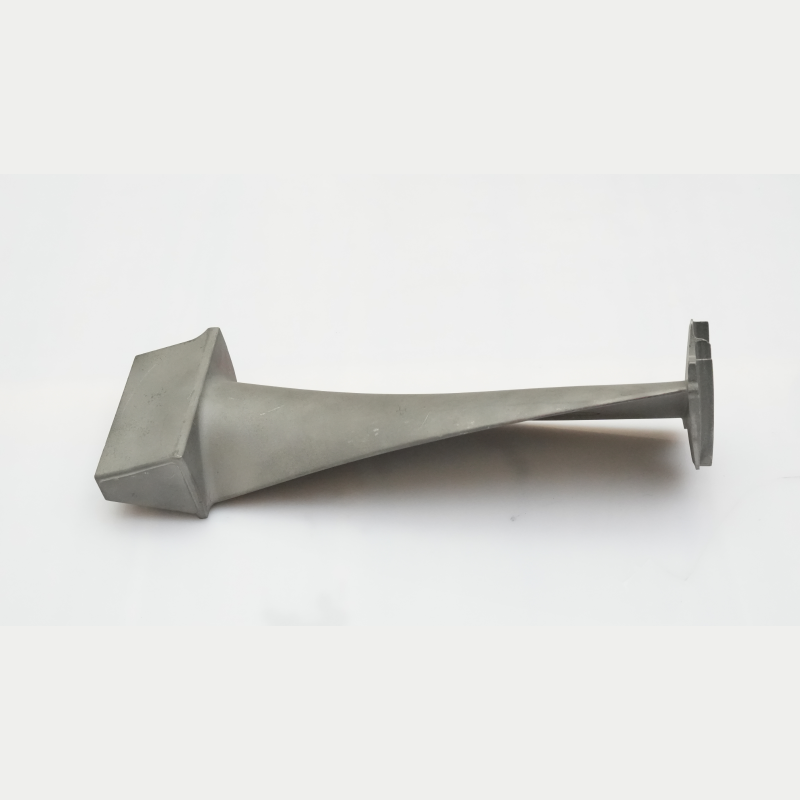
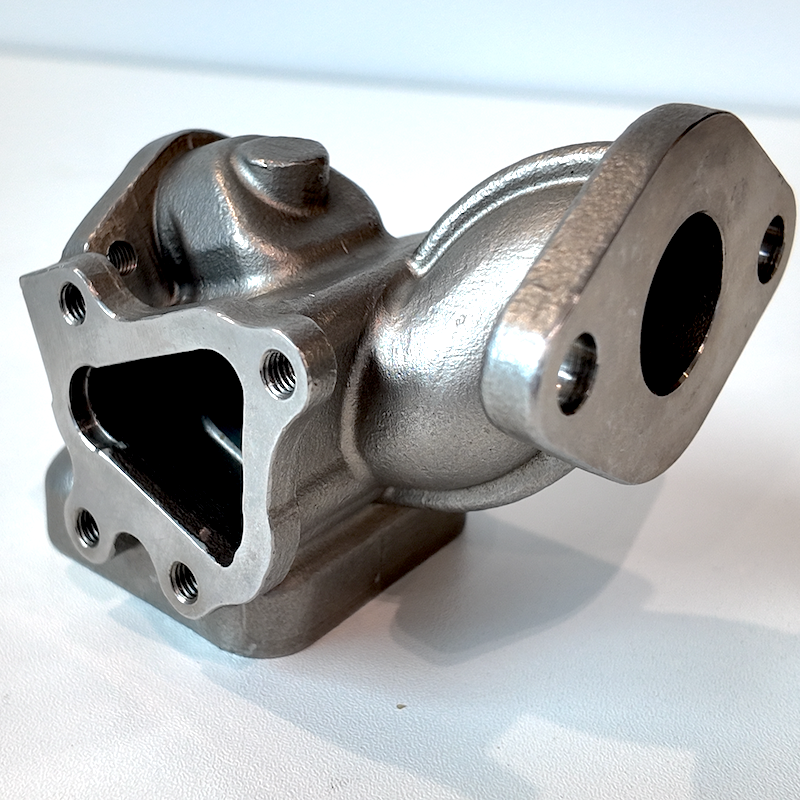
Stainless steel pump impellers represent critical components in fluid transfer systems, serving as the rotating element responsible for imparting kinetic energy to liquids and enabling their movement through pumping equipment. These precision-engineered devices convert rotational motion from the pump shaft into hydraulic energy, creating pressure differentials that drive fluid flow. Manufactured from high-grade stainless steel alloys, these impellers excel in demanding environments where corrosion resistance, durability, and consistent performance are paramount. The primary function of stainless steel pump impellers involves accelerating liquid from the center eye outward through the vanes, generating centrifugal force that propels fluids through discharge ports. Their design incorporates carefully calculated vane configurations, blade angles, and hub geometries optimized for specific flow rates and pressure requirements. Technological features include investment casting processes that ensure dimensional accuracy, mirror-smooth surface finishes that minimize friction losses, and balanced construction that eliminates vibration during high-speed operation. These impellers find extensive applications across diverse industries including chemical processing, pharmaceutical manufacturing, food and beverage production, water treatment facilities, marine systems, and oil and gas operations. In chemical plants, stainless steel pump impellers handle aggressive acids, alkaline solutions, and solvents without degradation. Pharmaceutical facilities rely on them for sterile fluid transfer in compliance with stringent hygiene standards. Food processing operations benefit from their non-contaminating properties and easy cleaning capabilities. Water treatment plants utilize these impellers for pumping potable water, wastewater, and various process streams. The marine industry depends on their saltwater resistance for cooling systems, ballast operations, and firefighting equipment. Their versatility extends to HVAC systems, irrigation networks, and industrial washing applications where reliable fluid movement is essential for operational success and equipment longevity.

Popular Products

Stainless steel pump impellers deliver exceptional corrosion resistance that translates into extended service life and reduced replacement costs for facility operators. Unlike cast iron or bronze alternatives, these impellers withstand exposure to harsh chemicals, saltwater environments, and acidic or alkaline solutions without pitting, rusting, or material degradation. This resistance means fewer unexpected failures, minimized downtime, and lower maintenance expenses over the equipment lifecycle. The material strength of stainless steel allows impellers to operate at higher rotational speeds and pressures without structural failure, providing greater flexibility in system design and performance optimization. Customers benefit from improved energy efficiency as the smooth stainless steel surfaces reduce friction between the impeller and pumped fluid, resulting in lower power consumption and decreased operational costs. The non-reactive nature of stainless steel ensures that pumped liquids remain uncontaminated, which is crucial for pharmaceutical production, food processing, and potable water systems where product purity directly impacts consumer safety and regulatory compliance. Easy cleaning and sanitization capabilities make stainless steel pump impellers ideal for applications requiring frequent washdowns or sterilization cycles, reducing labor time and cleaning chemical consumption. Their dimensional stability across wide temperature ranges ensures consistent performance whether handling cryogenic fluids or hot process streams, eliminating the thermal expansion issues that plague other materials. The balanced construction of precision-manufactured stainless steel pump impellers minimizes vibration and noise, creating quieter work environments and reducing wear on bearings, seals, and other pump components. This balanced operation extends maintenance intervals and prevents premature failure of connected equipment. Customers appreciate the universal compatibility of stainless steel impellers with various seal materials, allowing for customization based on specific application requirements without material incompatibility concerns. The recyclability of stainless steel aligns with sustainability initiatives, enabling responsible disposal at end-of-life while maintaining material value. Investment in stainless steel pump impellers provides long-term cost advantages through reduced replacement frequency, lower maintenance requirements, enhanced reliability, and improved process efficiency that collectively deliver superior return on investment compared to alternative materials.

Latest News

How Does a Precision Investment Casting Manufacturer Ensure Consistent Quality Across Global Supply Chains?

05

Jun

How Does a Precision Investment Casting Manufacturer Ensure Consistent Quality Across Global Supply Chains?

In today's interconnected industrial landscape, sourcing complex metal components across international borders presents a formidable quality challenge. the manufacturer must navigate an intricate web of raw material sourcing, multi-stage production c...
View More
How Can OEM ODM Precision Casting Services Accelerate New Product Development Cycles?

26

Jun

How Can OEM ODM Precision Casting Services Accelerate New Product Development Cycles?

Bringing a new industrial product from concept to market is rarely a straightforward journey. Engineering teams face relentless pressure to compress timelines, reduce prototype iterations, and deliver production-ready components without sacrificing d...
View More
How Do OEM ODM Precision Casting Services Support Flexible Design and Rapid Prototyping?

26

Jun

How Do OEM ODM Precision Casting Services Support Flexible Design and Rapid Prototyping?

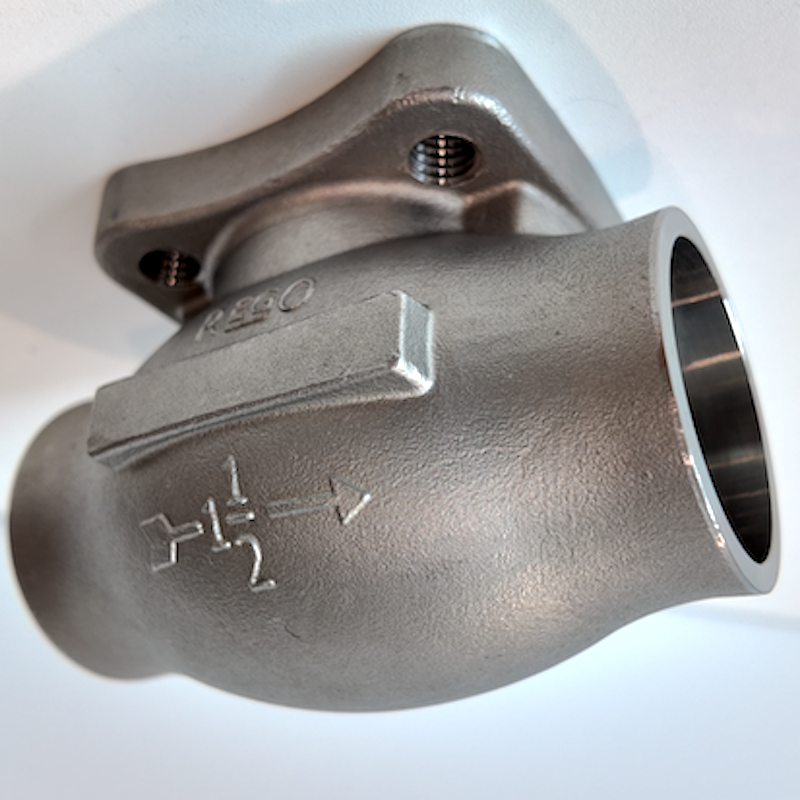
Figure 1: Custom Valve Body Fabricated via Precision Investment Casting, Featuring Crisp Surface Details and Net-Shape Integrity. In today's fast-evolving manufacturing landscape, the ability to move from concept to production-ready component quickly...
View More
Why Are Stainless Steel Investment Castings Preferred for Corrosion Resistant Applications?

26

Jun

Why Are Stainless Steel Investment Castings Preferred for Corrosion Resistant Applications?

In demanding industrial environments where moisture, chemicals, and extreme temperatures are constant threats, material selection is one of the most critical engineering decisions a manufacturer can make. Among the available manufacturing methods, st...
View More

Get a Free Quote

Our representative will contact you soon.
Email
Name
Mobile
Company Name
Message
0/1000

stainless steel pump impellers

Superior Corrosion Resistance for Extended Operational Lifespan

Superior Corrosion Resistance for Extended Operational Lifespan

The outstanding corrosion resistance of stainless steel pump impellers represents their most significant advantage in industrial fluid handling applications. This characteristic stems from the chromium content in stainless steel alloys, which forms a passive oxide layer on the surface that self-repairs when damaged, providing continuous protection against chemical attack. In chemical processing environments where impellers contact aggressive acids like sulfuric acid, hydrochloric acid, or nitric acid, stainless steel maintains structural integrity while other materials rapidly deteriorate. This resistance extends to alkaline solutions, chloride-containing compounds, and organic solvents that would cause catastrophic failure in standard metallic impellers. For facilities operating in coastal regions or marine applications, the saltwater resistance of stainless steel pump impellers prevents the pitting and crevice corrosion that destroys carbon steel components within months. The economic implications of this corrosion resistance are substantial, as facility managers avoid the costs associated with frequent impeller replacement, emergency repairs, and unplanned production shutdowns. A stainless steel pump impeller can operate for years in corrosive environments where alternative materials require replacement multiple times annually, dramatically reducing total cost of ownership. The reliability factor cannot be overstated because unexpected pump failures often trigger cascading effects throughout production processes, causing product waste, missed delivery deadlines, and customer dissatisfaction. By choosing stainless steel pump impellers, operators gain predictable performance and can schedule maintenance during planned downtime rather than responding to emergency failures. Additionally, the corrosion resistance preserves the precise hydraulic geometry of the impeller vanes and channels, ensuring that pump efficiency remains consistent throughout the service life rather than degrading as material erodes. This sustained efficiency translates to lower energy consumption over time, as the pump continues delivering rated performance without the efficiency losses associated with corroded or eroded impeller surfaces.
Hygienic Design Standards for Contamination-Free Fluid Transfer

Hygienic Design Standards for Contamination-Free Fluid Transfer

Stainless steel pump impellers meet the stringent hygienic requirements demanded by pharmaceutical, biotechnology, food processing, and beverage production industries where product contamination poses serious health risks and regulatory violations. The smooth, non-porous surface finish achievable with stainless steel prevents bacterial colonization and eliminates hidden spaces where microorganisms could multiply between cleaning cycles. This surface characteristic enables effective cleaning-in-place and sterilization-in-place procedures that sanitize equipment without disassembly, saving valuable production time and reducing labor costs. Pharmaceutical manufacturers particularly value stainless steel pump impellers because they comply with FDA regulations and cGMP standards requiring non-reactive, cleanable surfaces for equipment contacting drug compounds. The material does not leach ions or particles into process fluids, preventing contamination that could compromise drug efficacy or patient safety. In food and beverage applications, stainless steel pump impellers preserve flavor profiles and nutritional content by avoiding metallic taste transfer or chemical reactions that alter product characteristics. Dairy processors rely on these impellers for transferring milk, cream, and cultured products without introducing off-flavors or promoting premature spoilage. Beverage manufacturers pumping juices, wines, or craft beers benefit from the inert properties that maintain intended taste profiles from production through packaging. The electropolished finishes available for stainless steel pump impellers further enhance cleanability by creating ultra-smooth surfaces with minimal surface roughness measurements, making it virtually impossible for residues to adhere. This finish quality reduces cleaning chemical consumption and shortens cleaning cycle times, improving operational efficiency. The compatibility of stainless steel with high-temperature steam sterilization allows for thorough pathogen elimination without material degradation, ensuring that each production batch begins with hygienically clean equipment. For companies pursuing organic certifications or operating under HACCP protocols, stainless steel pump impellers provide documented material traceability and compliance verification that simplifies auditing processes and demonstrates commitment to food safety standards.
Precision Engineering for Optimal Hydraulic Performance

Precision Engineering for Optimal Hydraulic Performance

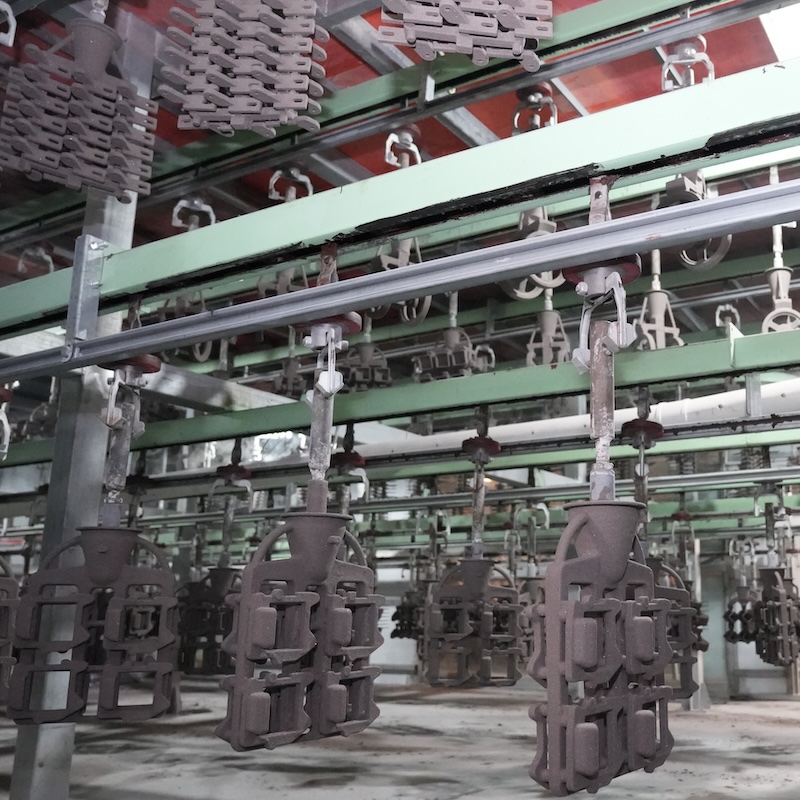
The advanced manufacturing techniques used to produce stainless steel pump impellers enable precision engineering that optimizes hydraulic performance, maximizes energy efficiency, and ensures smooth operation across diverse pumping applications. Investment casting and CNC machining technologies create impellers with exact dimensional tolerances, maintaining critical clearances between rotating and stationary components that minimize internal recirculation losses. The blade profiles, inlet eye diameters, and vane outlet angles are calculated through computational fluid dynamics modeling to achieve optimal flow characteristics for specific operating conditions, resulting in higher efficiency ratings and lower power consumption. This engineering precision translates directly into reduced electricity costs for end users, as efficiently designed stainless steel pump impellers convert more motor power into useful hydraulic work rather than wasting energy through turbulence and friction. The balanced construction achieved through precision manufacturing eliminates vibration that would otherwise accelerate wear on bearings, mechanical seals, and shaft components, extending maintenance intervals and reducing spare parts inventory costs. Operators notice quieter pump operation and smoother performance throughout the flow curve, from minimum to maximum capacity ratings. The material properties of stainless steel allow for thinner, more hydrodynamically efficient vane designs compared to weaker materials that require thicker sections for structural integrity, resulting in impellers that move more fluid per revolution and deliver higher flow rates from the same pump casing. Variable vane thickness optimization, where vanes are thicker at the hub for strength but taper toward the tips for efficiency, becomes feasible with stainless steel's superior strength-to-weight ratio. The cavitation resistance of properly designed stainless steel pump impellers prevents material erosion even when pumping volatile liquids or operating under suction lift conditions where vapor bubbles form and collapse on impeller surfaces. This resistance maintains efficiency over time and prevents the performance degradation that occurs when cavitation damage roughens surfaces and alters blade geometry. For variable speed applications controlled by variable frequency drives, the structural integrity of stainless steel pump impellers ensures safe operation across the entire speed range without mechanical failure risks that limit other materials to narrower operating windows.

Get a Free Quote

Our representative will contact you soon.
Email
Name
Mobile
Company Name
Message
0/1000