Carbon Steel Lost Wax Casting Services - Precision Investment Casting Solutions

Get a Free Quote

Our representative will contact you soon.
Email
Name
Company Name
Message
0/1000

carbon steel lost wax casting

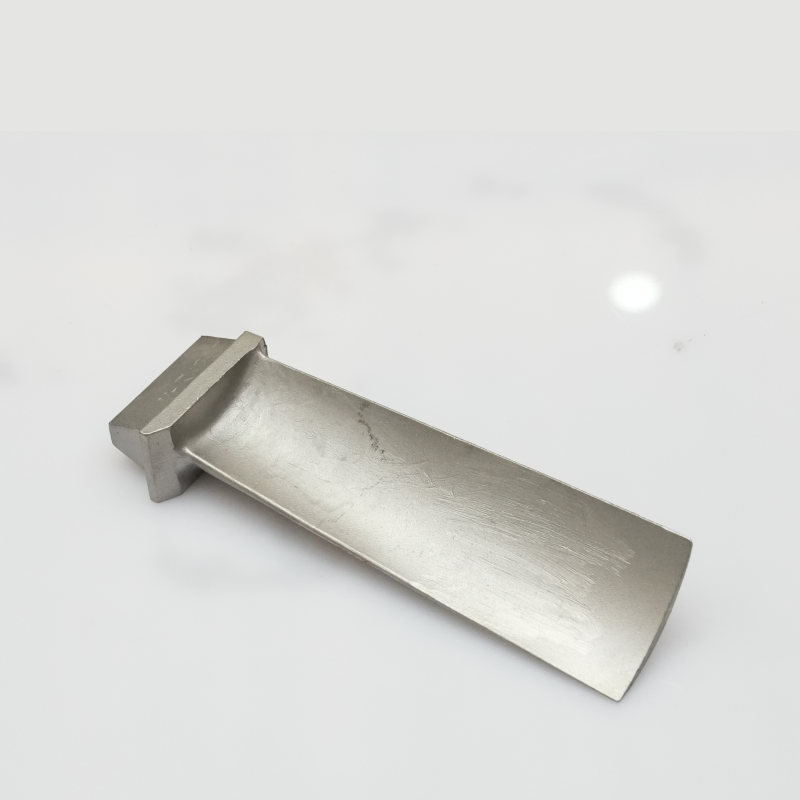
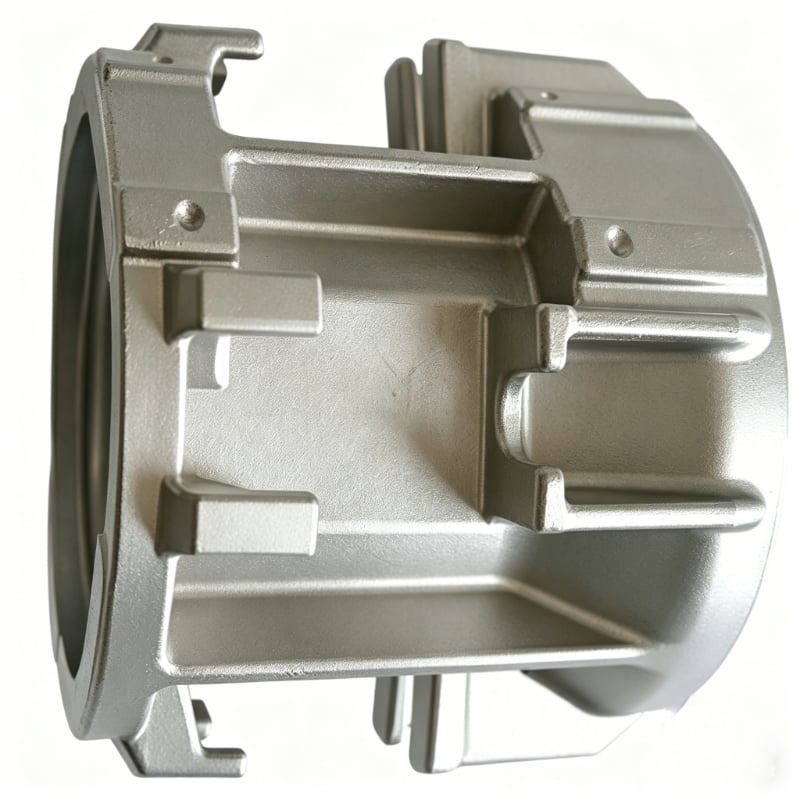
Carbon steel lost wax casting represents a sophisticated manufacturing process that combines ancient metallurgical techniques with modern precision engineering to produce complex metal components. This method, also known as investment casting, begins with creating a detailed wax pattern that exactly replicates the desired final product. The wax pattern is then coated with multiple layers of ceramic material to form a robust shell mold. Once the ceramic hardens, the wax is melted and drained away, leaving a hollow cavity that perfectly mirrors the original design. Molten carbon steel is then poured into this cavity, filling every intricate detail before cooling and solidifying. After the metal cools, the ceramic shell is broken away to reveal the finished carbon steel component. The main functions of carbon steel lost wax casting include producing components with exceptional dimensional accuracy, creating parts with complex geometries that would be impossible or economically unfeasible through traditional machining, and manufacturing components that require minimal post-processing finishing work. Technological features of this process include its ability to achieve tolerances as tight as plus or minus 0.005 inches, produce smooth surface finishes that often eliminate the need for additional machining, and create parts with wall thicknesses ranging from very thin to substantially thick sections within the same component. The process accommodates a wide range of carbon steel grades, from low-carbon varieties offering excellent weldability to high-carbon steels providing superior hardness and wear resistance. Applications span numerous industries including automotive manufacturing where precision engine components and transmission parts are produced, aerospace sector requiring lightweight yet strong structural elements, industrial machinery demanding durable wear-resistant parts, oil and gas equipment needing corrosion-resistant components, and agricultural machinery requiring robust parts that withstand harsh operating conditions. The versatility of carbon steel lost wax casting makes it indispensable for producing everything from small intricate components weighing mere ounces to large industrial parts exceeding several hundred pounds, all while maintaining consistent quality and repeatability across production runs.

New Products

Choosing carbon steel lost wax casting for your manufacturing needs delivers numerous practical benefits that directly impact your bottom line and product quality. First and foremost, this process dramatically reduces material waste compared to traditional machining methods. Instead of cutting away large amounts of expensive carbon steel to achieve your desired shape, the casting process creates components very close to their final dimensions, meaning you pay only for the material that becomes part of your finished product rather than for chips and scrap that end up as waste. This efficiency translates into significant cost savings, especially for complex parts that would require extensive machining time on conventional equipment. The design freedom offered by carbon steel lost wax casting cannot be overstated. Your engineers can incorporate internal passages, undercuts, complex contours, and intricate surface details that would be extremely difficult or impossible to machine using conventional methods. This flexibility allows you to optimize part designs for performance rather than limiting your creativity to what can be easily manufactured, potentially leading to lighter, stronger, or more efficient components. The excellent surface finish achieved through this casting method means your parts often come out of the mold ready to use or requiring only minimal finishing operations. This smooth surface reduces friction in moving parts, improves aesthetics for visible components, and can eliminate several manufacturing steps, saving both time and money in your production schedule. Consistency and repeatability represent another major advantage. Once the process parameters are established, each carbon steel lost wax casting produced will be virtually identical to the last, ensuring uniform quality across your entire production run. This reliability reduces quality control costs and minimizes the risk of defective parts reaching your customers. The mechanical properties of carbon steel components produced through lost wax casting are excellent, with the casting process creating a uniform grain structure throughout the part that provides consistent strength and durability. Unlike welded assemblies that may have weak points at joints, a cast component is a single homogeneous piece of metal with no internal stress concentrations or potential failure points from joining processes. Time to market is shortened because prototypes can be produced relatively quickly, allowing you to test and refine designs before committing to expensive tooling for other manufacturing methods. Small production runs become economically viable since the tooling costs for lost wax casting are generally lower than for processes like die casting or forging. Finally, the process accommodates a wide range of part sizes and complexities, making it suitable whether you need a few specialized components or thousands of identical parts, providing scalability as your production needs grow or change over time.

Tips And Tricks

Basic Principles Of Design Of Precision Casting Gating System

11

May

Basic Principles Of Design Of Precision Casting Gating System

View More
Selection And Application Scope Of Hardness Tester

11

May

Selection And Application Scope Of Hardness Tester

View More
Stainless Steel Castings for Building Facade Systems

11

May

Stainless Steel Castings for Building Facade Systems

View More
Precision Stainless Steel Exhaust Manifold Casting Solution For Luxury Sedan - With Japanese First-Tier Car Brand

11

May

Precision Stainless Steel Exhaust Manifold Casting Solution For Luxury Sedan - With Japanese First-Tier Car Brand

View More

Get a Free Quote

Our representative will contact you soon.
Email
Name
Company Name
Message
0/1000

carbon steel lost wax casting

Exceptional Precision and Complex Geometry Capabilities

Exceptional Precision and Complex Geometry Capabilities

Carbon steel lost wax casting stands out in the manufacturing landscape for its unparalleled ability to produce components with exceptional dimensional precision and geometrically complex features that challenge or exceed the capabilities of alternative manufacturing methods. This precision begins at the pattern-making stage, where modern computer-aided design systems and advanced wax injection equipment create patterns with tolerances measured in thousandths of an inch. The ceramic shell molding process further enhances this accuracy by capturing every minute detail of the wax pattern, from sharp corners to smooth curves, from fine threads to intricate surface textures. When molten carbon steel fills the mold cavity, it replicates these details with remarkable fidelity, producing components that often meet final specifications without requiring secondary machining operations. This level of precision becomes particularly valuable in applications where tight tolerances are non-negotiable, such as aerospace components that must meet stringent safety standards, medical devices requiring exact specifications for proper function, or precision industrial equipment where even minor dimensional variations can lead to premature wear or failure. The ability to cast complex geometries brings tremendous value to product designers and engineers who no longer need to compromise their ideal designs to accommodate manufacturing limitations. Internal cavities, cooling channels, weight-reducing pockets, and aerodynamic contours can all be incorporated directly into the casting rather than requiring assembly of multiple pieces or extensive post-casting machining. This design freedom often leads to parts that perform better, weigh less, cost less to produce, and offer greater reliability than conventionally manufactured alternatives. For manufacturers, the precision of carbon steel lost wax casting translates into reduced scrap rates, lower quality control costs, and increased customer satisfaction. Parts fit together properly the first time, reducing assembly time and eliminating the frustration and expense of rework. The process also enables the consolidation of multiple machined components into a single cast piece, reducing part counts, eliminating fasteners, decreasing assembly time, and removing potential failure points from mechanical joints. Whether producing prototype quantities for product development or high-volume runs for established products, the consistent precision of carbon steel lost wax casting ensures that every component meets your exacting standards while the complex geometry capabilities enable innovative designs that provide competitive advantages in your marketplace.
Superior Material Properties and Structural Integrity

Superior Material Properties and Structural Integrity

The carbon steel lost wax casting process produces components with superior material properties and structural integrity that directly contribute to longer service life, improved performance, and greater reliability in demanding applications. Unlike fabricated assemblies that join separate pieces through welding or mechanical fasteners, a cast carbon steel component is a single, monolithic structure with uniform material properties throughout its entire volume. This homogeneity eliminates the weak points, stress concentrations, and potential failure modes associated with welds, brazed joints, or bolted connections. The solidification process that occurs as molten carbon steel cools within the ceramic mold creates a fine, uniform grain structure that provides consistent mechanical properties in all directions, ensuring predictable behavior under load regardless of how stresses are applied to the component. The controlled cooling environment of the investment casting process allows metallurgists to influence the final microstructure of the carbon steel, optimizing properties such as tensile strength, yield strength, hardness, ductility, and impact resistance to match the specific requirements of your application. Heat treatment processes can be applied after casting to further enhance these properties, creating components that combine the complex geometries possible through casting with the superior mechanical characteristics typically associated with forged or machined parts. Carbon steel grades available for lost wax casting range from low-carbon varieties offering excellent machinability and weldability for components that may require post-casting modifications or attachment points, to medium-carbon steels providing a balance of strength and toughness suitable for structural applications, to high-carbon steels delivering exceptional hardness and wear resistance for components subjected to abrasive conditions or repetitive contact stresses. This material versatility means you can select the optimal carbon steel composition for your specific operating environment, whether that involves high temperatures, corrosive chemicals, impact loads, or fatigue cycling. The structural integrity of carbon steel lost wax castings makes them particularly suitable for safety-critical applications where component failure could result in serious consequences. The absence of internal voids, porosity, or inclusions that might act as crack initiation sites provides confidence that parts will perform reliably throughout their intended service life. Non-destructive testing methods such as radiography, ultrasonic inspection, or magnetic particle testing can verify the internal soundness of castings, providing documentation and assurance for quality-critical applications. For manufacturers seeking to optimize product performance while minimizing warranty claims and field failures, the superior material properties and structural integrity of carbon steel lost wax castings represent a significant competitive advantage that enhances reputation and customer loyalty.
Cost-Effectiveness and Production Efficiency Across Volume Ranges

Cost-Effectiveness and Production Efficiency Across Volume Ranges

Carbon steel lost wax casting delivers remarkable cost-effectiveness and production efficiency whether you need a handful of prototype components or thousands of production parts, making it an economically attractive manufacturing solution across a wide range of volume requirements. The economics begin with tooling costs that are generally lower than those required for alternative processes such as die casting, forging, or permanent mold casting. Wax pattern dies can be produced relatively quickly and inexpensively, especially when compared to the hardened steel dies required for high-pressure die casting or the expensive forge tooling needed for drop forging operations. This lower tooling investment reduces the financial risk associated with new product development and makes small to medium production runs economically viable, allowing you to respond to market opportunities without committing massive capital resources upfront. For prototype and low-volume production, carbon steel lost wax casting eliminates the need for expensive machining setups and programming while producing parts that accurately represent final production components in both geometry and material properties. This capability accelerates product development cycles by allowing engineers to test functional prototypes rather than mockups made from different materials or simplified geometries, leading to better design decisions and fewer costly changes after production tooling is committed. As production volumes increase, the per-part cost of carbon steel lost wax casting becomes increasingly competitive due to the minimal material waste, reduced machining requirements, and high production rates achievable with optimized processes. The near-net-shape nature of cast components means you purchase only the carbon steel that becomes part of your finished product rather than buying oversized forgings or bar stock that will be largely machined away as expensive scrap. Labor costs are minimized because castings often require little or no secondary machining, eliminating the skilled labor, machine time, and tooling costs associated with extensive post-processing operations. Quality costs decrease because the consistency and repeatability of the casting process produces uniform parts that require less inspection and generate fewer rejects compared to processes with greater inherent variability. Inventory costs can be reduced because the relatively short lead times for producing carbon steel lost wax castings enable just-in-time manufacturing strategies that minimize the capital tied up in stored components. The flexibility of the process also provides cost advantages by allowing design modifications to be implemented quickly and economically through changes to wax pattern tooling rather than requiring complete replacement of expensive production dies or forging tools. For companies managing product portfolios with diverse volume requirements, carbon steel lost wax casting offers the unique advantage of using a single manufacturing process across low-volume specialty products, medium-volume standard offerings, and high-volume commodity items, simplifying supply chain management and vendor relationships while maintaining consistent quality standards. The combination of low entry costs, minimal waste, reduced processing requirements, and scalability across volume ranges makes carbon steel lost wax casting an economically sound choice that improves profitability while delivering the quality and performance your customers demand.

Get a Free Quote

Our representative will contact you soon.
Email
Name
Company Name
Message
0/1000