Εκτενής Επιλογή Υλικών και Μεταλλουργική Αριστεία
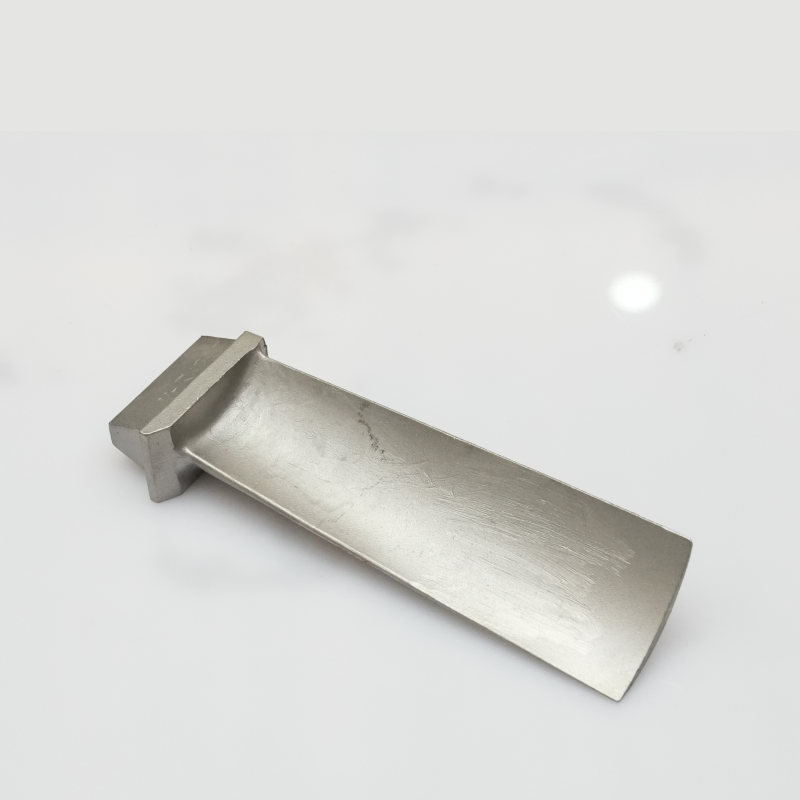
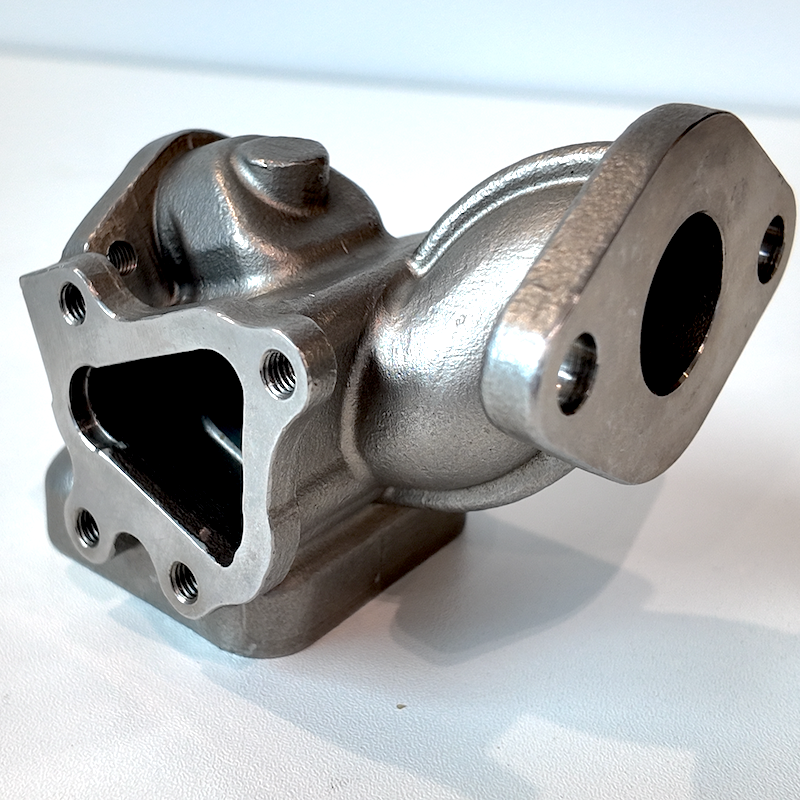
Η ευελιξία της μεθόδου χύτευσης με εγχύτευση κεριού για αυτοκινητοβιομηχανικά εξαρτήματα, όσον αφορά την υποδοχή ενός εκτεταμένου φάσματος μεταλλικών κραμάτων, προσφέρει στους κατασκευαστές ανεπίτρεπτη ευελιξία στην επιλογή υλικών, επιτρέποντας την επίτευξη βέλτιστων χαρακτηριστικών απόδοσης για κάθε εφαρμογή. Σε αντίθεση με άλλες διαδικασίες κατασκευής που περιορίζουν τις επιλογές υλικών λόγω τεχνικών περιορισμών, η χύτευση με εγχύτευση κεριού λειτουργεί αποτελεσματικά με σχεδόν οποιοδήποτε μέταλλο μπορεί να τηχθεί και να χυθεί, από κοινά κράματα αλουμινίου μέχρι εξωτικά υπερκράματα που σχεδιάστηκαν για ακραίες συνθήκες. Αυτή η ευελιξία υλικών επιτρέπει στη μηχανική ομάδα σας να καθορίζει ακριβώς τη σύνθεση του κράματος που παρέχει τις απαιτούμενες μηχανικές ιδιότητες, αντοχή στη διάβρωση, ανοχή στη θερμοκρασία και χαρακτηριστικά βάρους για κάθε συγκεκριμένο αυτοκινητοβιομηχανικό εξάρτημα. Τα κράματα αλουμινίου, που προτιμώνται για το εξαιρετικό τους λόγο αντοχής προς βάρος, χρησιμοποιούνται εκτενώς στη χύτευση με εγχύτευση κεριού για αυτοκινητοβιομηχανικά εξαρτήματα προκειμένου να παραχθούν εξαρτήματα κινητήρα, περιβλήματα μετάδοσης και δομικά στοιχεία που μειώνουν το συνολικό βάρος του οχήματος και βελτιώνουν την κατανάλωση καυσίμου. Οι βαθμοί ανοξείδωτου χάλυβα προσφέρουν ανώτερη αντοχή στη διάβρωση για εξαρτήματα συστημάτων εξάτμισης, εξαρτήματα συστημάτων καυσίμου και εξωτερικά εξαρτήματα που εκτίθενται σε ακραίες περιβαλλοντικές συνθήκες. Οι άνθρακας και τα κράματα χάλυβα παρέχουν την αντοχή και την ανθεκτικότητα που απαιτούνται για εφαρμογές υψηλής τάσης, όπως τα περιβλήματα διαφορικού, τα εξαρτήματα του συστήματος διεύθυνσης και τα στοιχεία του συστήματος κίνησης. Η διαδικασία επιτρέπει επίσης τη χύτευση ειδικών κραμάτων που αναπτύχθηκαν ειδικά για αυτοκινητοβιομηχανικές εφαρμογές, συμπεριλαμβανομένων υλικών ανθεκτικών στη θερμότητα για εξαρτήματα τουρμποσυμπιεστών και κραμάτων ανθεκτικών στη φθορά για εξαρτήματα μετάδοσης. Η μεταλλουργική ποιότητα που επιτυγχάνεται μέσω της χύτευσης με εγχύτευση κεριού είναι ισοδύναμη ή ανώτερη της ποιότητας των ελασμάτων, καθώς η ελεγχόμενη στερέωση σε κεραμικά καλούπια παράγει δομές λεπτού κόκκου με ελάχιστη πορώδη και εξαιρετικές μηχανικές ιδιότητες. Οι σύγχρονες χυτήρες εφαρμόζουν τεχνικές τήξεως και χύσεως σε κενό, οι οποίες βελτιώνουν περαιτέρω την ποιότητα των υλικών μειώνοντας τις εγκλείσεις αερίων και την οξείδωση, με αποτέλεσμα χυτές αντοχής στην κόπωση και δομικής ακεραιότητας. Μετά τη χύτευση, μπορούν να εφαρμοστούν διαδικασίες θερμικής κατεργασίας για τη βελτιστοποίηση της σκληρότητας, της αντοχής και άλλων ιδιοτήτων που είναι ειδικές για τις απαιτήσεις της εφαρμογής σας. Η δυνατότητα χύτευσης πολλαπλών κραμάτων στην ίδια εγκατάσταση σημαίνει ότι μπορείτε να προμηθεύεστε διαφορετικά αυτοκινητοβιομηχανικά εξαρτήματα από έναν ενιαίο προμηθευτή, απλοποιώντας έτσι την αλυσίδα εφοδιασμού σας και μειώνοντας τη διοικητική πολυπλοκότητα. Η χύτευση με εγχύτευση κεριού για αυτοκινητοβιομηχανικά εξαρτήματα υποστηρίζει επίσης την παραγωγή διμεταλλικών εξαρτημάτων, όπου διαφορετικά κράματα χύνονται μαζί για να συνδυάσουν ευνοϊκές ιδιότητες, όπως μια επιφάνεια ανθεκτική στη φθορά πάνω σε έναν ελαστικό πυρήνα. Αυτή η εμπειρογνωμοσύνη στα υλικά επεκτείνεται και στην εκπλήρωση αυστηρών προδιαγραφών και προτύπων της αυτοκινητοβιομηχανίας, διασφαλίζοντας ότι κάθε χυτό παρέχει συνεπή χημική σύνθεση και μηχανικές ιδιότητες. Διαδικασίες δοκιμής και ελέγχου ποιότητας επαληθεύουν τις ιδιότητες των υλικών μέσω φασματοσκοπικής ανάλυσης, μηχανικών δοκιμών και μη καταστροφικών μεθόδων αξιολόγησης, παρέχοντας την απαραίτητη τεκμηρίωση που ικανοποιεί τα συστήματα διαχείρισης ποιότητας της αυτοκινητοβιομηχανίας. Η διαδικασία επιτρέπει επίσης τη χρήση ανακυκλωμένων μετάλλων, υποστηρίζοντας τις πρωτοβουλίες βιωσιμότητας χωρίς να θέτει σε κίνδυνο την απόδοση ή την ποιότητα των υλικών.

 EN
EN