Extensive Material Selection and Metallurgical Excellence
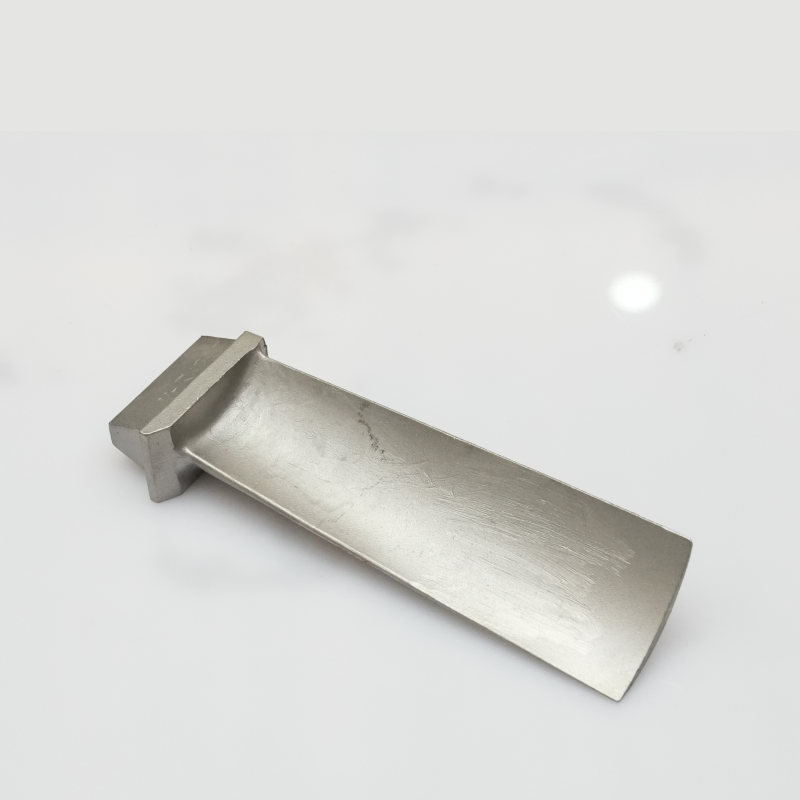
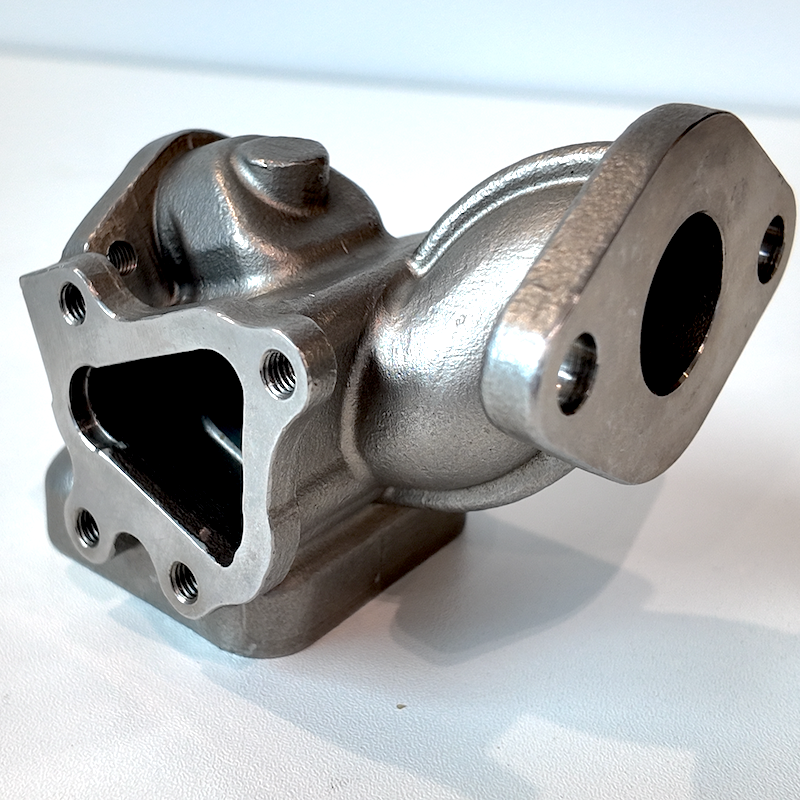
The versatility of lost wax casting for automotive parts in accommodating a comprehensive range of metal alloys provides manufacturers with unparalleled flexibility in material selection, enabling optimal performance characteristics for every application. Unlike manufacturing processes that limit material choices due to technical constraints, investment casting works effectively with virtually any metal that can be melted and poured, from common aluminum alloys to exotic superalloys designed for extreme environments. This materials flexibility allows your engineering team to specify the exact alloy composition that delivers the required mechanical properties, corrosion resistance, temperature tolerance, and weight characteristics for each specific automotive component. Aluminum alloys, favored for their excellent strength-to-weight ratio, are extensively used in lost wax casting for automotive parts to produce engine components, transmission housings, and structural elements that reduce overall vehicle weight and improve fuel efficiency. Stainless steel grades offer superior corrosion resistance for exhaust system components, fuel system parts, and exterior hardware exposed to harsh environmental conditions. Carbon and alloy steels provide the strength and durability required for high-stress applications such as differential cases, steering components, and drivetrain elements. The process also accommodates specialized alloys developed specifically for automotive applications, including heat-resistant materials for turbocharger components and wear-resistant alloys for transmission parts. The metallurgical quality achieved through investment casting rivals or exceeds that of wrought materials because the controlled solidification in ceramic molds produces fine-grain structures with minimal porosity and excellent mechanical properties. Modern foundries employ vacuum melting and pouring techniques that further enhance material quality by reducing gas inclusions and oxidation, resulting in castings with superior fatigue resistance and structural integrity. Heat treatment processes can be applied after casting to optimize hardness, strength, and other properties specific to your application requirements. The ability to cast multiple alloys in the same facility means you can source different automotive components from a single supplier, simplifying your supply chain and reducing administrative complexity. Lost wax casting for automotive parts also supports the production of bimetallic components where different alloys are cast together to combine beneficial properties, such as a wear-resistant surface on a ductile core. This materials expertise extends to meeting stringent automotive industry specifications and standards, ensuring that every casting delivers consistent chemical composition and mechanical properties. Testing and quality control procedures verify material properties through spectroscopic analysis, mechanical testing, and non-destructive evaluation methods, providing documentation that satisfies automotive quality management systems. The process also accommodates recycled metals, supporting sustainability initiatives without compromising material performance or quality.

 EN
EN