TS16949 Precision Casting Factory - Certified Quality Metal Component Manufacturing Solutions

Get a Free Quote

Our representative will contact you soon.
Email
Name
Company Name
Message
0/1000

ts16949 precision casting factory

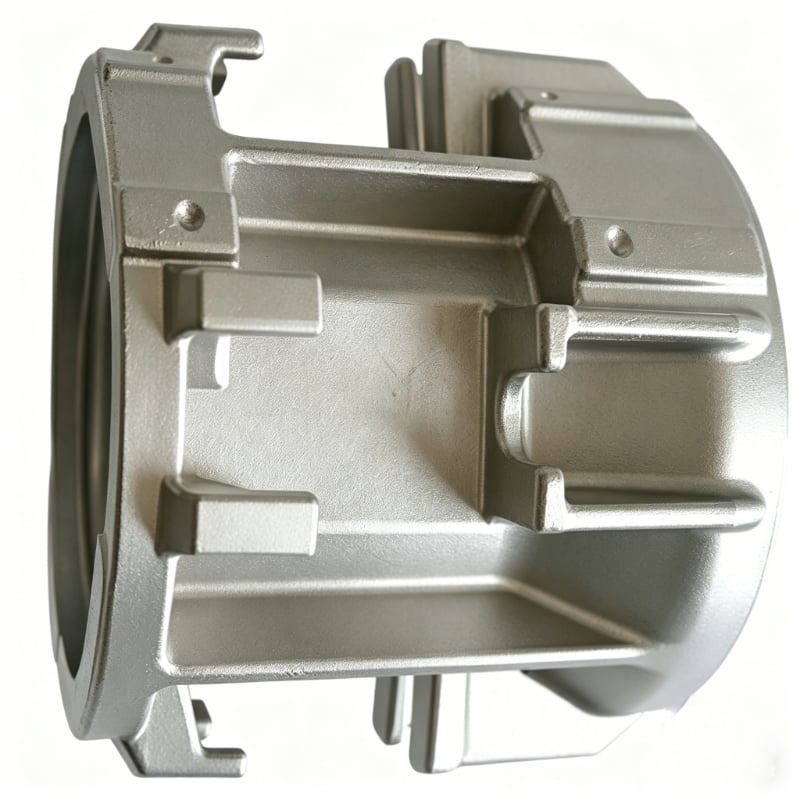
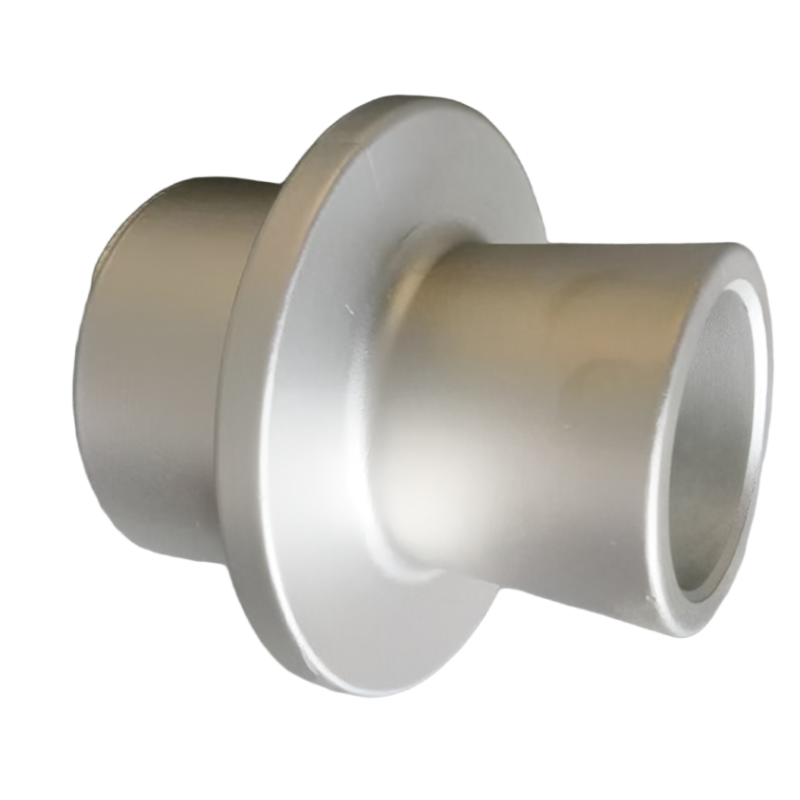
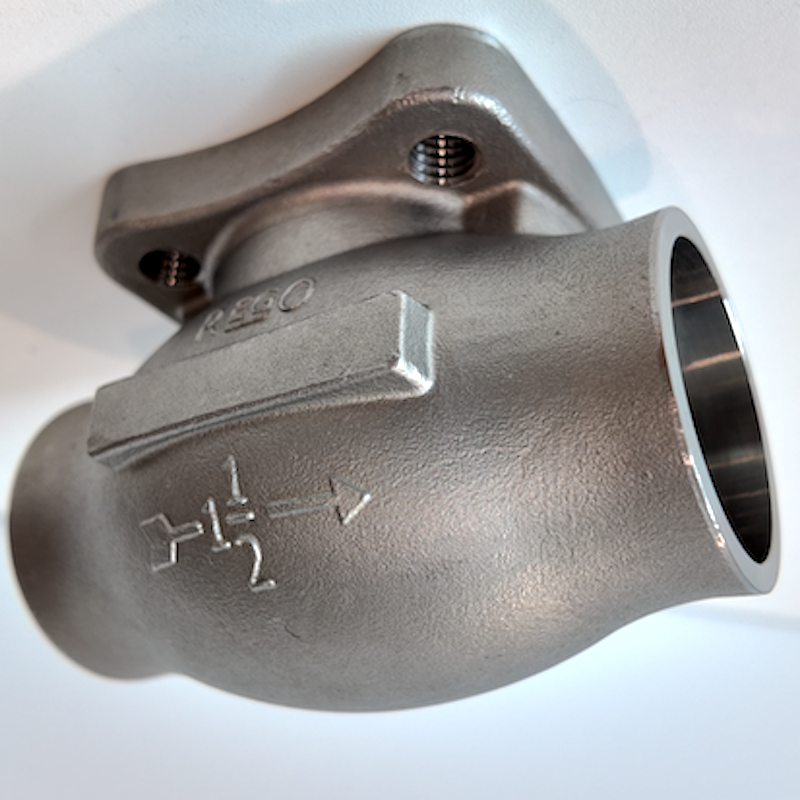
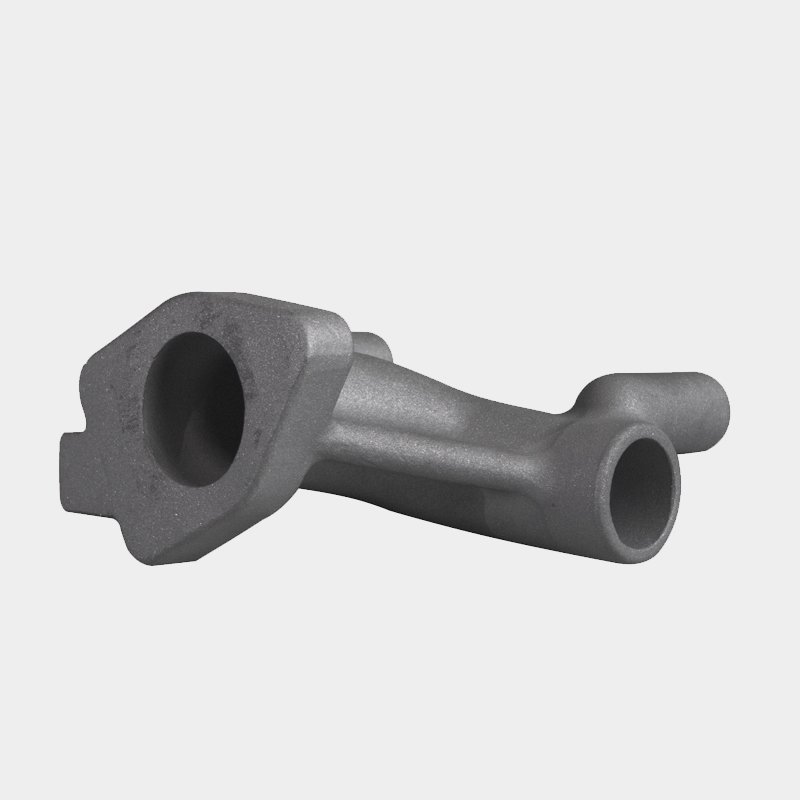
A ts16949 precision casting factory represents a manufacturing facility that adheres to the stringent quality management standards originally established for automotive industry suppliers. This specialized production environment combines advanced casting technologies with comprehensive quality control systems to deliver components that meet exacting specifications. The ts16949 precision casting factory operates under protocols that ensure consistent product quality, traceability, and continuous improvement throughout every stage of production. The main functions of such a factory encompass the entire casting process, from initial mold design and pattern creation to final inspection and delivery. These facilities utilize investment casting, also known as lost-wax casting, which allows for the creation of complex geometries with exceptional surface finishes and dimensional accuracy. The technological features include computer-aided design systems for pattern development, automated wax injection equipment, ceramic shell building stations, and controlled atmosphere furnaces for metal pouring. Advanced coordinate measuring machines and spectroscopy equipment ensure that every component meets specified tolerances and material compositions. The ts16949 precision casting factory typically serves multiple industries, with primary applications in automotive transmission systems, engine components, turbocharger housings, and suspension parts. Beyond automotive applications, these facilities produce components for aerospace, medical devices, industrial machinery, and energy sectors. The certification framework ensures that suppliers maintain robust documentation systems, implement preventive maintenance programs, and conduct regular internal audits. This systematic approach to manufacturing enables the ts16949 precision casting factory to achieve defect rates measured in parts per million rather than percentages. The integration of statistical process control, failure mode effects analysis, and production part approval processes creates an environment where quality is built into products rather than inspected into them. Material versatility represents another key characteristic, as these factories work with stainless steels, carbon steels, aluminum alloys, titanium, and specialized superalloys. The combination of rigorous standards, advanced technology, and skilled workforce makes the ts16949 precision casting factory an essential partner for companies requiring high-precision metal components that perform reliably under demanding conditions.

New Product Releases

Choosing a ts16949 precision casting factory brings numerous practical benefits that directly impact your product quality and business success. First and foremost, you gain access to a supplier with proven quality systems that have been independently audited and certified. This means fewer defects in your supply chain, reduced warranty claims, and enhanced customer satisfaction. The rigorous documentation requirements ensure complete traceability for every component, allowing you to track materials from raw metal to finished part. This transparency becomes invaluable when addressing quality concerns or demonstrating compliance to regulatory bodies. The ts16949 precision casting factory delivers significant cost savings through waste reduction and process efficiency. By implementing lean manufacturing principles and continuous improvement methodologies, these facilities minimize scrap rates and optimize material usage. You receive parts that require minimal secondary machining operations, reducing your overall production costs and lead times. The precision achievable through investment casting eliminates many finishing steps that would otherwise add expense to your manufacturing process. Another major advantage involves design flexibility and engineering support. These factories employ experienced metallurgists and design engineers who can collaborate with your team to optimize component designs for manufacturability and performance. They can suggest material substitutions that reduce costs without compromising functionality or recommend design modifications that improve casting yields. This technical partnership extends beyond simple order fulfillment to become a strategic advantage in product development. Supply chain reliability represents a critical benefit that cannot be overstated. The ts16949 precision casting factory maintains contingency plans, supplier qualification procedures, and inventory management systems that ensure consistent delivery performance. You avoid production disruptions caused by supplier quality issues or delivery delays. The standardized communication protocols and customer notification systems keep you informed about order status and potential challenges before they impact your operations. Risk mitigation is built into every aspect of working with a certified facility. The comprehensive quality planning processes identify potential failure modes early in development, allowing corrective actions before production begins. Regular management reviews and performance metrics ensure that the factory maintains its quality standards over time. You benefit from a supplier that invests in employee training, equipment maintenance, and technology upgrades to remain competitive and capable. Finally, the global recognition of the ts16949 standard facilitates international business relationships. Your components come from a factory that meets expectations of customers worldwide, simplifying qualification processes and opening new market opportunities. The certification demonstrates commitment to excellence that resonates with quality-conscious buyers across industries.

Tips And Tricks

Basic Principles Of Design Of Precision Casting Gating System

11

May

Basic Principles Of Design Of Precision Casting Gating System

View More
Selection And Application Scope Of Hardness Tester

11

May

Selection And Application Scope Of Hardness Tester

View More
The Role Of Elements In Castings And The Order Of Addition

11

May

The Role Of Elements In Castings And The Order Of Addition

View More
Precision Stainless Steel Exhaust Manifold Casting Solution For Luxury Sedan - With Japanese First-Tier Car Brand

11

May

Precision Stainless Steel Exhaust Manifold Casting Solution For Luxury Sedan - With Japanese First-Tier Car Brand

View More

Get a Free Quote

Our representative will contact you soon.
Email
Name
Company Name
Message
0/1000

ts16949 precision casting factory

Uncompromising Quality Control Systems That Guarantee Excellence

Uncompromising Quality Control Systems That Guarantee Excellence

The ts16949 precision casting factory distinguishes itself through multilayered quality control systems that protect your interests at every production stage. Unlike conventional casting operations that rely primarily on final inspection, certified facilities implement quality checkpoints throughout the entire manufacturing sequence. This begins with incoming material verification, where spectroscopic analysis confirms that raw metals meet specified chemistry requirements before entering production. The pattern creation phase includes dimensional verification to ensure tooling accuracy, preventing cumulative errors that could compromise final part dimensions. During shell building, technicians monitor ceramic slurry viscosity, coating thickness, and drying conditions to maintain consistent mold properties. Pour temperature, filling speed, and solidification parameters are carefully controlled and documented for each heat, creating a comprehensive record that enables process optimization and problem resolution. After casting, components undergo multiple inspection stages including visual examination, dimensional measurement using coordinate measuring machines, and non-destructive testing such as radiography or fluorescent penetrant inspection. The ts16949 precision casting factory maintains calibrated measurement equipment with documented calibration schedules, ensuring that inspection results remain accurate and reliable. Statistical process control charts track key characteristics over time, enabling operators to detect trends before they result in nonconforming parts. When variations occur, structured problem-solving methodologies identify root causes and implement permanent corrective actions rather than temporary fixes. The quality management system includes comprehensive procedures for handling nonconforming materials, ensuring that defective components never reach customers. Segregation protocols, material review boards, and disposition processes provide multiple safeguards against shipping errors. Customer-specific requirements receive special attention through control plans that document unique inspection points, acceptance criteria, and documentation needs. This systematic approach to quality creates confidence that every component leaving the ts16949 precision casting factory meets your specifications and performs as intended in your application. The investment in quality infrastructure translates directly into reduced inspection requirements at your facility, lower field failure rates, and enhanced reputation for your products. You partner with a supplier that views quality not as a cost center but as a competitive advantage that benefits everyone in the supply chain.
Advanced Manufacturing Technology Delivering Superior Component Performance

Advanced Manufacturing Technology Delivering Superior Component Performance

The technological capabilities found within a ts16949 precision casting factory set these facilities apart from traditional foundries and enable them to produce components that exceed customer expectations. Modern precision casting begins with three-dimensional computer modeling that simulates metal flow, solidification patterns, and potential defect formation before any physical tooling is created. This virtual prototyping reduces development time and minimizes costly iterations by identifying optimal gating systems and feeding strategies in the digital realm. Rapid prototyping technologies allow engineers to evaluate physical samples quickly, accelerating the transition from concept to production. The wax pattern injection process utilizes automated equipment with precise temperature and pressure controls, ensuring consistent pattern dimensions batch after batch. Robotic shell building systems apply ceramic coatings with uniform thickness, eliminating the variations inherent in manual dipping operations. Automated dewaxing autoclaves and high-temperature burnout furnaces prepare molds using controlled heating profiles that prevent cracking while completely removing pattern materials. The ts16949 precision casting factory employs vacuum melting and inert atmosphere pouring techniques that protect reactive alloys from oxidation and contamination, producing castings with superior mechanical properties and surface quality. Directional solidification and controlled cooling systems create optimized grain structures that enhance strength and fatigue resistance. Post-casting processes include heat treatment furnaces with programmable temperature profiles and atmosphere control, ensuring that components achieve specified hardness and microstructure. Precision machining centers handle any required secondary operations with tight tolerances and excellent repeatability. The integration of enterprise resource planning systems connects design, production, quality, and shipping functions, providing real-time visibility into order status and production progress. Customers can access portal systems that display current inventory levels, upcoming deliveries, and quality documentation. Manufacturing execution systems collect data from equipment throughout the facility, enabling performance analysis and continuous improvement initiatives. The ts16949 precision casting factory leverages additive manufacturing for rapid tooling development and complex core production, expanding design possibilities beyond conventional casting limitations. Investment in technology represents an ongoing commitment, with facilities regularly evaluating new equipment and processes that can enhance capabilities or reduce costs. This technological sophistication translates into components with tighter tolerances, better surface finishes, and enhanced metallurgical properties compared to alternative manufacturing methods. You gain access to manufacturing capabilities that would require substantial capital investment to develop internally, allowing you to focus resources on your core competencies while relying on specialized suppliers for precision cast components.
Comprehensive Compliance Framework Simplifying Regulatory Requirements

Comprehensive Compliance Framework Simplifying Regulatory Requirements

Operating as a ts16949 precision casting factory requires maintaining an extensive compliance framework that addresses industry regulations, customer specifications, and international standards. This comprehensive approach to regulatory management provides significant value to customers by ensuring that supplied components meet all applicable requirements without additional verification efforts. The certification process itself involves rigorous third-party audits that examine every aspect of operations, from document control and training records to equipment maintenance and customer complaint handling. Auditors verify that the quality management system includes all required procedures and that actual practices align with documented processes. This external validation gives customers confidence that claims about quality capabilities are backed by objective evidence rather than marketing assertions. Environmental compliance represents an increasingly important aspect of responsible manufacturing. The ts16949 precision casting factory implements systems to manage hazardous materials, control emissions, minimize waste generation, and ensure proper disposal of byproducts. Material safety data sheets, handling procedures, and employee protection measures address chemical exposures associated with mold materials, cleaning agents, and metal fumes. Compliance with reach regulations, conflict mineral reporting requirements, and other supply chain transparency initiatives demonstrates corporate responsibility and protects customers from reputational risks. Product-specific certifications vary by application and industry, with aerospace components requiring nadcap approval, medical devices needing iso13485 compliance, and pressure-containing parts demanding asme certification. The ts16949 precision casting factory maintains expertise in navigating these specialized requirements and holds multiple certifications that allow them to serve diverse markets. Material traceability systems track metal chemistry certificates, heat treatment records, and test results for individual production lots, enabling lot-level tracking when required by customers or regulations. First article inspection reports, production part approval processes, and ppap documentation packages provide comprehensive evidence that components meet all specifications before series production begins. The factory maintains approved supplier lists for raw materials, ensuring that purchased items come from qualified sources with appropriate certifications. Periodic re-qualification activities verify that supplier performance remains acceptable over time. Change management procedures ensure that modifications to materials, processes, or equipment receive appropriate review and customer approval before implementation, preventing unauthorized changes that could affect part quality or performance. The ts16949 precision casting factory stays current with evolving standards through active participation in industry associations, regular training updates, and surveillance audits that verify continued compliance. This proactive approach to regulatory management means you work with a supplier who anticipates requirements rather than reacting to problems. The comprehensive compliance framework reduces your qualification burden, accelerates new product introductions, and provides assurance that components will satisfy both your specifications and applicable regulations throughout the product lifecycle.

Get a Free Quote

Our representative will contact you soon.
Email
Name
Company Name
Message
0/1000