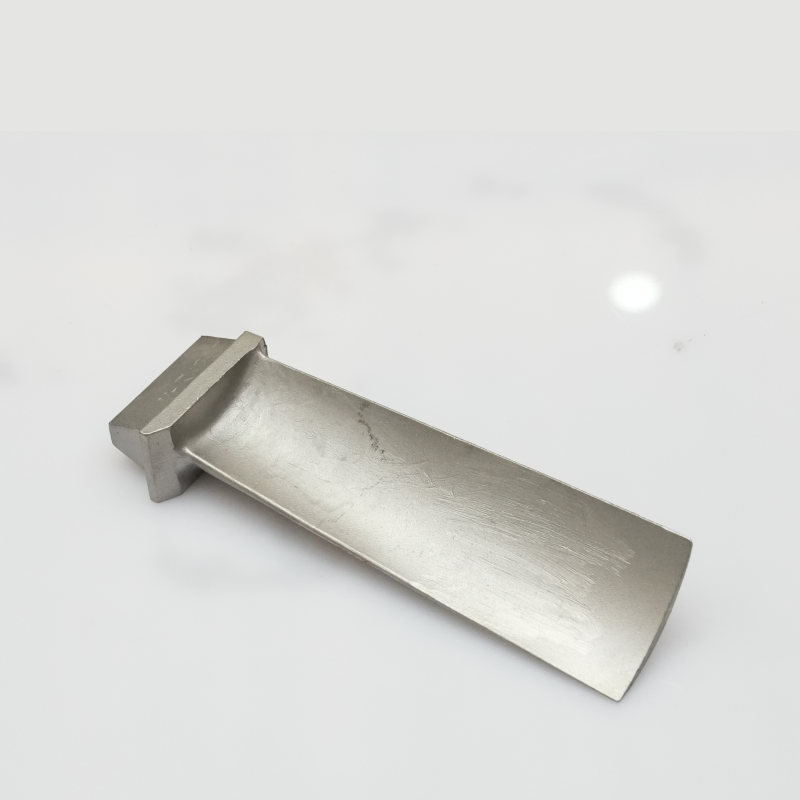
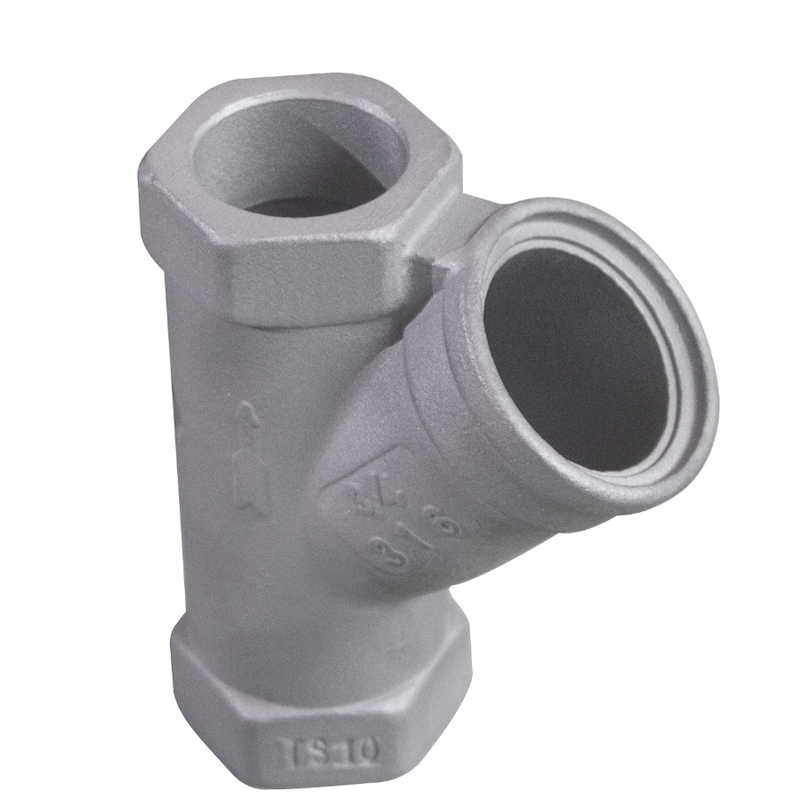
Monimutkaisten geometrioiden käsittelymahdollisuudet mahdollistavat suunnittelun optimoinnin ja osien yhdistämisen
Tarkkaa vahakastelua harjoittavan valurajan kyky tuottaa erinomaisen monimutkaisia geometrioita omaavia komponentteja on ehkä sen strategisesti tärkein etu, mikä mahdollistaa tuotemallien suunnittelun, jota ei voida saavuttaa perinteisillä valmistusmenetelmillä. Tämä geometrinen vapaus johtuu investointikasteluprosessin perusluonteesta, jossa sulan metallin virtaus täyttää kokonaan monimutkaiset keraamiset muottikammiot ennen kovettumista. Toisin kuin koneistusprosesseissa, joissa työkalun on päästävä kaikkiin pintoihin, tai muovauksessa, joka on rajoitettu muottien jakolinjojen ja materiaalin virtausrajoitusten mukaan, tarkkaa vahakastelua harjoittava valuraja voi luoda yksittäiseen kokonaiskomponenttiin sisäisiä jäähdytyskanavia, monimutkaisia kaarevia pintoja, vaihtelevia seinämäpaksuuksia ja alapuolisia yksityiskohtia. Prosessi alkaa, kun suunnitteluingenöörit tekevät yhteistyötä tarkkaa vahakastelua harjoittavan valurajan kanssa osan geometrian optimoimiseksi juuri kasteluprosessia varten eikä rajoita suunnittelua koneistus- tai valmistusrajoitusten mukaan. Valurajan kokemukselliset mallintajat ja prosessi-insinöörit antavat suunnittelua koskevaa ohjeistusta esimerkiksi vähimmäisseinämäpaksuuksista, vedoskulmista ja ytimien vaatimuksista, varmistaen, että ehdotetut geometriat täyttyvät kokonaan ja kovettuvat ilman virheitä. Nykyaikaiset tarkkaa vahakastelua harjoittavat valurajat käyttävät kehittyneitä tietokonesimulaatio-ohjelmistoja, jotka mallintavat metallin virtausta, lämmön siirtymistä ja kovettumismalleja, mikä mahdollistaa mahdollisten ongelmien tunnistamisen ja korjaamisen jo ennen kalliiden työkalujen valmistamista. Tämä yhteistyöhön perustuva suunnitteluprosessi paljastaa usein mahdollisuuden yhdistää useita komponentteja yhdeksi kastekappaleeksi, mikä poistaa kokoonpanotoimenpiteet, vähentää osien lukumäärää ja parantaa rakenteellista kestävyyttä korvaamalla mekaaniset liitokset jatkuvalla materiaalilla. Esimerkiksi tarkkaa vahakastelua harjoittava valuraja voi tuottaa yhden kastetun kotelo-osan, joka korvaa aiemmin kuudesta koneistetusta osasta koostuneen kokoonpanon, johon oli tarvittu kymmeniä kiinnitysosia, tiivistysliitoksia ja asennusominaisuuksia. Tarkkaa vahakastelua harjoittavan valurajan geometriset kyvykkyydet ovat erityisen arvokkaita, kun vaaditaan sisäisiä ominaisuuksia. Valuraja valmistaa keraamisia ytimiä, jotka sijoitetaan muottikammioon ennen metallin valamista, luoden näin kanavia ja tyhjiöitä, joita ei voida koneistaa kiinteästä osasta. Turbiinisiipien sisäiset jäähdytyskanavat, liitosten kautta kulkevat nestekanavat sisältävät jakoputket sekä painon vähentäviä sisäisiä hiltoja sisältävät rakenteelliset komponentit ovat kaikki tämän kyvyn esimerkkejä. Nämä sisäiset ominaisuudet mahdollistavat suorituskyvyn optimoinnin, jota ei voida saavuttaa yksinkertaisemmista osista koostuvilla kokoonpanoilla. Seinämäpaksuuden vaihtelu komponentin eri osissa mahdollistaa materiaalin sijoittamisen tarkalleen sinne, missä lujuutta tarvitaan, samalla kun painoa vähennetään vähemmän rasitetuissa alueissa. Monimutkaiset ulkoiset kontuurit, jotka optimoivat aerodynaamista suorituskykyä, nestevirtausta tai esteettistä ulkoasua, voidaan valmistaa ilman niitä työkalupolun rajoituksia, jotka rajoittavat viisisuuntaista koneistusta. Asiakkaille nämä geometriset kyvykkyydet kääntyvät tuotteiksi, joilla on parempi suorituskyky, pienempi paino, parantunut luotettavuus liitosten ja liitospintojen poistamisen ansiosta sekä usein huomattavasti alhaisemmat kokonaismuokkauskustannukset, vaikka tarkkaa vahakastelua harjoittavan valurajan prosessi olisikin erikoistunut. Suunnitteluvapaus mahdollistaa insinöörien toiminnan siten, että komponentit optimoidaan ensin toiminnallisesti ja vasta sen jälkeen valurajan kanssa varmistetaan valmistettavuus, eikä toiminnallista suorituskykyä heikennetä valmistusrajoitusten vuoksi. Tämä kyky kasvaa entisestään arvokkaammaksi, kun tuotteet kohtaavat yhä tiukemmat suorituskyvyn vaatimukset samalla kun niissä vaaditaan painon vähentämistä, kustannusten optimointia ja nopeutettuja kehitysaikoja.

 EN
EN