Stainless Steel Lost Wax Casting Services - Precision Investment Casting Solutions

Get a Free Quote

Our representative will contact you soon.
Email
Name
Company Name
Message
0/1000

stainless steel lost wax casting

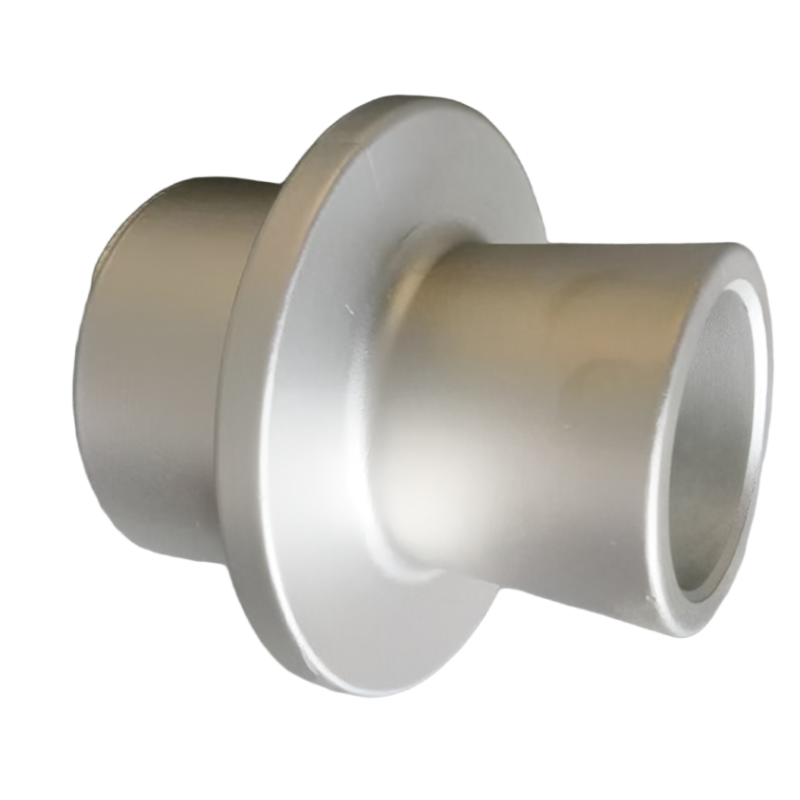
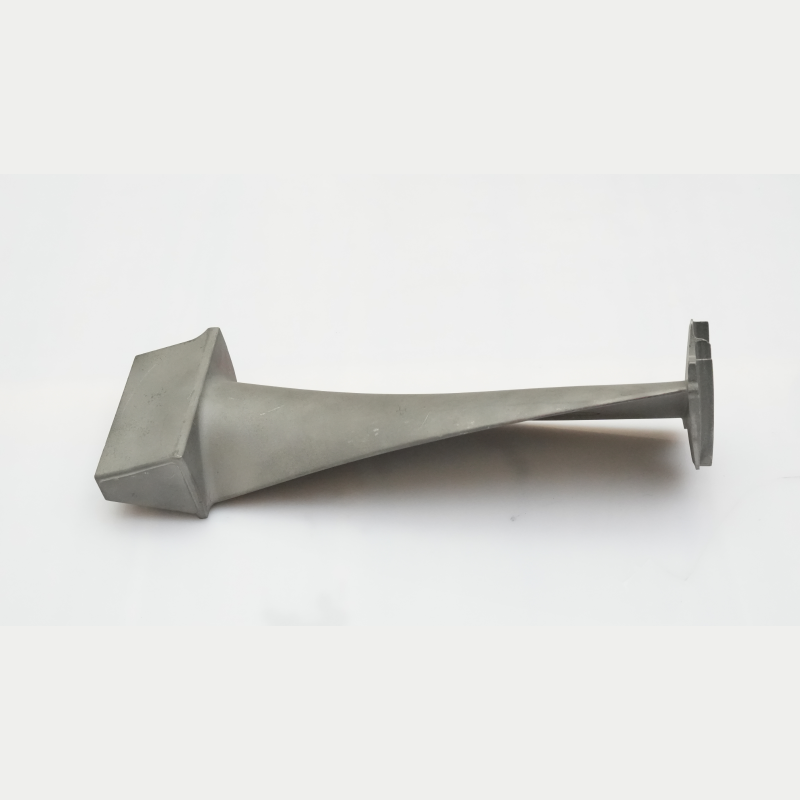
Stainless steel lost wax casting represents a sophisticated manufacturing process that combines ancient metallurgical techniques with modern precision engineering to produce complex metal components with exceptional accuracy. This method, also known as investment casting, enables manufacturers to create intricate stainless steel parts that would be difficult or impossible to achieve through traditional machining or forging methods. The process begins with creating a precise wax pattern that replicates the desired final product in exact detail. This wax model is then coated with a ceramic shell material through multiple dipping and drying cycles, building up layers until a robust mold is formed. Once the ceramic shell hardens completely, the wax is melted out, leaving behind a hollow cavity that perfectly mirrors the original pattern. Molten stainless steel is then poured into this cavity under controlled conditions, filling every intricate detail of the mold. After the metal solidifies and cools, the ceramic shell is broken away, revealing the finished stainless steel component. The technological features of stainless steel lost wax casting include exceptional dimensional accuracy, typically achieving tolerances within 0.005 inches, and the ability to produce components with complex geometries, thin walls, and intricate internal passages. The process accommodates various stainless steel grades, including 304, 316, 17-4 PH, and other specialized alloys, each offering specific properties such as corrosion resistance, strength, and heat tolerance. Applications for stainless steel lost wax casting span numerous industries including aerospace, medical devices, automotive manufacturing, food processing equipment, marine hardware, and industrial machinery. In aerospace applications, this casting method produces turbine blades, structural components, and precision fittings that meet stringent quality standards. Medical device manufacturers utilize stainless steel lost wax casting for surgical instruments, implantable components, and diagnostic equipment requiring biocompatibility and precision. The automotive sector employs this technique for producing high-performance engine components, transmission parts, and specialized hardware that demands durability and reliability under extreme operating conditions.

New Products

Choosing stainless steel lost wax casting offers manufacturers and product designers numerous practical benefits that directly impact production efficiency, product quality, and overall cost-effectiveness. First and foremost, this casting method delivers superior surface finish quality right from the mold, significantly reducing or eliminating the need for extensive secondary finishing operations. Components emerge from the process with smooth surfaces that often require minimal polishing or machining, saving valuable production time and labor costs. The design flexibility provided by stainless steel lost wax casting allows engineers to consolidate multiple parts into single, integrated components, reducing assembly requirements, potential failure points, and overall production complexity. This consolidation translates into lighter weight products, fewer inventory items to manage, and simplified quality control procedures. Material efficiency stands as another compelling advantage, as the process generates minimal waste compared to subtractive manufacturing methods like machining, where significant material is cut away and discarded. The near-net-shape capability means that the cast component closely matches the final desired dimensions, requiring only minor finishing touches rather than extensive material removal. Cost savings become particularly evident in medium to high volume production runs, where the initial tooling investment is amortized across many units, making the per-piece cost highly competitive. For complex geometries that would require extensive machining time on multiple axes, stainless steel lost wax casting often proves more economical even at lower volumes. The process accommodates a wide range of part sizes, from miniature components weighing mere grams to substantial pieces exceeding fifty pounds, providing versatility across different applications. Mechanical properties of components produced through stainless steel lost wax casting often match or exceed those of wrought materials, offering excellent strength, durability, and fatigue resistance. The uniform grain structure throughout the casting contributes to consistent performance characteristics and reliable long-term service. Quality consistency remains remarkably high once the process parameters are established, with each subsequent casting replicating the dimensional accuracy and material properties of previous pieces. This repeatability reduces inspection requirements and ensures that customers receive components meeting exact specifications batch after batch. The ability to cast thin wall sections, some as thin as 0.030 inches, enables weight reduction without sacrificing structural integrity, a critical consideration in aerospace and automotive applications where every ounce matters. Internal features such as cooling passages, fluid channels, and hollow sections can be incorporated directly into the design, eliminating complex assembly operations and potential leak paths. Stainless steel lost wax casting also supports rapid prototyping and design iteration, allowing engineers to test and refine their concepts before committing to high-volume production tooling.

Practical Tips

Selection And Application Scope Of Hardness Tester

11

May

Selection And Application Scope Of Hardness Tester

View More
The Role Of Elements In Castings And The Order Of Addition

11

May

The Role Of Elements In Castings And The Order Of Addition

View More
Stainless Steel Castings for Building Facade Systems

11

May

Stainless Steel Castings for Building Facade Systems

View More
Precision Stainless Steel Exhaust Manifold Casting Solution For Luxury Sedan - With Japanese First-Tier Car Brand

11

May

Precision Stainless Steel Exhaust Manifold Casting Solution For Luxury Sedan - With Japanese First-Tier Car Brand

View More

Get a Free Quote

Our representative will contact you soon.
Email
Name
Company Name
Message
0/1000

stainless steel lost wax casting

Exceptional Dimensional Precision and Complex Geometry Capability

Exceptional Dimensional Precision and Complex Geometry Capability

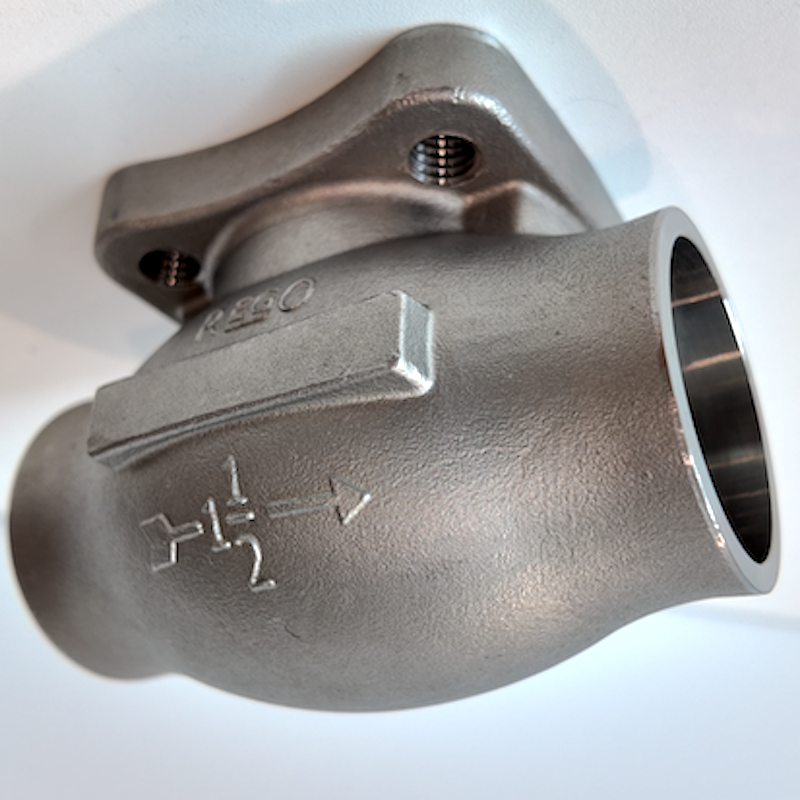
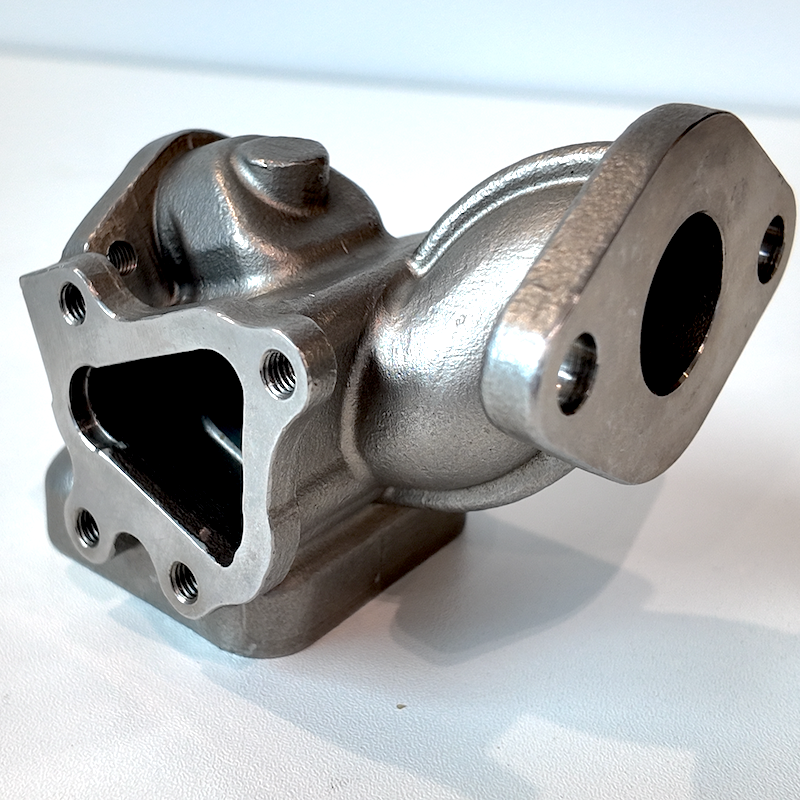
The stainless steel lost wax casting process stands unmatched in its ability to reproduce intricate design features with remarkable dimensional precision, making it the preferred choice for components where exact specifications are non-negotiable. This manufacturing method achieves tolerances that typically range from plus or minus 0.005 inches, with certain features capable of even tighter control when required by specific applications. Such precision eliminates the need for extensive secondary machining operations, reducing production time and associated costs while maintaining the integrity of complex geometries. The process excels at creating components with undercuts, internal cavities, complex curves, and intersecting passages that would be extremely difficult or prohibitively expensive to produce through conventional machining techniques. Engineers appreciate the freedom to design parts that optimize function rather than being constrained by manufacturing limitations, as stainless steel lost wax casting can faithfully reproduce virtually any geometry that can be modeled in wax. This capability proves particularly valuable in industries such as aerospace, where components must integrate multiple functions within compact spaces while maintaining strict weight budgets. Turbine blades with precisely contoured airfoils, structural brackets with optimized stress distribution, and manifolds with intricate internal passages all benefit from the geometric flexibility offered by this casting method. Medical device manufacturers leverage this precision to create surgical instruments with ergonomic handles, complex joint mechanisms, and features that must interface perfectly with human anatomy. The dimensional consistency across production runs ensures that replacement parts will fit and function identically to original components, critical for maintaining equipment uptime and user safety. Wall thickness variations can be incorporated into designs to optimize strength where needed while minimizing weight in less critical areas, a level of design sophistication difficult to achieve through other manufacturing methods. Fine details such as logos, part numbers, and identification marks can be cast directly into components, eliminating secondary marking operations and ensuring permanent traceability. The smooth transitions between different cross-sections and the absence of parting lines in critical areas contribute to superior aesthetic appearance and improved performance characteristics, particularly in applications involving fluid flow or stress concentration.
Superior Material Properties and Corrosion Resistance

Superior Material Properties and Corrosion Resistance

Stainless steel lost wax casting delivers components with exceptional material properties that provide long-lasting performance across demanding applications and harsh operating environments. The metallurgical characteristics achieved through this process result from the controlled solidification of molten stainless steel within the ceramic mold, producing a fine, uniform grain structure throughout the component. This microstructure translates directly into mechanical properties including tensile strength, yield strength, and impact resistance that meet or exceed industry standards for the specific alloy grades employed. The corrosion resistance inherent in stainless steel alloys becomes fully realized in lost wax cast components, as the casting process maintains the proper balance of chromium, nickel, and other alloying elements essential for passive oxide layer formation. Components produced through stainless steel lost wax casting demonstrate excellent resistance to oxidation, chemical attack, and environmental degradation, making them ideal for marine applications where saltwater exposure is constant, food processing equipment where sanitation and cleanliness are paramount, and chemical processing systems where aggressive substances contact metal surfaces regularly. The ability to select from various stainless steel grades allows designers to match material properties precisely to application requirements, whether prioritizing corrosion resistance in 316 stainless steel, magnetic properties in certain ferritic grades, or high strength in precipitation-hardening alloys like 17-4 PH. Heat treatment options further expand the performance envelope, enabling manufacturers to optimize hardness, ductility, and other characteristics after casting. The homogeneous composition throughout each component ensures consistent behavior under load, temperature cycling, and other service conditions, eliminating concerns about property variations that might exist in fabricated or welded assemblies. Stainless steel lost wax casting components maintain their structural integrity across wide temperature ranges, from cryogenic conditions to elevated temperatures exceeding 1000 degrees Fahrenheit in certain alloys, providing reliability in applications from liquefied gas handling to exhaust systems. The natural work hardening characteristics of stainless steel alloys mean that components can actually increase in strength during service in certain applications, extending useful life beyond initial design expectations. Resistance to fatigue failure under cyclic loading conditions makes stainless steel lost wax casting components particularly suitable for dynamic applications such as pump impellers, valve components, and mechanical linkages that experience millions of operating cycles.
Cost-Effective Production and Reduced Lead Times

Cost-Effective Production and Reduced Lead Times

Stainless steel lost wax casting provides compelling economic advantages that benefit both manufacturers and end users through reduced total cost of ownership and accelerated time to market for new products. The production efficiency of this method stems from multiple factors working in concert to minimize expenses while maximizing output quality and consistency. Initial tooling costs for stainless steel lost wax casting remain moderate compared to forging dies or complex machining fixtures, particularly when producing components with intricate geometries that would require multi-axis machining centers and extensive programming time. The wax pattern tooling can be produced relatively quickly using modern rapid prototyping technologies, allowing design iterations and functional testing to proceed without lengthy delays or substantial investment. Once production begins, the process delivers finished or near-finished components that require minimal secondary operations, directly reducing labor costs, machine time, and the potential for errors introduced during additional handling. Material utilization efficiency in stainless steel lost wax casting significantly exceeds that of machining operations, where substantial portions of expensive stainless steel bar stock or plate may be converted to chips and scrap. The casting process uses only the material needed for the component plus gating and riser systems, which can often be recycled back into subsequent melts, maximizing the value extracted from every pound of alloy. Production scalability allows manufacturers to efficiently produce quantities ranging from prototype runs of ten or twenty pieces through production volumes reaching thousands or tens of thousands annually, with per-piece costs decreasing as volumes increase and tooling investments are amortized. The consolidated design capability enabled by stainless steel lost wax casting reduces assembly labor and eliminates fasteners, welding operations, and associated quality control steps, streamlining production workflows and reducing opportunities for defects. Inventory management becomes simpler when complex assemblies are replaced by single cast components, reducing storage requirements, tracking complexity, and the risk of shortages due to missing individual piece parts. Quality assurance costs decline as the inherent repeatability of stainless steel lost wax casting produces consistent results that require less intensive inspection protocols once process capability is established and validated. Lead time advantages become apparent when comparing stainless steel lost wax casting to alternative manufacturing methods, as the process can move from approved design to first article inspection in weeks rather than months required for forging tool production or extensive machining program development. Rush production capabilities exist for urgent requirements, with some foundries able to produce prototype castings in days when expedited processing is justified by project timelines or market opportunities.

Get a Free Quote

Our representative will contact you soon.
Email
Name
Company Name
Message
0/1000