Superior Material Properties and Corrosion Resistance
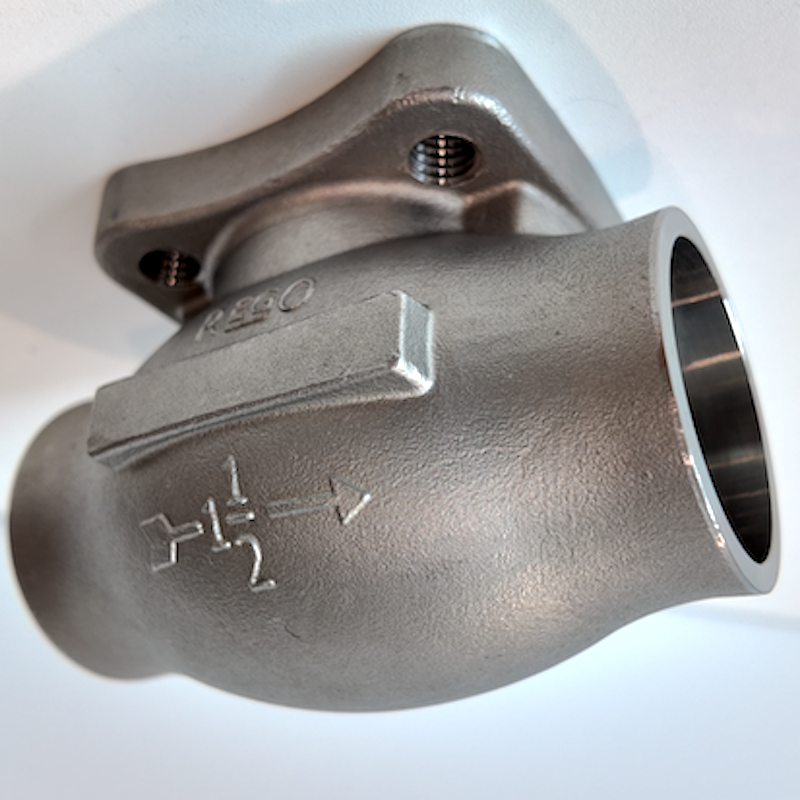
The combination of stainless steel alloys with the lost wax casting process delivers components that excel in demanding environments where lesser materials would quickly fail. Stainless steel itself is renowned for its chromium content, which forms a passive oxide layer on the surface that protects the underlying metal from corrosion, oxidation, and chemical attack. When this remarkable material is shaped through precision investment casting, you obtain parts that not only resist degradation but also maintain their dimensional stability and mechanical properties over extended service periods. This durability proves essential in marine applications where components face constant exposure to saltwater, which rapidly corrodes ordinary steel and many other metals. Stainless steel lost wax casting produces propeller hubs, valve bodies, and deck hardware that withstand years of harsh marine conditions without pitting, rust, or structural weakening. In chemical processing plants, valves, pump housings, and fittings cast from stainless steel resist attack from acids, bases, and organic solvents that would destroy alternative materials. The food and beverage industry relies on stainless steel lost wax casting for equipment that must meet strict hygiene standards while enduring repeated cleaning with hot water, steam, and sanitizing chemicals. The smooth, non-porous surfaces produced by this casting method prevent bacterial colonization and facilitate thorough cleaning, making these components ideal for breweries, dairy processors, and pharmaceutical manufacturing. Medical and surgical instruments cast from stainless steel through the lost wax process combine biocompatibility with the ability to withstand repeated sterilization cycles without degradation. Beyond corrosion resistance, stainless steel alloys offer excellent mechanical properties including high tensile strength, good fatigue resistance, and the ability to maintain performance across a wide temperature range. Austenitic stainless steels remain tough and ductile even at cryogenic temperatures, making them suitable for liquefied gas handling equipment, while martensitic grades can be heat-treated to achieve hardness levels appropriate for cutting tools and wear-resistant components. The lost wax casting process preserves these material properties because the controlled solidification in ceramic molds produces a fine-grained microstructure with minimal porosity and inclusions. This metallurgical integrity translates directly into reliable performance in your applications. When you select stainless steel lost wax casting, you invest in components that deliver long-term value through reduced maintenance requirements, extended replacement intervals, and sustained performance that protects your reputation and keeps your operations running smoothly.

 EN
EN