Exceptional Material Versatility and Metallurgical Quality
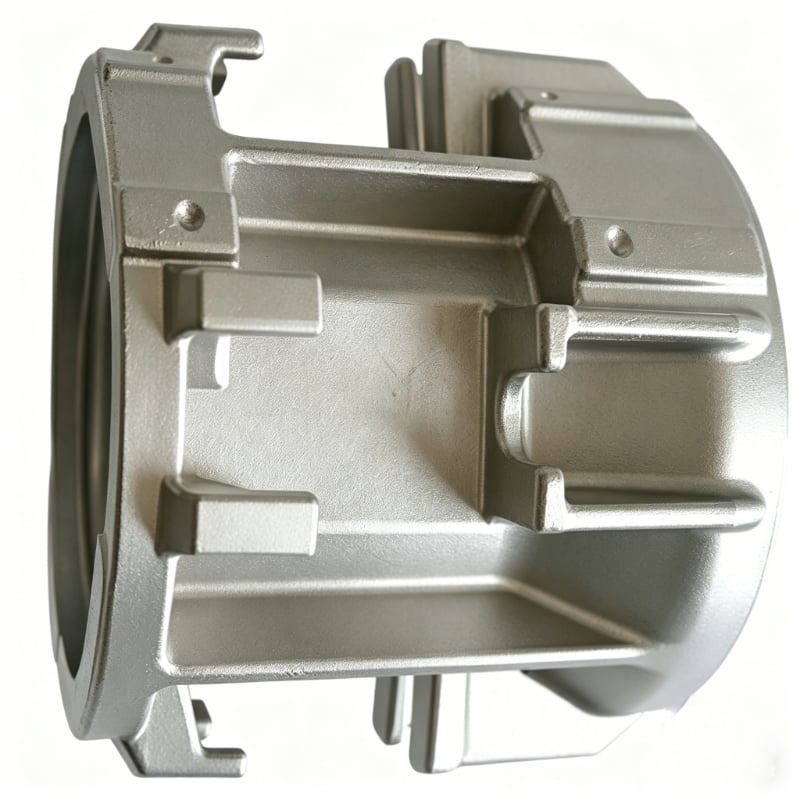
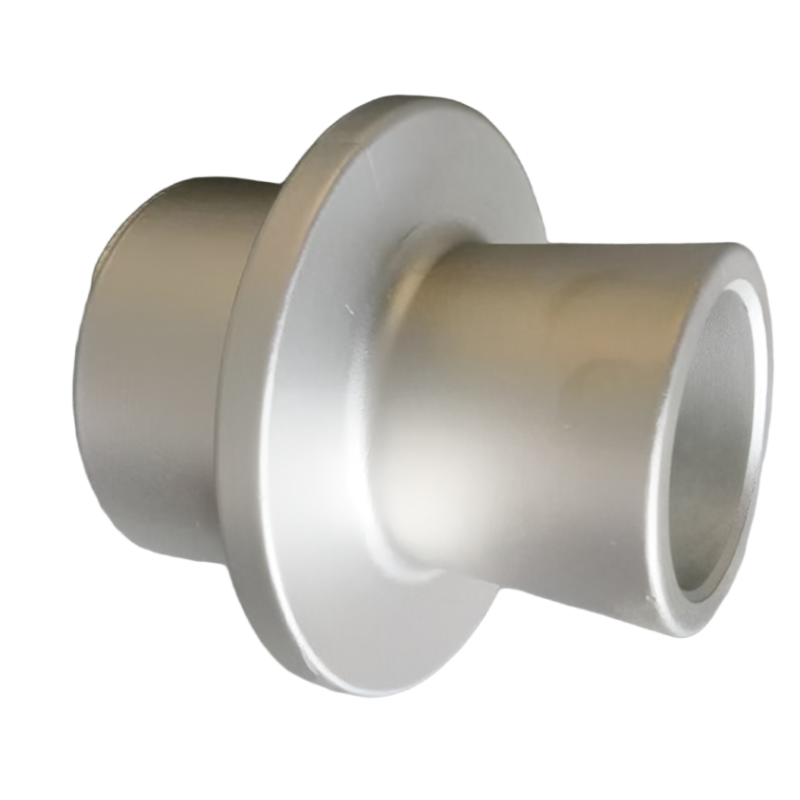
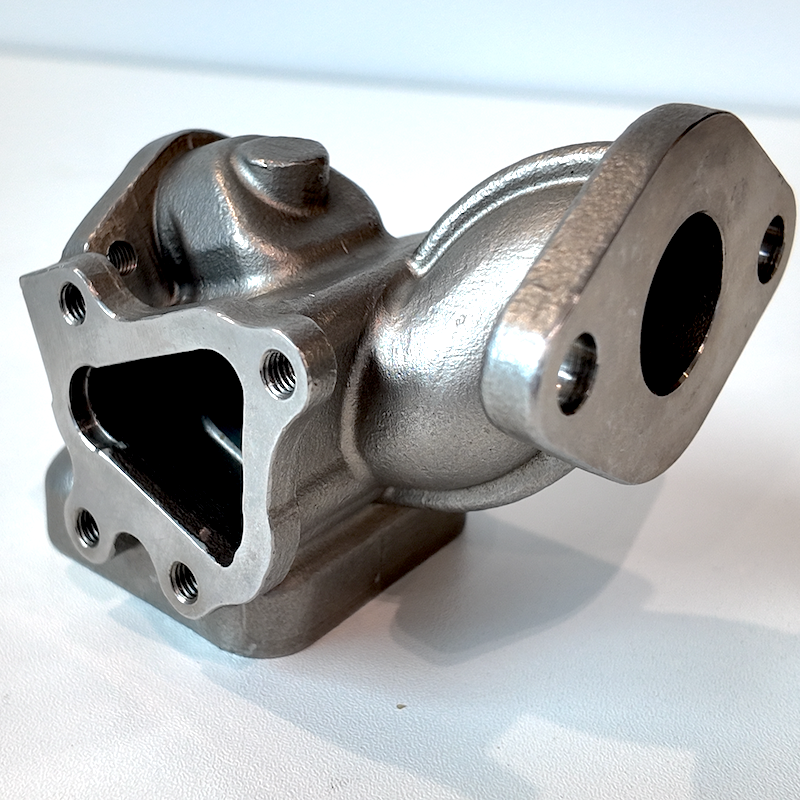
A defining strength of the lost wax casting foundry lies in its remarkable versatility regarding material selection and the superior metallurgical properties achieved in finished components. Unlike many manufacturing processes limited to specific material families, the lost wax casting foundry accommodates virtually any castable metal alloy, from common materials like stainless steel, carbon steel, and aluminum to exotic alloys including titanium, cobalt-chrome, Inconel, and specialized bronze formulations. This material flexibility empowers engineers to select the optimal alloy based on precise performance requirements rather than manufacturing constraints, ensuring components perform reliably under specific operating conditions. The lost wax casting foundry process produces parts with excellent metallurgical characteristics, featuring uniform grain structure, minimal porosity, and consistent mechanical properties throughout the component. The controlled solidification environment within ceramic molds allows metal to cool gradually and evenly, reducing internal stresses and preventing defects common in other casting methods. This results in components with predictable strength, ductility, and fatigue resistance that meet or exceed engineering specifications. For applications involving extreme temperatures, corrosive environments, or high mechanical stresses, the ability to cast superalloys in a lost wax casting foundry proves invaluable, enabling production of turbine blades, valve components, and chemical processing equipment that withstand punishing service conditions. The process also accommodates multiple alloys in a single production run, allowing manufacturers to optimize material selection for each component rather than standardizing on a single material for manufacturing convenience. Material efficiency represents another significant advantage, as the lost wax casting foundry typically achieves material utilization rates above ninety percent, with only small amounts lost to gating systems and runners. This efficiency proves especially important when working with expensive alloys where material costs represent a substantial portion of total component cost. The near-net-shape capability means minimal material must be removed through machining, further reducing waste and lowering material expenses. Quality assurance in the lost wax casting foundry includes rigorous metallurgical testing, with parts subject to chemical analysis, mechanical testing, and non-destructive examination to verify they meet specified requirements. This comprehensive quality control ensures components perform as designed across their service life. Industries such as oil and gas rely on lost wax casting foundry capabilities to produce corrosion-resistant valve bodies and pump components from duplex stainless steels and other specialized alloys. Medical implant manufacturers depend on the process to create biocompatible titanium and cobalt-chrome components that integrate safely with human tissue while providing necessary mechanical strength. The combination of material versatility, superior metallurgical properties, and efficient material usage makes the lost wax casting foundry an optimal choice for producing high-performance components across diverse applications and industries.

 EN
EN