Premium Aluminum Lost Wax Casting Services - Precision Investment Casting Solutions

Get a Free Quote

Our representative will contact you soon.
Email
Name
Company Name
Message
0/1000

aluminum lost wax casting services

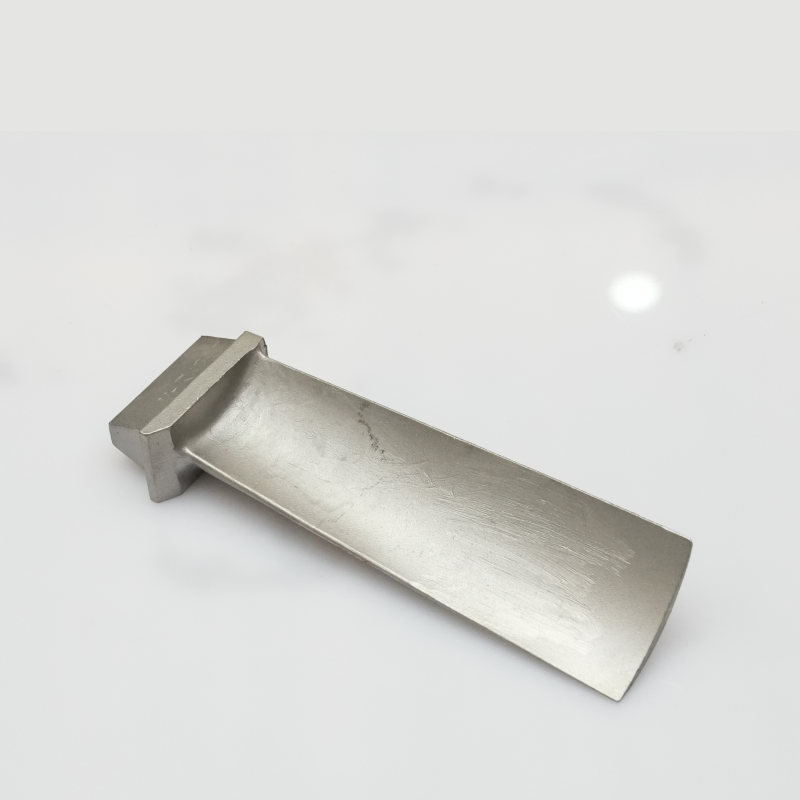
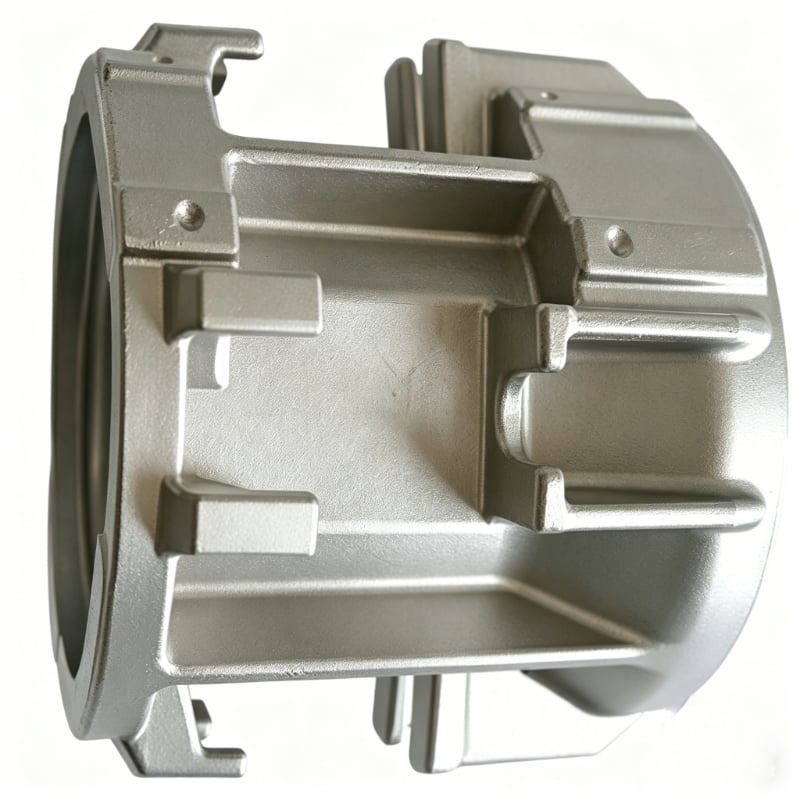
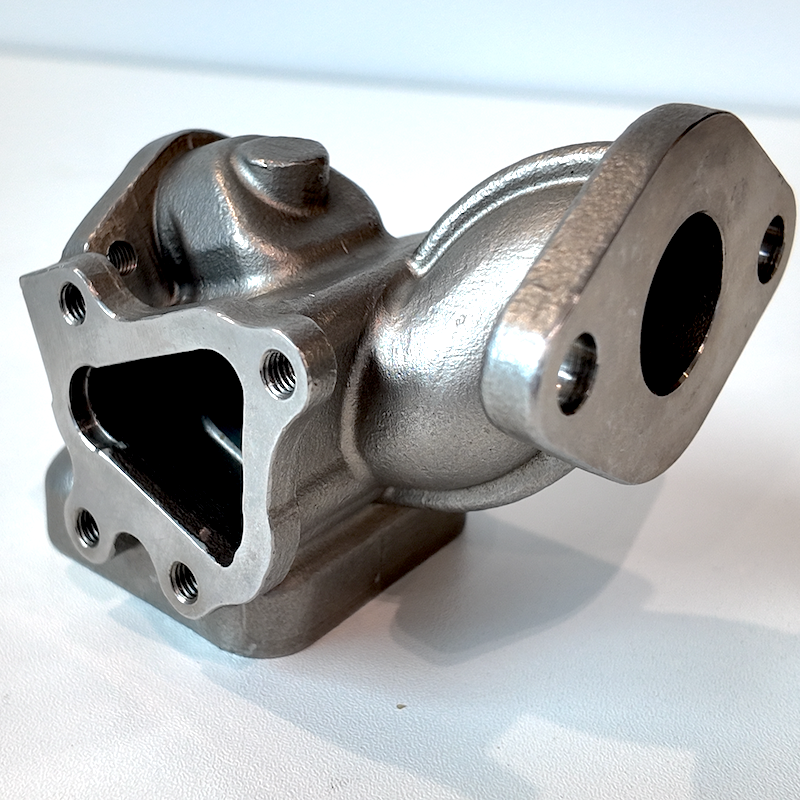
Aluminum lost wax casting services represent a sophisticated manufacturing process that transforms intricate designs into high-precision metal components. This ancient technique, modernized with contemporary technology, involves creating a detailed wax pattern that becomes encased in a ceramic shell. Once the shell hardens, the wax melts away, leaving a hollow cavity that perfectly mirrors the original design. Molten aluminum then fills this void, solidifying into a component with exceptional dimensional accuracy and surface finish. The main functions of aluminum lost wax casting services include producing complex geometries that would be impossible or cost-prohibitive through conventional machining, creating components with thin walls and intricate internal passages, and manufacturing parts with superior surface quality that often require minimal post-processing. Technological features of this process include the ability to cast aluminum alloys with wall thicknesses as thin as 0.75mm, maintaining tolerances as tight as plus or minus 0.127mm, and achieving surface finishes comparable to machined parts. The process accommodates various aluminum grades, from pure aluminum to specialized alloys containing copper, silicon, magnesium, or zinc, each offering distinct mechanical properties. Applications span diverse industries where lightweight yet durable components are essential. Aerospace manufacturers rely on aluminum lost wax casting services for turbine blades, structural brackets, and fuel system components. Medical device producers utilize this process for surgical instruments, orthopedic implants, and diagnostic equipment housings. Automotive engineers specify cast aluminum parts for transmission components, engine parts, and lightweight structural elements. The electronics industry depends on this manufacturing method for heat sinks, housings, and connector bodies. Artistic applications include sculpture creation, jewelry production, and architectural ornamentation. The versatility of aluminum lost wax casting services makes them indispensable for prototyping new designs, producing limited production runs, and manufacturing high-value components where performance justifies the investment in this precision casting methodology.

Popular Products

Choosing aluminum lost wax casting services delivers multiple practical benefits that directly impact your bottom line and product quality. First, this manufacturing approach dramatically reduces material waste compared to traditional machining operations. While subtractive manufacturing removes up to 90 percent of raw material as chips and shavings, the casting process uses nearly all the aluminum, with only gates and risers becoming scrap that can be recycled. This efficiency translates to lower material costs and reduced environmental impact. Second, the process eliminates expensive tooling requirements associated with other manufacturing methods. Unlike die casting that demands costly steel dies, or machining that requires extensive fixturing, aluminum lost wax casting services need only relatively inexpensive wax injection molds. This makes the process economically viable for small batch production and prototype development. Third, design freedom reaches unprecedented levels with this technology. Engineers can incorporate undercuts, internal cavities, threads, and complex organic shapes that would require multiple machining setups or prove entirely impossible with conventional methods. This capability accelerates innovation by removing traditional design constraints. Fourth, the finished components exhibit excellent mechanical properties. The casting process produces parts with uniform grain structure and minimal porosity, resulting in components that withstand stress, vibration, and thermal cycling. Fifth, surface finish quality emerges superior to most casting alternatives. Parts often come from the mold ready for use, requiring no additional finishing operations beyond basic cleaning. When cosmetic appearance matters, minimal polishing achieves mirror-like surfaces. Sixth, dimensional accuracy meets demanding specifications without secondary operations. Critical features maintain tight tolerances directly from the casting, reducing or eliminating machining requirements. Seventh, aluminum lost wax casting services accommodate rapid design iterations. Changes to wax patterns cost far less than modifying hard tooling, enabling designers to refine products quickly based on testing feedback. Eighth, the lightweight nature of aluminum combined with complex geometries creates opportunities for weight reduction that enhance fuel efficiency in vehicles, increase payload capacity in aircraft, and improve ergonomics in handheld devices. Ninth, production flexibility allows manufacturers to scale from single prototypes to thousands of pieces using the same basic process, adjusting only the number of wax patterns and shells processed simultaneously. Tenth, the global availability of aluminum lost wax casting services provides sourcing options that balance cost, lead time, and quality requirements, giving procurement teams strategic flexibility in supply chain management.

Practical Tips

Selection And Application Scope Of Hardness Tester

11

May

Selection And Application Scope Of Hardness Tester

View More
The Role Of Elements In Castings And The Order Of Addition

11

May

The Role Of Elements In Castings And The Order Of Addition

View More
Stainless Steel Castings for Building Facade Systems

11

May

Stainless Steel Castings for Building Facade Systems

View More
Precision Stainless Steel Exhaust Manifold Casting Solution For Luxury Sedan - With Japanese First-Tier Car Brand

11

May

Precision Stainless Steel Exhaust Manifold Casting Solution For Luxury Sedan - With Japanese First-Tier Car Brand

View More

Get a Free Quote

Our representative will contact you soon.
Email
Name
Company Name
Message
0/1000

aluminum lost wax casting services

Unmatched Geometric Complexity and Design Innovation

Unmatched Geometric Complexity and Design Innovation

Aluminum lost wax casting services excel at producing components with geometric complexity that pushes the boundaries of what traditional manufacturing can achieve. This capability stems from the unique nature of the process where designers work with wax rather than being constrained by tool access limitations or machine axis restrictions. The wax pattern can be sculpted, molded, or assembled from multiple pieces to create virtually any conceivable shape. Internal passages can wind through solid sections, walls can taper to paper-thin dimensions, and organic flowing curves can blend seamlessly with angular technical features. This design freedom proves particularly valuable in industries where form follows function in non-intuitive ways. Aerospace components often require internal cooling channels that follow heat distribution patterns, with passages that branch, merge, and curve through three-dimensional space. Medical instruments demand ergonomic handles that conform to human grip patterns while integrating complex internal mechanisms. Automotive parts must balance structural strength with weight reduction, achieved through strategic material placement that creates lattice-like internal architectures. The aluminum lost wax casting services process accommodates all these requirements without the dramatic cost penalties that such complexity would incur with machining. Each additional feature in a machined part represents another setup, another tool path, and more machine time. With investment casting, complexity comes nearly free since the wax pattern captures everything simultaneously. This economic reality fundamentally changes how engineers approach design problems. Rather than simplifying designs to make them manufacturable, designers can optimize for performance, knowing the casting process will faithfully reproduce their vision. The benefits extend beyond individual features to encompass assembly consolidation. Components that traditionally required multiple parts joined by fasteners, welds, or adhesives can often be redesigned as single cast pieces. This consolidation eliminates interfaces where failures often initiate, reduces assembly labor, and decreases inventory complexity. Weight savings compound as fasteners disappear and overlapping joint areas vanish. The reliability improvements from eliminating joints prove especially valuable in critical applications where failure consequences are severe. The aluminum lost wax casting services methodology supports these advanced designs through sophisticated pattern-making technologies including 3D printed wax patterns that translate digital models directly into physical form with exceptional accuracy and speed.
Superior Material Efficiency and Environmental Responsibility

Superior Material Efficiency and Environmental Responsibility

Environmental considerations increasingly influence manufacturing decisions as companies recognize both regulatory pressures and market expectations for sustainable practices. Aluminum lost wax casting services align perfectly with these imperatives by maximizing material utilization and minimizing waste generation throughout the production cycle. The fundamental efficiency advantage begins with the near-net-shape nature of cast components. Parts emerge from molds already close to final dimensions, requiring minimal additional material removal. This contrasts sharply with machining operations that start with oversized billets or bar stock and cut away substantial volumes to reveal the finished geometry. Industry studies consistently show that machining aerospace components from solid aluminum stock results in buy-to-fly ratios often exceeding ten-to-one, meaning ten pounds of raw material yields one pound of finished part. The remaining nine pounds become chips destined for recycling, a process that consumes significant energy. Aluminum lost wax casting services typically achieve buy-to-fly ratios below two-to-one, with only small gates, risers, and occasional defective castings leaving the value stream. The environmental benefits extend beyond simple material conservation. Aluminum recycling requires only five percent of the energy needed to produce primary aluminum from bauxite ore. However, recycling still demands substantial electrical input for melting and processing. By reducing the total aluminum requiring recycling, the casting approach lowers the overall energy footprint of component production. The ceramic shells used in aluminum lost wax casting services present minimal environmental concerns. Shell materials consist primarily of silica and alumina, both naturally occurring minerals that pose no toxicity issues. Spent shells can often be crushed and used as aggregate in construction applications or landfilled without special handling. Modern foundries increasingly implement closed-loop systems that capture and reuse shell materials, further reducing waste. Water consumption, another critical environmental metric, remains modest in investment casting compared to processes requiring extensive coolant systems. The casting operation itself uses no water, while shell making and cleaning operations employ recirculating systems that minimize fresh water demand. Responsible foundries offering aluminum lost wax casting services also implement comprehensive air quality management systems. Furnace emissions undergo filtration to capture particulates, while vapor capture systems prevent volatile organic compounds from pattern burnout from entering the atmosphere. These environmental advantages complement the business case for aluminum lost wax casting services, creating situations where ecological responsibility and economic performance reinforce rather than conflict with each other, an increasingly rare and valuable alignment.
Exceptional Surface Quality and Mechanical Performance

Exceptional Surface Quality and Mechanical Performance

The surface characteristics and internal integrity of cast components directly determine their functional performance and service life. Aluminum lost wax casting services deliver exceptional quality in both dimensions, producing parts that meet or exceed the performance of wrought and machined alternatives while offering significant cost and design advantages. Surface finish quality begins with the smooth ceramic shell that forms the mold cavity. Unlike sand casting where rough sand grains imprint their texture onto the metal surface, the fine ceramic slurry used in investment casting creates a dense, smooth mold face. When molten aluminum contacts this surface, it replicates the smoothness with remarkable fidelity. Typical as-cast surface roughness measures between 125 and 250 microinches Ra, comparable to moderate-quality machining operations. This inherent smoothness eliminates or minimizes secondary finishing operations. Components used in internal mechanisms often require no additional surface treatment beyond basic cleaning. Parts with cosmetic exposure need only light polishing to achieve attractive appearances. The economic implications prove substantial since finishing operations add cost, extend lead times, and introduce opportunities for dimensional deviation or surface damage. Beyond surface texture, the casting process produces clean external geometries without the tool marks, chatter patterns, or witness lines that characterize machined surfaces. Sharp edges and fine details emerge crisply defined, faithfully reproducing the wax pattern with precision. This dimensional accuracy extends to critical functional features including bearing surfaces, sealing faces, and mounting interfaces. Mechanical properties of aluminum castings from the lost wax process equal or surpass those of competing manufacturing methods. The controlled solidification environment allows metallurgists to optimize grain structure through careful alloy selection and cooling rate management. Fine, uniform grains distributed evenly throughout the cross-section create components with consistent strength in all directions. This isotropy contrasts with wrought products that exhibit directional properties based on rolling or extrusion direction. Internal soundness ranks among the most critical quality attributes since subsurface defects compromise structural integrity. Aluminum lost wax casting services employ sophisticated process controls to minimize porosity and inclusions. Vacuum-assisted pouring removes dissolved gases that would otherwise form bubbles. Careful gating design promotes progressive solidification that feeds shrinkage and prevents void formation. Non-destructive testing including radiography and ultrasonic inspection verifies internal quality, providing documented assurance that components meet specification requirements. Heat treatment capabilities further enhance mechanical properties, allowing foundries to solution treat and age harden aluminum castings to achieve strength levels approaching those of aerospace-grade wrought alloys while retaining the geometric advantages that make aluminum lost wax casting services the preferred manufacturing approach for demanding applications.

Get a Free Quote

Our representative will contact you soon.
Email
Name
Company Name
Message
0/1000