Unparalleled Geometric Complexity and Design Innovation
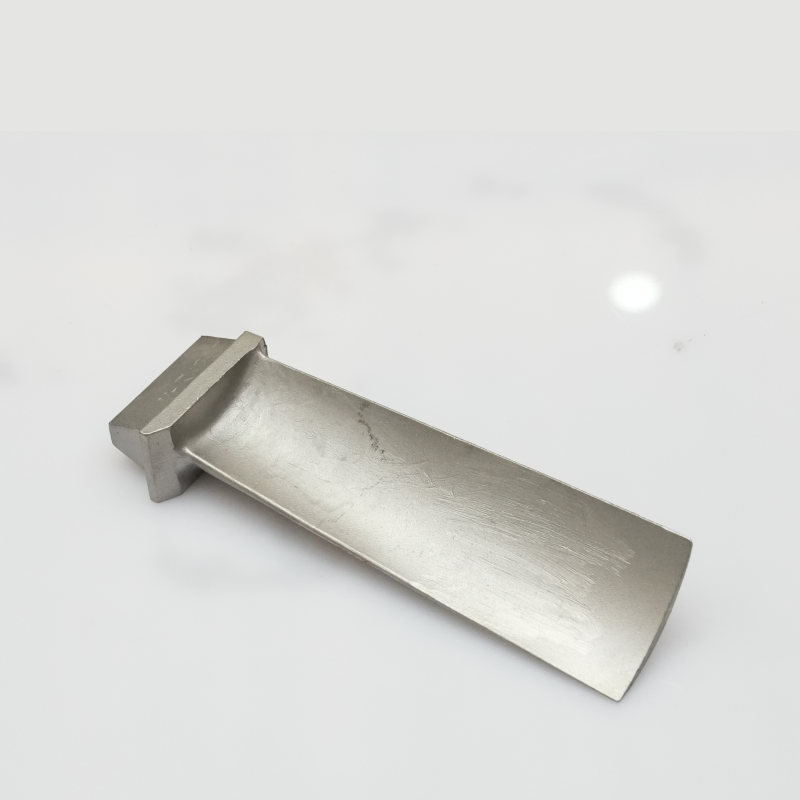
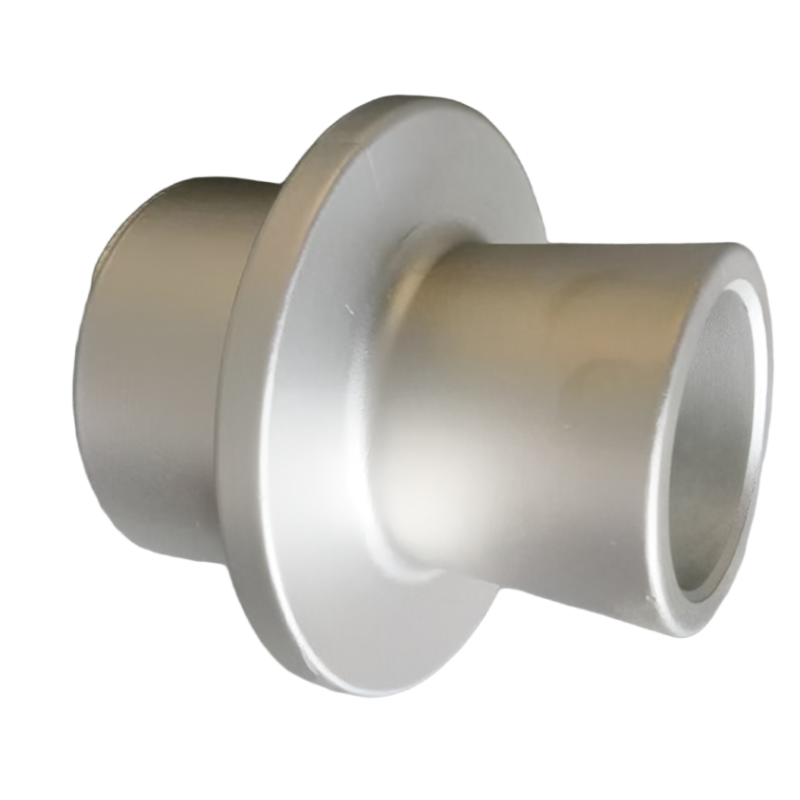
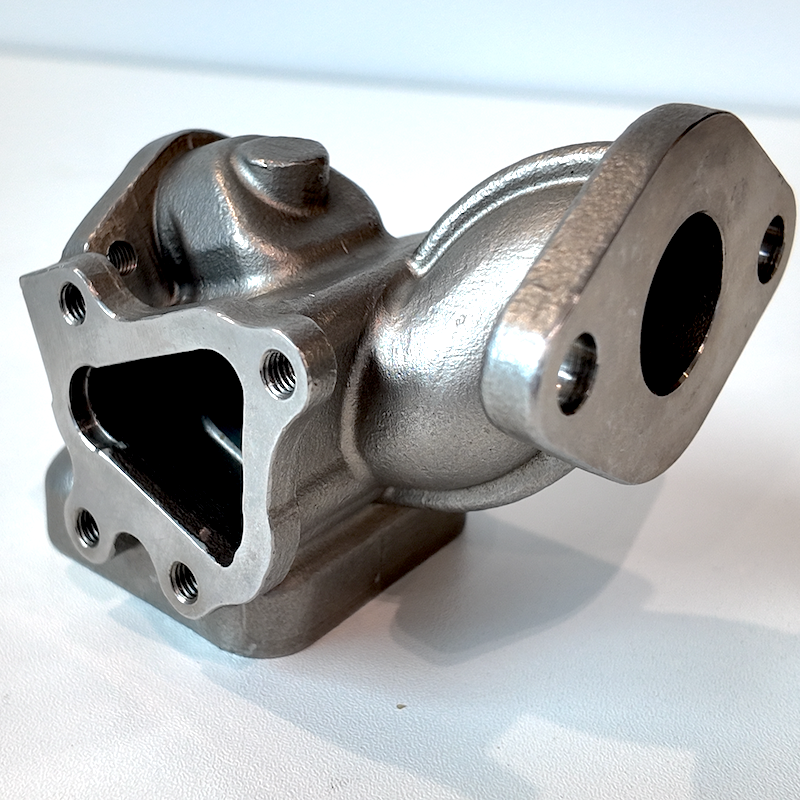
The precision lost wax casting foundry stands apart from conventional manufacturing methods through its extraordinary ability to produce components with geometric complexity that pushes the boundaries of what is physically possible in metal fabrication. This capability stems from the fundamental nature of the investment casting process, where liquid wax can be injected into molds featuring incredibly intricate details, and subsequently, molten metal flows into every microscopic cavity left behind. Engineers and designers working with a precision lost wax casting foundry gain freedom to innovate without the constraints imposed by machining limitations or die-casting draft requirements. You can incorporate internal cooling channels that follow organic, curved paths through solid metal structures, create lattice frameworks that optimize strength while minimizing weight, and design parts with variable wall thicknesses that transition smoothly from robust load-bearing sections to delicate functional features. This design liberation proves particularly valuable in aerospace applications where every gram of weight savings translates into fuel efficiency gains, and in medical devices where anatomical complexity demands manufacturing methods capable of replicating natural forms. The precision lost wax casting foundry enables the consolidation of assemblies that traditionally required dozens of separate components joined through welding, brazing, or mechanical fasteners. By casting these elements as unified structures, you eliminate potential failure points, reduce assembly labor, and improve overall product reliability. Surface textures can be directly incorporated into castings, including logos, part numbers, grip surfaces, and decorative patterns, eliminating secondary operations and their associated costs. Undercuts, re-entrant angles, and features that would require complex multi-axis machining or would simply be impossible to create through material removal processes present no obstacles for the precision lost wax casting foundry. This manufacturing approach supports organic, biomimetic designs inspired by nature's efficient structures, enabling the creation of components with branching internal passages similar to vascular systems or honeycomb strengthening patterns that maximize rigidity while conserving material. The precision achievable in capturing fine details means threads, splines, and gear teeth can be cast directly into parts, though critical dimensions may require minor finishing. For prototyping and product development, the precision lost wax casting foundry offers rapid iteration capabilities, allowing designers to physically test complex geometries quickly and affordably before committing to high-volume production tooling.

 EN
EN