Precision Lost Wax Casting Foundry Services - High-Quality Investment Casting Solutions

Get a Free Quote

Our representative will contact you soon.
Email
Name
Company Name
Message
0/1000

precision lost wax casting foundry

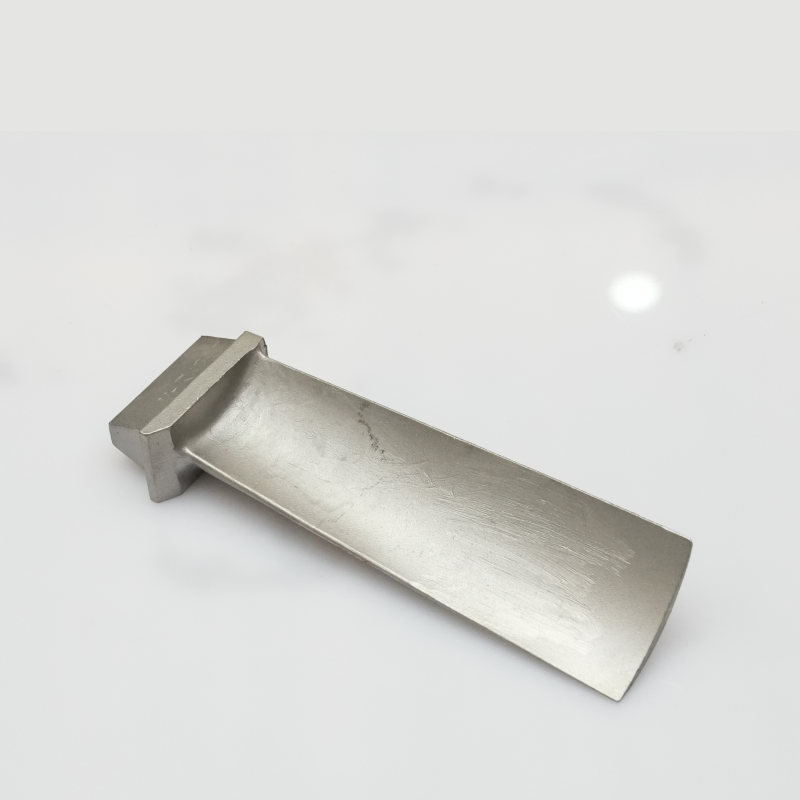
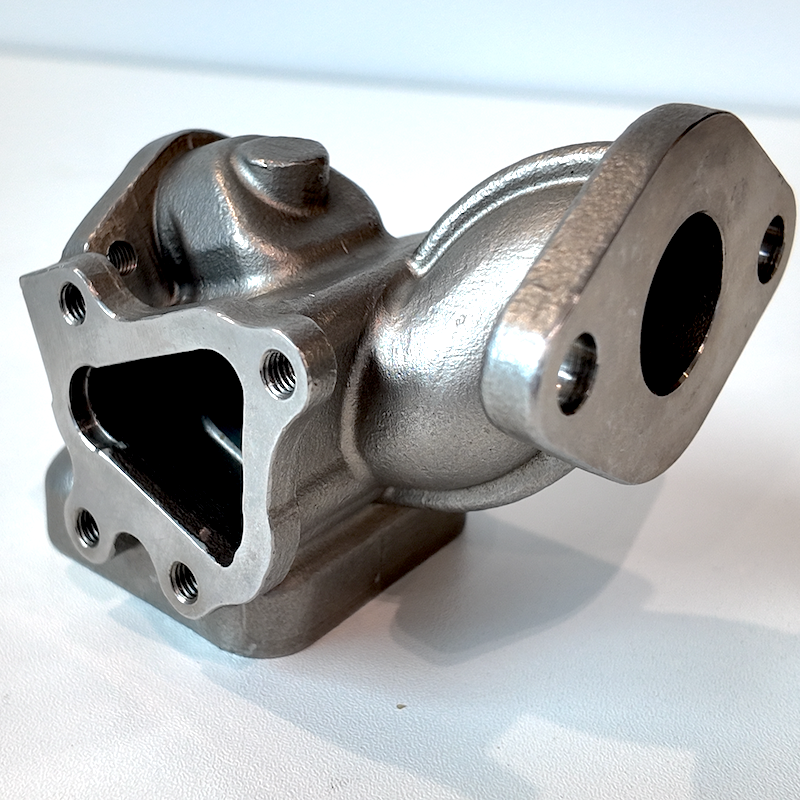
A precision lost wax casting foundry represents a sophisticated manufacturing facility that specializes in producing intricate metal components through the investment casting process. This advanced foundry combines traditional craftsmanship with modern technology to create parts with exceptional accuracy and surface finish. The main function of a precision lost wax casting foundry is to transform complex designs into physical metal parts by creating a wax pattern, coating it with ceramic material, melting away the wax, and pouring molten metal into the resulting cavity. This method allows manufacturers to produce components with tight tolerances, complex geometries, and minimal post-processing requirements. The technological features of a precision lost wax casting foundry include state-of-the-art wax injection systems, automated shell building equipment, computer-controlled furnaces, and advanced melting technologies. These facilities typically work with various metals including stainless steel, carbon steel, aluminum alloys, bronze, brass, and specialized superalloys. The casting process begins with creating master patterns, followed by producing wax replicas, assembling them into tree configurations, applying ceramic shells in multiple layers, dewaxing in autoclaves, firing the shells to high temperatures, pouring molten metal, and finally removing the shells to reveal finished castings. Applications of precision lost wax casting foundry services span numerous industries including aerospace, medical devices, automotive manufacturing, industrial machinery, defense systems, energy production, and artistic sculptures. The aerospace sector relies heavily on this technology for producing turbine blades, structural components, and engine parts that demand exceptional strength-to-weight ratios. Medical equipment manufacturers utilize precision lost wax casting foundry capabilities to create surgical instruments, implants, and diagnostic equipment components. The automotive industry benefits from this process for manufacturing transmission parts, turbocharger components, and specialized engine elements. Industrial applications include pump housings, valve bodies, and complex fittings that require precise dimensions and excellent mechanical properties.

New Product Recommendations

The precision lost wax casting foundry offers numerous practical benefits that directly impact your production efficiency and product quality. First, this manufacturing method delivers exceptional dimensional accuracy, allowing you to receive parts that closely match your exact specifications without extensive machining. This accuracy translates into reduced material waste and lower overall production costs. You save money because components require minimal finishing work after casting, cutting down on labor hours and secondary operations. The process excels at creating complex shapes that would be difficult or impossible to produce through other manufacturing methods. You can design parts with intricate internal passages, undercuts, thin walls, and detailed surface features without worrying about tooling limitations. This design freedom enables innovation and allows engineers to optimize component performance without compromise. Another significant advantage involves material versatility, as the precision lost wax casting foundry works with an extensive range of metals and alloys. You can select the exact material that meets your performance requirements, whether you need corrosion resistance, high temperature strength, or specific mechanical properties. The casting process maintains material integrity throughout production, ensuring consistent quality across every part. Surface finish quality represents another compelling benefit, with cast components emerging with smooth surfaces that often meet final specifications without additional polishing. This superior finish reduces friction in moving parts, improves aesthetic appearance, and eliminates surface defects that could compromise performance. Production flexibility allows you to order both small prototype batches and large production runs economically. Unlike processes requiring expensive permanent tooling, the precision lost wax casting foundry accommodates varying quantities without prohibitive setup costs. This scalability helps you manage inventory efficiently and respond quickly to market demands. Time efficiency proves advantageous as well, with the ability to produce multiple parts simultaneously in a single casting cycle. You receive components faster compared to sequential machining operations, accelerating your time to market. The process also eliminates the need for assembly in many cases, as you can cast multiple features into a single piece rather than fabricating assemblies from separate components. This consolidation reduces assembly time, eliminates potential failure points, and simplifies your supply chain management. Quality consistency remains remarkably high throughout production runs because the precision lost wax casting foundry uses controlled processes that minimize variation. You receive parts with predictable properties and reliable performance, reducing rejection rates and warranty concerns. Environmental considerations favor this method too, as the process generates less waste compared to subtractive manufacturing techniques and allows for efficient recycling of both wax and excess metal.

Latest News

Basic Principles Of Design Of Precision Casting Gating System

11

May

Basic Principles Of Design Of Precision Casting Gating System

View More
The Role Of Elements In Castings And The Order Of Addition

11

May

The Role Of Elements In Castings And The Order Of Addition

View More
Stainless Steel Castings for Building Facade Systems

11

May

Stainless Steel Castings for Building Facade Systems

View More
Precision Stainless Steel Exhaust Manifold Casting Solution For Luxury Sedan - With Japanese First-Tier Car Brand

11

May

Precision Stainless Steel Exhaust Manifold Casting Solution For Luxury Sedan - With Japanese First-Tier Car Brand

View More

Get a Free Quote

Our representative will contact you soon.
Email
Name
Company Name
Message
0/1000

precision lost wax casting foundry

Unmatched Geometric Complexity and Design Freedom

Unmatched Geometric Complexity and Design Freedom

The precision lost wax casting foundry stands out prominently for its ability to produce components with geometric complexity that challenges conventional manufacturing boundaries. This capability stems from the fundamental nature of the investment casting process, where liquid wax easily flows into intricate mold cavities, capturing the finest details with remarkable fidelity. Engineers and designers appreciate this advantage because it removes traditional constraints that limit creativity and functional optimization. When you work with a precision lost wax casting foundry, you can incorporate features such as internal cooling channels, complex curved surfaces, variable wall thickness, and integrated mounting points all within a single component. This consolidation eliminates the need for multiple parts and assembly operations, reducing both production time and potential points of failure. The technology proves particularly valuable when designing parts that must fit within tight spatial constraints or when creating components that combine multiple functions. For example, aerospace applications frequently require components with internal lattice structures that reduce weight while maintaining strength, something easily achieved through precision lost wax casting foundry processes. Medical device manufacturers benefit similarly, creating surgical tools with ergonomic handles, precise cutting edges, and internal channels in one seamless piece. The process accommodates wall thickness variations from extremely thin sections measuring just millimeters to robust structural areas within the same casting, providing engineers with unprecedented flexibility. Sharp corners, deep recesses, threads, logos, and identification marks can all be cast directly into parts, eliminating secondary operations that add cost and time. This geometric freedom extends to creating parts with undercuts and internal features that would require complex core arrangements or prove impossible with other methods. The precision lost wax casting foundry makes these challenging geometries routine production items rather than expensive special cases. Furthermore, this complexity does not compromise surface quality or dimensional accuracy, as the ceramic shell process captures details down to microscopic levels. Manufacturers working in competitive markets find this capability essential for differentiating their products through innovative designs that competitors cannot easily replicate using conventional manufacturing. The ability to rapidly prototype complex designs and then seamlessly transition to production volumes provides strategic advantages in fast-moving industries where time-to-market determines success.
Superior Material Properties and Metallurgical Excellence

Superior Material Properties and Metallurgical Excellence

A precision lost wax casting foundry delivers exceptional material properties that meet the demanding requirements of critical applications across multiple industries. The metallurgical advantages begin with the casting process itself, which allows molten metal to fill molds completely under controlled conditions, creating dense, uniform microstructures throughout each component. This consistency ensures that mechanical properties such as tensile strength, yield strength, hardness, and impact resistance remain predictable and reliable across production runs. The precision lost wax casting foundry works with an impressive array of materials, from common stainless steels and carbon steels to exotic superalloys designed for extreme environments. This material versatility means you can specify exactly the alloy composition that meets your performance criteria without compromise. High-temperature applications benefit from nickel-based superalloys that maintain strength and resist oxidation at elevated temperatures, while corrosive environments call for specialized stainless steel grades with enhanced resistance to chemical attack. The controlled solidification process inherent to precision lost wax casting foundry operations minimizes internal defects such as porosity, inclusions, and segregation that can weaken components and lead to premature failure. Advanced foundries employ vacuum melting and pouring techniques that further enhance material purity by removing dissolved gases and preventing oxidation during casting. This attention to metallurgical quality proves critical in safety-sensitive applications where component failure could result in catastrophic consequences. The heat treatment capabilities integrated within precision lost wax casting foundry operations allow for tailoring material properties to specific applications through processes such as solution annealing, aging, stress relieving, and hardening. These thermal processes optimize the microstructure, relieving residual stresses while developing desired combinations of strength, ductility, and toughness. Testing and quality assurance protocols employed by professional foundries include spectrographic analysis to verify alloy composition, mechanical testing to confirm strength properties, and non-destructive examination techniques such as radiography and penetrant testing to detect any internal or surface defects. This comprehensive quality control ensures that every component leaving the precision lost wax casting foundry meets or exceeds specified requirements. The grain structure achieved through controlled solidification and subsequent heat treatment provides excellent fatigue resistance, making cast components suitable for cyclically loaded applications such as rotating machinery, reciprocating engines, and structural members subjected to vibration. Corrosion resistance in cast alloys often surpasses that of wrought equivalents because the uniform composition eliminates the directional properties and residual stresses introduced by mechanical working processes.
Cost-Effectiveness Through Reduced Machining and Streamlined Production

Cost-Effectiveness Through Reduced Machining and Streamlined Production

The economic advantages offered by a precision lost wax casting foundry extend far beyond the initial piece price, delivering substantial cost savings throughout the entire product lifecycle. Traditional manufacturing approaches often require extensive machining operations that remove significant amounts of material to achieve final part geometry, essentially converting expensive raw material into waste chips. In contrast, the precision lost wax casting foundry produces near-net-shape components that closely approximate final dimensions, dramatically reducing the amount of machining required. This material efficiency translates directly into cost savings, particularly when working with expensive alloys where raw material represents a significant portion of total part cost. The reduction in machining operations yields additional benefits beyond material savings, as fewer manufacturing steps mean reduced labor costs, shorter production times, and less equipment utilization. Complex parts that might require multiple setups on different machines can often be cast complete or near-complete, eliminating positioning errors and reducing cumulative tolerances that result from sequential operations. Setup costs for the precision lost wax casting foundry prove economical even for moderate production quantities because tooling consists primarily of relatively inexpensive dies for wax pattern production rather than costly hardened steel molds or extensive machining fixtures. This makes the process viable for both prototype development and full-scale production, allowing companies to use the same manufacturing method from initial design validation through ongoing production. The ability to cast multiple parts simultaneously on a single tree further enhances cost-effectiveness by spreading fixed costs across numerous components in each casting cycle. Quality-related costs decrease as well because the precision lost wax casting foundry produces consistent parts with minimal variation, reducing inspection time, lowering rejection rates, and virtually eliminating the expensive rework often associated with machined components. The superior surface finish achieved directly from casting often meets final specifications without additional polishing or finishing operations, saving both time and money while ensuring consistent appearance across all parts. Inventory management becomes more efficient when working with a precision lost wax casting foundry because the ability to produce complex assemblies as single castings reduces the number of separate components requiring storage, tracking, and handling. This consolidation simplifies supply chain logistics and reduces the working capital tied up in component inventory. Long-term cost advantages include reduced maintenance and replacement expenses because cast components often exhibit superior durability compared to fabricated assemblies with welded or fastened joints that may loosen, corrode, or fail over time. The monolithic nature of cast parts eliminates these potential failure modes, extending service life and reducing total cost of ownership for end users. Engineering costs benefit as well, since the design freedom afforded by precision lost wax casting foundry processes allows engineers to optimize part geometry for functional performance without the constraints imposed by machining limitations, resulting in better-performing products that may command premium prices in the marketplace.

Get a Free Quote

Our representative will contact you soon.
Email
Name
Company Name
Message
0/1000