Kompleksitas Geometris dan Inovasi Desain yang Tak Tertandingi
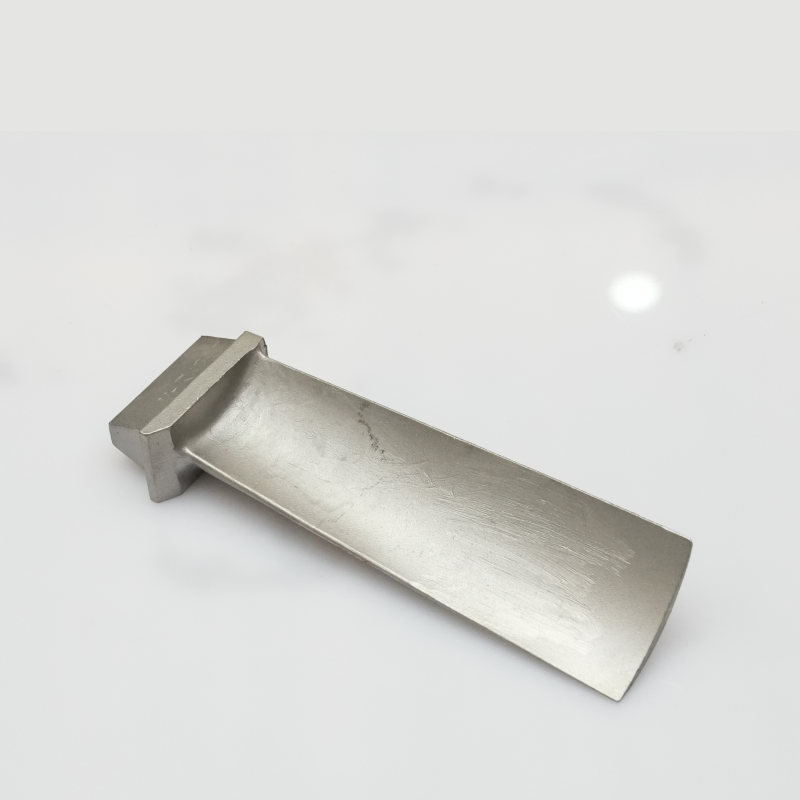
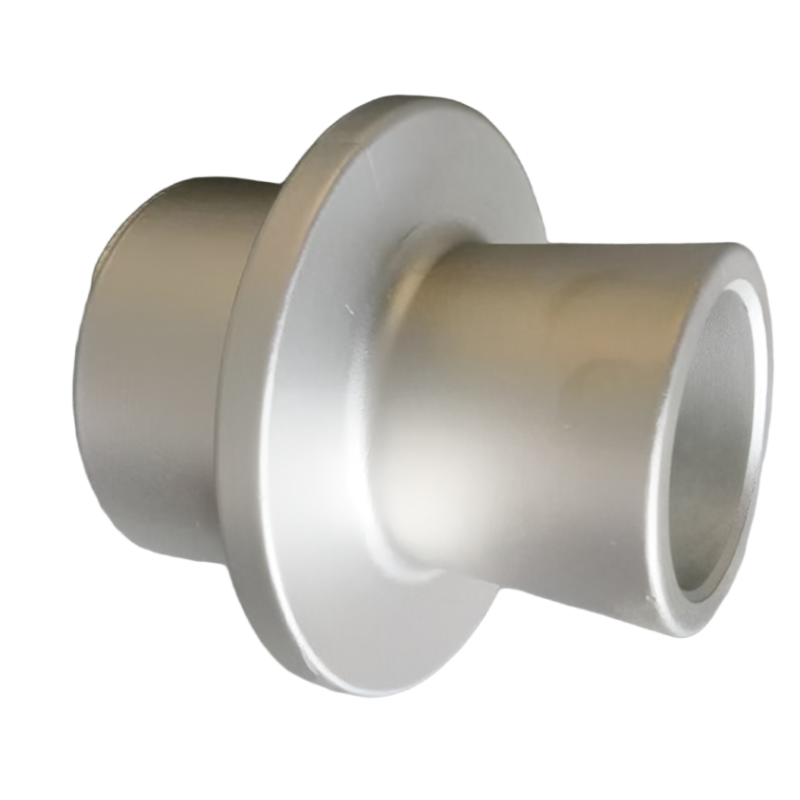
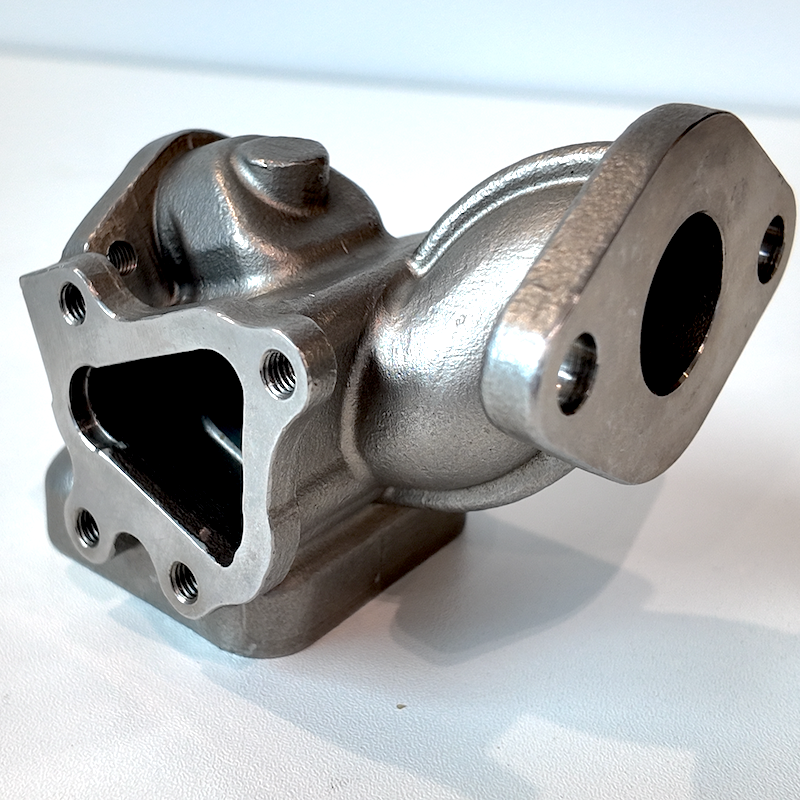
Pabrik pengecoran dengan metode lost wax presisi membedakan dirinya dari metode manufaktur konvensional melalui kemampuan luar biasanya dalam memproduksi komponen dengan kompleksitas geometris yang mendorong batas-batas kelayakan fisik dalam fabrikasi logam. Kemampuan ini berasal dari sifat mendasar proses pengecoran investasi, di mana lilin cair dapat disuntikkan ke dalam cetakan yang memiliki detail sangat rumit, dan selanjutnya logam cair mengalir ke setiap rongga mikroskopis yang ditinggalkan. Insinyur dan desainer yang bekerja sama dengan pabrik pengecoran lost wax presisi memperoleh kebebasan berinovasi tanpa kendala yang ditimbulkan oleh batasan pemesinan atau kebutuhan draft pada pengecoran die-casting. Anda dapat mengintegrasikan saluran pendingin internal yang mengikuti jalur organik dan melengkung melalui struktur logam padat, menciptakan kerangka berbentuk kisi (lattice) yang mengoptimalkan kekuatan sekaligus meminimalkan berat, serta mendesain komponen dengan ketebalan dinding bervariasi yang beralih secara halus dari bagian penahan beban yang kokoh menuju fitur fungsional yang halus. Kebebasan desain semacam ini terbukti sangat bernilai dalam aplikasi kedirgantaraan, di mana setiap gram penghematan berat berkontribusi langsung terhadap peningkatan efisiensi bahan bakar, serta dalam perangkat medis, di mana kompleksitas anatomi menuntut metode manufaktur yang mampu mereplikasi bentuk alami. Pabrik pengecoran lost wax presisi memungkinkan konsolidasi perakitan yang secara tradisional memerlukan puluhan komponen terpisah yang digabungkan melalui pengelasan, pematrian, atau pengencang mekanis. Dengan mengecor elemen-elemen tersebut sebagai struktur terpadu, Anda menghilangkan titik kegagalan potensial, mengurangi tenaga kerja perakitan, serta meningkatkan keandalan keseluruhan produk. Tekstur permukaan dapat diintegrasikan secara langsung ke dalam coran, termasuk logo, nomor bagian, permukaan pegangan, dan pola dekoratif, sehingga menghilangkan operasi sekunder beserta biaya terkaitnya. Undercut, sudut re-entrant, dan fitur-fitur lain yang memerlukan pemesinan multi-sumbu kompleks atau bahkan mustahil dibuat melalui proses penghilangan material sama sekali bukan menjadi hambatan bagi pabrik pengecoran lost wax presisi. Pendekatan manufaktur ini mendukung desain organik dan biomimetik yang terinspirasi oleh struktur efisien alam, memungkinkan pembuatan komponen dengan saluran internal bercabang mirip sistem vaskular atau pola penguatan berbentuk sarang lebah yang memaksimalkan kekakuan sekaligus menghemat material. Presisi yang dicapai dalam menangkap detail halus berarti ulir, spline, dan gigi roda gigi dapat dicor langsung ke dalam komponen, meskipun dimensi kritis mungkin memerlukan sedikit proses finishing. Untuk prototipe dan pengembangan produk, pabrik pengecoran lost wax presisi menawarkan kemampuan iterasi cepat, memungkinkan para desainer menguji secara fisik geometri kompleks secara cepat dan terjangkau sebelum beralih ke peralatan produksi volume tinggi.

 EN
EN