Versatile Material Selection Supporting Diverse Application Requirements
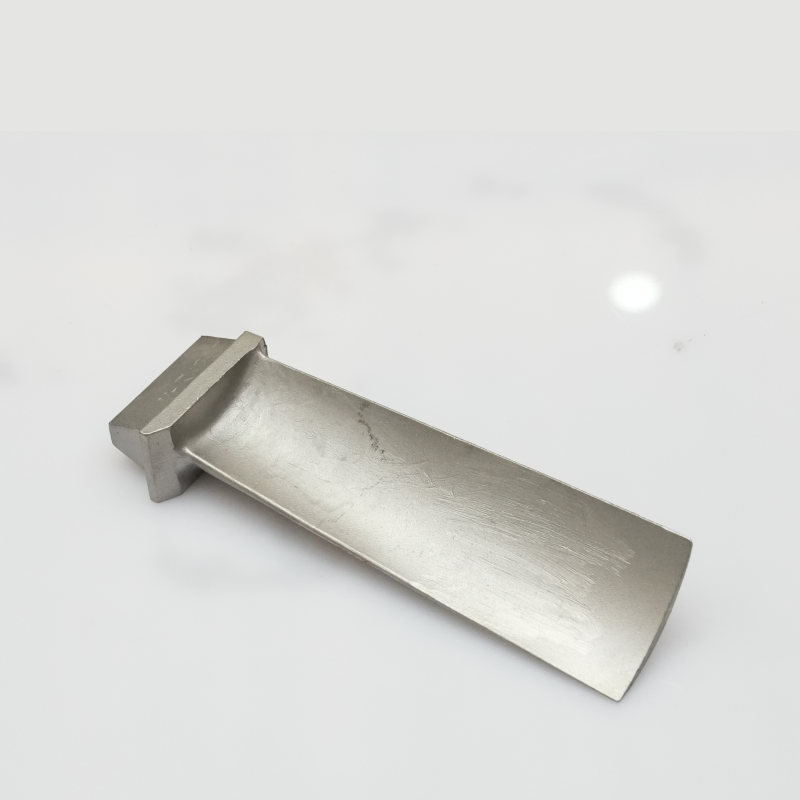
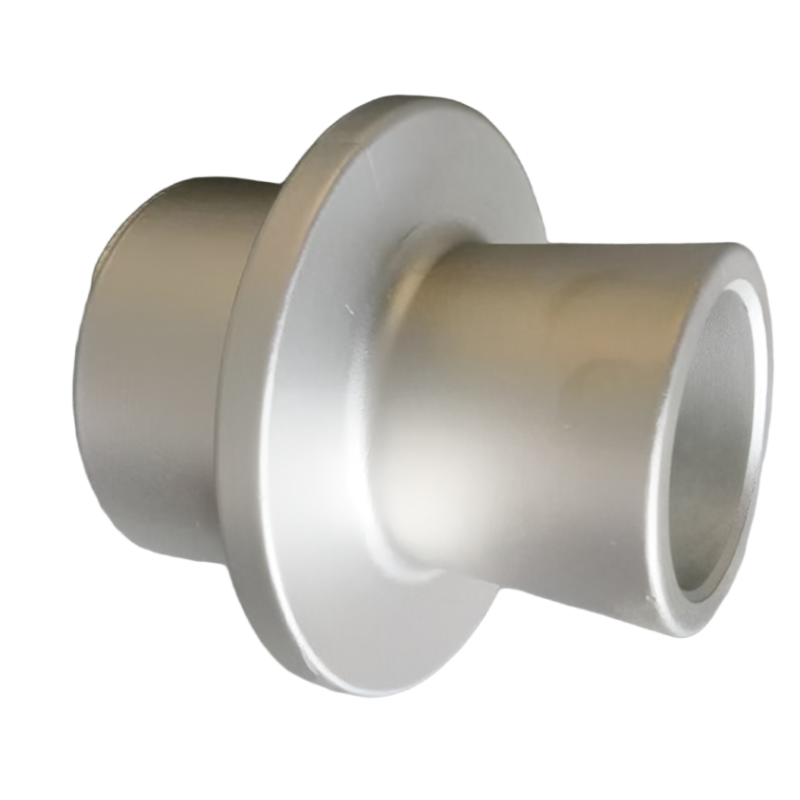
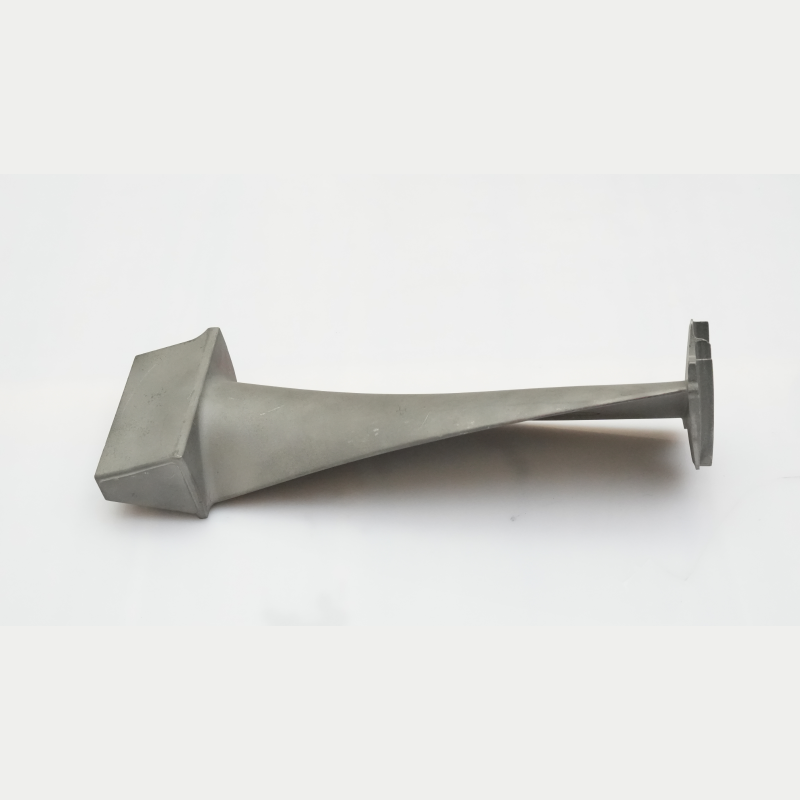
A professional investment casting manufacturer offers extraordinary material versatility that empowers design engineers to select the optimal alloy for specific performance requirements without being constrained by manufacturing process limitations. This materials flexibility represents one of the most strategically valuable capabilities an investment casting manufacturer brings to product development initiatives, as the process accommodates virtually any metal or alloy that can be melted and poured, including many materials that present significant challenges for conventional machining or other casting methods. Common materials processed by an investment casting manufacturer include the complete spectrum of stainless steel grades from austenitic types like 304 and 316 for corrosion resistance applications, through martensitic grades such as 410 and 17-4PH for strength and hardness requirements, to precipitation-hardening alloys like 15-5PH and 13-8Mo for aerospace applications demanding high strength-to-weight ratios. Carbon steel and alloy steel castings from an investment casting manufacturer serve applications requiring cost-effective strength and wear resistance, with the process accommodating everything from low-carbon grades for structural components to high-carbon tool steels for cutting and forming applications. Aluminum alloys represent another major material category, with an investment casting manufacturer capable of working with various aluminum-silicon, aluminum-copper, and aluminum-magnesium formulations that provide lightweight alternatives for automotive, aerospace, and consumer product applications where weight reduction drives design decisions. Copper-based alloys including bronze, brass, and specialized copper-nickel alloys from an investment casting manufacturer find extensive use in marine environments, electrical applications, and decorative components where the unique properties of copper alloys provide functional or aesthetic advantages. Superalloys constitute perhaps the most impressive demonstration of an investment casting manufacturer's materials expertise, as these manufacturers routinely work with nickel-based, cobalt-based, and iron-based superalloys that maintain mechanical properties at elevated temperatures far beyond the capability of conventional materials. These exotic alloys enable turbine components, exhaust system parts, and other high-temperature applications that would be impossible with standard materials. An investment casting manufacturer also works with specialized materials including titanium alloys for aerospace and medical applications requiring exceptional strength-to-weight ratios and biocompatibility, tool steels for wear-resistant components, and precious metal alloys for jewelry and specialized industrial applications. The materials expertise of an investment casting manufacturer extends beyond simply pouring different alloys, encompassing sophisticated understanding of alloy behavior during solidification, heat treatment requirements to achieve desired mechanical properties, and compatibility between materials and specific application environments. This knowledge allows the investment casting manufacturer to recommend optimal material selections based on functional requirements, environmental conditions, regulatory compliance needs, and cost considerations, supporting value engineering initiatives that balance performance against economic constraints while ensuring long-term reliability.

 EN
EN