Professional Die Casting Manufacturer | Precision Metal Components & Custom Solutions

Get a Free Quote

Our representative will contact you soon.
Email
Name
Mobile
Company Name
Message
0/1000

die casting manufacturer

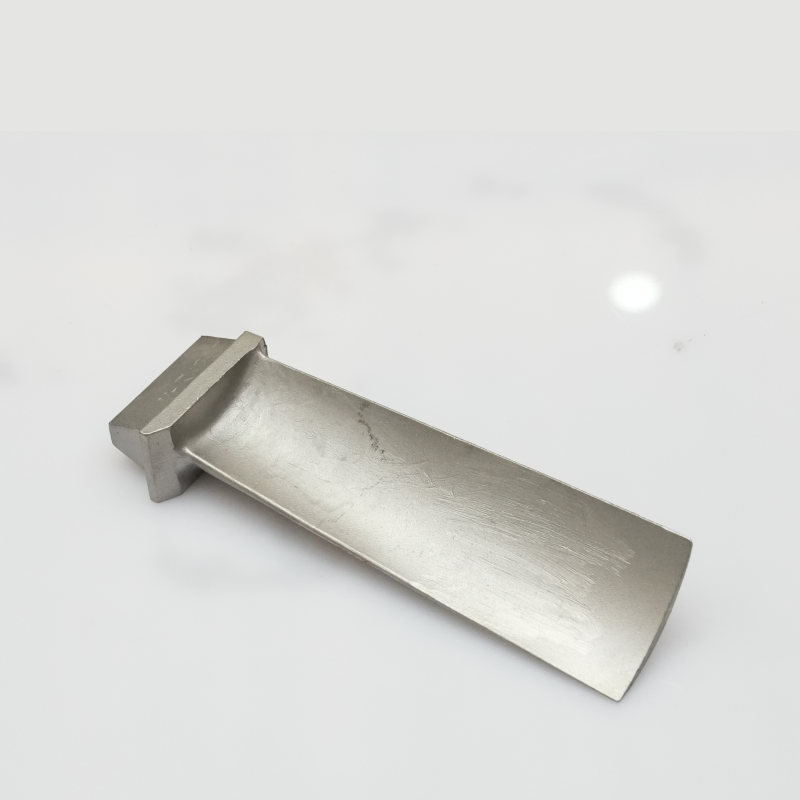
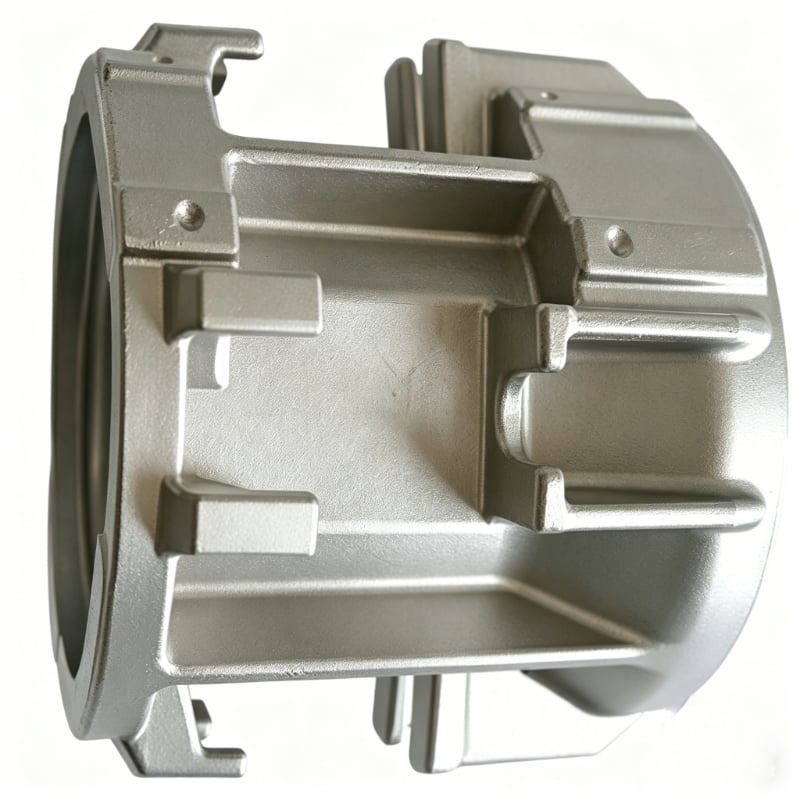
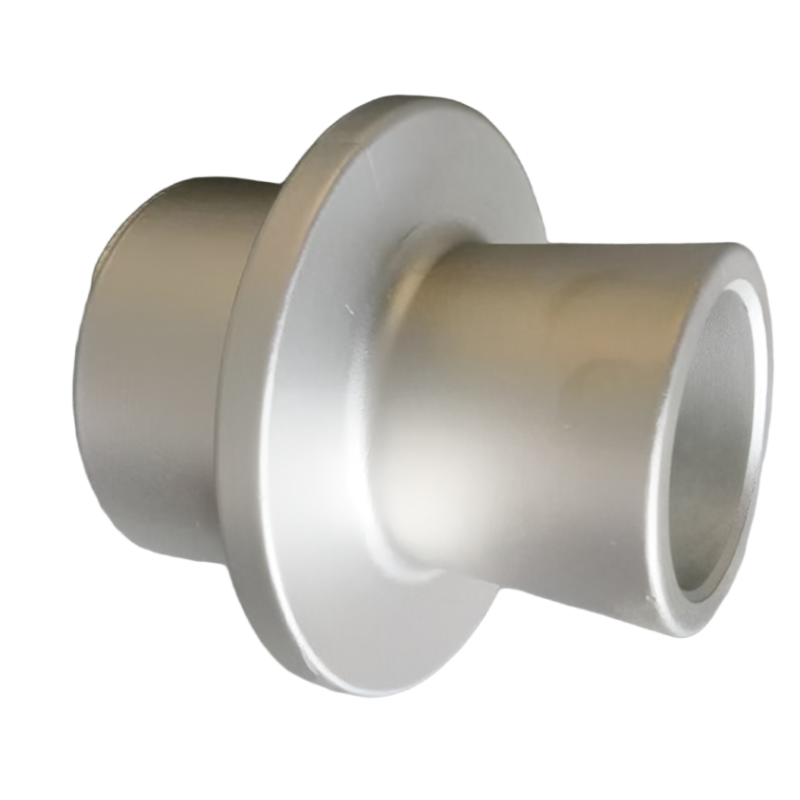
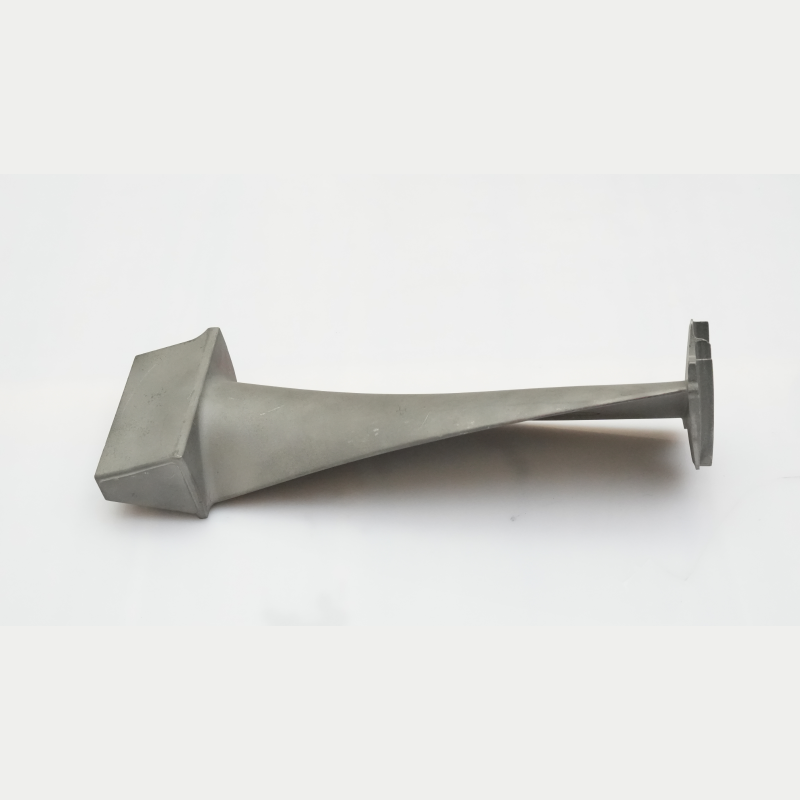
A die casting manufacturer specializes in producing precision metal components through advanced casting processes that transform molten metal into complex shapes with exceptional accuracy. This manufacturing approach serves as the backbone for countless industries seeking reliable, high-volume production of metal parts. The primary function of a die casting manufacturer involves melting metals such as aluminum, zinc, or magnesium, then injecting the molten material under extreme pressure into precision-engineered steel molds called dies. This method enables the creation of intricate geometries, thin walls, and detailed surface finishes that would be difficult or impossible to achieve through other manufacturing techniques. The technological features employed by modern die casting manufacturers include computer-controlled injection systems, automated trimming equipment, real-time quality monitoring sensors, and advanced thermal management systems that regulate cooling rates for optimal metallurgical properties. These facilities typically operate both hot chamber and cold chamber die casting machines, selecting the appropriate process based on the melting point and characteristics of the specific metal alloy being processed. The applications for die cast components span virtually every sector of modern industry, from automotive engine blocks and transmission housings to consumer electronics enclosures, power tool housings, lighting fixtures, aerospace components, medical device parts, telecommunications infrastructure, and household appliance components. A professional die casting manufacturer maintains rigorous quality control protocols, including dimensional inspection, material testing, surface finish analysis, and pressure testing to ensure every component meets exact specifications. They also provide value-added services such as machining, surface treatment, powder coating, assembly, and packaging to deliver complete, ready-to-install components. The manufacturing environment combines traditional metalworking expertise with cutting-edge automation technology, creating a production ecosystem capable of delivering millions of identical parts with consistent quality while maintaining cost efficiency through optimized processes and minimal material waste.

New Product Recommendations

Choosing the right die casting manufacturer delivers substantial practical benefits that directly impact your bottom line and product quality. First, you gain access to exceptional production speed that dramatically reduces time-to-market for your products. Unlike machining processes that remove material bit by bit, die casting creates complete parts in seconds, enabling production runs of thousands or even millions of components within tight deadlines. This rapid throughput means you can respond quickly to market demands and maintain inventory levels without extended lead times. Second, the cost efficiency becomes apparent especially in medium to high volume production. After initial tooling investment, the per-part cost drops significantly because one die can produce hundreds of thousands of parts before requiring replacement. You avoid the labor-intensive processes associated with other manufacturing methods, and material waste remains minimal since excess metal can be recycled directly back into production. Third, you receive parts with superior dimensional consistency. Every component emerges from the same precision die, ensuring that the thousandth part matches the first part with remarkable accuracy. This consistency eliminates assembly problems, reduces rejection rates, and simplifies your quality control processes. Fourth, the structural integrity of die cast parts provides reliable performance in demanding applications. The high-pressure injection process creates dense, void-free metal structures with excellent mechanical properties, ensuring your products withstand stress, vibration, and temperature variations throughout their service life. Fifth, design flexibility allows you to incorporate complex features directly into the casting, eliminating secondary operations. You can include mounting bosses, threads, logos, part numbers, and intricate contours in a single operation, reducing assembly steps and associated costs. Sixth, the smooth surface finish of die cast parts often requires no additional finishing, or minimal post-processing, saving you time and expense in surface preparation. Seventh, working with an experienced die casting manufacturer gives you access to engineering support that optimizes your designs for manufacturability, potentially identifying cost-saving modifications before production begins. Finally, material versatility means you can select from various aluminum, zinc, and magnesium alloys to match specific requirements for strength, weight, corrosion resistance, or thermal properties, ensuring your components perfectly suit their intended application while maintaining production efficiency.

Practical Tips

What Makes a Custom Lost Wax Casting Foundry Reliable for Precision Industrial Applications?

05

Jun

What Makes a Custom Lost Wax Casting Foundry Reliable for Precision Industrial Applications?

In precision industrial manufacturing, the reliability of a custom investment casting foundry is not a minor operational detail — it is a fundamental requirement that determines part integrity, production timelines, and ultimately, the safety o...
View More
Why Do Manufacturers Prefer a Silica Sol Investment Casting Supplier for Complex Metal Parts?

05

Jun

Why Do Manufacturers Prefer a Silica Sol Investment Casting Supplier for Complex Metal Parts?

When precision, surface quality, and dimensional accuracy are non-negotiable, manufacturers consistently turn to a trusted silica sol investment casting supplier. This decision is rarely arbitrary. It is driven by a deep understanding of what silica ...
View More
What Factors Affect Surface Finish Quality in Medium Temperature Wax Casting Processes?

05

Jun

What Factors Affect Surface Finish Quality in Medium Temperature Wax Casting Processes?

Surface finish quality is one of the most critical performance indicators in precision investment casting, and it is directly shaped by the variables embedded in the medium temperature wax casting process. Unlike standard casting methods, medium temp...
View More
How Can OEM ODM Precision Casting Services Accelerate New Product Development Cycles?

26

Jun

How Can OEM ODM Precision Casting Services Accelerate New Product Development Cycles?

Bringing a new industrial product from concept to market is rarely a straightforward journey. Engineering teams face relentless pressure to compress timelines, reduce prototype iterations, and deliver production-ready components without sacrificing d...
View More

Get a Free Quote

Our representative will contact you soon.
Email
Name
Mobile
Company Name
Message
0/1000

die casting manufacturer

Advanced Engineering Support and Design Optimization

Advanced Engineering Support and Design Optimization

One of the most valuable aspects of partnering with a professional die casting manufacturer extends far beyond the actual casting process itself. Experienced manufacturers bring decades of accumulated knowledge about how designs translate into physical components, and they actively collaborate with clients to refine product designs before production begins. This engineering support identifies potential manufacturing challenges early, when modifications cost nothing compared to discovering problems after expensive tooling has been created. The design optimization process examines wall thickness variations, draft angles, undercuts, gating locations, and cooling requirements to ensure each component can be manufactured efficiently while meeting all functional requirements. Engineers analyze stress distribution patterns, material flow characteristics, and solidification sequences using sophisticated simulation software that predicts how molten metal will fill the die cavity. This virtual prototyping reveals potential defects such as porosity, cold shuts, or warping before any physical tooling is built, saving enormous amounts of time and money. The die casting manufacturer also evaluates tolerances specified on drawings, recommending which dimensions truly require tight control and which can use standard casting tolerances without affecting functionality. This practical approach reduces manufacturing complexity and cost without compromising quality. Furthermore, material selection guidance helps clients choose the optimal alloy for their specific application, balancing factors like strength requirements, corrosion resistance, weight constraints, thermal properties, and cost considerations. Some applications benefit from aluminum alloys offering excellent strength-to-weight ratios, while others perform better with zinc alloys providing superior bearing properties and tighter tolerances. The manufacturer's metallurgical expertise ensures you specify materials that deliver required performance characteristics while remaining compatible with efficient die casting processes. Additionally, design for assembly considerations help integrate die cast components seamlessly into larger product assemblies, potentially consolidating multiple parts into single castings that reduce assembly time and eliminate fasteners. This holistic approach to product development transforms the die casting manufacturer from a simple supplier into a strategic partner who contributes directly to product success, competitive pricing, and accelerated market introduction.
Comprehensive Quality Assurance and Testing Capabilities

Comprehensive Quality Assurance and Testing Capabilities

Quality assurance represents a fundamental commitment that distinguishes professional die casting manufacturers from basic metal shops. This comprehensive approach begins long before production starts and continues throughout every stage of the manufacturing process to ensure absolute consistency and reliability. The quality journey starts with incoming material inspection, where every batch of metal alloy undergoes spectrographic analysis to verify chemical composition matches specifications exactly. This prevents contamination issues that could compromise mechanical properties or cause unexpected casting behavior. Process control continues as molten metal temperature, injection pressure, die temperature, and cycle timing are monitored continuously using sensors connected to computerized data collection systems. These real-time measurements ensure every casting cycle operates within established parameters, and automated alerts notify operators immediately if any variable drifts outside acceptable ranges. Statistical process control methods track dimensional measurements from sample parts throughout production runs, identifying trends before they result in out-of-specification components. Coordinate measuring machines, optical comparators, and laser scanning equipment verify critical dimensions with precision measured in thousandths of an inch, providing documented evidence that parts conform to engineering drawings. Surface finish analysis examines texture, appearance, and integrity to ensure cosmetic requirements are met consistently. Non-destructive testing methods including X-ray inspection and ultrasonic analysis detect internal porosity or inclusions without damaging parts, particularly important for components used in safety-critical applications. Mechanical property testing through tensile strength measurements, hardness testing, and impact resistance evaluation confirms that the metal structure delivers required performance characteristics. Pressure testing and leak detection ensure fluid-handling components maintain integrity under operating conditions. Environmental testing exposes sample parts to temperature cycling, humidity, salt spray, or chemical exposure to validate long-term durability. Complete traceability systems document every aspect of production, linking each batch of finished parts back through processing records to the specific heat of raw material used, creating accountability and enabling rapid response if field issues ever arise. This rigorous quality infrastructure provides peace of mind that every component leaving the facility meets exact specifications and will perform reliably throughout its intended service life, protecting your brand reputation and customer satisfaction.
Sustainable Manufacturing Practices and Environmental Responsibility

Sustainable Manufacturing Practices and Environmental Responsibility

Modern die casting manufacturers increasingly recognize their responsibility to minimize environmental impact while maintaining efficient production operations. This commitment to sustainability delivers both ecological benefits and practical advantages for customers concerned about their supply chain's environmental footprint. The die casting process itself offers inherent environmental advantages compared to alternative manufacturing methods. Material utilization rates typically exceed ninety percent, with scrap metal and sprues immediately recycled back into the melting furnace rather than generating waste. This closed-loop recycling system reduces demand for virgin metal extraction and processing, lowering the overall carbon footprint associated with component production. Energy efficiency improvements through modern furnace technology, optimized die heating systems, and heat recovery equipment substantially reduce power consumption per part produced. Many facilities have invested in variable-speed drives for hydraulic systems and electric servo motors that consume energy only during active portions of the casting cycle, eliminating the constant power draw of older hydraulic systems. LED lighting, improved insulation, and waste heat recovery further reduce facility energy requirements. Water conservation measures including closed-loop cooling systems recirculate water rather than consuming fresh supplies, and advanced filtration removes contaminants so the same water serves for extended periods. Die lubricant systems have evolved toward water-based formulations that eliminate volatile organic compound emissions associated with older oil-based release agents, improving air quality for workers while reducing environmental releases. Packaging optimization reduces material consumption by right-sizing containers, using recycled content materials, and designing reusable transport racks that eliminate disposable packaging entirely for high-volume parts. Transportation efficiency improves through consolidated shipments and regional production facilities located near customer operations, reducing fuel consumption and emissions associated with long-distance freight. Environmental management systems certified to ISO 14001 standards formalize these commitments through documented procedures, measurable objectives, and continuous improvement initiatives. Compliance with RoHS directives, REACH regulations, and conflict minerals requirements ensures components meet international environmental and social responsibility standards. Forward-thinking die casting manufacturers also invest in renewable energy installations such as solar arrays that offset grid electricity consumption, further reducing carbon emissions. These comprehensive sustainability practices mean customers can confidently source components knowing their supply chain reflects responsible environmental stewardship, satisfying increasingly stringent corporate sustainability goals and consumer expectations for environmentally conscious product development and manufacturing operations.

Get a Free Quote

Our representative will contact you soon.
Email
Name
Mobile
Company Name
Message
0/1000