High Precision Metal Components | Custom Manufactured Parts for Critical Applications

Get a Free Quote

Our representative will contact you soon.
Email
Name
Company Name
Message
0/1000

high precision metal components

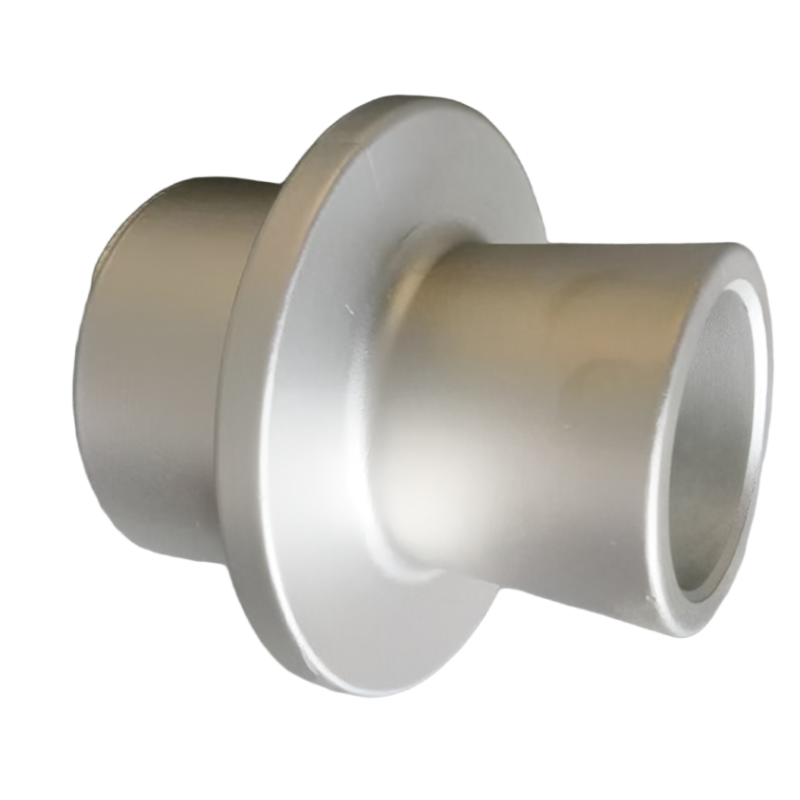
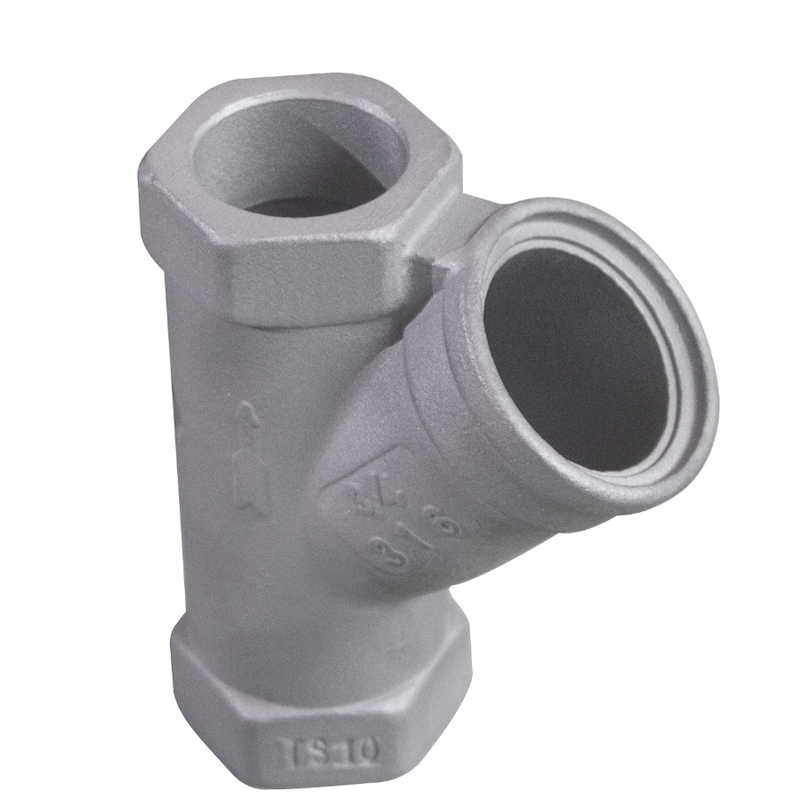
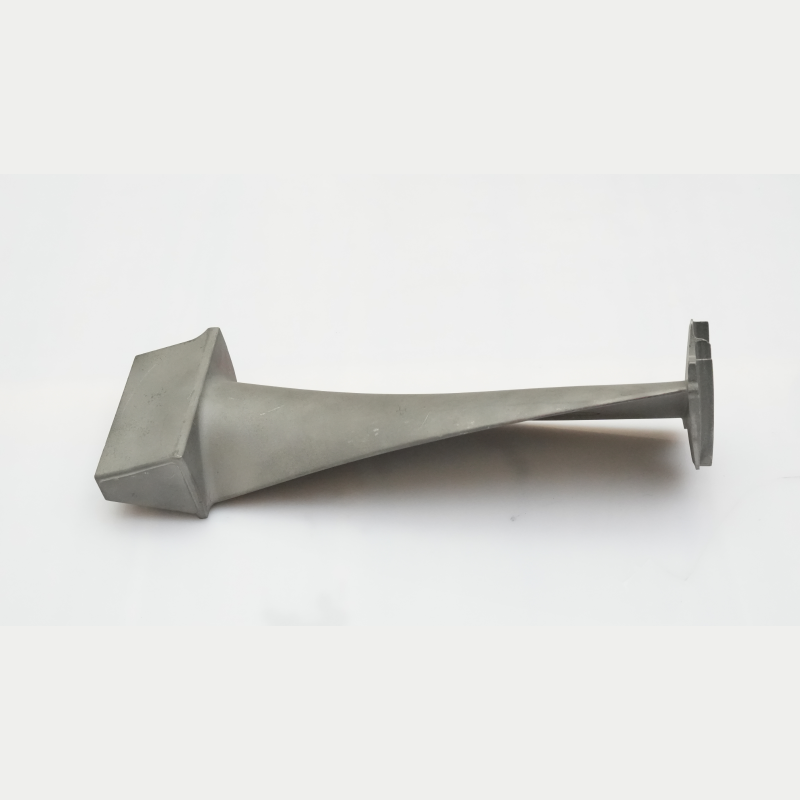
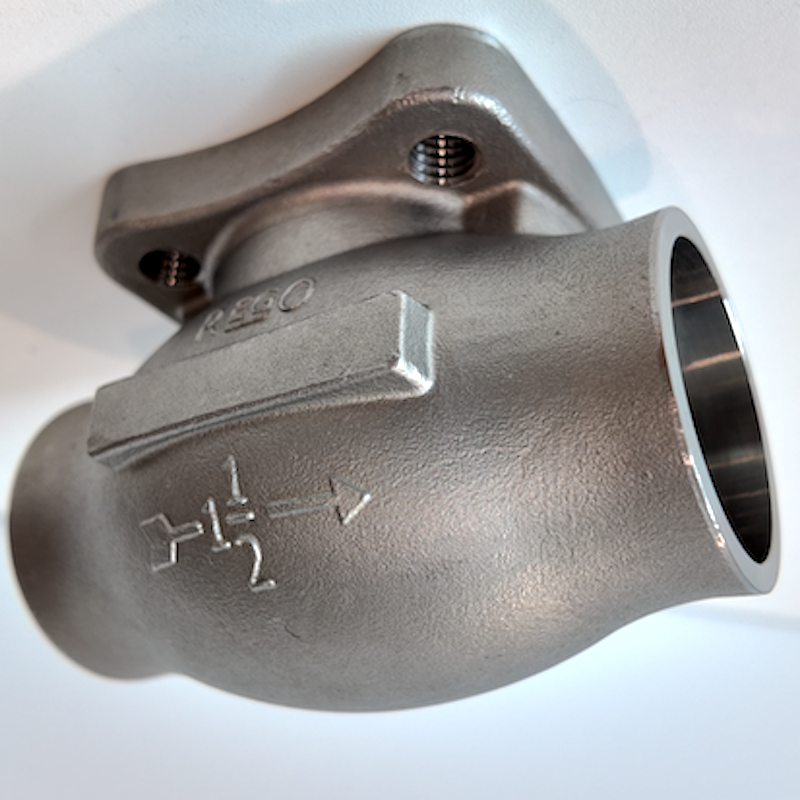
High precision metal components represent the pinnacle of modern manufacturing excellence, serving as critical building blocks across diverse industrial sectors. These meticulously engineered parts are manufactured using advanced machining techniques, cutting-edge CNC technology, and stringent quality control protocols to achieve tolerances measured in microns. The primary function of high precision metal components is to deliver consistent, reliable performance in applications where accuracy and repeatability are non-negotiable. From aerospace systems requiring flawless structural integrity to medical devices demanding biocompatibility and exact specifications, these components form the foundation of contemporary engineering solutions. The technological features that distinguish high precision metal components include superior dimensional accuracy, exceptional surface finishes, tight geometric tolerances, and material consistency throughout production runs. Manufacturing processes such as Swiss-type turning, multi-axis milling, electrical discharge machining, and wire EDM enable the creation of intricate geometries that would be impossible through conventional methods. These components utilize premium-grade materials including stainless steel, titanium alloys, aluminum variants, brass, copper, and specialized exotic metals selected for their specific mechanical properties. Applications span virtually every industry sector where quality cannot be compromised. In automotive manufacturing, high precision metal components ensure engine efficiency and transmission reliability. The electronics industry depends on these parts for connector systems, semiconductor equipment, and miniaturized assemblies. Medical device manufacturers utilize them for surgical instruments, implantable devices, and diagnostic equipment where human life depends on absolute precision. Defense contractors require these components for weapons systems, communication equipment, and navigation instruments. The oil and gas sector relies on them for valve assemblies, flow control devices, and exploration tools that must withstand extreme pressures and corrosive environments. As manufacturing technology continues evolving, high precision metal components become increasingly sophisticated, incorporating smart materials, hybrid manufacturing techniques, and real-time quality verification systems that guarantee compliance with the most demanding specifications.

New Products

Choosing high precision metal components for your manufacturing needs delivers tangible benefits that directly impact your bottom line and product performance. The first major advantage lies in exceptional quality consistency. When you integrate these components into your assemblies, you eliminate the variability that plagues standard parts. Every piece meets identical specifications, which means your production line runs smoothly without constant adjustments or rejections. This consistency translates to faster assembly times, reduced waste, and predictable outcomes that your customers can rely on. Another significant benefit comes from enhanced durability and longevity. High precision metal components undergo rigorous material selection and heat treatment processes that optimize their mechanical properties. They resist wear, maintain dimensional stability under thermal stress, and continue performing reliably throughout extended service lives. This durability reduces maintenance requirements, minimizes unexpected downtime, and lowers total cost of ownership over the product lifecycle. You spend less on replacements and your customers enjoy better reliability. The superior surface finishes achieved in manufacturing high precision metal components provide multiple practical advantages. Smooth surfaces reduce friction in moving assemblies, which improves energy efficiency and extends component life. Better finishes also enhance corrosion resistance, making parts suitable for harsh environments without expensive coatings. In applications involving sealing or fluid flow, precise surface textures ensure leak-free operation and optimal performance. Cost efficiency represents another compelling advantage, though it may seem counterintuitive given premium manufacturing processes. High precision metal components reduce overall project costs through several mechanisms. Their accuracy eliminates secondary operations like deburring, polishing, or fitting adjustments. Production runs proceed without interruption because parts fit correctly the first time. Warranty claims decrease because products perform as designed. Engineering teams spend less time troubleshooting field failures and more time innovating new solutions. The ability to achieve complex geometries in single setups reduces assembly complexity, cutting both labor costs and potential failure points. Companies using high precision metal components also gain competitive advantages in their markets. Products built with superior components command premium pricing, attract quality-conscious customers, and build brand reputation for excellence. Compliance with industry certifications becomes straightforward when components meet stringent standards consistently. Faster time-to-market results from predictable manufacturing processes without endless refinement cycles. Innovation accelerates because engineers can design with confidence, knowing that manufacturing capabilities will deliver their visions accurately. These advantages combine to create value that extends far beyond the initial purchase price, making high precision metal components a strategic investment in business success.

Tips And Tricks

Basic Principles Of Design Of Precision Casting Gating System

11

May

Basic Principles Of Design Of Precision Casting Gating System

View More
Stainless Steel Castings for Architectural Posts

11

May

Stainless Steel Castings for Architectural Posts

View More
Stainless Steel Castings for Building Facade Systems

11

May

Stainless Steel Castings for Building Facade Systems

View More
Precision Stainless Steel Exhaust Manifold Casting Solution For Luxury Sedan - With Japanese First-Tier Car Brand

11

May

Precision Stainless Steel Exhaust Manifold Casting Solution For Luxury Sedan - With Japanese First-Tier Car Brand

View More

Get a Free Quote

Our representative will contact you soon.
Email
Name
Company Name
Message
0/1000

high precision metal components

Unmatched Dimensional Accuracy Ensures Perfect Functionality

Unmatched Dimensional Accuracy Ensures Perfect Functionality

Dimensional accuracy stands as the defining characteristic that separates high precision metal components from ordinary manufactured parts, and this precision delivers measurable value in real-world applications. When we discuss accuracy in this context, we are referring to the ability to manufacture components that consistently meet tolerances of plus or minus a few microns, a level of precision that requires sophisticated equipment, skilled operators, and comprehensive quality systems. This extraordinary accuracy ensures that parts fit together exactly as engineers intended, eliminating the gaps, misalignments, and interference issues that create assembly headaches and performance problems. In mechanical assemblies, proper fit affects everything from operational smoothness to energy consumption, and high precision metal components deliver optimal results every time. Consider a hydraulic valve assembly where internal clearances directly determine flow rates and pressure drops. If components vary even slightly from specifications, the entire system performs unpredictably, potentially causing equipment damage or safety hazards. High precision metal components eliminate this variability, ensuring each valve operates identically to every other unit produced. The dimensional accuracy extends beyond simple diameter and length measurements to include geometric tolerances like perpendicularity, concentricity, and parallelism. These spatial relationships determine how forces distribute through assemblies, how components align during operation, and how long systems maintain their original performance characteristics. Manufacturing processes for high precision metal components incorporate multiple verification stages, with coordinate measuring machines, optical comparators, and laser scanning systems confirming that every dimension meets specifications before parts leave the facility. This rigorous approach prevents defective components from entering supply chains, protecting your reputation and eliminating costly field failures. The business implications of this dimensional accuracy are substantial. Production lines achieve higher throughput because workers spend no time fitting, adjusting, or reworking assemblies. Product testing proceeds efficiently because prototypes perform as simulations predicted. Customer satisfaction increases because products deliver consistent performance throughout their service lives. Engineering teams can push design boundaries, creating innovative solutions with tight packaging and optimized performance, confident that manufacturing capabilities will realize their concepts accurately. Investment in high precision metal components with superior dimensional accuracy pays dividends through reduced warranty costs, enhanced brand reputation, faster product development cycles, and the ability to compete in markets where quality differentiates winners from also-rans.
Advanced Material Selection and Processing Maximize Performance

Advanced Material Selection and Processing Maximize Performance

The performance capabilities of high precision metal components extend far beyond their geometric accuracy, encompassing the sophisticated material science and specialized processing that optimize their mechanical properties for demanding applications. Material selection begins with understanding the specific stresses, environmental conditions, and functional requirements each component will encounter during its service life. Engineers evaluate factors including tensile strength, hardness, corrosion resistance, thermal expansion coefficients, electrical conductivity, magnetic properties, and biocompatibility to identify optimal alloy compositions. High precision metal components utilize premium-grade materials sourced from certified suppliers who provide complete material traceability and documentation of chemical composition and mechanical properties. Stainless steel variants offer excellent corrosion resistance and strength for medical devices and food processing equipment. Titanium alloys provide exceptional strength-to-weight ratios for aerospace components where every gram matters. Aluminum alloys deliver good machinability and thermal conductivity for electronics housings and heat management systems. Specialized materials like Inconel and Hastelloy withstand extreme temperatures and corrosive chemicals in energy production and chemical processing applications. Beyond base material selection, thermal treatment processes transform the microstructure of metals to achieve specific performance characteristics. Hardening treatments increase wear resistance for components subjected to friction and abrasion. Stress relief processes improve dimensional stability by eliminating internal strains introduced during machining. Tempering balances hardness with toughness to prevent brittle failure. Case hardening creates hard surface layers while maintaining ductile cores that resist impact damage. These heat treatment processes require precise temperature control, specific atmosphere conditions, and carefully managed cooling rates to achieve consistent results. Surface treatment options further enhance component performance. Passivation treatments improve corrosion resistance of stainless steel by removing free iron and promoting chromium oxide layer formation. Anodizing creates protective oxide coatings on aluminum that enhance wear resistance and provide decorative finishes. Electroplating deposits thin metal layers that modify surface properties for specific applications. Black oxide treatments provide mild corrosion protection with minimal dimensional impact. The combination of optimal material selection and appropriate processing creates high precision metal components that outperform standard parts in reliability, longevity, and operational capability. This materials expertise translates directly into products that withstand harsh conditions, maintain performance specifications throughout extended service intervals, and deliver the dependability that critical applications demand. Manufacturers benefit from reduced failure rates, extended maintenance intervals, and satisfied customers who recognize superior quality.
Comprehensive Quality Systems Guarantee Consistent Excellence

Comprehensive Quality Systems Guarantee Consistent Excellence

Quality assurance represents more than an afterthought in the production of high precision metal components; it constitutes an integrated philosophy that permeates every stage from initial material receipt through final inspection and shipment. Comprehensive quality systems ensure that every component leaving the manufacturing facility meets or exceeds specifications, protecting your projects from the disruptions and costs associated with defective parts. These quality systems begin with supplier qualification programs that verify material sources maintain appropriate certifications, provide accurate documentation, and deliver consistent quality batches. Incoming inspection protocols test material properties, confirm chemical compositions, and verify that raw stock meets dimensional requirements before entering production. This upstream quality control prevents problems that would otherwise remain undetected until components fail during assembly or field service. During manufacturing, in-process inspection checkpoints verify critical dimensions at strategic production stages, allowing immediate corrections before significant machining investment occurs on non-conforming parts. Statistical process control techniques monitor dimensional trends, identifying subtle drift in machine performance before tolerances are exceeded. This proactive approach maintains consistent quality while minimizing waste from scrapped components. Advanced measurement technologies provide the precision necessary to verify micron-level tolerances reliably. Coordinate measuring machines utilize probe systems to capture three-dimensional geometry with exceptional accuracy, comparing actual measurements against CAD models to identify any deviations. Optical comparators project magnified part profiles for visual inspection of complex contours and edge conditions. Surface roughness testers quantify finish quality with objective measurements that ensure aesthetic and functional requirements are met. Thread gauges verify that threaded features will mate properly with corresponding components. Hardness testers confirm that heat treatment processes achieved specified material properties. Final inspection protocols examine every dimension specified on engineering drawings, with documentation packages providing complete traceability for each production lot. These quality systems extend beyond dimensional verification to include functionality testing where appropriate. Components for critical applications may undergo pressure testing, leak testing, or performance validation before shipment. Documentation packages include material certifications, dimensional reports, process certifications, and any special test results required by customer specifications or industry standards. The comprehensive nature of these quality systems provides peace of mind that high precision metal components will perform as expected when integrated into your assemblies. Production efficiency improves because incoming components require no additional verification or sorting. Assembly processes proceed smoothly without interruptions to address fit issues or performance problems. Field reliability increases because components consistently meet specifications that engineering analysis confirmed would deliver required performance. The investment in comprehensive quality systems represents a commitment to excellence that protects your interests and supports your success.

Get a Free Quote

Our representative will contact you soon.
Email
Name
Company Name
Message
0/1000