բարձր ճշգրտության մետաղական մասեր
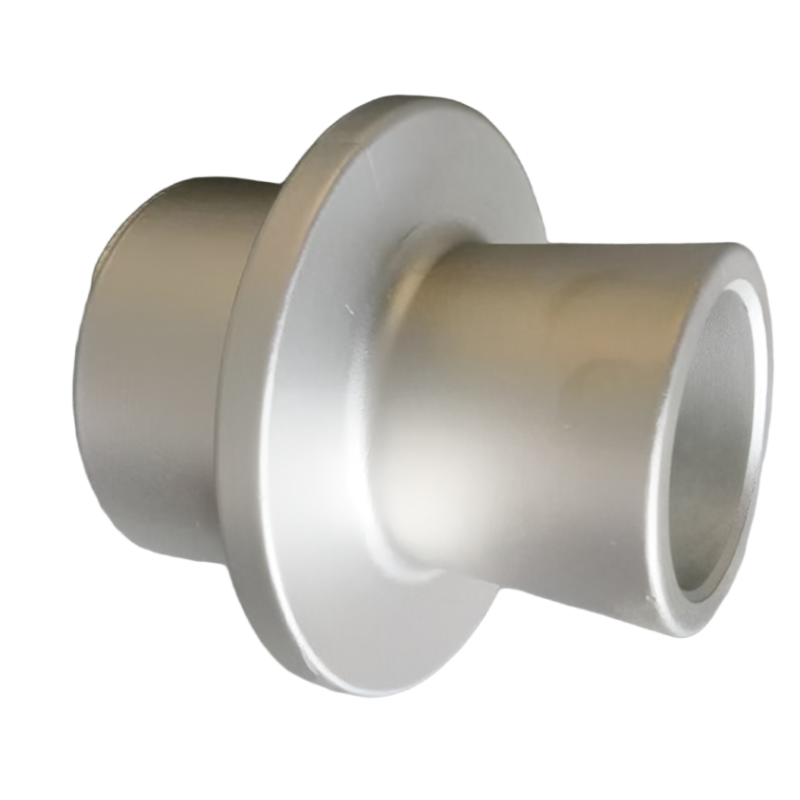
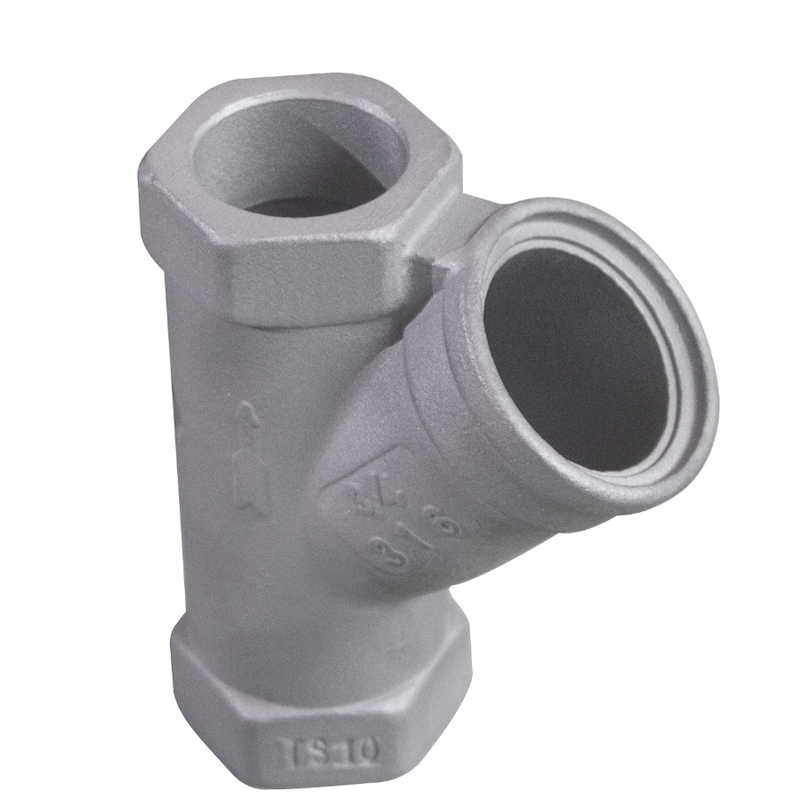
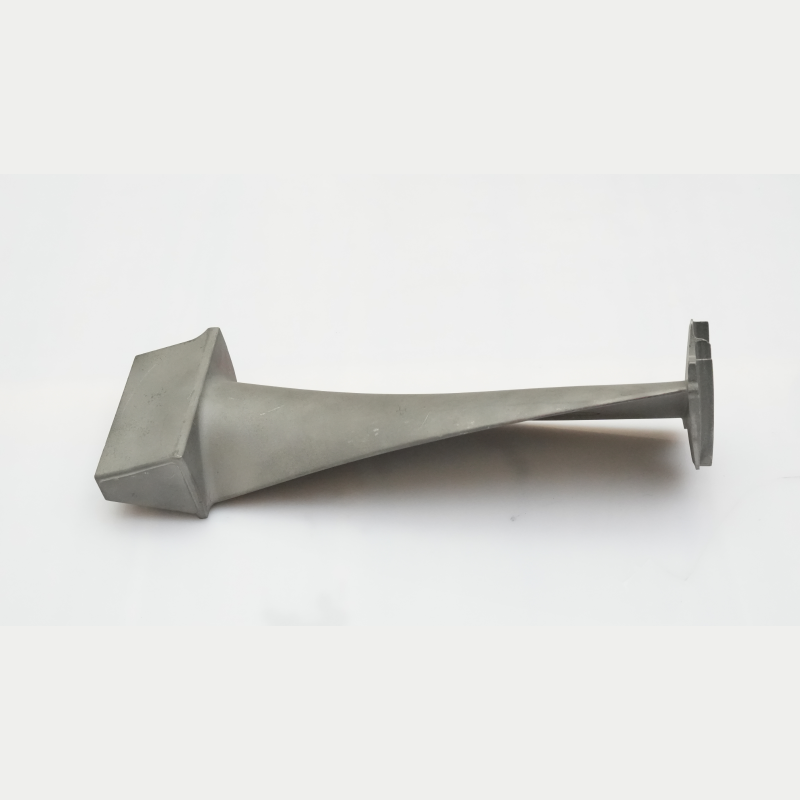
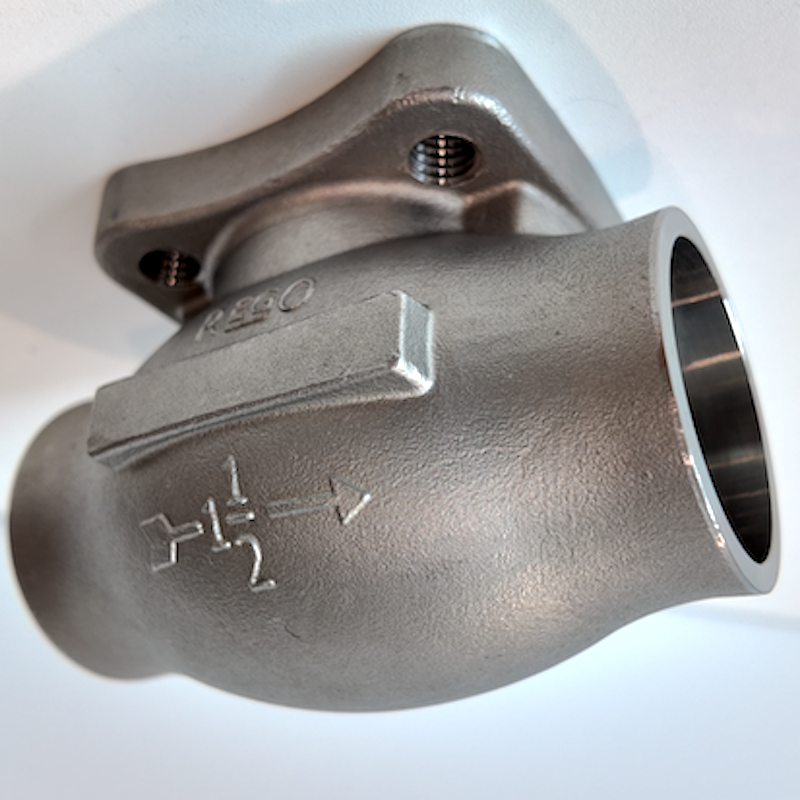
Բարձր ճշգրտության մետաղական բաղադրիչները ներկայացնում են ժամանակակից արտադրության համար բարձրագույն վարպետությունը և ծառայում են որպես հիմնարար կառուցվածքային տարրեր բազմաթիվ արդյունաբերական ոլորտներում: Այս մասնագիտացված մասերը արտադրվում են առաջադեմ մեքենայացման գործընթացներով, որոնք հասնում են միկրոններով չափվող թույլատրելի շեղումների, ապահովելով յուրաքանչյուր արտադրված մասի բացառիկ ճշգրտություն և համասեռություն: Բարձր ճշգրտության մետաղական բաղադրիչների հիմնական գործառույթներն են՝ կառուցվածքային ամրության ապահովումը, ճշգրիտ մեխանիկական շարժումների հնարավորության ստեղծումը, ճշգրիտ միացումների իրականացումը և պահանջվող շատ բարդ շահագործման պայմաններում համասեռ աշխատանքի ապահովումը: Այս բաղադրիչները մշակվում են շատ խիստ սահմանափակումների համաձայն և ապահովում են հուսալիություն, որը ստանդարտ մասերը պարզապես չեն կարող ապահովել: Բարձր ճշգրտության մետաղական բաղադրիչների տեխնոլոգիական առանձնահատկությունները նրանց տարբերում են սովորական արտադրված մասերից: Դրանք օգտագործում են վերջին սերնդի CNC մեքենայացման կենտրոններ, ավտոմատացված ստուգման համակարգեր և համակարգչային օգնությամբ արտադրության ծրագրային ապահովում՝ հասնելու չափային ճշգրտության, որը համապատասխանում է կամ գերազանցում է արդյունաբերական ստանդարտները: Առաջադեմ նյութեր, ինչպես օրինակ՝ ավիատիեզերական ալյումին, չժանգոտվող պողպատի համաձուլվածքներ, տիտան և մասնագիտացված մետաղական միացություններ մշակվում են բազմաառանցք ֆրեզերավորման, ճշգրիտ պտտման, լարային EDM և շինարարական մշակման մեթոդներով: Մակերեսի վերջնամշակման գործընթացները ապահովում են օպտիմալ մակերեսային տեքստուրա, պաշտպանիչ ծածկույթի լավ կպչունություն և կոռոզիայի դեմ դիմացկունություն: Որակի վերահսկման միջոցառումները ներառում են կոորդինատային չափման մեքենաներ, օպտիկական համեմատիչներ և լազերային սկանավորման տեխնոլոգիա՝ ամենաբարձր ճշգրտությամբ ստուգելու յուրաքանչյուր բարձր ճշգրտության մետաղական բաղադրիչի համապատասխանությունը խիստ սահմանված սպեցիֆիկացիաներին: Բարձր ճշգրտության մետաղական բաղադրիչների կիրառումը տարածվում է բազմաթիվ արդյունաբերությունների վրա, որտեղ ճշգրտությունն ու հուսալիությունը կարևորագույն են: Ավիատիեզերական ոլորտը հենվում է այս մասերի վրա՝ ինքնաթիռների շարժիչների, թռիչքի կառավարման համակարգերի և վայրէջքի շասսիների համար: Բժշկական սարքավորումների արտադրողները օգտագործում են դրանք վիրահատական գործիքներում, մարմնի մեջ տեղադրվող սարքերում և ախտորոշիչ սարքավորումներում, որտեղ մարդկանց անվտանգությունը կախված է անարատ աշխատանքից: Ավտոմոբիլային ճարտարագիտությունը ներառում է բարձր ճշգրտության մետաղական բաղադրիչներ վառելիքի ներարկման համակարգերում, փոխանցման համակարգերում և էլեկտրոնային կառավարման միավորներում: Էլեկտրոնիկայի արտադրությունը կախված է այս բաղադրիչներից՝ կիսահաղորդչային արտադրության սարքավորումների, միացման համակարգերի և սառեցման լուծումների համար: Արդյունաբերական ավտոմատացումը, պաշտպանության համակարգերը, հեռահաղորդակցության ենթակառուցվածքները և էներգիայի արտադրության սարքավորումները բոլորը օգտվում են բարձր ճշգրտության մետաղական բաղադրիչների գերազանց որակից և աշխատանքային ցուցանիշներից՝ ապահովելով դրանց համասեռ աշխատանքը շատ բարդ կիրառումներում:

 EN
EN