stainless steel marine fittings
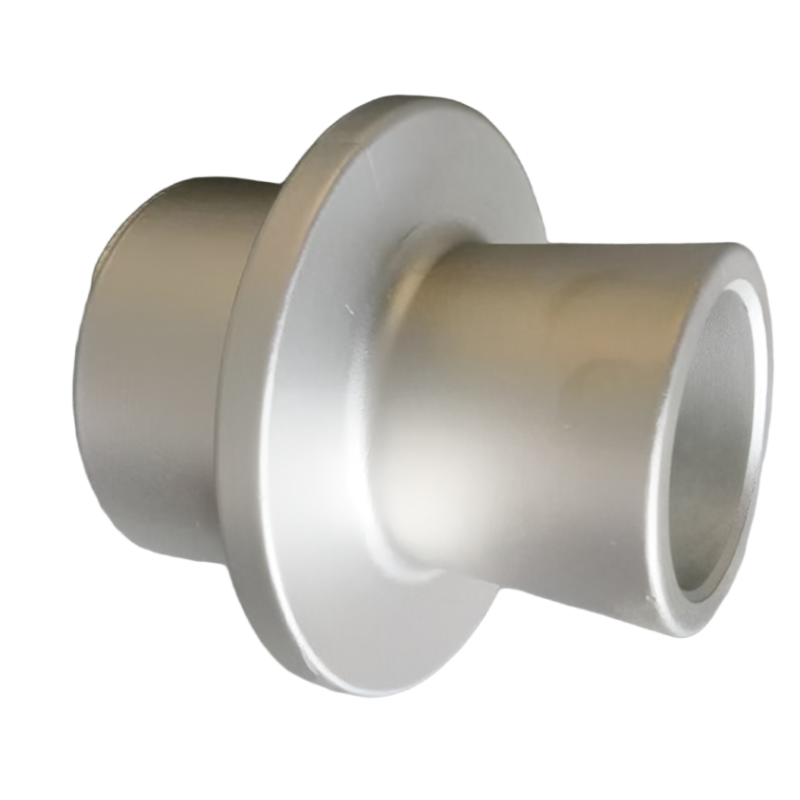
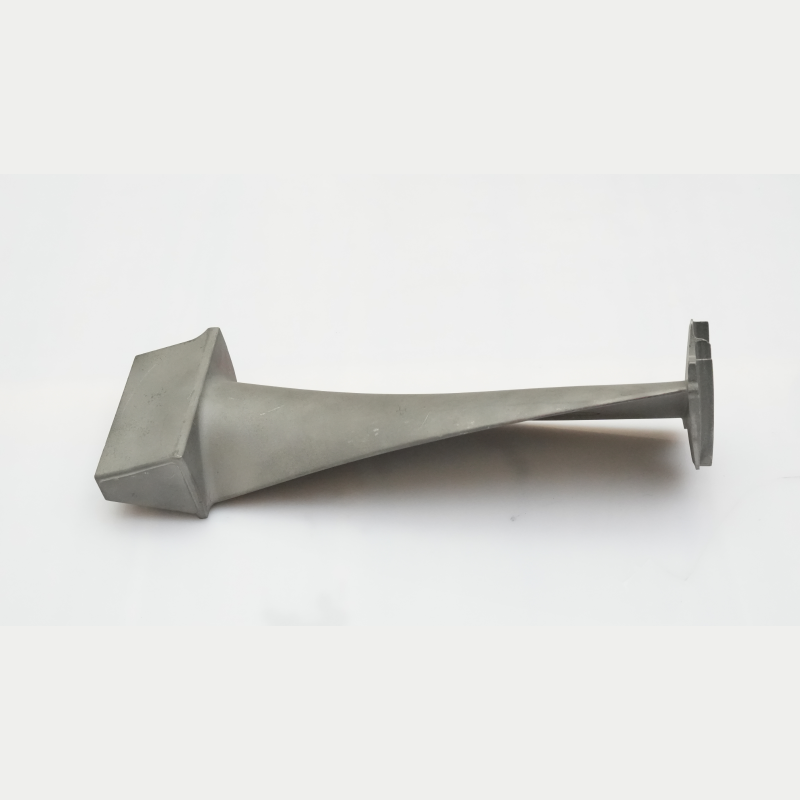
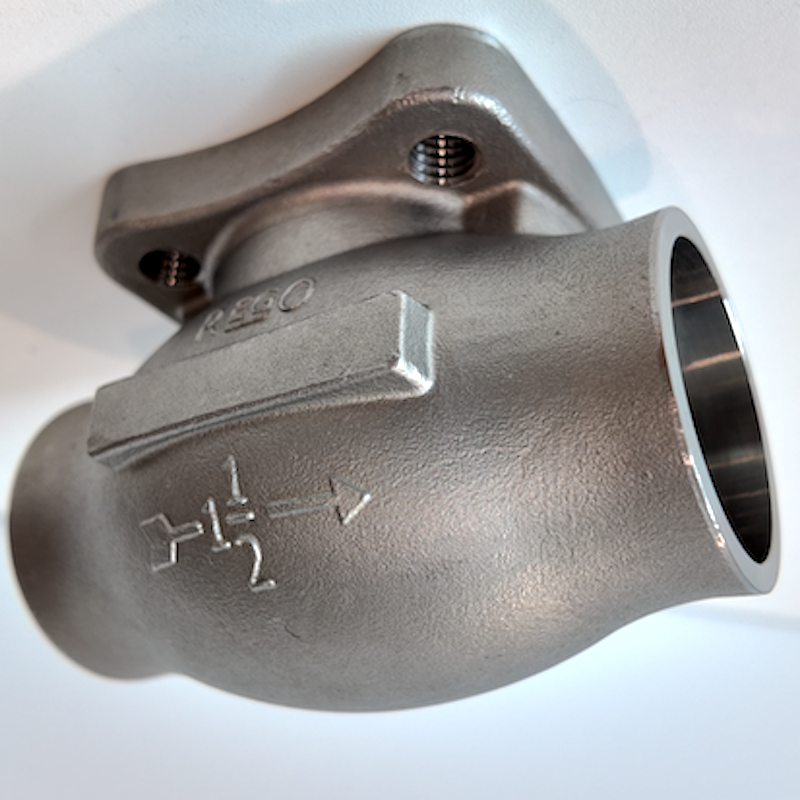
Stainless steel marine fittings represent essential hardware components designed specifically for maritime environments where durability and corrosion resistance are paramount. These precision-engineered fittings serve as critical connection points, fasteners, and structural elements across various marine applications, from recreational boats to commercial vessels and offshore installations. The primary functions of stainless steel marine fittings include securing rigging systems, connecting railings and lifelines, fastening deck hardware, mounting equipment, and providing structural integrity throughout watercraft. Manufactured from high-grade stainless steel alloys, typically 316 or 304 grade, these fittings exhibit exceptional resistance to saltwater corrosion, oxidation, and environmental degradation. Technological features incorporate advanced metallurgical processes that ensure consistent material properties, precise dimensional tolerances, and superior surface finishes. Many fittings undergo electropolishing treatments that enhance corrosion resistance by removing surface imperfections and creating a smooth, passive oxide layer. The manufacturing process employs computer-controlled machining, investment casting, or forging techniques to achieve optimal strength-to-weight ratios and exact specifications. Applications span across multiple marine sectors including yacht construction, sailboat rigging, powerboat assembly, dock construction, marina infrastructure, naval architecture, and coastal property installations. Common fitting types include cleats, shackles, turnbuckles, eye bolts, pad eyes, chain plates, deck hinges, rail fittings, anchor connectors, and specialized mounting brackets. The versatility of stainless steel marine fittings makes them indispensable for both above-deck and below-deck installations, accommodating diverse load requirements and environmental challenges. Marine-grade stainless steel fittings maintain structural integrity under constant exposure to harsh conditions including saltwater spray, ultraviolet radiation, temperature fluctuations, and mechanical stress. Their application extends beyond traditional boating to include offshore platforms, aquaculture facilities, waterfront architecture, and marine construction projects where reliability and longevity are non-negotiable requirements for safety and operational efficiency.