Premium Stainless Steel Marine Fittings - Corrosion Resistant Boat Hardware & Yacht Accessories

Get a Free Quote

Our representative will contact you soon.
Email
Name
Mobile
Company Name
Message
0/1000

stainless steel marine fittings

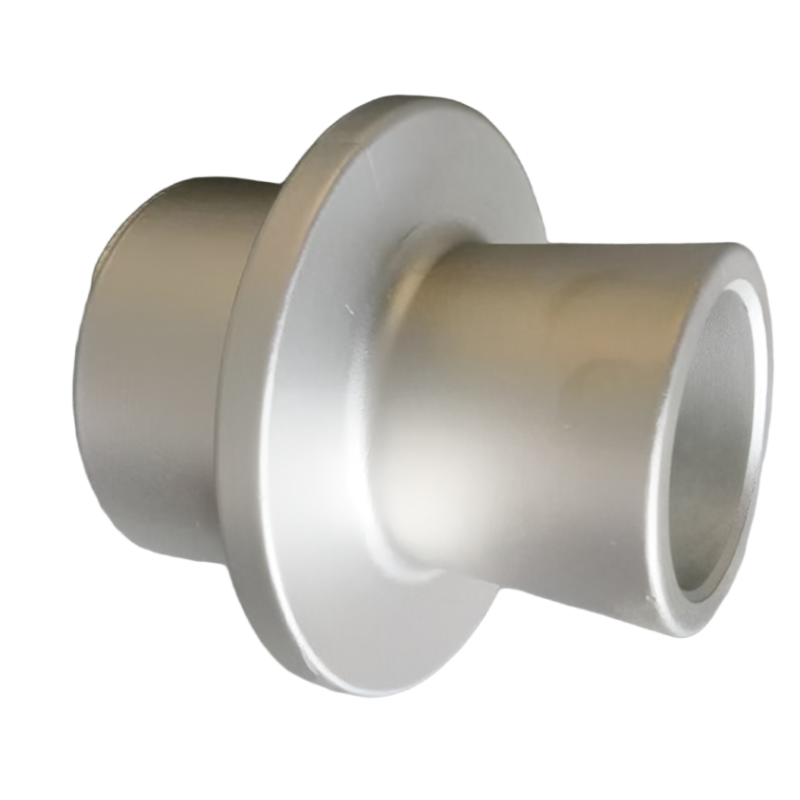
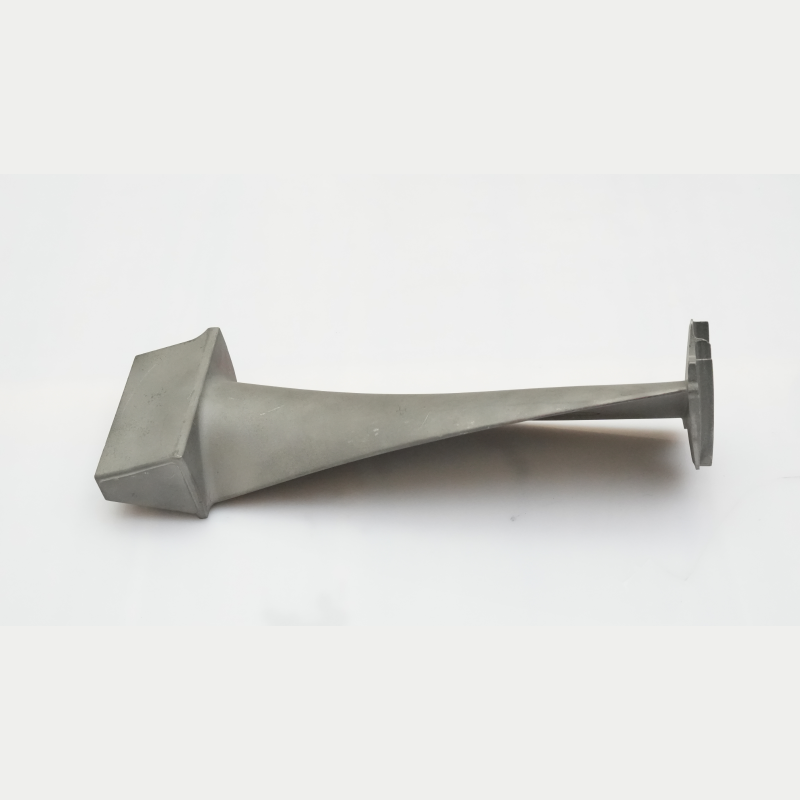
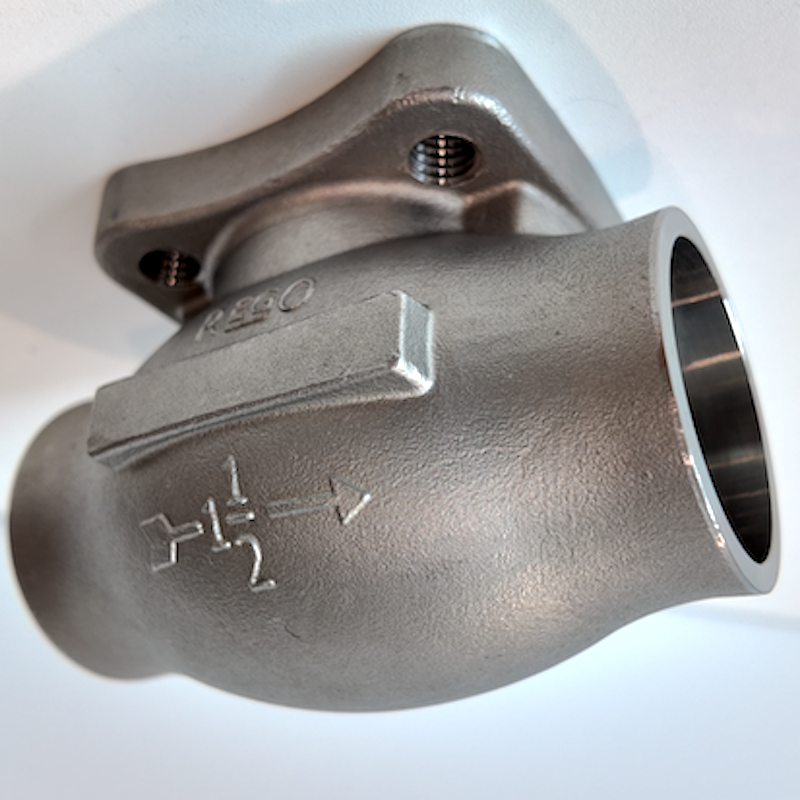
Stainless steel marine fittings represent essential components designed specifically for maritime environments where durability and corrosion resistance are paramount. These specialized hardware pieces serve as the backbone of boat construction and maintenance, connecting various structural elements while withstanding the harsh conditions of saltwater exposure, constant moisture, and temperature fluctuations. The main functions of stainless steel marine fittings encompass securing rigging systems, fastening deck hardware, supporting navigation equipment, and providing reliable attachment points for safety gear and operational accessories. These components include cleats, shackles, turnbuckles, hinges, rail fittings, anchor systems, and mounting brackets that work together to ensure vessel integrity and functionality. Technological features of stainless steel marine fittings center on their advanced metallurgical composition, typically utilizing grades 304 or 316 stainless steel alloys that contain chromium and nickel for superior corrosion resistance. The manufacturing process involves precision casting, forging, or machining techniques that create smooth surfaces and exact tolerances, reducing stress points and enhancing load distribution. Many fittings incorporate electropolishing treatments that remove surface impurities and create a passive oxide layer, further enhancing their protective properties against marine degradation. Applications for stainless steel marine fittings span across recreational boating, commercial shipping, offshore platforms, yacht construction, marina infrastructure, and coastal architectural projects. Recreational sailors rely on these fittings for rigging adjustments, sail control systems, and deck organization. Commercial vessels utilize heavy-duty versions for cargo securing, mooring operations, and structural reinforcement. Yacht builders specify premium-grade fittings that combine functionality with aesthetic appeal, creating sleek profiles that complement luxury vessel designs. Marina operators install robust fittings for docking systems, walkway railings, and utility connections that must endure constant use and environmental exposure. The versatility of stainless steel marine fittings makes them indispensable for anyone involved in maritime activities, providing reliable performance that ensures safety and operational efficiency across diverse marine applications.

New Product Recommendations

The primary advantage of stainless steel marine fittings lies in their exceptional resistance to corrosion, which directly translates to longer service life and reduced maintenance costs for vessel owners. Unlike ordinary steel or aluminum alternatives that quickly deteriorate in saltwater environments, these fittings maintain their structural integrity and appearance for decades, eliminating the need for frequent replacements and ongoing protective treatments. This longevity means you save money over time while avoiding the inconvenience and potential safety risks associated with deteriorating hardware. The strength-to-weight ratio of stainless steel marine fittings provides another significant benefit, allowing you to secure heavy loads and withstand extreme forces without adding excessive weight to your vessel. This characteristic proves especially valuable for performance-oriented boats where every pound matters, enabling you to maintain optimal speed and fuel efficiency while ensuring structural reliability. The material naturally resists UV radiation damage, meaning prolonged sun exposure does not weaken or embrittle these fittings as it does with plastic or composite alternatives. You gain peace of mind knowing your critical connection points remain dependable regardless of weather conditions or exposure duration. Installation simplicity represents another practical advantage, as stainless steel marine fittings typically feature standardized dimensions and straightforward mounting procedures that allow even moderately skilled boat owners to perform upgrades and repairs without professional assistance. This accessibility reduces labor costs and enables quick modifications when customizing your vessel layout or replacing worn components. The aesthetic appeal of polished stainless steel adds value to your vessel, creating a professional appearance that enhances resale value and reflects quality craftsmanship. The bright, reflective surface complements both modern and traditional boat designs, providing visual coherence across various hardware elements. Maintenance requirements remain minimal, usually requiring only periodic cleaning with mild soap and water to remove salt deposits and maintain appearance. You avoid the constant repainting, greasing, or protective coating applications that other materials demand. The compatibility of stainless steel marine fittings with various attachment methods, including welding, bolting, and riveting, offers flexibility in installation approaches suited to different vessel construction types and materials. Environmental sustainability factors favor stainless steel as well, since the material remains fully recyclable at end-of-life without quality degradation, supporting responsible resource management. The non-toxic nature of stainless steel means no harmful chemicals leach into marine ecosystems, aligning with environmental protection standards. Temperature stability ensures these fittings perform consistently whether in tropical heat or arctic cold, expanding your operational range without equipment concerns. The standardization across the marine industry means replacement parts remain readily available through multiple suppliers, preventing obsolescence issues and ensuring you can source components quickly when needed for repairs or modifications.

Tips And Tricks

Which Quality Standards Should a Custom Lost Wax Casting Foundry Meet for Export Markets?

05

Jun

Which Quality Standards Should a Custom Lost Wax Casting Foundry Meet for Export Markets?

Selecting a manufacturing partner for precision components intended for international buyers is never a straightforward decision. When the supply chain depends on a custom lost wax casting foundry, procurement engineers and quality managers must go b...
View More
What Factors Affect Surface Finish Quality in Medium Temperature Wax Casting Processes?

05

Jun

What Factors Affect Surface Finish Quality in Medium Temperature Wax Casting Processes?

Surface finish quality is one of the most critical performance indicators in precision investment casting, and it is directly shaped by the variables embedded in the medium temperature wax casting process. Unlike standard casting methods, medium temp...
View More
How Can OEM ODM Precision Casting Services Accelerate New Product Development Cycles?

26

Jun

How Can OEM ODM Precision Casting Services Accelerate New Product Development Cycles?

Bringing a new industrial product from concept to market is rarely a straightforward journey. Engineering teams face relentless pressure to compress timelines, reduce prototype iterations, and deliver production-ready components without sacrificing d...
View More
How Do OEM ODM Precision Casting Services Support Flexible Design and Rapid Prototyping?

26

Jun

How Do OEM ODM Precision Casting Services Support Flexible Design and Rapid Prototyping?

Figure 1: Custom Valve Body Fabricated via Precision Investment Casting, Featuring Crisp Surface Details and Net-Shape Integrity. In today's fast-evolving manufacturing landscape, the ability to move from concept to production-ready component quickly...
View More

Get a Free Quote

Our representative will contact you soon.
Email
Name
Mobile
Company Name
Message
0/1000

stainless steel marine fittings

Unmatched Corrosion Resistance for Maximum Durability

Unmatched Corrosion Resistance for Maximum Durability

The corrosion resistance of stainless steel marine fittings stands as their most critical feature, directly addressing the primary challenge faced by all marine hardware: the aggressive nature of saltwater environments. This resistance stems from the chromium content within the stainless steel alloy, which reacts with oxygen to form a thin, invisible chromium oxide layer on the surface. This passive layer continuously regenerates when damaged, providing self-healing protection that actively prevents rust formation and material degradation. Grade 316 stainless steel marine fittings, which contain molybdenum in addition to chromium and nickel, offer enhanced protection against pitting and crevice corrosion in chloride-rich environments, making them ideal for permanent saltwater immersion applications. This technological advantage means your investment in quality fittings protects itself, eliminating the oxidation, scaling, and structural weakening that plague inferior materials. The practical value for vessel owners manifests in dramatically extended replacement intervals, often measuring in decades rather than years, which significantly reduces lifetime ownership costs. When you install stainless steel marine fittings, you eliminate the recurring expense cycle of inspecting, replacing, and disposing of corroded hardware that characterizes lower-grade alternatives. The reliability factor cannot be overstated, as corrosion-induced failures typically occur at the worst possible moments during heavy weather or critical operations when replacement proves difficult or impossible. By choosing stainless steel marine fittings, you essentially purchase insurance against unexpected equipment failure that could compromise safety or strand you away from port facilities. The aesthetic implications also matter, as corroded fittings create unsightly rust stains that mar gelcoat and paint finishes, requiring expensive cosmetic repairs beyond just hardware replacement. Stainless steel marine fittings maintain their appearance throughout their service life, preserving your vessel's visual appeal and market value. Environmental conditions vary widely across marine applications, from brackish inland waterways to open ocean exposure, and stainless steel marine fittings adapt to these diverse challenges without requiring different material specifications for different locations. This versatility simplifies inventory management and ensures consistent performance regardless of where you navigate, providing confidence that your hardware selection remains appropriate as your cruising grounds change over time.
Superior Strength Supporting Critical Safety Functions

Superior Strength Supporting Critical Safety Functions

The mechanical strength of stainless steel marine fittings provides essential safety margins for load-bearing applications where failure consequences range from inconvenient to catastrophic. These fittings exhibit high tensile strength, typically exceeding 70,000 pounds per square inch for common grades, allowing them to support substantial forces generated by wind pressure on sails, wave impacts on anchoring systems, and dynamic loads during vessel motion. This strength characteristic ensures that properly sized stainless steel marine fittings will not deform, bend, or break under normal operating stresses, even when occasionally subjected to shock loads that exceed design parameters. The importance of this reliability becomes evident when considering applications like lifeline stanchions that prevent crew from falling overboard, anchor cleats that secure vessels during storms, or rigging terminals that support mast loads. Engineering calculations for marine applications incorporate safety factors, but the inherent strength of stainless steel marine fittings provides additional security beyond minimum requirements. The material maintains its strength properties across temperature ranges encountered in marine environments, unlike some alloys that become brittle in cold conditions or soften in heat. You can deploy your vessel with confidence knowing that Arctic expeditions or tropical cruising will not compromise hardware integrity. The fatigue resistance of stainless steel marine fittings addresses cyclic loading scenarios where repeated stress applications gradually weaken materials over time. Marine hardware experiences constant movement from wave action, wind variations, and operational cycles that accumulate millions of stress reversals over service life. Stainless steel marine fittings resist fatigue crack initiation and propagation, maintaining structural integrity through these demanding conditions. This endurance translates to predictable service life and eliminates premature failures that endanger crews and vessels. The ductility of stainless steel provides warning before ultimate failure occurs, as the material deforms visibly under extreme overload rather than fracturing suddenly like brittle materials. This characteristic allows vigilant operators to identify overstressed fittings during routine inspections and replace them before catastrophic failure occurs. The combination of high strength and reasonable ductility creates an optimal balance for safety-critical applications where both load capacity and failure mode matter. Manufacturing quality control for stainless steel marine fittings typically includes dimensional verification, surface finish inspection, and sometimes load testing to ensure each component meets specifications before reaching customers, providing assurance that the strength properties you expect actually exist in the hardware you install.
Versatile Design Options Meeting Diverse Application Needs

Versatile Design Options Meeting Diverse Application Needs

The versatility of stainless steel marine fittings addresses the incredible diversity of vessels, systems, and operational requirements across the maritime industry. Manufacturers produce these fittings in extensive size ranges, from miniature components for small sailboat rigging to massive industrial pieces for commercial shipping applications, ensuring appropriate options exist for every scale of operation. Design variations include open-base versus closed-base cleats, fixed versus swivel shackles, standard versus quick-release pins, and countless other configuration options that optimize functionality for specific purposes. This variety allows you to select precisely the right fitting for each application rather than compromising with ill-suited alternatives that reduce efficiency or create safety concerns. Mounting flexibility represents another dimension of versatility, with stainless steel marine fittings available in through-bolt, surface-mount, weld-on, and clamp configurations that accommodate different deck constructions and installation preferences. Whether your vessel features wood, fiberglass, aluminum, or steel construction, appropriate stainless steel marine fittings exist to integrate seamlessly with your structural materials and attachment methods. The standardization of dimensions and thread patterns across the marine industry means stainless steel marine fittings from different manufacturers typically interchange readily, providing sourcing flexibility and preventing vendor lock-in situations that limit your options or inflate costs. This interchangeability proves especially valuable when traveling to remote locations where specific brand availability may be limited but generic equivalents remain accessible. Aesthetic variations in finish options, including mirror polish, brushed satin, and bead-blasted textures, allow you to match existing hardware or create desired visual effects that complement your vessel's styling. Some applications benefit from low-profile designs that minimize snagging hazards and reduce wind resistance, while others require prominent fittings that facilitate line handling and operational convenience. Stainless steel marine fittings accommodate both approaches through thoughtful design variations. Specialized functions find expression in purpose-built fittings such as folding pad eyes that stow flush when not needed, combination fittings that integrate multiple functions in single units to save space and reduce installation points, and articulating designs that allow angular adjustment for optimal load alignment. The adaptability extends to retrofit situations where upgrading older vessels with modern stainless steel marine fittings improves functionality and safety without requiring extensive modifications to existing structures. Measurement standards accommodate both imperial and metric systems, ensuring appropriate fittings exist regardless of your vessel's country of origin or your personal preference for measurement units, eliminating conversion confusion and reducing installation errors.

Get a Free Quote

Our representative will contact you soon.
Email
Name
Mobile
Company Name
Message
0/1000