Custom Marine Metal Parts - Precision Engineered Components for Maritime Applications

Get a Free Quote

Our representative will contact you soon.
Email
Name
Mobile
Company Name
Message
0/1000

custom marine metal parts

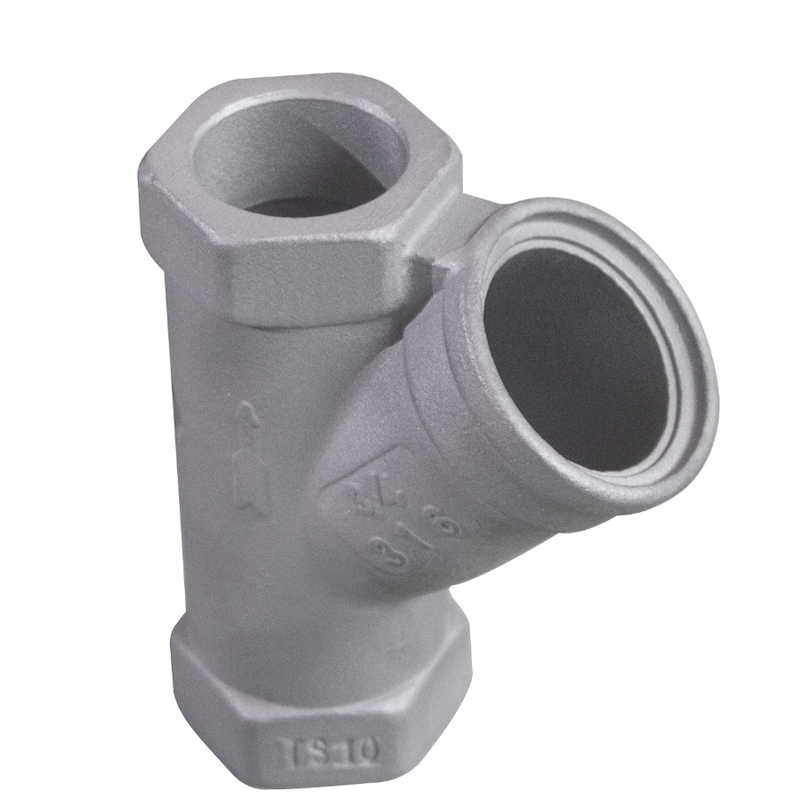
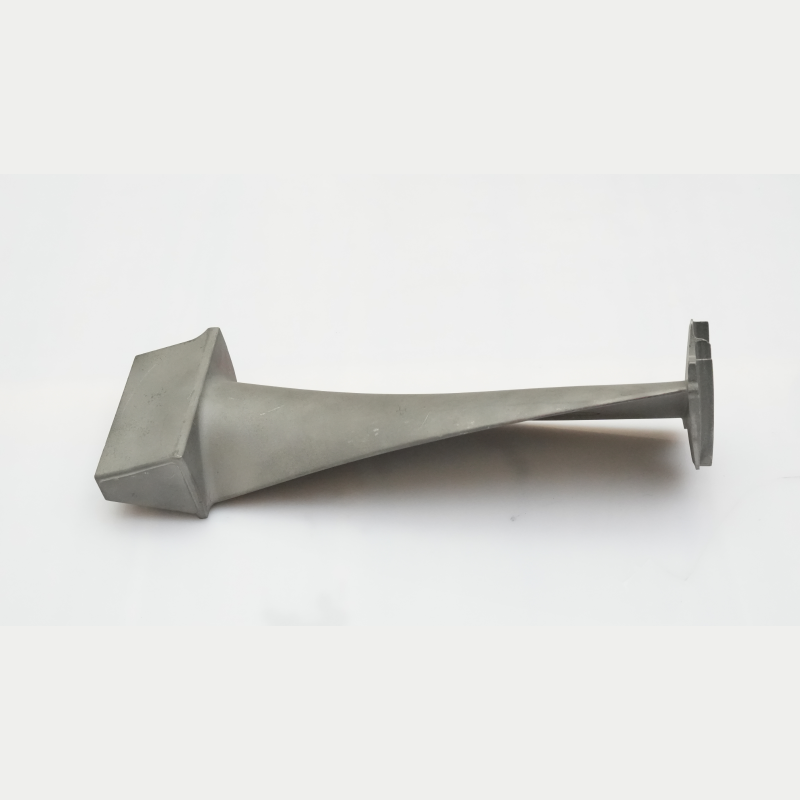
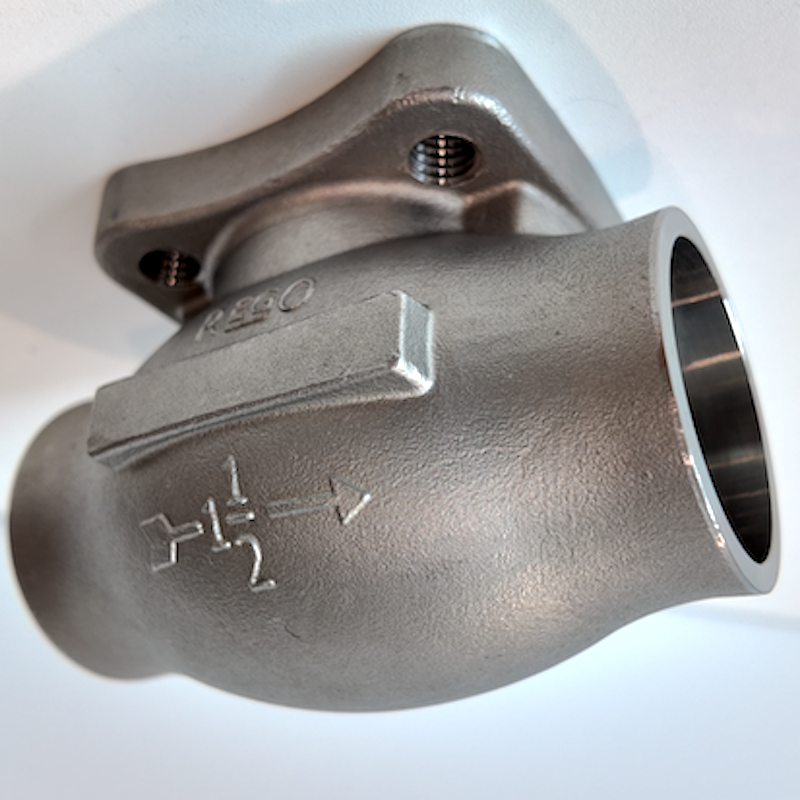
Custom marine metal parts represent specialized engineering solutions designed specifically for the demanding maritime environment. These precision-manufactured components serve critical functions across various vessel types, from commercial shipping fleets to luxury yachts and offshore installations. The primary functions of custom marine metal parts include structural support, corrosion resistance, mechanical operation, and safety enhancement. Each component is engineered to withstand the harsh conditions inherent to marine applications, including saltwater exposure, extreme temperatures, constant vibration, and high-pressure environments. The technological features integrated into custom marine metal parts distinguish them from standard industrial components. Advanced material selection processes ensure compatibility with marine environments, utilizing specialized alloys such as marine-grade stainless steel, aluminum alloys, bronze, and titanium. Modern manufacturing techniques including CNC machining, laser cutting, precision welding, and electropolishing create parts with exceptional dimensional accuracy and surface finish. Quality control protocols verify that every custom marine metal part meets stringent marine classification society standards and regulatory requirements. Applications for custom marine metal parts span the entire maritime industry spectrum. Propulsion systems rely on custom shafts, couplings, and mounting brackets. Deck hardware includes customized cleats, bollards, railings, and anchor systems. Navigation and communication equipment require specialized mounting solutions and protective housings manufactured from corrosion-resistant metals. Engine rooms depend on custom piping systems, heat exchangers, and mounting components engineered for specific vessel configurations. Safety equipment such as fire suppression systems, emergency lighting brackets, and lifeboat davits all incorporate custom marine metal parts designed for reliability under extreme conditions. Offshore platforms utilize custom structural members, walkway systems, and drilling equipment components. The versatility of custom marine metal parts allows naval architects and marine engineers to optimize vessel design while maintaining safety margins and operational efficiency throughout the vessel's service life.

New Product Recommendations

Custom marine metal parts deliver substantial practical benefits that directly impact vessel performance, operational costs, and safety standards. The first major advantage lies in perfect dimensional compatibility. When you order custom marine metal parts, manufacturers create components that fit precisely into your existing systems without requiring modifications or adaptations. This eliminates the frustration of trying to adapt generic parts to specialized applications, saving you valuable installation time and reducing labor costs significantly. You avoid the expense of purchasing additional adapters or making compromises that could affect system performance. The second significant benefit involves superior material performance in challenging marine environments. Custom marine metal parts utilize materials specifically selected for their resistance to saltwater corrosion, a primary cause of equipment failure in maritime applications. This material optimization extends component service life dramatically compared to standard industrial parts, reducing replacement frequency and minimizing unexpected downtime. You experience fewer emergency repairs and maintenance interventions, which translates directly into lower operating expenses and improved vessel availability. The third advantage centers on enhanced operational efficiency. Custom marine metal parts allow engineers to optimize component design for specific performance parameters. Whether you need reduced weight for improved fuel efficiency, increased strength for higher load capacity, or specialized configurations for space-constrained installations, customization delivers solutions that generic parts simply cannot provide. This optimization improves overall vessel performance while reducing energy consumption. The fourth benefit addresses regulatory compliance and safety assurance. Custom marine metal parts manufactured to your specifications incorporate all necessary certifications and meet classification society requirements from the design phase. You receive documentation proving compliance with international maritime standards, eliminating concerns during inspections and surveys. This proactive approach to regulatory compliance protects your investment and maintains your vessel's operational certification. The fifth advantage involves supply chain reliability and vendor partnership. Establishing a relationship with a manufacturer of custom marine metal parts creates a reliable source for replacement components throughout your vessel's operational life. The manufacturer maintains technical drawings and specifications, ensuring consistent quality for repeat orders and enabling rapid production of replacement parts when needed. This relationship reduces procurement uncertainty and supports effective maintenance planning. The sixth benefit is cost-effectiveness over the vessel's lifecycle. While custom marine metal parts may require higher initial investment compared to generic alternatives, the total cost of ownership proves substantially lower. Reduced maintenance frequency, extended service intervals, eliminated adaptation costs, and improved reliability combine to deliver significant financial advantages. You also avoid the hidden costs associated with premature component failure, including emergency repairs, operational disruptions, and potential cargo delays that can exceed the value of the components themselves.

Latest News

How Does a Precision Investment Casting Manufacturer Ensure Consistent Quality Across Global Supply Chains?

05

Jun

How Does a Precision Investment Casting Manufacturer Ensure Consistent Quality Across Global Supply Chains?

In today's interconnected industrial landscape, sourcing complex metal components across international borders presents a formidable quality challenge. the manufacturer must navigate an intricate web of raw material sourcing, multi-stage production c...
View More
How Should Buyers Choose a Reliable Medium Temperature Wax Casting Service Provider?

26

Jun

How Should Buyers Choose a Reliable Medium Temperature Wax Casting Service Provider?

Selecting the right manufacturing partner for medium temperature wax casting is one of the most consequential decisions a procurement professional or product engineer can make. The process, which involves injecting wax into precision dies at carefull...
View More
How Can OEM ODM Precision Casting Services Accelerate New Product Development Cycles?

26

Jun

How Can OEM ODM Precision Casting Services Accelerate New Product Development Cycles?

Bringing a new industrial product from concept to market is rarely a straightforward journey. Engineering teams face relentless pressure to compress timelines, reduce prototype iterations, and deliver production-ready components without sacrificing d...
View More
How Do OEM ODM Precision Casting Services Support Flexible Design and Rapid Prototyping?

26

Jun

How Do OEM ODM Precision Casting Services Support Flexible Design and Rapid Prototyping?

Figure 1: Custom Valve Body Fabricated via Precision Investment Casting, Featuring Crisp Surface Details and Net-Shape Integrity. In today's fast-evolving manufacturing landscape, the ability to move from concept to production-ready component quickly...
View More

Get a Free Quote

Our representative will contact you soon.
Email
Name
Mobile
Company Name
Message
0/1000

custom marine metal parts

Precision Engineering for Uncompromising Marine Durability

Precision Engineering for Uncompromising Marine Durability

The manufacturing process behind custom marine metal parts represents the pinnacle of precision engineering tailored specifically for maritime applications. Every component begins with comprehensive engineering analysis that considers the unique stresses, environmental factors, and performance requirements of marine service. Engineers utilize advanced computer-aided design software to model components in three dimensions, performing finite element analysis to predict stress distribution, identify potential failure points, and optimize material distribution for maximum strength-to-weight ratios. This digital prototyping phase ensures that custom marine metal parts achieve optimal performance characteristics before physical manufacturing begins. The material selection process for custom marine metal parts involves careful evaluation of multiple factors including corrosion resistance, mechanical strength, thermal expansion properties, and compatibility with adjacent materials. Marine-grade stainless steel alloys offer excellent corrosion resistance and strength for structural applications. Aluminum alloys provide lightweight solutions for applications where weight reduction improves vessel performance. Bronze and copper-nickel alloys deliver superior corrosion resistance in seawater while maintaining excellent thermal conductivity for heat exchanger applications. Titanium components offer the ultimate combination of strength and corrosion resistance for critical applications where performance justifies premium material costs. Manufacturing techniques employed in producing custom marine metal parts utilize state-of-the-art equipment operated by skilled technicians. Computer numerical control machining centers execute complex geometries with tolerances measured in thousandths of an inch, ensuring precise fits and proper function. Laser cutting systems produce intricate profiles with minimal heat-affected zones, preserving material properties. Precision welding techniques including tungsten inert gas and metal inert gas welding create strong, corrosion-resistant joints that withstand the constant vibration and stress cycling inherent in marine environments. Surface finishing processes such as electropolishing remove microscopic surface imperfections, creating smooth surfaces that resist corrosion initiation and facilitate cleaning. Quality assurance protocols verify that every custom marine metal part meets exacting specifications through dimensional inspection, material testing, and non-destructive examination techniques including ultrasonic testing, magnetic particle inspection, and dye penetrant testing that reveal internal defects invisible to visual inspection.
Tailored Solutions for Diverse Marine Applications

Tailored Solutions for Diverse Marine Applications

The versatility of custom marine metal parts enables solutions across an extraordinarily diverse range of maritime applications, from small recreational vessels to massive commercial ships and complex offshore installations. This adaptability stems from the fundamental approach of designing each component specifically for its intended application rather than forcing generic solutions into specialized requirements. For propulsion systems, custom marine metal parts include precisely balanced propeller shafts manufactured to exact specifications that minimize vibration and maximize power transmission efficiency. Custom shaft couplings accommodate specific engine-to-transmission interfaces while providing flexibility that protects equipment from shock loads. Strut bearings and stern tube assemblies receive custom engineering to match hull configurations and propeller specifications. Engine mounting systems utilize custom fabricated supports that isolate vibration while providing rigid positioning under dynamic loads. Deck equipment applications demand custom marine metal parts that combine structural strength with aesthetic considerations. Custom fabricated handrails and stanchions provide safety barriers while complementing vessel architecture. Mooring equipment including bollards, cleats, and fairleads receives custom design to accommodate specific line sizes and mooring configurations. Anchor handling systems incorporate custom davits, windlasses, and chain stoppers engineered for the anchor weights and chain specifications of particular vessels. Hatch covers and access panels receive custom fabrication to achieve watertight integrity while facilitating efficient cargo operations. Piping systems throughout vessels rely extensively on custom marine metal parts. Custom fabricated pipe spools eliminate the need for excessive fittings, reducing leak points and pressure losses. Valve mounting brackets position controls at ergonomically optimal locations for crew operation. Expansion joints accommodate thermal movement in high-temperature systems while maintaining pressure integrity. Custom heat exchangers optimize thermal performance for specific cooling requirements and available space envelopes. Specialized applications demonstrate the ultimate versatility of custom marine metal parts. Research vessels require custom sampling equipment, sensor mounting systems, and specimen handling apparatus. Fishing vessels need custom fabricated catch handling equipment, refrigeration system components, and processing line elements. Passenger vessels demand custom furniture mounting systems, entertainment equipment installations, and accessibility features. Each application receives engineering attention that ensures optimal function, regulatory compliance, and integration with surrounding systems, demonstrating how custom marine metal parts solve challenges that generic components simply cannot address effectively.
Long-Term Value Through Superior Corrosion Protection

Long-Term Value Through Superior Corrosion Protection

The exceptional corrosion resistance engineered into custom marine metal parts delivers profound long-term value that dramatically reduces lifecycle costs while enhancing operational reliability. Corrosion represents the primary degradation mechanism affecting metal components in marine environments, where saltwater exposure, humidity, temperature variations, and biological activity combine to create extremely aggressive conditions. Understanding and combating these corrosive forces distinguishes custom marine metal parts from generic industrial components. The corrosion protection strategy begins with intelligent material selection based on specific exposure conditions. Custom marine metal parts destined for continuous seawater immersion receive different material specifications than components in atmospheric service or freshwater applications. Galvanic corrosion considerations influence material choices when different metals must coexist in assemblies, with engineers selecting compatible alloys or incorporating isolating elements that prevent electrochemical reactions. Crevice corrosion risks guide design decisions regarding joint configurations and surface contact areas. Stress corrosion cracking susceptibility informs both material selection and manufacturing processes that minimize residual stresses. Surface treatment technologies provide additional corrosion protection layers for custom marine metal parts. Electropolishing removes surface imperfections and work-hardened layers while creating a passive chromium oxide layer on stainless steel components that dramatically enhances corrosion resistance. Anodizing treatments on aluminum components create hard, corrosion-resistant oxide layers that also provide wear resistance. Specialized coating systems including marine-grade paints, powder coatings, and metallic coatings add barrier protection tailored to specific environmental exposures. Cathodic protection integration allows custom marine metal parts to function within impressed current or sacrificial anode systems that arrest corrosion processes electrochemically. Design optimization specifically addresses corrosion prevention through geometric features that eliminate water traps, promote drainage, and facilitate inspection and maintenance. Custom marine metal parts incorporate generous radii and smooth transitions that eliminate stress concentrations where corrosion preferentially initiates. Ventilation provisions prevent moisture accumulation in enclosed areas. Accessible fastener locations enable routine inspection and replacement before corrosion compromises structural integrity. The long-term value proposition of superior corrosion protection manifests in multiple ways. Extended service intervals reduce maintenance costs by decreasing the frequency of component replacement and associated labor expenses. Improved reliability eliminates unexpected failures that cause operational disruptions, cargo delays, and emergency repair expenses. Maintained structural integrity ensures continued compliance with safety regulations throughout extended service lives. Preserved aesthetic appearance protects vessel value for owners who eventually sell or charter their vessels. Perhaps most significantly, the predictable degradation behavior of properly protected custom marine metal parts enables effective lifecycle planning, allowing maintenance managers to schedule replacements during convenient maintenance windows rather than responding to emergency failures during critical operations.

Get a Free Quote

Our representative will contact you soon.
Email
Name
Mobile
Company Name
Message
0/1000